How Long To Cook Turkey Wings In Oven At 400 Degrees
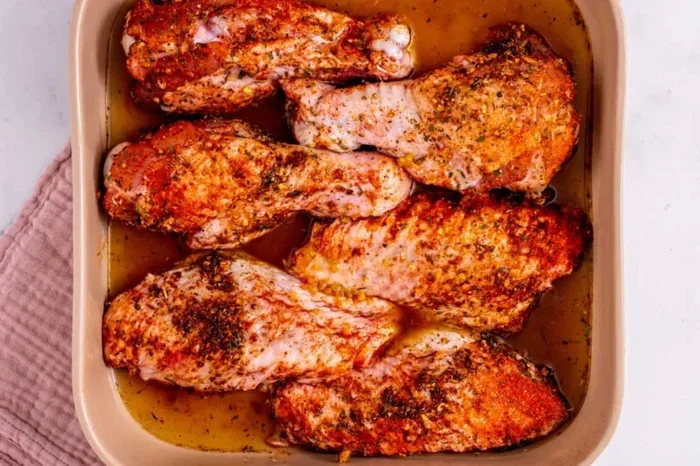
This guide shows you exactly how long to cook turkey wings in oven at 400 for crispy, juicy results. You’ll learn the perfect oven temperature, timing, and seasoning tricks. Whether bone-in or boneless, baked turkey wings come out golden and tender every time.
How Long To Cook Turkey Wings In Oven At 400 is a question many home cooks ask before game day or a family dinner. Cooking turkey wings at 400°F delivers crispy skin and juicy meat in less than an hour. This guide gives you the exact time, temperature, and pro tips for perfect results every time. You’ll learn how to season, prep, and bake oven-baked turkey wings like a pro. Whether you prefer bone-in or boneless, baked turkey wings at 400 degrees are a crowd-pleaser.
Turkey wings are a delicious and affordable cut. They’re perfect for appetizers, game day, or a hearty main course. Many people wonder about the best way to cook them. Oven-baking at 400°F is a simple method that yields great results. It’s hands-off and lets the oven do the work. You just need to know the timing and a few tricks. In this article, I’ll walk you through everything step by step. You’ll never have dry, overcooked wings again.
Key Takeaways
- Cooking time: Bake turkey wings at 400°F for 45–55 minutes (thawed) or 60–70 minutes (frozen) until they reach 165°F internally.
- Temperature check: Always use a meat thermometer to confirm the internal temperature hits 165°F for food safety.
- Pat dry skin: Drying the skin before seasoning is the single best trick for crispy, golden-brown results.
- Use a wire rack: A rack over a baking sheet allows hot air to circulate, ensuring even browning and crispiness.
- Season generously: A dry rub or marinade with paprika, garlic powder, and salt adds big flavor to oven-baked turkey wings.
- Rest before serving: Let the wings rest 5–10 minutes after baking; carryover cooking keeps the meat juicy.
- Avoid opening the oven: Keep the door closed during baking to maintain steady heat and prevent soggy skin.
📑 Table of Contents
Why 400°F Is The Perfect Temperature For Turkey Wings
High heat is the secret to great oven-baked turkey wings. At 400°F, the oven quickly sears the skin. This creates a crispy, golden-brown crust while keeping the inside tender. Lower temperatures steam the skin and leave it flabby. The oven temperature of 400°F also speeds up cooking. You get flavorful wings in under an hour. This heat level triggers the Maillard reaction. That’s the chemical process that browns food and develops deep, savory flavors. It also promotes caramelization on the skin’s surface. The result is a beautiful, appetizing look and a satisfying crunch.
The Science Behind High-Heat Baking
When hot air surrounds the wings, it rapidly evaporates surface moisture. Dry skin crisps up much faster than wet skin. The high heat also melts any fat underneath the skin. That fat bastes the meat from within. This keeps the wings juicy and tender. A golden brown finish is also a sign of proper caramelization. The sugars in seasonings and natural juices brown beautifully at 400°F. This gives baked turkey wings a rich, complex flavor profile.
Benefits Of 400°F
- Crispy skin: High heat quickly renders fat and dries the surface.
- Juicy meat: Fast cooking locks in moisture before it has a chance to dry out.
- Faster cooking: You save time compared to lower-temperature roasting.
- Minimal shrinkage: Wings hold their shape better at a high, steady heat.
- Even browning: The intense heat promotes uniform color across all pieces.
How Long To Cook Turkey Wings In Oven At 400
The exact how long to cook turkey wings in oven at 400 depends on a few factors. Thawed wings cook faster than frozen ones. Bone-in pieces take a bit longer than boneless. The size of the wings also matters. A small wing will cook quickly, while a large, meaty wing needs more time. The best way to know they’re done is with a meat thermometer. Always check the thickest part of the meat, not near the bone. Here’s a quick reference table to guide you.
| Wing Type | Weight Per Serving | Oven Temp | Cooking Time | Internal Temp |
|---|---|---|---|---|
| Bone-In Thawed | 1 lb | 400°F | 45–55 minutes | 165°F |
| Boneless Thawed | 1 lb | 400°F | 35–40 minutes | 165°F |
| Bone-In Frozen | 1 lb | 400°F | 60–70 minutes | 165°F |
| Boneless Frozen | 1 lb | 400°F | 45–55 minutes | 165°F |
These times assume you place wings in a single layer on a wire rack. If you crowd the pan, add 5–10 minutes. Always let the oven preheat fully before adding the wings. A steady oven temperature is crucial for even cooking. If you’re unsure, pull the wings at 160°F and let them rest. Carryover cooking will bring them up to a safe 165°F.
Bone-In vs. Boneless: Which Takes Longer?
Bone-in wings always take a little longer. The bone acts as insulation. It slows heat transfer to the meat. Boneless wings cook faster because there’s no bone to heat through. However, bone-in wings often have more flavor and a better texture. The bone keeps the meat moist during the longer cook. If you’re short on time, choose boneless pieces. If you want the best texture and taste, go with bone-in. Both work beautifully at 400°F.
Quick Tips For Timing
- Set a timer: Start checking at the minimum time listed. Wings vary by oven.
- Use a meat thermometer: This is the only way to know for sure.
- Thaw wings first: Frozen wings need extra time and may cook unevenly.
- Flip halfway: Turn each wing at the 25-minute mark for even browning.
Expert Insight
Many people ask if they can leave wings in longer for extra crispiness. I don’t recommend going past 70 minutes at 400°F. The meat dries out quickly after the protein fibers squeeze out all moisture. You’ll end up with tough, rubbery wings. Stick to the recommended times and use a thermometer. That’s the path to perfect oven-baked turkey wings every single time.
Prep Work: Seasoning And Marinating For Flavor
Great baked turkey wings start with great seasoning. The right blend of spices turns simple wings into a showstopper. You can keep it simple with salt and pepper. Or you can build a complex flavorful rub. Marinating also adds moisture and depth. A quick buttermilk soak tenderizes the meat and adds tang. Dry rubs create a thicker, crunchier crust. Both methods work well at 400°F. Choose based on your schedule and taste.
Dry Rub vs. Marinade
A dry rub is a blend of spices you coat on the wings before baking. It’s fast and easy. You can prep it the night before. A marinade is a liquid that the wings soak in for hours. It adds moisture and tenderizes tougher cuts. Dry rubs give you a crispier skin. Marinades give you a more tender, juicy bite. Both produce golden brown results when baked at 400°F.
Best Seasonings For Turkey Wings
- Paprika: Adds color and a mild, sweet smokiness.
- Garlic powder: Provides a savory, aromatic base.
- Onion powder: Deepens the overall flavor profile.
- Salt and black pepper: The foundation of any great seasoning.
- Cayenne pepper: Adds heat for those who like a kick.
- Dried thyme or rosemary: Offers a warm, herbal fragrance.
- Smoked paprika: Gives a rich, barbecue-like depth.
- Brown sugar: A touch of sweetness helps caramelize the skin.
Quick Tips For Maximum Flavor
- Marinate for at least 2 hours: Overnight is best for deep flavor.
- Use fresh herbs: Add them in the last 10 minutes of baking for a bright burst.
- Don’t forget the salt: Salt draws out moisture, which then gets reabsorbed, making the meat juicier.
- Coat evenly: Place wings in a bowl and toss with seasoning for full coverage.
Step-By-Step: Baking Turkey Wings To Perfection
Now that you’re seasoned up, it’s time to bake. The process is simple and forgiving. Follow these steps and you’ll get restaurant-quality oven-baked turkey wings at home. I’ll break it down into easy, numbered steps. Even a beginner can nail this recipe.
Step 1: Preheat The Oven
Turn your oven to 400°F. Let it fully preheat before the wings go in. A hot oven is essential for crispy skin. It immediately starts rendering the fat and drying the surface. If you put wings in a cold oven, they’ll steam instead of roast. That leads to soggy, pale skin. Give your oven at least 15–20 minutes to reach the right oven temperature.
Step 2: Pat Wings Dry
Remove the wings from any marinade or packaging. Use paper towels to pat them completely dry. This is the most important step for crispy skin. Moisture is the enemy of crispiness. The drier the surface, the crunchier the result. Don’t skip this step, even if the wings look dry already. A quick pat makes a huge difference.
Step 3: Season Generously
Toss the dry wings with your chosen seasoning blend. Make sure every piece is coated. I like to add a light drizzle of oil first. The oil helps the spices stick and promotes browning. Don’t be shy with the salt. Under-seasoned wings are bland and boring. A generous coating of flavorful spices creates a delicious crust.
Step 4: Arrange On A Wire Rack
Place a wire rack over a rimmed baking sheet. Lay the wings in a single layer. Don’t let them touch or overlap. A wire rack lets hot air flow all around the wings. This ensures even cooking and crispy skin on all sides. If you don’t have a rack, you can use a cooling rack set over a sheet pan. Avoid placing wings directly on the sheet pan. That traps steam and creates soggy bottoms.
Step 5: Bake For 45–55 Minutes
Slide the pan into the preheated oven on the middle rack. Set a timer for 25 minutes. At the 25-minute mark, open the oven and flip each wing. This ensures both sides get equally crispy. Return the pan to the oven and bake for another 20–30 minutes. The wings are done when the skin is golden brown and the internal temperature reads 165°F.
Step 6: Check Doneness With A Thermometer
A meat thermometer is your best friend. Insert it into the thickest part of the wing, avoiding the bone. The reading should be at least 165°F. If it’s not there yet, give the wings 5 more minutes. Check again. Never guess with poultry. Food safety comes first. How long to cook turkey wings in oven at 400 is just a guideline. The thermometer gives you the real answer.
Step 7: Rest Before Serving
Take the wings out of the oven and let them rest on the rack for 5–10 minutes. This resting period allows the juices to redistribute. If you cut into a wing immediately, the juices run out and the meat dries out. A short rest keeps every bite moist and tender. The internal temperature will also rise a few degrees during carryover cooking. This is called resting, and it makes a big difference.
Quick Tips For The Baking Process
- Line the baking sheet with foil: This makes cleanup a breeze.
- Don’t open the oven door too often: Every peek drops the temperature and slows cooking.
- Use the middle rack: It provides the most even heat distribution.
- Baste once halfway: A quick brush of melted butter adds richness and shine.
Crispy Skin And Juicy Meat: Pro Tips
The goal is wings with shatteringly crispy skin and fall-off-the-bone tender meat. That’s not hard to achieve. A few simple techniques separate good wings from great ones. I’ve baked thousands of baked turkey wings and these tips never fail. They guarantee a perfect golden brown finish and juicy, flavorful meat every time.
The Secret To Crispy Skin
Crispy skin starts with dryness. Pat the wings thoroughly with paper towels before seasoning. You can even leave them uncovered in the fridge overnight. This dries the skin even more. Dry skin crisps up beautifully in a hot oven. Another trick is to dust the wings with a tiny bit of baking powder. It raises the pH of the skin and promotes faster browning. Just a teaspoon per pound works wonders. The skin turns incredibly crispy without any metallic taste.
Use A Wire Rack, Always
A wire rack is non-negotiable for the best results. It lifts the wings above the pan. Hot air circulates freely around every piece. The fat drips away instead of pooling and steaming the skin. This is the same technique used by professional kitchens. If you bake wings directly on a sheet pan, the bottoms will be soft and greasy. A rack gives you 360-degree crispiness. It’s a small change that makes a huge impact on your oven-baked turkey wings.
Don’t Cover With Foil
Some recipes tell you to cover wings with foil to keep them moist. That’s a mistake for crispy skin. Foil traps steam and creates a boiled texture. It prevents the skin from crisping. If you’re worried about drying out, just pull the wings a few minutes early. The carryover heat will finish the job. Trust the process and leave the foil off. Your crispy skin will thank you.
Quick Tips For Crispy, Juicy Wings
- Brine for extra juiciness: Soak wings in salty water for 2–4 hours before seasoning.
- Add a little oil to the seasoning: It helps the rub adhere and promotes browning.
- Flip once at the halfway point: This ensures even color on all sides.
- Let them rest: 5–10 minutes on the rack keeps the meat moist.
Common Mistakes That Ruin Crispy Skin
- Skipping the pat dry: Wet skin steams instead of crisping.
- Overcrowding the pan: Wings stacked on top of each other trap steam.
- Covering with foil: This softens the skin and prevents browning.
- Baking at too low a temperature: Low heat doesn’t crisp the skin effectively.
Common Mistakes To Avoid When Baking Turkey Wings
Even with a great recipe, small errors can ruin your baked turkey wings. I’ve seen these mistakes many times. Most are easy to avoid with a little awareness. Learning what not to do is just as important as learning the right steps. Here are the most common pitfalls and how to dodge them.
Skipping The Thawing Step
Cooking frozen wings directly in the oven leads to uneven results. The outside overcooks while the inside stays frozen. Always thaw wings in the refrigerator overnight. If you’re in a hurry, use the cold water method. Place them in a sealed bag and submerge in cold water for a few hours. Never thaw wings on the counter. That creates a breeding ground for bacteria. Food safety should always come first when handling poultry.
Not Patting The Wings Dry
This is the number one cause of soggy skin. Wet wings steam in the oven instead of roasting. Take the extra 30 seconds to blot them dry. You’ll be amazed at the difference. Crispy skin is the hallmark of a great oven-baked turkey wings recipe. Don’t let a simple step ruin your hard work.
Under-Seasoning The Wings
Turkey wings have mild flavor. They need a strong seasoning presence. A light dusting of salt won’t cut it. Be generous with your spices. The seasoning should be visible on every piece. If you’re unsure, taste a pinch of the rub. It should be boldly flavored. The oven temperature of 400°F will intensify those flavors as they caramelize.
Opening The Oven Door Too Often
Every time you open the door, heat escapes. The oven temperature drops significantly. This slows cooking and can lead to uneven browning. Resist the urge to peek. Trust your timer. Use the oven light to check on the wings. If you must open the door, do it quickly and at the halfway flip point only.
Cutting Into Wings To Check Doneness
This releases all the precious juices. The wing dries out on the spot. A meat thermometer gives you an accurate reading without cutting into the meat. It’s the professional way to check for doneness. Keep a thermometer in your kitchen drawer. It’s an inexpensive tool that makes a huge difference. It ensures your turkey wings are safe and perfectly cooked every time.
Cutting Into Wings Too Soon
As soon as the wings come out of the oven, the temptation is to dig in. Wait at least 5 minutes. The resting period is critical. During resting, the muscle fibers relax and reabsorb juices. If you cut too soon, the juices run out onto the cutting board instead of staying in the meat. That’s wasted flavor and moisture. Patience rewards you with juicier, more tender wings.
Quick Tips To Avoid Mistakes
- Plan ahead: Thaw wings the night before.
- Pat dry: Always dry the skin thoroughly.
- Season boldly: Don’t be shy with spices.
- Use a thermometer: It takes the guesswork out of cooking.
- Rest the meat: 5–10 minutes makes a big difference.
Conclusion
Now you know exactly how long to cook turkey wings in oven at 400. With the right oven temperature and a few simple steps, you can enjoy crispy, juicy wings anytime. Remember to pat them dry, season generously, and use a wire rack. A meat thermometer is your best friend in the kitchen. Try this method for your next gathering and watch the wings disappear. Happy baking!
How Long To Cook Turkey Wings In Oven At 400 is really just about timing, temperature, and a little care. Follow the guidelines in this article and you’ll get perfect results every time. Whether it’s game day, a family dinner, or just a tasty snack, oven-baked turkey wings are a winner. Enjoy the process and the delicious outcome.
Frequently Asked Questions
What internal temperature should turkey wings reach?
Turkey wings are safe to eat when the internal temperature reaches 165°F. Always use a meat thermometer to check the thickest part of the meat. This ensures both safety and the best texture.
Can I cook frozen turkey wings at 400 degrees?
Yes, you can cook frozen wings at 400°F, but add 15–20 extra minutes to the cooking time. For best results, thaw them first in the refrigerator. Frozen wings may cook unevenly if not thawed properly.
Do I need to flip turkey wings while baking?
Yes, flipping the wings halfway through promotes even browning and crispiness. At the 25-minute mark, turn each wing over. This ensures both sides become golden brown and crispy.
How do I keep turkey wings from drying out?
Pat the wings dry before seasoning, use a wire rack, and don’t overbake. Also, let the wings rest for 5–10 minutes after baking. Carryover cooking keeps the meat juicy without extra moisture loss.
Can I use a convection oven for turkey wings?
Yes, convection ovens work great for baked turkey wings. Reduce the temperature by 25°F to 375°F and check for doneness a few minutes early. The fan circulates hot air for even faster, crispier results.
What’s the best seasoning for turkey wings?
A simple blend of paprika, garlic powder, onion powder, salt, and pepper is a fantastic starting point. For extra flavor, add a touch of cayenne or smoked paprika. Marinating in buttermilk for a few hours also adds tenderness and tang.