What Temp For Pork Loin In Oven For Tender Juicy Meat
Cooking pork loin in the oven comes down to one key factor: temperature. The best pork loin oven temp is between 350°F and 375°F for a juicy, tender roast. Whether you prefer a quick cook or a slow roast, this guide covers everything you need to know about pork loin internal temp, timing, seasoning, and pro tips for perfect results every single time.
This is a comprehensive guide about What Temp For Pork Loin In Oven.
Key Takeaways
- Ideal Oven Temp: 350°F to 375°F is the sweet spot for a tender pork loin.
- Internal Temp Matters: Pull your pork loin at 145°F for safe, juicy meat.
- Resting Is Essential: Let the roast rest for 5 to 10 minutes before slicing.
- Cooking Time Varies: Expect about 20 to 25 minutes per pound at 350°F.
- Use a Meat Thermometer: It is the only reliable way to check doneness.
- Season Simply: Garlic, herbs, salt, and olive oil create incredible flavor.
- Avoid Overcooking: Pork loin dries out fast, so keep a close eye on the temp.
[FEATURED_IMAGE_PLACEHOLDER]
What Temp For Pork Loin In Oven For Perfect Results
If you have ever wondered about the pork loin oven temp for the juiciest roast, you are in the right place. Cooking pork loin in the oven is one of the simplest and most rewarding things you can do in the kitchen. But here is the thing: getting the temperature right makes all the difference between dry, tough meat and a juicy, tender masterpiece.
The pork loin internal temp you aim for is 145°F, according to the USDA. This is the safe temperature that keeps the meat moist and flavorful. But reaching that internal temp depends on the oven temperature you choose, how long you cook it, and a few other factors. This guide will walk you through everything step by step.
Whether you are a beginner or a seasoned cook, understanding oven temperature for pork loin will transform your meals. You will learn the best settings, how long to cook a pork loin per pound, and all the little tricks that separate a good roast from a great one. Let us dive in.
Why Temperature Control Matters So Much
Pork loin is a lean cut of meat. That means it has very little fat compared to other cuts like pork shoulder or ribs. Less fat equals less moisture. And when a lean cut dries out, there is no way to bring it back. This is exactly why oven-baked pork loin demands your full attention when it comes to temperature.
Too high a heat will sear the outside while leaving the inside undercooked or rubbery. Too low a heat takes forever and can still dry the meat out. The pork roast temperature you select sets the pace for the entire cook. It controls how fast the heat moves into the center of the meat. That is why nailing the right pork loin oven temp is the single most important thing you can do.
A good pork loin thermometer removes all the guesswork. You can check the internal temp at any point without cutting into the meat and losing precious juices. Trust me, once you start using a meat thermometer, you will never go back to guessing again.
The Best Pork Loin Oven Temp For Juicy Meat
The consensus among most chefs and home cooks is that 350°F is the gold standard for baking pork loin. It is a moderate temperature that cooks the meat evenly without drying it out. At 350°F, you get a nice balance between cook time and moisture retention.
However, 375°F is also a popular choice. It cooks slightly faster and can create a more golden, caramelized crust on the outside. Both temperatures work beautifully. The key is knowing what to expect from each one.
Here is a quick look at the most common oven temperatures for pork loin:
- 325°F: Low and slow. Great for larger roasts. Takes longer but keeps moisture locked in.
- 350°F: The most popular choice. Even cooking, reliable results, great for most sizes.
- 375°F: Slightly faster. Good for smaller roasts or when you want a bit more browning.
- 400°F: Fast and aggressive. Best for smaller, thinner cuts. Higher risk of drying out.
For most home cooks, 350°F hits the sweet spot. It is forgiving, predictable, and produces consistently excellent results. If you are new to cooking pork loin in the oven, start with 350°F. You really cannot go wrong.
How Long To Cook Pork Loin At Each Temperature
Cooking time depends on two things: the oven temperature and the weight of your roast. A general rule of thumb for oven-baked pork loin is about 20 to 25 minutes per pound at 350°F. So a 3-pound roast takes roughly 60 to 75 minutes.
At 375°F, you can shave off about 5 minutes per pound. At 325°F, add a few extra minutes. These are guidelines, not hard rules. The only way to know for sure is to monitor the pork loin internal temp with a reliable meat thermometer.
Here is a simple reference chart for planning your cook:
- 2-pound pork loin at 350°F: About 40 to 50 minutes
- 3-pound pork loin at 350°F: About 60 to 75 minutes
- 4-pound pork loin at 350°F: About 80 to 100 minutes
- 3-pound pork loin at 375°F: About 50 to 65 minutes
- 3-pound pork loin at 325°F: About 70 to 85 minutes
Remember, these times assume you start with meat at room temperature. Taking the pork loin out of the fridge 30 minutes before cooking helps it roast more evenly. Cold meat in a hot oven leads to uneven cooking and longer total time.
Step By Step Guide To Baking Pork Loin
Now that you know the pork loin oven temp and timing, let us walk through the actual process. Baking a pork loin is straightforward, but a few small details make a huge difference.
Step 1: Prep The Pork Loin
Start by patting the pork loin dry with paper towels. Dry meat browns better and develops a nicer crust. Remove any excess fat, but leave a thin layer to keep the roast moist during cooking.
Next, season generously. A simple blend of salt, black pepper, garlic powder, and olive oil works wonders. You can also add fresh herbs like rosemary and thyme for extra flavor. Rub the seasoning all over the meat, including the sides.
Step 2: Preheat The Oven
Preheat your oven to 350°F while you are prepping the meat. This ensures the oven reaches the right temperature before the pork goes in. A properly preheated oven cooks more evenly and reduces the risk of uneven results.
Step 3: Sear For Extra Flavor
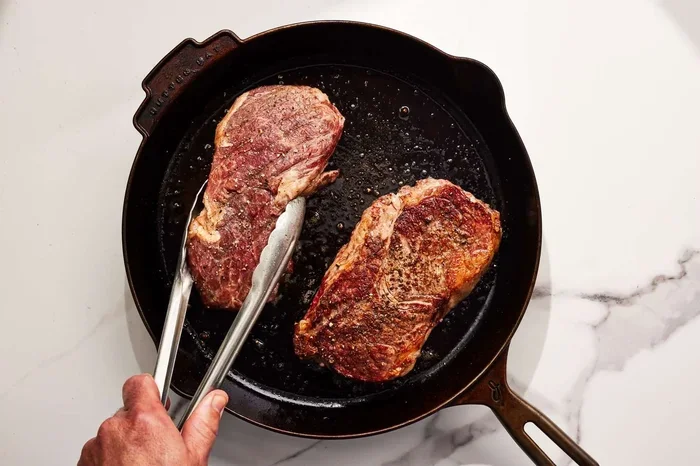
This is an optional but highly recommended step. Heat a skillet on the stovetop with a little olive oil. Sear the pork loin on all sides until golden brown, about 2 minutes per side. Searing adds a beautiful caramelized crust that locks in flavor and moisture.
Step 4: Place In A Roasting Pan
Put the seared pork loin in a roasting pan or baking dish. You can add vegetables like onions, carrots, and potatoes around the meat for a complete one-pan meal. The vegetables soak up the pork drippings and become incredibly flavorful.
Step 5: Insert A Meat Thermometer
This is the most important step. Insert a pork loin thermometer into the thickest part of the roast, avoiding bone or fat. Leave the probe in throughout the cooking process so you can monitor the pork loin internal temp without opening the oven door constantly.
Step 6: Cook And Monitor
Place the pan in the preheated oven. Set a timer for about 20 minutes per pound, but do not rely on the timer alone. Check the pork roast temperature regularly as the cook time approaches. The meat is done when the internal temp reaches 145°F.
Step 7: Rest Before Slicing
Once the pork loin oven temp hits 145°F internally, pull the roast out. Tent it loosely with foil and let it rest for 5 to 10 minutes. This resting period allows the juices to redistribute throughout the meat. If you skip this step, the juices will run out onto the cutting board instead of staying in the meat.
Common Mistakes People Make When Cooking Pork Loin
Even experienced cooks make mistakes with pork loin in the oven. Here are the most common ones and how to avoid them.
Skipping The Meat Thermometer
The number one mistake is not using a thermometer. Visual cues and time estimates are helpful, but they are not precise. The only way to guarantee your pork loin internal temp is exactly right is with a pork loin thermometer. Invest in a good instant-read or leave-in probe thermometer. It costs very little and takes all the guesswork out of cooking.
Overcooking The Meat
Pork loin is lean and unforgiving. Every minute beyond the target temp dries the meat out further. Many people cook until the internal temp reaches 160°F or higher, thinking it needs to be well done. But the USDA confirms that 145°F is safe and results in far juicier meat. Pull the roast at 145°F and let carryover cooking bring it up a few degrees during the rest.
Not Letting The Meat Rest
Cutting into a hot pork loin right out of the oven is tempting but destructive. The juices are under pressure inside the hot meat. Cutting immediately releases all that moisture onto the plate instead of letting it stay in the meat. A short rest makes a noticeable difference in tenderness and juiciness.
Starting With Cold Meat
Putting a cold pork loin straight from the fridge into a hot oven creates uneven cooking. The outside overcooks while the inside struggles to catch up. Take the meat out 20 to 30 minutes before cooking to let it come closer to room temperature. This small step leads to much more even results.
Neglecting The Seasoning
Some people treat pork loin as plain meat that needs nothing. But a simple seasoning makes a world of difference. Salt draws out moisture initially but then helps form a flavorful crust. Garlic, herbs, and a drizzle of olive oil elevate the flavor significantly. Do not skip this step.
Expert Tips For The Juiciest Pork Loin Every Time
Want to take your baked pork loin to the next level? These expert tips will help you achieve restaurant-quality results at home.
Brine For Extra Moisture
Brining is a game changer for lean cuts like pork loin. A simple brine of water, salt, sugar, and spices soaked for 2 to 4 hours adds moisture and flavor deep into the meat. After brining, pat the loin dry and season as usual. The result is noticeably juicier and more tender.
Use A Slow Roast Method
If you have the time, try a low-temperature slow roast at 300°F to 325°F. This method takes longer but produces incredibly tender meat. The slow, gentle heat breaks down the muscle fibers more thoroughly, resulting in a melt-in-your-mouth texture. Just be sure to monitor the pork loin oven temp closely to avoid overcooking.
Add A Flavor Boost With A Rub
A dry rub adds layers of flavor that simple salt and pepper cannot match. Try a blend of smoked paprika, cumin, brown sugar, garlic powder, and chili powder. Rub it into the meat the night before and let it marinate in the fridge. The flavors penetrate deeper and create a beautiful crust when roasted.
Deglaze The Pan For A Quick Sauce
After removing the pork loin, pour off most of the fat but keep the browned bits in the pan. Add a splash of chicken broth, apple cider, or white wine and scrape up the fond (those delicious browned bits). Simmer for a few minutes and you have a quick, flavorful pan sauce to drizzle over your slices.
Let The Meat Reach Room Temperature
We mentioned this earlier, but it deserves repeating. Taking the pork loin out of the fridge 30 minutes before cooking is one of the easiest ways to improve your results. Even 20 minutes makes a difference. The meat cooks more evenly, the total cook time is more predictable, and the final texture is better.
Pork Loin Oven Temp Comparison Table
Here is a handy comparison of the most common oven temperatures for pork loin. Use this as a quick reference when planning your next roast.
| Oven Temp | Cook Time (Per Pound) | Best For | Moisture Level |
|---|---|---|---|
| 325°F | 25-30 minutes | Large roasts, slow cook | High |
| 350°F | 20-25 minutes | Standard roasts, most sizes | Great |
| 375°F | 18-22 minutes | Smaller roasts, faster cook | Good |
| 400°F | 15-20 minutes | Thin cuts, quick searing | Lower |
As you can see, 350°F offers the best balance of cook time, moisture, and flavor for most pork loin roasts. It is the go-to choice for a reason. But feel free to experiment with different temperatures based on your schedule and preferences.
Quick Tips For Perfect Pork Loin
- Always use a meat thermometer. It is the single most important tool for perfect pork loin.
- Take the meat out 30 minutes before cooking. Room temperature meat cooks more evenly.
- Rest the roast for at least 5 minutes. This keeps the juices inside the meat.
- Do not skip the searing step. It adds flavor and a beautiful crust.
- Brine overnight for the juiciest results. Even a quick 2-hour brine helps.
- Let carryover cooking work for you. The internal temp will rise 5 to 10 degrees after removing from the oven.
- Slice against the grain. This makes the meat more tender and easier to chew.
How To Know When Pork Loin Is Done
Knowing when your pork loin in the oven is done is simple if you use a thermometer. The pork loin internal temp should read 145°F at the thickest part. This is the USDA-recommended safe temperature for pork. At 145°F, the meat is cooked through but still juicy and slightly pink in the center.
Some people prefer their pork loin at 150°F to 155°F. This is fine, but be aware that the meat will be slightly drier. The difference between 145°F and 160°F is noticeable in terms of moisture. That is why pulling the roast at exactly 145°F and letting it rest is the smartest approach.
If you do not have a thermometer, look for these visual cues: the juices should run clear (not pink), the meat should feel firm but springy when pressed, and the internal temperature should feel hot to the touch when you press the center. But honestly, a thermometer removes all doubt. It is worth having one in your kitchen.
Best Seasoning Combinations For Pork Loin
The right seasoning can turn a simple oven-baked pork loin into something extraordinary. Here are some flavor combinations that work beautifully:
- Classic Herb: Rosemary, thyme, garlic, salt, and olive oil. Simple and timeless.
- Sweet and Smoky: Smoked paprika, brown sugar, cumin, and chili powder.
- Asian Inspired: Soy sauce, ginger, garlic, sesame oil, and a touch of honey.
- Mediterranean: Oregano, lemon zest, garlic, olive oil, and black pepper.
- BBQ Style: Paprika, brown sugar, garlic powder, onion powder, and a dash of cayenne.
No matter which combination you choose, the key is to apply the seasoning generously. Pork loin has a mild flavor that absorbs seasonings well. Let the seasoning sit on the meat for at least 30 minutes before cooking for the best flavor penetration.
How To Store And Reheat Leftover Pork Loin
Leftover pork loin is actually great the next day. The flavors deepen after resting overnight in the fridge. Store cooked pork loin in an airtight container for up to 4 days. For longer storage, wrap it tightly and freeze for up to 3 months.
When reheating, the goal is to warm the meat without drying it out. The best method is to reheat slices in a covered skillet over low heat with a splash of broth or water. You can also reheat in the oven at 300°F covered with foil. Avoid microwaving if possible, as it tends to make the meat rubbery and dry.
Conclusion
Getting the pork loin oven temp right is the foundation of a perfect roast. Remember that 350°F is the most reliable temperature for most pork loin roasts, and always aim for an internal temp of 145°F. Use a meat thermometer, let the meat rest, and do not overcook it. These simple steps will give you tender, juicy pork loin every single time.
Once you master the basics, you can start experimenting with different temperatures, seasonings, and cooking methods. Try a slow roast at 325°F one weekend, or sear and roast at 375°F the next. Each approach brings something different to the table. The beauty of cooking pork loin in the oven is that it is forgiving once you understand the fundamentals.
So go ahead and fire up your oven. Pick your favorite seasoning, grab a good thermometer, and make the best pork loin you have ever had. Your family and dinner guests will thank you. Happy cooking!
FAQs
What Is The Best Pork Loin Oven Temp?
The best pork loin oven temp for most roasts is 350°F. This temperature cooks the meat evenly and keeps it juicy. If you want a slightly faster cook with more browning, try 375°F. For a larger roast or extra tenderness, 325°F is a great low-and-slow option.
How Long Does It Take To Cook Pork Loin At 350 Degrees?
A general rule is about 20 to 25 minutes per pound at 350°F. A 3-pound pork loin will take roughly 60 to 75 minutes. Always use a pork loin thermometer to check the internal temp, as cook times can vary based on oven accuracy and the size of your roast.
What Internal Temp Should Pork Loin Reach?
The USDA recommends cooking pork loin to an internal temp of 145°F. This is the safe temperature that keeps the meat moist and tender. Let the roast rest for 5 to 10 minutes after removing it from the oven, as carryover cooking will raise the temp another 5 to 10 degrees.
Should I Cover Pork Loin With Foil While Baking?
Covering with foil is optional. Foil traps moisture and can help prevent the outside from browning too fast. However, leaving it uncovered allows the crust to develop better. Many cooks cover the pork loin for the first half of cooking and then uncover it for the second half to get the best of both worlds.
Can You Overcook Pork Loin In The Oven?
Yes, absolutely. Pork loin is a lean cut and overcooking dries it out quickly. The key is to monitor the pork loin internal temp closely and pull the roast at 145°F. Every few minutes beyond that target can make a noticeable difference in moisture and tenderness.
Is It Better To Cook Pork Loin Slow Or Fast?
It depends on your preference and schedule. A slower cook at 325°F to 350°F generally produces more tender results. A faster cook at 375°F or 400°F works well for smaller cuts and gives you a nicer crust. The most important thing is to reach the right pork roast temperature without drying out the meat.
Frequently Asked Questions
What is What Temp For Pork Loin In Oven?
What Temp For Pork Loin In Oven is an important topic with many practical applications.