How Long To Cook Raw Bacon In Oven For Crispy Perfection
Cooking raw bacon in the oven takes about 15 to 25 minutes at 400°F, depending on thickness and desired crispness. This simple method delivers evenly cooked, crispy bacon without the mess of stovetop splatter. Follow our step-by-step guide for oven-baked bacon that comes out perfect every single time.
Key Takeaways
- Quick Cooking Time: Most raw bacon finishes in 15 to 25 minutes at 400°F, making oven baking the fastest hands-off method.
- Temperature Matters: Baking at the right heat ensures even cooking and prevents burnt or undercooked strips.
- Thickness Affects Time: Thin-cut bacon cooks faster than thick-cut, so adjust your timing accordingly.
- No Flip Needed: Unlike stovetop cooking, oven bacon bakes evenly without flipping or monitoring constantly.
- Easy Cleanup: Using parchment paper or aluminum foil on your baking sheet makes cleanup a breeze.
- Grease Management: Lining the pan properly prevents grease fires and simplifies disposal of leftover bacon grease.
- Storage Tips: Cooked bacon stores well in the fridge for up to five days and reheats beautifully.
📑 Table of Contents
- Why Oven-Baked Bacon Is the Best Cooking Method
- How Long To Cook Raw Bacon In Oven: Time and Temperature Guide
- Choosing the Right Bacon for Oven Baking
- Step-by-Step Instructions for Perfect Oven Bacon
- Tips for Getting Extra Crispy Bacon in the Oven
- Common Mistakes to Avoid When Baking Bacon
- Storing Bacon and Using Leftover Bacon Grease
- Frequently Asked Questions
- Conclusion
Why Oven-Baked Bacon Is the Best Cooking Method
There is something deeply satisfying about pulling a tray of crispy bacon out of the oven. The smell fills your kitchen. The strips look perfectly golden. And the best part? You did almost nothing.
Oven-baked bacon has become the go-to method for home cooks, meal preppers, and anyone who loves breakfast without the hassle. Instead of standing over a hot skillet, managing splatter and flipping strips every few minutes, you simply lay the bacon on a tray and let the oven do the work.
The oven bacon method works because heat surrounds every piece evenly. On a stovetop, the bottom of each strip gets direct flame contact while the top cooks more slowly. In the oven, hot air circulates around the bacon from all sides. This means more uniform cooking and a consistent texture from edge to center.
Another big win is cleanup. Stovetop cooking leaves greasy pans, splattered countertops, and sometimes even burned-on residue. Oven baking uses a simple sheet pan lined with parchment or foil, and most of the grease drips away from the bacon as it cooks. Less mess means more time enjoying your breakfast.
Whether you are cooking for one or feeding a crowd, this method scales easily. You can fit more strips on a larger baking sheet, and the cooking time stays roughly the same. That makes baking bacon in the oven one of the most practical techniques for everyday cooking.
The Science Behind Crispy Oven Bacon
Understanding why oven-baked crispy bacon turns out so well comes down to a simple science concept. When bacon cooks, the fat inside each strip begins to render. Rendering is the process where solid fat melts and separates from the meat fibers.
In an oven set to around 400°F, the heat triggers rendering quickly and evenly. The fat drips off the bacon and collects on the pan below. As the fat leaves, the bacon shrinks and the remaining meat becomes firm and crispy. This is why bacon oven method enthusiasts love the result. The bacon becomes lighter and less greasy than pan-fried versions.
Higher temperatures speed up this process. That is why most recipes recommend 400°F as the sweet spot. Too low, and the bacon steams instead of crisping. Too high, and the edges burn before the center cooks through. Getting the temperature right is the single most important factor in how long to cook raw bacon in oven recipes.
How Long To Cook Raw Bacon In Oven: Time and Temperature Guide
The short answer is that raw bacon generally takes 15 to 25 minutes at 400°F. But the full picture is a bit more nuanced, and knowing the details helps you nail the perfect batch every time.
The general bacon cooking time depends on three main factors. First is the thickness of the bacon strips. Second is your desired level of crispness. Third is the specific oven you are using, since all ovens run slightly hot or cold.
| Bacon Type | Oven Temp | Cook Time | Best For |
|---|---|---|---|
| Thin-Cut Bacon | 400°F | 12 to 18 minutes | Quick breakfasts, sandwiches |
| Regular-Cut Bacon | 400°F | 15 to 22 minutes | General cooking, sides |
| Thick-Cut Bacon | 400°F | 20 to 25 minutes | Hearty breakfasts, burgers |
| Thin-Cut Bacon | 375°F | 15 to 20 minutes | Lower temp, more control |
| Regular-Cut Bacon | 375°F | 18 to 25 minutes | Slower render, chewier texture |
| Thick-Cut Bacon | 375°F | 25 to 30 minutes | Render-heavy, tender results |
As you can see from the table, how long to cook raw bacon in oven varies quite a bit. Thin-cut bacon at 400°F can be done in as little as 12 minutes. Thick-cut bacon at 375°F might need a full 30 minutes.
What Happens at Different Temperatures
Baking bacon at 350°F produces a slower, gentler cook. The fat renders more gradually, which gives you a chewier texture. This works well if you prefer your bacon a bit softer and more pliable. It also reduces the risk of edges burning.
At 400°F, the cook time shortens significantly. The bacon crisps up faster and develops deeper color. This is the most popular temperature for oven-baked crispy bacon. Most home cooks find this the ideal balance of speed and texture.
Some adventurous cooks go up to 425°F or even 450°F for ultra-crispy results. At these temperatures, the bacon can go from perfect to burnt in just a couple of minutes. If you try a higher heat, stay right by the oven and watch the bacon closely during the last few minutes.
Choosing the Right Bacon for Oven Baking
Not all bacon is created equal when it comes to oven baking. The type of bacon you choose affects cooking time, texture, and flavor more than you might expect.
Thin-cut bacon is the most popular choice for oven baking. It cooks quickly and evenly, making it ideal for weekday breakfasts. Thin strips also become crispy faster, which is great if you like that shatteringly crunchy texture.
Thick-cut bacon takes longer to bake but rewards you with a meatier bite. The extra thickness means more fat to render, which creates a rich, savory flavor. Thick-cut works wonderfully for burgers, sandwiches, and dishes where you want the bacon to hold its shape.
Regular-cut bacon falls right in the middle. It is the most versatile option and works well for almost any application. If you are not sure which type to buy, regular-cut is the safest bet for baking bacon in the oven.
Consider the Cure and Smoke
Beyond thickness, the cure and smoke level of your bacon also matter. Heavily cured bacon tends to cook faster because the salt draws moisture out of the meat. This can lead to crispier results in less time.
lightly cured or uncured bacon may take a bit longer because it retains more moisture. The extra moisture means the bacon steams slightly before it starts to crisp. Plan for a few extra minutes if you are using an uncured or nitrate-free option.
Smoked bacon adds a deeper flavor profile to oven-baked results. The smoke flavor intensifies slightly during baking, which is a nice bonus. If you enjoy a strong smoky taste, look for bacon labeled as hickory-smoked or applewood-smoked.
Step-by-Step Instructions for Perfect Oven Bacon
Now that you understand the timing and temperature, let us walk through the actual process. Following these steps will help you achieve consistent, delicious results every time you bake raw bacon in the oven.
Step 1: Preheat Your Oven
Start by preheating your oven to 400°F. Allow the oven to reach the full temperature before placing the bacon inside. A properly preheated oven ensures even cooking from the moment the bacon goes in. If you skip this step, the bacon may cook unevenly or take longer overall.
Step 2: Line Your Baking Sheet
Grab a rimmed baking sheet and line it with parchment paper or aluminum foil. Parchment paper is the best choice because it prevents sticking and makes cleanup effortless. The foil works well too, but bacon fat can stick to it more easily.
Do not skip this step. Raw bacon grease can bond to bare sheet pans and create a real mess. The lining also helps the grease drip away from the bacon, which contributes to crispier results.
Step 3: Arrange the Bacon Strips
Lay the bacon strips out in a single layer on the prepared sheet. Do not overlap the strips. Overlapping causes uneven cooking and steams the bacon instead of baking it. Each strip should have its own space on the pan.
If your baking sheet is small, use two sheets and rotate them halfway through cooking. This ensures all the bacon gets equal exposure to the oven heat.
Step 4: Place the Bacon in the Oven
Put the baking sheet on the middle rack of your oven. The middle position allows hot air to circulate evenly around the bacon. Avoid placing the pan too close to the top or bottom element, which can cause uneven browning.
Set a timer for the recommended time based on your bacon thickness. For thin-cut at 400°F, start checking at 12 minutes. For regular-cut, check at 15 minutes. For thick-cut, begin checking at 20 minutes.
Step 5: Check and Remove When Done
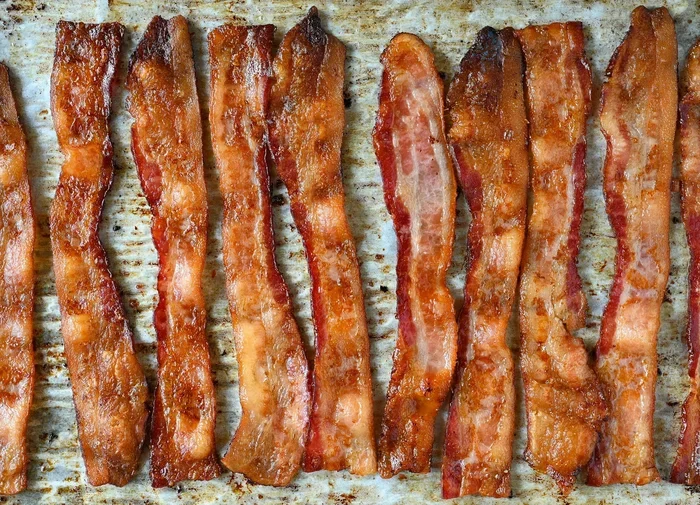
Open the oven and look at the bacon. It should be golden brown and the fat should look rendered and slightly bubbly. If the bacon still looks pale or floppy, give it a few more minutes.
Keep in mind that oven-baked bacon continues to crisp as it cools. So pull it off the pan a minute or two before it looks perfectly done. You can always return it for more time, but you cannot undo overcooked bacon.
Step 6: Drain and Cool
Transfer the cooked bacon to a plate lined with paper towels. The towels absorb excess grease and help the bacon cool to the right texture. Let it rest for a minute or two before serving.
Do not discard the bacon grease! It is liquid gold for cooking. Save it in a jar and use it to fry eggs, roast vegetables, or make cornbread. We will cover storage tips in a later section.
Tips for Getting Extra Crispy Bacon in the Oven
If you love your bacon crispy and want to push your results to the next level, these tips will help you get there.
Use a wire rack over a baking sheet. Elevating the bacon on a rack allows hot air to reach the underside of each strip. The fat drips through the rack and away from the meat, producing a crispier texture all around. This is the secret weapon of many oven-baked bacon enthusiasts.
Soak the bacon in cold water first. This sounds unusual, but it works wonders. Soaking thin-cut bacon in cold water for 10 to 15 minutes before baking reduces shrinkage and helps the bacon cook more evenly. The water renders out some of the surface salt, which prevents the edges from burning too quickly.
Pat the bacon dry before baking. Excess moisture on the surface of the bacon creates steam in the oven, which interferes with crisping. A quick pat with paper towels removes surface moisture and helps the bacon brown faster.
Do not crowd the pan. This cannot be stressed enough. Overcrowding traps steam and leads to soggy bacon. Give each strip plenty of room. If you need to cook a large batch, use multiple pans and rotate them in the oven.
Add a pinch of brown sugar or black pepper. While plain baked bacon is delicious on its own, a light sprinkle of brown sugar before baking creates a sweet, caramelized crust. A crack of black pepper adds a subtle heat that pairs beautifully with the smoky flavor of the bacon.
Quick Tips for Bacon Beginners
- Always preheat the oven before placing the bacon inside.
- Use parchment paper to prevent sticking and ease cleanup.
- Check the bacon a few minutes before the minimum cook time.
- Remember that bacon continues to crisp as it cools on the paper towel.
- Save the grease in a sealed jar in the refrigerator for up to three months.
Common Mistakes to Avoid When Baking Bacon
Even with a simple recipe like oven-baked bacon, mistakes can happen. Avoiding these common errors will save you from burnt, undercooked, or greasy results.
Skipping the parchment paper or foil lining. This is the number one mistake people make. Without a liner, the bacon grease bonds to the pan and creates a stubborn mess. Parchment paper is cheap and effective. Do not skip it.
Overlapping the bacon strips. When strips overlap, the top pieces steam instead of bake. This leads to uneven cooking and floppy textures. Always lay the bacon in a single layer with space between each strip.
Using the wrong oven temperature. Baking at too low a temperature causes the bacon to dry out before the fat renders properly. Baking at too high a temperature burns the edges while the center stays undercooked. Stick to the recommended 400°F for best results.
Not monitoring the bacon near the end of cooking. Ovens vary, and bacon can go from perfectly done to burnt very quickly in the last few minutes. Stay nearby during the final minutes of baking, especially if you are using a higher temperature.
Forgetting that the bacon keeps cooking after removal. The residual heat in the bacon and the hot pan continue to cook the strips even after you take them out of the oven. Pulling the bacon off a minute early prevents overcooking.
Using a pan without a rim. A flat sheet pan without a rim allows bacon grease to spill into the bottom of your oven. This creates a fire hazard and a difficult cleaning job. Always use a rimmed baking sheet to contain the grease safely.
What About Grease Fires?
While rare, grease fires can happen when bacon grease overheats. This is more of a risk when cooking on the stovetop, but it can occur in the oven too. Never leave bacon unattended for long periods, especially at higher temperatures. Keep a lid nearby in case of minor flare-ups, and never use water to extinguish a grease fire.
Storing Bacon and Using Leftover Bacon Grease
One of the joys of baking bacon in the oven is the ability to cook a large batch at once. But what do you do with the leftovers? Proper storage keeps your bacon fresh and your bacon grease useful.
Storing cooked bacon: Let the bacon cool completely, then place it in an airtight container or zip-lock bag. Refrigerated cooked bacon stays fresh for up to five days. You can also freeze cooked bacon for up to three months. Reheat it in the oven at 350°F for 5 to 7 minutes to restore its crispiness.
Storing bacon grease: Pour the cooled grease through a fine mesh strainer into a glass jar. The strainer catches any bacon bits. Store the jar in the refrigerator for up to three months. Bacon grease is fantastic for cooking eggs, sautéing vegetables, making gravy, or seasoning cast iron cookware.
Using leftover grease is one of the easiest ways to add deep, savory flavor to everyday dishes. A spoonful of bacon grease transforms simple scrambled eggs into something extraordinary. It also works beautifully for roasting potatoes or making cornbread on the stovetop.
Can You Reheat Bacon?
Yes, and the oven is the best way to do it. Spread the leftover bacon on a baking sheet and warm it at 350°F for 5 to 7 minutes. This restores the crispiness without making the bacon rubbery or tough. Avoid reheating bacon in the microwave, as it tends to make the strips chewy and uneven.
Frequently Asked Questions
Can you put raw bacon directly in the oven?
Yes, absolutely. Raw bacon goes straight from the package onto the lined baking sheet. There is no need to pre-cook or rinse it first. The oven heat cooks the bacon thoroughly and safely, rendering the fat and killing any bacteria. Just make sure your oven reaches at least 350°F, as this ensures the bacon cooks to a safe internal temperature.
Is it better to cook bacon at 350 or 400 degrees?
Most experts recommend 400°F for the best balance of crispiness and cook time. At 400°F, the bacon renders fat quickly and develops a satisfying crunch. Cooking at 350°F takes longer and produces a slightly chewier texture. If you prefer crispy bacon, go with 400°F. If you like it a bit more tender, 350°F works well too.
How do you know when oven bacon is done?
Look for a deep golden brown color and visible rendering of the fat. The bacon should look slightly shrunken and the edges should be firm to the touch. Remember that oven-baked bacon continues to crisp as it cools, so pull it off the pan just before it looks completely done. If you like it extra crispy, bake it one to two minutes longer.
Do you need to flip bacon when baking it in the oven?
No, flipping is not necessary when baking bacon in the oven. The hot air circulates evenly around the strips, cooking both sides uniformly. This is one of the biggest advantages of the bacon oven method compared to stovetop cooking. Simply lay the strips in a single layer and let the oven do all the work.
Can you cook thick-cut bacon in the oven?
Yes, thick-cut bacon works great in the oven but requires a longer cook time. At 400°F, plan for 20 to 25 minutes. You may want to check the bacon starting at 18 minutes, as oven temperatures can vary. Thick-cut bacon benefits from a wire rack setup, which helps the fat render evenly and prevents the bottom from getting soggy.
What is the best way to line a baking sheet for bacon?
Parchment paper is the top choice for lining a baking sheet when making oven-baked crispy bacon. It prevents sticking, makes cleanup easy, and handles high oven temperatures without burning. Aluminum foil also works well but can cause the bacon to stick in spots. Avoid using wax paper, as it is not heat-resistant and can catch fire in the oven.
Conclusion
How long to cook raw bacon in oven is a question with a wonderfully simple answer. Most batches finish in 15 to 25 minutes at 400°F, depending on the thickness and your personal preference for crispness. The oven bacon method is easy, reliable, and produces consistently delicious results.
By following the steps outlined in this guide, you can bake perfect bacon every single time. Line your pan, set the temperature, and let the oven work its magic. The hands-off nature of this method means you can prepare the rest of your breakfast while the bacon bakes.
Remember the key factors that make a difference. Choose the right thickness for your needs. Use parchment paper for easy cleanup. Check the bacon a few minutes before the minimum time, since ovens vary. And always save that delicious bacon grease for future cooking adventures.
Oven-baked bacon is one of those simple kitchen skills that elevates your entire breakfast experience. Once you master the timing and temperature, you will never go back to stovetop cooking. So preheat that oven, lay out your strips, and enjoy the incredible aroma of perfectly crispy bacon filling your kitchen.