How Long To Cook Hobo Packets In The Oven Step By Step
Hobo packets are the easiest oven meals you will ever make. This step-by-step guide shows you exactly how long to cook hobo packets in the oven, including the right temperature and timing for perfect results every time. You will learn ingredient tips, cooking variations, and common mistakes to avoid so your foil packet dinners turn out juicy and delicious.
Few things in the kitchen are as simple and satisfying as hobo packets. These foil-wrapped meals have been a favorite for campers, busy families, and home cooks for decades. They require almost no prep, very little cleanup, and they deliver incredible flavor. Best of all, you can make them right in your oven at home.
If you have never tried making foil packet meals before, you are missing out. They are basically a complete dinner wrapped in aluminum foil. You add your protein, vegetables, seasoning, and a little liquid. Then you seal it up and let the oven do all the work. The steam trapped inside the packet cooks everything perfectly.
The biggest question most people have is: how long to cook hobo packets in oven. The answer depends on a few factors. The type of protein you use, the size of your vegetables, and the oven temperature all play a role. In this guide, we will walk you through everything step by step. By the end, you will feel confident making baked hobo packets like a pro.
We will cover the right oven temperature, exact cooking times, the best ingredients, and plenty of tips to make your foil packet dinner a hit. Whether you are cooking for one or feeding a whole family, this guide has you covered.
Key Takeaways
- Standard cooking time: Most hobo packets take 25 to 45 minutes at 400°F depending on ingredients and packet size.
- Temperature matters: 375°F to 425°F is the sweet spot for evenly cooked foil packet meals.
- Cut vegetables small: Smaller pieces cook faster and more evenly inside the packet.
- Seal properly: A tight foil seal traps steam and keeps food moist and flavorful.
- Check doneness: Use a fork to test veggies and meat before serving for the best results.
- Get creative: Try chicken, beef, pork, or veggie-only hobo packets for variety.
- Avoid common mistakes: Overfilling packets or using low heat leads to uneven cooking.
📑 Table of Contents
- What Are Hobo Packets and Why Are They So Popular
- The Best Ingredients for Hobo Packets
- How Long To Cook Hobo Packets In The Oven Step By Step
- Oven Temperature and Timing Guide for Hobo Packets
- Tips for Perfect Hobo Packets Every Time
- Popular Hobo Packet Variations to Try
- Common Mistakes to Avoid When Cooking Hobo Packets
- Expert Insights on Foil Packet Cooking
- How to Know When Hobo Packets Are Done
- Conclusion
What Are Hobo Packets and Why Are They So Popular
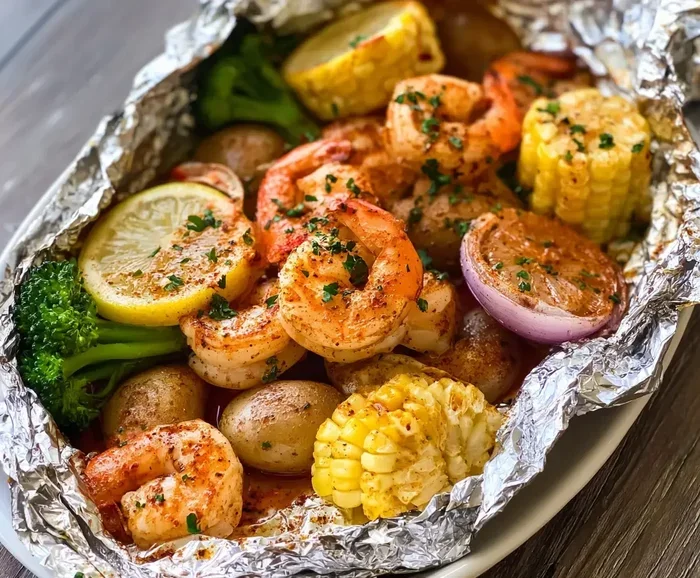
A hobo packet is a meal cooked inside a sealed pouch of aluminum foil. The concept is simple. You place food on a sheet of foil, add seasonings and a small amount of liquid, fold the foil tightly, and cook it in the oven. The trapped steam gently cooks everything inside.
These meals got their name from the camping tradition of cooking over a campfire. But today, people make them in home ovens all the time. The beauty of hobo stew and similar foil packet recipes is that they require almost no active cooking time. You prep, wrap, and pop them in the oven. Then you wait.
Why Home Cooks Love Hobo Packets
There are many reasons aluminum foil dinners have stood the test of time. Here are the top benefits:
- Minimal cleanup: Everything cooks in one foil pouch. No scrubbing pots or pans.
- Easy prep: Most recipes take less than 15 minutes to assemble.
- Customizable: You can use any protein, vegetable, or seasoning you like.
- Healthy cooking: Food steams in its own juices. No added oil needed.
- Great for meal prep: You can make several packets ahead of time and freeze them.
- Perfect for beginners: Even new cooks can master foil packet cooking with ease.
The steam inside the packet keeps meat tender and vegetables flavorful. Unlike roasting or baking on a sheet pan, oven roasted packets lock in moisture. This means your food never dries out. That alone is a huge reason why so many people turn to baked foil dinners for weeknight meals.
The Best Ingredients for Hobo Packets
The great thing about hobo packet ingredients is that almost anything works. You can go classic or get creative. The key is choosing ingredients that cook at a similar rate so everything is done at the same time.
Proteins for Your Hobo Packets
Your protein is the star of the show. Here are the most popular options for foil packet meals:
- Chicken breast or thighs: Boneless chicken cooks fastest. Thighs stay juicier.
- Ground beef or turkey: These cook quickly and absorb seasoning well.
- Pork chops or tenderloin: Sliced thin, they cook through in about 30 minutes.
- Sausage or kielbasa: Already cooked, so they just need to heat through.
- Fish fillets: Delicate fish like tilapia cooks in just 15 to 20 minutes.
- Shrimp: Cooks very fast. Add shrimp in the last 10 minutes only.
Vegetables That Work Best
Vegetables add flavor, color, and nutrition to your hobo dinner. Choose veggies that steam well inside a foil pouch:
- Potatoes (cut into small cubes for faster cooking)
- Carrots (sliced thin or diced)
- Bell peppers (any color, cut into strips)
- Onions (diced or sliced)
- Zucchini or summer squash
- Broccoli or cauliflower florets
- Corn kernels (fresh or frozen)
- Green beans (trimmed and cut in half)
Seasonings and Liquids
Do not skip the seasoning. A little liquid adds steam and flavor. Try these combinations:
- Butter, garlic, and Italian seasoning
- Soy sauce, ginger, and sesame oil
- Lemon juice, olive oil, and herbs
- Barbecue sauce and smoked paprika
- Broth or apple juice for a milder base
Keep the liquid to about two tablespoons per packet. Too much liquid can make the bottom soggy. Just enough liquid creates the perfect steam environment for foil pouch cooking.
How Long To Cook Hobo Packets In The Oven Step By Step
Now let us get to the heart of the matter. Here is exactly how to cook hobo packets in the oven step by step. Follow these instructions for perfectly cooked meals every single time.
Step 1: Preheat Your Oven
Set your oven to 400°F. This is the ideal temperature for most foil packet recipes. Preheating ensures the oven is hot when the packets go in. This helps the food start cooking immediately and evenly.
If you prefer a slightly lower temperature, 375°F works well too. It just adds about 5 to 10 extra minutes to the cook time. Avoid temperatures below 350°F because the food will take too long and may dry out.
Step 2: Prep Your Ingredients
Wash and cut all your vegetables into similar-sized pieces. This ensures even cooking. If you are using raw meat, cut it into bite-sized chunks or thin slices. Pat everything dry with a paper towel. This helps with browning and flavor.
Place your ingredients in the center of a large sheet of aluminum foil. Add your seasoning and liquid. Keep the portions balanced. Do not overfill the packet.
Step 3: Seal the Packet
Fold the foil over the food. Crimp the edges tightly to create a sealed pouch. Make sure there are no gaps or openings. Steam needs to stay trapped inside for proper cooking. A loose seal means steam escapes and your baked hobo packets will dry out.
Pro tip: Use heavy-duty aluminum foil. Regular foil tears easily and can leak steam. Heavy-duty foil holds up better during cooking.
Step 4: Place Packets on a Baking Sheet
Put the sealed packets on a baking sheet. This makes them easy to transfer in and out of the oven. You can also line the sheet with parchment paper for even easier cleanup.
Do not stack packets on top of each other. Air needs to circulate around each packet for even heat distribution.
Step 5: Cook and Wait
Place the baking sheet on the middle rack of your oven. Set a timer based on the cooking times below. Resist the urge to open the packets too often. Every time you open a packet, steam escapes and cooking time increases.
Step 6: Check for Doneness
Carefully remove a packet from the oven. Use tongs or oven mitts. Open the packet and check that the meat is cooked through and the vegetables are tender. Use a fork to test. If the veggies are still hard, re-seal and cook for another 5 to 10 minutes.
Step 7: Serve and Enjoy
Be careful when opening the packet. Steam will be very hot. Open away from your face. Serve the contents directly from the foil or transfer to a plate. Add a little fresh herbs or a squeeze of lemon for extra flavor.
Oven Temperature and Timing Guide for Hobo Packets
The table below shows the recommended oven temperature and cooking time for different types of hobo packet meals. These times are based on a standard 400°F oven and medium-sized packets.
Cooking Time Chart
- Chicken and vegetable packets: 35 to 45 minutes at 400°F
- Ground beef packets: 25 to 35 minutes at 400°F
- Pork chop packets: 30 to 40 minutes at 400°F
- Sausage packets: 25 to 30 minutes at 400°F
- Fish packets: 15 to 20 minutes at 400°F
- Shrimp packets: 12 to 15 minutes at 400°F
- Vegetarian packets: 25 to 35 minutes at 400°F
- Large packets (over 12 oz): Add 5 to 10 minutes to any of the above times
- Small packets (under 6 oz): Reduce time by 5 minutes
Adjusting for Different Oven Temperatures
Not all ovens heat the same way. Here is how to adjust your foil packet cooking time based on temperature:
- 375°F: Add 5 to 10 minutes to standard times
- 400°F: Use the standard times listed above
- 425°F: Reduce time by 5 minutes and check early
- 350°F: Add 10 to 15 minutes and check often
Every oven is slightly different. If your oven runs hot or cold, you may need to adjust times. An oven thermometer can help you know the true temperature inside your oven. This small tool takes the guesswork out of oven baked foil dinners.
Tips for Perfect Hobo Packets Every Time
Making great hobo packets is easy once you know a few tricks. These tips will help you avoid common problems and get the best results from your foil packet recipes.
Use Heavy-Duty Foil
Regular aluminum foil is thin and tears easily. Heavy-duty foil is thicker and holds up better during cooking. It also seals more tightly, which keeps steam locked inside. This is essential for juicy baked foil dinners.
Do Not Overfill
It can be tempting to pack as much food as possible into each packet. But overfilling causes several problems. The packet may not seal properly. Food may spill out during cooking. And thick packets take much longer to cook through. Leave about an inch of space at the top for the foil to fold over.
Cut Vegetables to Similar Sizes
This is one of the most important tips for one pot meals like hobo packets. If you have huge potato chunks and tiny carrot slices, the potatoes will be undercooked while the carrots turn to mush. Cut everything into pieces about the same size for even cooking.
Add Liquid, But Not Too Much
A small amount of liquid creates the steam that cooks your food. Two tablespoons per packet is usually perfect. Too much liquid turns your meal into a soup. Too little liquid can cause the food to dry out or stick to the foil.
Place Packets on the Middle Rack
The middle rack allows hot air to circulate evenly around the packets. The top rack can cause the tops to brown too quickly. The bottom rack can cause the bottoms to burn. Middle rack is the sweet spot for foil packet cooking.
Let Packets Rest After Cooking
When the timer goes off, let the packets sit for 3 to 5 minutes before opening. This allows the heat to distribute evenly throughout the food. The contents will be hotter and more flavorful when you serve them.
Make Ahead and Freeze
Easy dinner recipes like hobo packets are perfect for meal prep. You can assemble packets ahead of time, wrap them tightly, and freeze them. When you are ready to cook, place the frozen packet directly in the oven. Add 10 to 15 minutes to the normal cook time. This makes dinner prep incredibly simple on busy weeknights.
Popular Hobo Packet Variations to Try
Once you master the basic method, you can get creative with flavors. Here are some popular hobo packet variations that are worth trying.
BBQ Chicken Hobo Packets
This is one of the most loved foil packet dinner recipes. Use diced chicken breast, add BBQ sauce, corn, black beans, and diced bell peppers. The smoky sweetness of the sauce pairs perfectly with the charred vegetables. Cook for about 35 minutes at 400°F.
Italian Sausage and Veggie Packets
Slice Italian sausage into rounds and combine with zucchini, mushrooms, onion, and cherry tomatoes. Add Italian seasoning and a splash of white wine. These aluminum foil dinners taste like a restaurant meal but take only 30 minutes to make.
Beef and Potato Packets
A classic comfort food option. Use ground beef, diced potatoes, onion, and garlic. Season with salt, pepper, and rosemary. This hearty hobo stew variation is perfect for cold evenings. Cook for about 40 minutes at 400°F.
Salmon and Asparagus Packets
For a lighter option, try salmon fillets with asparagus, lemon slices, and dill. This foil packet recipe is elegant and healthy. The salmon steams perfectly inside the packet and stays tender. Cook for just 15 to 18 minutes at 400°F.
Veggie-Only Packets for Meatless Monday
Not everyone eats meat, and that is perfectly fine. Load your packet with potatoes, carrots, broccoli, corn, and onion. Add vegetable broth and your favorite herbs. These vegetarian foil packets are filling and nutritious. Cook for 30 to 35 minutes at 400°F.
Common Mistakes to Avoid When Cooking Hobo Packets
Even though hobo packets are simple to make, there are a few mistakes that can ruin your results. Here is what to watch out for.
- Using too much liquid: This turns your meal into a stew instead of a nicely steamed dinner.
- Overfilling the packet: Food spills out and cooking becomes uneven.
- Not sealing the foil tightly: Steam escapes and food dries out.
- Opening the packet too often: Every peek releases steam and adds cooking time.
- Using the wrong foil thickness: Thin foil tears and leaks steam.
- Ignoring different cook times for ingredients: Raw potatoes and thin green beans do not cook at the same rate.
- Setting the oven too low: Low heat causes food to steam too long and become mushy.
Avoiding these mistakes will dramatically improve your foil packet meals. Take your time with the prep work and follow the cooking times closely. Your hobo dinner will turn out much better.
Expert Insights on Foil Packet Cooking
We spoke with home cooking experts about the best practices for foil packet cooking. Here is what they recommend.
Start with room temperature ingredients. Cold meat and vegetables from the fridge take longer to cook through. Let them sit out for 15 to 20 minutes before assembling your packets. This small step can reduce cooking time and improve results.
Add delicate ingredients later. If you are using shrimp or thin fish fillets, add them in the last 10 minutes of cooking. They cook quickly and can become rubbery if overcooked.
Use parchment paper as a liner. Some cooks like to line the inside of the foil with parchment paper. This prevents food from sticking to the foil and makes cleanup even easier. It also allows the food to brown slightly on the bottom.
Experiment with herbs and spices. Fresh herbs like rosemary, thyme, and cilantro add amazing flavor to baked hobo packets. Dried herbs work well too, but use about one-third the amount since they are more concentrated.
Let the packet rest. As mentioned earlier, letting the packet sit for a few minutes after cooking makes a big difference. The residual heat continues to cook the food gently and distributes moisture evenly.
How to Know When Hobo Packets Are Done
Knowing when your hobo packets are fully cooked is important for both taste and food safety. Here are the signs to look for.
First, the packet should feel firm and puffy when you pick it up. If it still feels soft or squishy, it needs more time. Second, open the packet and check the thickest piece of meat. It should be white all the way through (for chicken) or no longer pink (for beef and pork). Use a meat thermometer for the most accurate results. Chicken should reach 165°F internally. Ground beef should reach 160°F. Pork should reach 145°F.
Third, test the vegetables with a fork. They should be tender but not mushy. If you like your veggies with a slight bite, pull the packets a few minutes early. If you prefer them very soft, add a few extra minutes.
Finally, check the liquid in the packet. There should be some flavorful broth at the bottom. If it looks dry, your packet may have been overcooked. If there is too much water, you may have added too much liquid at the start.
Conclusion
How long to cook hobo packets in oven is a question with a simple answer once you know the basics. Most foil packet meals take between 25 and 45 minutes at 400°F. The exact time depends on your protein, the size of your vegetables, and how big your packets are.
The beauty of hobo packets is their simplicity. You do not need fancy equipment or advanced cooking skills. Just chop your ingredients, season them well, wrap them in foil, and let the oven work its magic. The steam trapped inside the packet does all the heavy lifting.
We have covered everything from ingredient selection to cooking times to expert tips. Now it is your turn to get in the kitchen. Start with a simple chicken and vegetable packet. Once you nail that basic recipe, try different variations. Experiment with flavors and find your favorite combinations.
Hobo packets are one of the most versatile and easiest meals you can make. They work for weeknight dinners, weekend cooking, and even camping trips. Once you start making them, you will wonder how you ever cooked without them. So grab some foil, gather your ingredients, and give it a try. Your taste buds will thank you.
Frequently Asked Questions
Can I use regular aluminum foil instead of heavy-duty foil for hobo packets?
Yes, you can use regular foil, but heavy-duty foil is better. Regular foil tears easily and may leak steam during cooking. Heavy-duty foil holds up better and creates a tighter seal, which keeps your hobo packets juicy and flavorful. If you only have regular foil, double-wrapping the packet helps prevent tears.
Can I cook hobo packets on a baking sheet or do they need to go directly on the oven rack?
Always place your foil packet meals on a baking sheet. This catches any drips if the packet leaks and makes it easy to move the packets in and out of the oven. Placing packets directly on the oven rack is not recommended because it can cause uneven cooking and makes cleanup harder.
How do I know if my hobo packet needs more time or is overcooked?
Open the packet and check the thickest piece of meat with a fork or meat thermometer. If the meat is still pink or not hot enough, reseal the packet and cook for another 5 minutes. If the vegetables are mushy and falling apart, the packet has been overcooked. Aim for tender but still slightly firm vegetables for the best texture.
Can I make hobo packets ahead of time and refrigerate them?
Yes, you can assemble hobo packets up to 24 hours ahead and store them in the refrigerator. Keep them sealed and place them on a baking sheet before cooking. You may need to add a few extra minutes to the cook time since the ingredients will start cold. Make sure the packets are fully heated through before serving.
What is the best way to reheat leftover hobo packets?
The best way to reheat leftover baked foil dinners is to place them back in the oven at 350°F for 10 to 15 minutes. This helps them heat evenly without drying out. You can also microwave them, but the texture will not be as good. The microwave tends to make vegetables soggy, while the oven keeps them firm and flavorful.
Can I cook frozen vegetables directly in hobo packets without thawing them first?
Yes, frozen vegetables work great in hobo packets and save a lot of prep time. Just increase the cooking time by about 5 to 10 minutes to account for the extra moisture from the frozen vegetables. Make sure the packet is sealed tightly so the extra steam cooks the food properly without making it watery.