How To Bake A Whole Catfish In The Oven The Right Way
Baking a whole catfish in the oven is one of the easiest and most flavorful ways to cook this popular freshwater fish. This guide walks you through every step, from choosing the right fish at the market to pulling a perfectly golden, whole catfish recipe out of your oven. You will learn about the ideal baking catfish temperature, seasoning blends, and tricks that guarantee crispy baked catfish with moist, flaky meat every single time.
Key Takeaways
- Oven temperature matters: Baking at 400°F to 425°F delivers the best crispy catfish skin and evenly cooked flesh.
- Freshness is everything: Always start with a fresh or properly thawed whole catfish for the best flavor and texture.
- Simple seasoning goes a long way: A blend of lemon, herbs, garlic, and butter creates a restaurant-quality seasoned catfish at home.
- Pat dry before baking: Removing excess moisture is the single biggest secret to achieving crispy skin on oven-baked catfish.
- Rest the fish after baking: Letting the whole fish in oven rest for 5 minutes keeps the juices locked in.
- Pair with the right sides: Roasted vegetables, rice, or a fresh salad round out any whole catfish recipe beautifully.
📑 Table of Contents
- Why Baking Whole Catfish In The Oven Is A Great Idea
- What You Need Before You Start
- How To Prep Your Whole Catfish For Baking
- The Best Oven Temperature And Timing
- Seasoning And Flavor Variations For Baked Catfish
- Serving And Storing Your Oven-Baked Catfish
- Comparing Different Baking Methods For Whole Catfish
Why Baking Whole Catfish In The Oven Is A Great Idea
There is something deeply satisfying about putting a whole fish in the oven and walking away. Unlike frying, which requires constant attention and a splatter of hot oil, oven-baked catfish lets you focus on other parts of your meal while the fish does its thing. The result? A beautifully cooked whole fish in oven that looks impressive, tastes incredible, and leaves you with very little cleanup.
Many people hesitate to cook a whole fish. They worry about bones, skin, or the idea that it is too complicated. But here is the truth: baking a whole catfish is one of the simplest methods you will ever use. The oven does most of the work for you. You just need to know a few key steps, and this guide covers every single one of them.
Whole catfish is also incredibly affordable compared to fillets. You get more meat per pound, and the bones add richness to the broth if you enjoy that. Plus, when you serve a whole roasted fish, it makes for a stunning centerpiece on the table. Whether you are cooking for family or impressing guests, oven-roasted catfish always delivers.
The Benefits Of Oven-Baked Catfish Over Other Methods
When you compare whole fish baking to other cooking methods, the advantages become clear. Frying adds a lot of extra fat and calories. Grilling can be tricky with delicate fish like catfish because it may stick or fall apart. Poaching, while gentle, does not give you that satisfying crispy texture. Baking sits right in the sweet spot.
Here is what makes oven-baked catfish stand out:
- Minimal hands-on time. You prep the fish, season it, and let the oven work.
- Even cooking. The heat surrounds the fish on all sides, cooking it uniformly.
- Less mess. No oil splatter, no grease to clean up afterward.
- Healthier results. Baking uses little to no added fat compared to deep frying.
- Easy scaling. You can bake one fish or three with the same method.
What You Need Before You Start
Before you dive into your first whole catfish recipe, make sure you have everything ready. Preparation is the key to success, and having your tools and ingredients measured out saves you stress later. Think of it as setting the stage before the main performance.
Equipment You Will Need
You do not need fancy kitchen gear to bake a whole catfish. A few essentials will do the job perfectly:
- A large baking sheet catfish fits on, preferably with a rim to catch any juices.
- Parchment paper or aluminum foil for easy cleanup.
- A sharp fillet knife or kitchen shears for trimming.
- A small bowl for mixing your catfish seasoning blend.
- A meat thermometer to check the catfish internal temperature.
- Tongs for handling the hot fish when it is done.
Ingredients For A Classic Baked Whole Catfish
The beauty of whole fish baking is that you need very few ingredients. Fresh catfish shines on its own, and a simple seasoning blend lets the natural flavor take center stage. Here is what you will want:
- One fresh whole catfish, about 2 to 3 pounds, cleaned and scaled.
- Two tablespoons of olive oil or melted butter for catfish with butter richness.
- One lemon, sliced into rounds, for a bright catfish with lemon flavor.
- Three cloves of garlic, minced or thinly sliced.
- One teaspoon each of smoked paprika, garlic powder, and onion powder.
- Half a teaspoon of cayenne pepper for a gentle kick.
- Fresh herbs like thyme, parsley, or dill.
- Salt and black pepper to taste.
Choosing The Right Catfish At The Market
Your fresh catfish preparation begins at the store or fish market. Look for a fish with clear, bright eyes and shiny, firm skin. The flesh should spring back when you press it gently. A strong fishy smell is a sign that the fish is not fresh. Instead, you should smell clean, like the ocean or freshwater, not anything sour or ammonia-like.
If you are buying frozen catfish, make sure it has been frozen solid and shows no signs of freezer burn. Thaw it overnight in the refrigerator for the best results. Never thaw fish at room temperature, as this encourages bacteria growth and affects the texture of your oven-baked catfish.
How To Prep Your Whole Catfish For Baking
Prepping your catfish properly makes a huge difference in the final result. This is where the crispy catfish skin magic begins. Taking a few extra minutes here saves you from a disappointing meal later.
Cleaning And Scaling The Fish
If your catfish has not already been cleaned, you need to remove the scales, guts, and gills. Most fish markets will do this for you when you buy the fish. But if you are doing it yourself, hold the fish firmly by the tail and scrape the scales off from tail to head using the back of a knife. Rinse the fish thoroughly under cold water afterward.
Next, use your knife or kitchen shears to cut off the fins. The dorsal fin and the belly fins can be sharp and are not pleasant to eat. Remove them cleanly but carefully. Pat the fish completely dry with paper towels. This step is crucial for getting crispy baked catfish skin.
Scoring The Skin For Better Seasoning
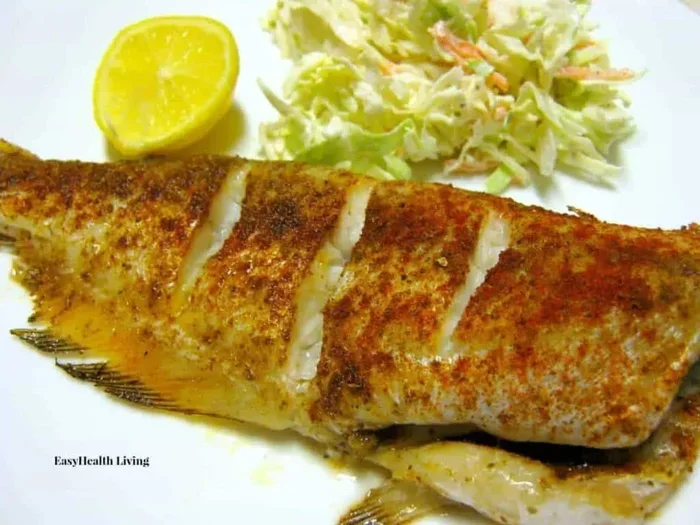
Use the tip of your knife to make shallow diagonal cuts along both sides of the fish. These cuts, called scoring, allow the catfish seasoning to penetrate deeper into the flesh. They also help the heat reach the center of the fish more evenly during whole fish baking. Make the cuts about a quarter-inch deep, spacing them about an inch apart.
Seasoning Techniques That Work
Now comes the fun part. Mix your olive oil or melted butter with the minced garlic, lemon zest, smoked paprika, and all your dry spices. Rub this mixture generously over the entire fish, making sure to get it inside the scoring cuts and into the cavity of the fish.
Stuff the inside of the fish with lemon slices and fresh herbs. This infuses the flesh with flavor from the inside out as it bakes. Place the fish on a lined baking sheet catfish style tray, and you are ready for the oven.
The Best Oven Temperature And Timing
Getting the baking catfish temperature right is the most important factor in your success. Too low, and the skin turns rubbery instead of crispy. Too high, and the outside burns before the inside cooks through. Finding that perfect middle ground is what separates good oven-roasted catfish from great oven-roasted catfish.
Recommended Temperature And Time
Preheat your oven to 425°F. This high heat is ideal for crisping the skin quickly while keeping the inside moist. Place the seasoned fish on the middle rack and bake for about 20 to 25 minutes for a 2 to 3 pound fish.
Here is a quick reference for different fish sizes:
- 1 to 1.5 pounds: 18 to 22 minutes at 425°F.
- 2 to 3 pounds: 22 to 28 minutes at 425°F.
- 3 to 4 pounds: 28 to 35 minutes at 425°F.
The catfish internal temperature should reach 145°F when measured at the thickest part of the flesh, near the backbone. At this temperature, the flesh turns opaque and flakes easily with a fork. Always use a meat thermometer for accuracy, as cooking times can vary based on your specific oven.
How To Tell When Your Baked Catfish Is Done
Beyond the thermometer, there are visual and tactile cues you can use. The skin should be golden brown and slightly bubbled. When you gently press the thickest part of the fish, the flesh should feel firm and spring back. The eyes, if still intact, will turn white and opaque. The fins should pull away easily from the body.
If you are unsure, make a small cut near the backbone. The flesh should be white and flaky, not translucent or mushy. When in doubt, give it a few more minutes. It is always better to slightly overcook than to serve undercooked fish.
Seasoning And Flavor Variations For Baked Catfish
One of the best things about whole catfish recipes is how versatile they are. The basic method works every time, but you can switch up the flavors to match your mood or the occasion. Think of the base recipe as your canvas, and the seasonings as your paint.
Southern Style Baked Catfish
For a taste of the South, mix your seasoning with a generous amount of cornmeal. Press the cornmeal mixture onto the oiled fish before baking. This creates a crunchy, golden crust that is quintessentially Southern. Serve it with collard greens and cornbread for a complete Southern catfish recipe experience.
Mediterranean Herb Catfish
If you prefer lighter, brighter flavors, go Mediterranean. Use olive oil, oregano, rosemary, basil, and plenty of lemon. Add kalamata olives and capers inside the fish cavity before baking. This seasoned catfish variation pairs wonderfully with a crisp white wine and roasted potatoes.
Spicy Cajun Catfish
For those who love heat, a Cajun spice blend is a fantastic choice. Combine cayenne pepper, dried oregano, thyme, black pepper, white pepper, and garlic powder. Rub it generously over the fish with melted butter. The spicy crispy baked catfish skin pairs perfectly with rice and beans or a cool coleslaw to balance the heat.
Asian-Inspired Baked Catfish
Try a soy sauce, ginger, and sesame oil marinade for an Asian twist. Add sliced scallions and a drizzle of honey before baking. Top with toasted sesame seeds right after the fish comes out of the oven. This whole catfish recipe variation works beautifully with steamed jasmine rice and stir-fried vegetables.
Serving And Storing Your Oven-Baked Catfish
Your whole catfish recipe is done, and the kitchen smells amazing. Now comes the rewarding part: serving it up and enjoying every bite. But there are a few things you should know about presenting and storing your oven-baked catfish to get the most out of it.
How To Serve Whole Baked Catfish
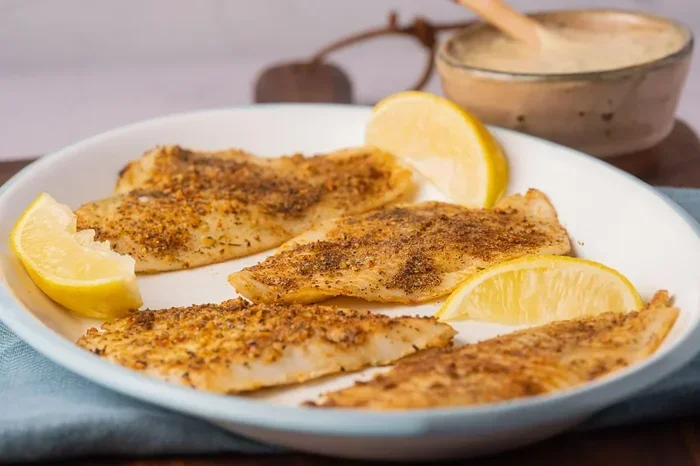
Place the whole fish on a large serving platter. Garnish with fresh lemon wedges, herb sprigs, and a drizzle of good olive oil. Serve it family-style with large forks and knives so everyone can dig in. This is the most communal and fun way to eat a roasted fish.
Pair your oven-roasted catfish with complementary catfish side dishes like roasted asparagus, garlic mashed potatoes, a fresh tomato salad, or crusty bread to soak up the juices. A light, crisp green salad balances the richness of the fish perfectly.
Storing Leftover Baked Catfish
Leftover whole fish baking keeps well in the refrigerator for up to three days. Store it in an airtight container. When you are ready to eat it, reheat gently in the oven at 300°F for about 10 minutes. Avoid microwaving, as it tends to make the skin soggy and the flesh rubbery.
If you have a lot of leftover fish, flake it into salads, tacos, or pasta dishes. Crispy baked catfish makes an excellent protein topping for grain bowls or a flavorful addition to fish soup.
Common Mistakes To Avoid When Baking Whole Catfish
Even with the best recipe, mistakes can happen. Here are a few pitfalls to watch out for:
- Skipping the drying step. Moisture is the enemy of crispy skin. Always pat the fish completely dry before seasoning.
- Using too much seasoning. A little goes a long way. Over-seasoning can mask the delicate flavor of the catfish.
- Opening the oven door too often. Every time you open the door, heat escapes, and your cooking time increases. Trust the process and resist the urge to peek.
- Not letting the fish rest. Just like with other meats, letting the baked catfish rest for 5 minutes before cutting helps the juices redistribute.
- Ignoring the internal temperature. The visual cues are helpful, but a meat thermometer takes the guesswork out completely.
Comparing Different Baking Methods For Whole Catfish
Not all whole fish baking methods are created equal. Depending on your oven, your preferences, and the results you want, one approach might work better for you than another. Here is a comparison of the most popular techniques for whole catfish in oven cooking.
| Method | Skin Result | Ease of Prep | Best For |
|---|---|---|---|
| Foil-Wrapped Baking | Steamed, soft | Very easy | Beginners, moist results |
| Parchment Paper Baking | Semi-crispy | Easy | Moderate crispiness |
| Open Pan Baking | Fully crispy | Moderate | Best texture and flavor |
| Wire Rack Over Pan | Ultra crispy | Moderate | Advanced, even browning |
For the best crispy catfish skin, the open pan method on a lined baking sheet is your go-to. It allows hot air to circulate around the entire fish, crisping the skin evenly. If you are a beginner, start with the parchment paper method for a forgiving, low-risk approach to whole catfish in oven cooking.
Final Thoughts On Baking Whole Catfish
Baking a whole catfish in the oven is a skill that anyone can learn. It is forgiving, rewarding, and incredibly delicious. Once you master the basic method, you can experiment with flavors, seasonings, and serving styles to make every whole catfish recipe feel new and exciting.
The key is to start simple. Get comfortable with the basic oven temperature, timing, and seasoning. Once you feel confident, start playing with different herb blends, spice rubs, and side dish pairings. Before long, baking a whole catfish will feel as natural as roasting a chicken.
Remember that the best oven-baked catfish comes from quality ingredients and a little patience. Do not rush the prep work, do not skip the drying step, and always use a thermometer to check doneness. Follow these principles, and you will serve up crispy baked catfish that rivals anything from a restaurant kitchen.
So the next time you are at the fish market, grab a whole catfish and bring it home. With this guide in hand, you have everything you need to create a memorable, mouthwatering meal. Your oven is ready, your seasoning is mixed, and your taste buds are in for a treat. Happy baking.
Frequently Asked Questions
How long does it take to bake a whole catfish in the oven?
A 2 to 3 pound whole catfish typically bakes at 425°F for 22 to 28 minutes. Smaller fish take less time, while larger ones may need up to 35 minutes. Always use a meat thermometer to confirm the internal temperature reaches 145°F at the thickest part of the fish.
Should I cover whole catfish with foil when baking?
Covering with foil steams the fish and keeps it moist, but it prevents the skin from crisping. For the best texture and crispy baked catfish skin, bake uncovered. If you find the skin browning too quickly, you can loosely tent the fish with foil for the last few minutes.
What is the best temperature to bake whole catfish?
425°F is the ideal baking catfish temperature for achieving crispy skin and evenly cooked flesh. This high heat sears the outside quickly while allowing the inside to cook through gently. Some recipes use 400°F for slightly longer, more gentle cooking, but 425°F delivers the best results for most home ovens.
Do I need to scale a whole catfish before baking?
Yes, scaling is recommended for the best eating experience. Most fish markets scale the fish for you when you purchase it. If you are doing it yourself, scrape the scales from tail to head under cold running water. Removing scales ensures a cleaner, more pleasant texture when you serve your whole catfish recipe.
Can I bake a frozen whole catfish directly in the oven?
It is not recommended. Baking a frozen fish leads to uneven cooking, with the outside overcooking while the center remains frozen. Always thaw your catfish overnight in the refrigerator before baking. This ensures even catfish cooking time and better flavor throughout the fish.
What are the best side dishes to serve with baked whole catfish?
Catfish side dishes that pair well include roasted vegetables like asparagus or Brussels sprouts, garlic mashed potatoes, a fresh tomato and cucumber salad, crusty bread, or rice pilaf. For a Southern twist, serve with collard greens and cornbread. The light, flaky texture of oven-baked catfish complements a wide variety of sides.
=== CONCLUSION ===
Baking a whole catfish in the oven is one of the most rewarding and straightforward cooking methods you can master. From choosing the freshest fish at the market to pulling out a golden, crispy catfish skin masterpiece, every step is simple and satisfying. With the right baking catfish temperature, a well-balanced catfish seasoning blend, and a little patience, you will serve up crispy baked catfish that everyone at the table will love.
Remember the key principles: dry the fish thoroughly, season generously but thoughtfully, bake at 425°F, and always check the catfish internal temperature. These small habits make a massive difference in your final result. Whether you stick with a classic Southern catfish recipe or experiment with Mediterranean or Asian flavors, the foundation remains the same.
Now that you know how to bake a whole catfish in the oven the right way, it is time to put your knowledge into action. Grab a fresh catfish, fire up your oven, and enjoy the process. Good cooking is about confidence, and this guide gives you everything you need to succeed. Happy baking, and enjoy every delicious bite of your oven-roasted catfish!