How Long To Broil Flounder Fillets In The Oven Perfectly
Broiling flounder fillets in the oven is a quick, healthy way to enjoy this delicate fish. How Long To Broil Flounder Fillets In Oven depends on thickness, but most thin fillets need just 5–8 minutes under high heat. Learn the exact broiling times, temperatures, and pro tips for a perfectly flaky, golden result every time.
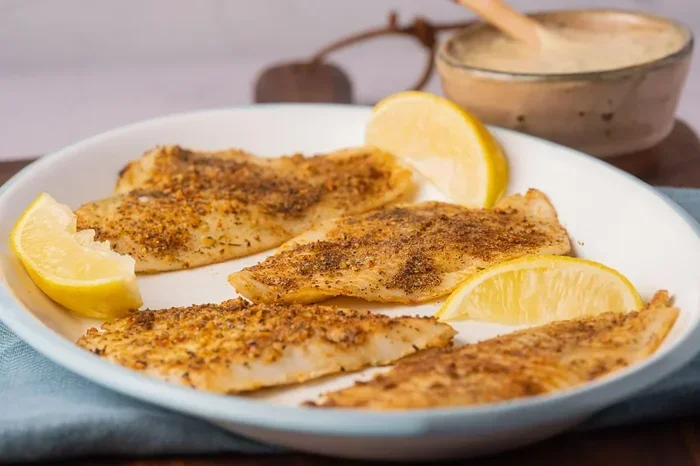
Broiling flounder fillets in the oven is one of the easiest ways to cook a delicious, healthy meal. How Long To Broil Flounder Fillets In Oven is a question many home cooks ask because this delicate white fish can dry out quickly if you’re not careful. The good news is that with the right setup and timing, you get a perfectly flaky, golden result in just minutes. Flounder is a mild, versatile fish that takes on seasoning beautifully, making it a favorite for quick weeknight dinners.
Whether you have fresh fillets from the market or frozen ones from the freezer, broiling works wonders. The high, direct heat from the oven broiler creates a slightly crispy exterior while keeping the inside tender and moist. I’ll walk you through the exact broiling times, oven setup, and simple steps to avoid common mistakes. By the end, you’ll feel confident cooking flounder fillets like a pro.
The secret to great broiled flounder lies in preparation and attention. Thin fillets cook very fast, so knowing the right time makes all the difference. I’ll share a clear broiling time chart, expert tips, and flavor ideas that turn this simple fish into a restaurant-quality dish. Let’s dive in and make your next flounder fillet unforgettable.
Key Takeaways
- Thin fillets cook fast: Most flounder fillets under ½ inch thick need only 5–7 minutes on high broil.
- Preheat the broiler first: A fully heated broiler ensures a crispy top without overcooking the fish.
- Use a broiler pan or foil-lined sheet: This prevents sticking and allows fat to drip away for a cleaner finish.
- Check internal temperature: The fish is done at 145°F (63°C). A quick-read thermometer removes guesswork.
- Fresh and frozen work: Thaw frozen fillets completely and pat dry for the same great results.
- Season lightly: Delicate flounder absorbs bold flavors, so simple lemon butter or herbs keep it moist.
- Watch closely: Broiling happens fast. Set a timer and stay near the oven to avoid drying out the fillets.
📑 Table of Contents
How Long To Broil Flounder Fillets In Oven: The Exact Times
The broiling time for flounder fillets depends mainly on thickness. Thinner fillets need less time, while thicker pieces require a few extra minutes. Most flounder fillets sold in stores are about ¼ to ½ inch thick, which makes them perfect for broiling. The high heat of the broiler cooks fish quickly, so timing is everything.
Here’s a simple rule of thumb: for a standard ¼-inch thick fillet, broil for 4–5 minutes. A ½-inch thick fillet needs 6–8 minutes. If the fillet is close to ¾ inch, go for 8–10 minutes. Always start checking early because broilers vary in intensity. The fish is done when it turns opaque and flakes easily with a fork.
Thickness Matters Most
Flounder fillets come in different sizes, and thickness is the single biggest factor in broiling time. A paper-thin fillet will dry out in just a few minutes, while a thicker cut needs more time to cook through without burning the top. I always measure the thickest part of the fillet with a ruler or simply eyeball it against a coin.
If you have uneven thickness, you can fold the thin end under to create an even profile. This helps the fillet cook at a uniform rate. Another trick is to pound the fillet gently with a mallet to an even ¼-inch thickness. This works great for frozen fillets that have thawed unevenly.
Frozen Vs Fresh Flounder: Does It Change The Time?
Fresh and frozen flounder fillets both broil beautifully, but frozen fillets need extra prep. You must thaw them completely in the refrigerator overnight, then pat them very dry with paper towels. Any surface ice or moisture will steam the fish instead of broiling it, leading to a soggy texture.
Once thawed and dried, frozen flounder fillets cook at the same rate as fresh ones. The key is to make sure the fillet is dry and evenly shaped. I never broil a fillet straight from the freezer because the outside will burn before the inside cooks. Always thaw first, then follow the times based on thickness.
Broiling Time Chart For Flounder Fillets
Use this quick reference chart to find the right broiling time for your flounder fillets. Remember that these times assume a standard home broiler on high heat, with the rack positioned 4–6 inches from the heating element.
| Fillet Thickness | Fresh Or Thawed | Broiling Time (High Heat) | Internal Temp Goal |
|---|---|---|---|
| ¼ inch (thin) | Fresh or thawed | 4–5 minutes | 145°F (63°C) |
| ½ inch (medium) | Fresh or thawed | 6–8 minutes | 145°F (63°C) |
| ¾ inch (thick) | Fresh or thawed | 9–11 minutes | 145°F (63°C) |
| 1 inch (extra thick) | Fresh or thawed | 12–14 minutes | 145°F (63°C) |
| Any thickness (frozen, unthawed) | Not recommended | N/A | N/A |
Always use a meat thermometer to check the thickest part of the fillet. The fish should reach 145°F (63°C) and appear opaque throughout. If the top is browning too fast, you can move the pan to a lower rack or loosely tent it with foil for the remaining time.
The Perfect Oven Setup For Broiling Fish
Setting up your oven correctly is just as important as timing. A proper setup ensures even browning and prevents the delicate flounder from sticking or drying out. I’ll walk you through rack position, preheating, and pan choices so you get consistent results every time.
Position The Rack Correctly
Place the oven rack about 4–6 inches below the broiler element. This distance gives you enough space for the top to crisp without burning. If the rack is too close, the fish will char quickly. Too far, and you’ll get a pale, steamed top instead of a golden finish.
Most ovens have a broiler drawer or a top heating element. For the best broiling method, position the rack in the upper third of the oven. This works for both gas and electric broilers. I always preheat the broiler for at least 5 minutes before the fish goes in. A hot broiler is essential for that perfect sear.
Preheat The Broiler Properly
Preheating the broiler is a step many people skip. Just like preheating a skillet, you need a fully heated broiler to cook the fish evenly. Turn the broiler on high and let it run for 5–10 minutes. Some ovens have an indicator light that turns off when it’s ready, but I like to wait an extra couple of minutes for steady heat.
While the broiler heats, I prepare the flounder fillets and the pan. This way, the moment the broiler is ready, the fish goes straight in. A hot pan on a hot broiler creates that satisfying sizzle and helps the fish release easily.
Use The Right Pan And Lining
Choose a broiler-safe pan. A metal broiler pan with a slotted top is ideal because it lets fat drip away and air circulate under the fillet. If you don’t have one, a rimmed sheet pan lined with aluminum foil or parchment paper works perfectly.
I like to lightly grease the foil or parchment with a thin layer of olive oil. This prevents the delicate fish from sticking. Never use a dark, nonstick pan under the broiler because dark surfaces absorb more heat and can burn the fish. A light-colored, shiny pan reflects heat and cooks more gently.
Step-By-Step Guide To Broiling Flounder
Follow these simple steps for foolproof broiled flounder every time. The process is quick, so having everything ready before you turn on the broiler is key.
Prep The Fillets
Start with thawed, patted-dry fillets. Remove any pin bones with tweezers. If the fillet has skin, you can leave it on for extra protection or remove it for a crispier texture. I usually leave the skin on because it helps the fillet hold its shape during broiling.
Place the fillets in a single layer on the prepared pan. If the fillets are very thin, you can fold them slightly to create a more even thickness. Make sure there’s space between each fillet so hot air circulates freely. Crowding the pan leads to uneven cooking.
Season Simply But Flavorfully
Delicate flounder doesn’t need heavy seasoning. A light brush of olive oil, a sprinkle of salt and pepper, and a squeeze of lemon juice is all you need. For extra flavor, add minced garlic, fresh herbs like dill or parsley, or a tiny pinch of paprika.
I like to mix a quick lemon butter sauce and brush it on just before broiling. The butter browns beautifully and adds richness. Keep the seasoning light so it complements the mild flavor of the fish rather than overpowering it. A little goes a long way with this white fish.
Broil And Monitor Closely
Slide the pan onto the top oven rack under the preheated broiler. Set a timer for the minimum time based on thickness. For a ¼-inch fillet, start checking at 3 minutes. The fish will change from translucent to opaque as it cooks. Use a spatula to gently peek at the bottom.
If the top isn’t browning fast enough, you can move the rack closer to the broiler for the last minute. But stay right next to the oven. Broiling happens fast, and a few extra seconds can turn perfectly cooked fish into dry, overdone fillets. The goal is a golden, slightly crispy top with a moist, flaky interior.
Common Mistakes That Ruin Broiled Flounder
Even with a good recipe, small mistakes can lead to dry, tough fish. I’ve learned these the hard way, so here’s what to avoid for the best results.
Overcooking The Fish
The biggest mistake is leaving the fillets in the oven too long. Flounder is a lean, delicate fish with very little fat. It dries out quickly once it passes the ideal internal temperature. I always pull the fish out when it just reaches 145°F (63°C) and let carryover heat finish the job. The fillet will continue to cook slightly on the hot pan after you take it out.
Another sign of overcooking is a chalky, white texture instead of a soft, flaky one. If the fish resists flaking or looks dry, it’s been in too long. Trust your timer and thermometer, and don’t walk away from the oven while the fish is broiling.
Skipping The Preheat
Putting flounder under a cold broiler wastes time and gives uneven results. The fish starts to steam instead of sear, leading to a pale, rubbery texture. Always preheat the broiler for at least 5 minutes. I wait for the element to glow red and the oven to feel hot when I open the door briefly.
A preheated broiler also means the cooking clock starts the moment the fish goes in. You get a consistent, high-heat blast from the start, which is exactly what delicate fillets need. Skipping this step is the easiest way to end up with a disappointing, unevenly cooked piece of fish.
Using A Dark Or Crowded Pan
A dark pan absorbs too much radiation heat and can scorch the bottom of the fish. Stick to light-colored, shiny pans or a proper broiler pan. Also, never crowd the pan. Each fillet needs space to allow hot air to flow around it. Overcrowding creates steam pockets that prevent browning and lead to uneven cooking.
If you’re cooking multiple fillets, use two sheet pans and rotate them halfway through. This ensures every piece gets direct exposure to the broiler heat. A little extra dishwashing is worth perfectly crisp, golden fillets.
Flavor Variations And Serving Ideas
Broiled flounder is delicious on its own, but a few simple additions can turn it into a memorable meal. Here are some of my favorite flavor twists and serving suggestions.
Lemon Butter Sauce
Melt 2 tablespoons of butter in a small pan, then stir in the juice of half a lemon and a pinch of salt. Brush this mixture over the fillets right before they go under the broiler. The butter browns and creates a nutty, crispy coating. Add a clove of minced garlic for extra depth. This sauce works beautifully with any broiled white fish.
Herb Crust
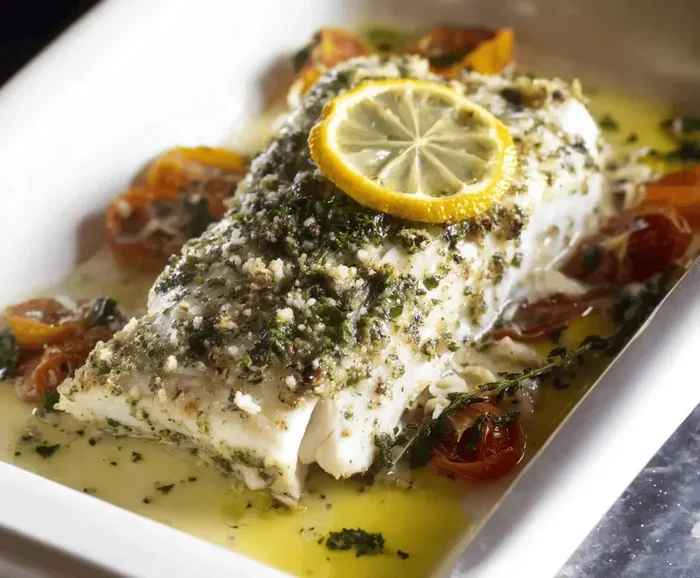
Mix chopped fresh parsley, dill, and chives with a little olive oil and a sprinkle of breadcrumbs. Spread this mixture over the fillets after brushing them with oil. The herbs crisp up under the broiler and add a fresh, aromatic layer. This is a great way to use up fresh herbs from the garden or windowsill.
Best Side Dishes To Serve
Broiled flounder pairs well with light, fresh sides. A simple lemon rice, roasted asparagus, or a mixed green salad with a vinaigrette dressing complements the delicate fish without overwhelming it. For a heartier meal, serve it with roasted cherry tomatoes and a crusty piece of whole-grain bread to soak up any remaining lemon butter sauce.
Expert Tips For Perfect Broiled Flounder Every Time
I’ve broiled countless fillets over the years, and a few extra tips make a huge difference. Here’s what I’ve learned that takes your broiling from good to great.
- Bring the fish to room temperature: Take the fillets out of the fridge 10–15 minutes before broiling. Cold fish in a hot oven cooks unevenly, with a cold center and overcooked edges.
- Use a fish spatula: A thin, flexible fish spatula slides under delicate fillets without breaking them. It makes flipping or transferring the fish much easier.
- Baste halfway through: If you’re using a sauce or butter, open the oven and brush it on at the halfway point. This adds flavor and helps the top brown evenly.
- Don’t skip the rest: Let the fillets rest on the pan for 1–2 minutes after removing them from the oven. The residual heat finishes cooking, and the juices redistribute for a moist bite.
- Clean the broiler pan right away: Soak the pan in hot water with a bit of dish soap to remove stuck-on fish bits. A clean pan prevents sticking next time.
With these steps, you’ll have restaurant-quality broiled flounder that’s moist, flaky, and full of flavor. The process is simple, fast, and requires very little cleanup. Once you master the basic timing and oven setup, you can experiment with different seasonings and sauces. Flounder is a forgiving fish that rewards a little attention with a delicious, healthy meal.
Remember, how long to broil flounder fillets in oven comes down to thickness and your specific broiler. Start with the recommended times, use a thermometer, and adjust based on your oven’s hot spots. Soon, broiling flounder will become one of your go-to weeknight dinners. Enjoy the process, and don’t be afraid to get creative with flavors.
Frequently Asked Questions
Can I broil frozen flounder fillets directly?
No, always thaw frozen flounder completely in the refrigerator first. Broiling a frozen fillet causes the outside to burn before the inside cooks through. Once thawed, pat the fillet dry and follow the same broiling times as fresh fish based on thickness.
What temperature should I set my oven broiler to?
Use the high broil setting on your oven. Most ovens run between 500°F and 550°F (260°C–290°C) on high. This intense heat quickly sears the top of the fish while keeping the inside moist. Position the rack 4–6 inches from the heating element for the best results.
How do I know when broiled flounder is done?
The fish is done when it reaches an internal temperature of 145°F (63°C) and turns opaque white with a flaky texture. Use a quick-read thermometer inserted into the thickest part. If you don’t have a thermometer, gently press the center with a fork; it should flake easily and look uniformly cooked.
Should I cover flounder with foil while broiling?
Generally, no. Leaving the fillet uncovered allows the top to brown and crisp under the direct heat. However, if the top is browning too fast before the inside is done, you can loosely tent the fillet with a piece of foil for the remaining time. This slows the browning without steaming the fish.
Can I broil flounder with the skin on?
Yes, leaving the skin on helps protect the fillet and holds its shape during broiling. The skin also adds a slight crispiness. If you prefer skinless fillets, they work fine too, but they may dry out a bit faster, so watch the time closely.
What is the best way to season broiled flounder?
Keep it simple to let the mild flavor shine. A light coating of olive oil, salt, pepper, and fresh lemon juice is classic. You can also add minced garlic, fresh herbs like dill or parsley, or a drizzle of lemon butter sauce just before broiling. Avoid heavy spices that can mask the delicate taste of the fish.