How To Tell If Salmon Is Cooked In Oven The Easy Way
Knowing how to tell if salmon is cooked in oven is the skill that transforms a good dinner into a great one. You can use visual cues, touch tests, and a meat thermometer to check doneness every time. This guide walks you through every method so you never overcook or undercook your salmon again.
There is nothing quite like the smell of baked salmon filling your kitchen. It is one of those meals that feels both healthy and indulgent at the same time. But here is the tricky part: salmon can go from perfectly juicy to dry and chalky in a matter of minutes. If you have ever wondered how to tell if salmon is cooked in oven without cutting it open and watching the juices run out, you are in the right place.
This guide breaks down every reliable method for checking salmon doneness. Whether you are a beginner in the kitchen or someone who just wants to nail your oven-baked salmon recipe every single time, these tips will help you cook perfect salmon fillets with confidence. We will cover visual cues, touch tests, thermometer readings, and common mistakes to avoid.
By the end of this article, you will never second-guess your salmon cooking time again. Let us get into it.
Key Takeaways
- Color Check: Look for opaque pink or coral flesh that flakes easily with a fork.
- Internal Temperature: The USDA recommends 145°F (63°C) at the thickest part of the fillet.
- Touch Test: Gently press the center; it should feel firm but still slightly springy.
- Oven Temperature Matters: Baking at 400°F to 425°F gives the best results for most salmon cuts.
- Avoid Overcooking: Pull salmon off the heat a few degrees early; carryover cooking finishes the job.
- Skin Side Down: Always place salmon skin-side down for crispy skin and even cooking.
- Resting Time: Let salmon rest for 3 to 5 minutes after baking for juicier results.
📑 Table of Contents
- Why Knowing When Salmon Is Done Matters
- The Best Oven Temperature for Salmon
- Visual and Touch Tests for Doneness
- Using a Meat Thermometer for Perfect Salmon
- Common Mistakes That Ruin Oven-Baked Salmon
- Quick Tips for Moist and Flavorful Salmon
- Expert Insights on Salmon Doneness
- How to Store and Reheat Leftover Salmon
- Frequently Asked Questions
- Final Thoughts
Why Knowing When Salmon Is Done Matters
Cooking salmon might seem simple on the surface. You toss a fillet in the oven, set a timer, and hope for the best. But there is a real difference between salmon that is just cooked and salmon that is perfectly cooked. Understanding salmon doneness matters for three big reasons.
Food Safety
Raw or undercooked salmon can carry harmful bacteria and parasites. The USDA food safety guidelines recommend cooking fish to an internal temperature of 145°F (63°C). This ensures that any potential pathogens are destroyed. Knowing the right internal temperature of salmon is not just about taste; it is about keeping you and your family safe.
Texture and Flavor
Overcooked salmon turns dry, chalky, and flavorless. The delicate salmon protein fibers squeeze out all the moisture when exposed to too much heat. On the other hand, properly cooked baked salmon is moist, tender, and melts in your mouth. The difference between a great piece of salmon and a disappointing one often comes down to just a few degrees.
Nutrition
Salmon is packed with omega-3 fatty acids, high-quality protein, and essential vitamins. Overcooking can break down these beneficial fats and reduce the nutritional value. Cooking your healthy salmon just right preserves more of its nutritional benefits.
So how do you actually know when salmon is done in the oven? Let us look at the methods.
The Best Oven Temperature for Salmon
Before we talk about doneness, you need to get the temperature right. The oven temperature for salmon sets the foundation for everything else. Too hot and the outside burns before the inside cooks. Too low and you end up with a dry, overcooked piece of fish.
Recommended Temperatures
Most salmon recipes call for an oven temperature between 400°F and 425°F (200°C to 220°C). Here is a quick breakdown:
- 400°F (200°C): Gentle and even cooking. Great for thicker fillets. This temperature gives you more control and reduces the risk of drying out.
- 425°F (220°C): Slightly faster cooking. Produces a lightly crispy exterior while keeping the inside moist. Ideal for thinner cuts.
- 375°F (190°C): Low and slow. Best for very thick fillets or when you want a more gentle cook.
How Long to Bake Salmon
Cooking time depends on the thickness of your salmon fillet and the oven temperature. Here is a general guide:
- Thin fillets (half-inch thick): 10 to 12 minutes at 425°F.
- Standard fillets (one inch thick): 12 to 15 minutes at 400°F.
- Thick cuts (one and a half inches or more): 15 to 20 minutes at 400°F.
These times are estimates. The real answer to how to tell if salmon is cooked in oven comes from checking the fish itself, not just the clock. Always use a combination of methods for the best results.
Visual and Touch Tests for Doneness
You do not always need a thermometer to check if your oven-baked salmon is ready. There are reliable visual and touch cues that experienced cooks use every day. These methods work especially well when you have been cooking salmon long enough to build your instincts.
Color Check
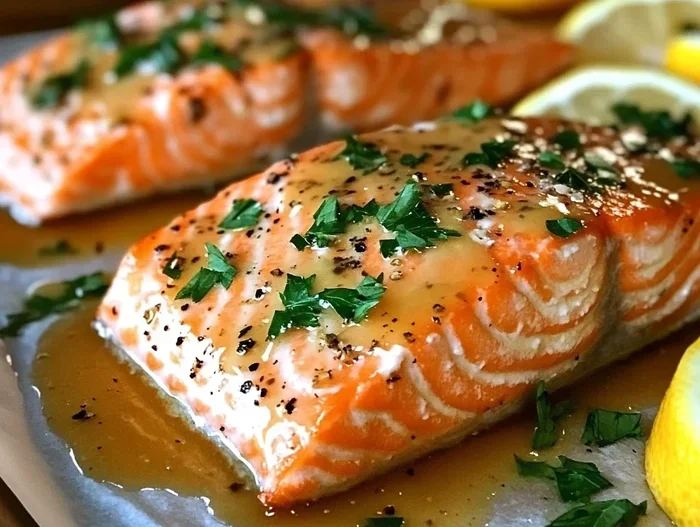
Raw salmon has a deep translucent red or orange color. As it cooks, the flesh transforms into an opaque pink or coral shade. When checking for doneness, look at the thickest part of the fillet. If the center still looks translucent or raw, it needs more time. Fully cooked salmon should be uniformly pink throughout with no translucent or grayish areas.
Here is what to look for:
- Bright pink or coral color: The salmon is fully cooked.
- Translucent or dark red center: The salmon needs more time.
- Grayish or brown spots: This may indicate overcooking or burning.
The Flake Test
The flake test is one of the most popular ways to check if salmon is done. Gently press the top of the fillet with the back of a fork or your finger. Properly cooked salmon will start to separate into large, soft flakes. Think of it like the texture of a good piece of fish at a restaurant.
If the salmon still feels dense and does not flake easily, it needs a few more minutes. If it flakes apart into tiny pieces, you may have overcooked it. The goal is large, moist flakes that hold together but separate easily.
The Touch Test
Your hand can be a surprisingly good tool for checking salmon doneness. Use this comparison:
- Raw feel: The center of the fillet feels very soft and almost mushy, like the base of your thumb when your hand is relaxed.
- Medium-rare: The center feels slightly firm but still gives a little, like touching the tip of your thumb to your index finger.
- Medium (most recommended): The center feels firm but springy, like touching the tip of your thumb to your middle finger.
- Well-done: The center feels very firm and does not give at all, like touching your thumb to your pinky.
Most people prefer salmon cooked to medium for the best balance of moisture and flavor. This is where the salmon is cooked in oven perfectly.
Skin Appearance
If you are baking salmon with the skin on, the skin can also tell you about doneness. Properly cooked salmon skin becomes crispy and golden brown. It should pull away from the flesh slightly and feel firm to the touch. If the skin is still soft and limp, the salmon probably needs more time.
Using a Meat Thermometer for Perfect Salmon
The most accurate way to check if your salmon fillet is done is with a salmon thermometer. This is the method that removes all guesswork. A good instant-read thermometer takes the uncertainty out of cooking fish and gives you consistent, repeatable results.
Where to Insert the Thermometer
Insert the thermometer into the thickest part of the fillet, angled slightly toward the center. Avoid touching the bone if your salmon has skin-on with a pin bone. Also, do not insert the thermometer all the way through the fillet or you will create a hole that lets juices escape.
The target temperature is 145°F (63°C) at the thickest point. However, many chefs recommend pulling salmon at 125°F to 130°F for a medium doneness. The carryover cooking effect will raise the temperature by 5 to 10 degrees after you remove the fillet from the oven.
Thermometer Types
Not all thermometers are created equal. Here is a quick comparison of the most common types used for checking baked salmon:
- Instant-read digital thermometers: Fast, accurate, and affordable. These are the go-to choice for most home cooks. You insert the probe, wait a few seconds, and get a reading.
- Thermapen-style thermometers: Premium speed and accuracy. These give readings in just one to two seconds. They are the tool of choice for professional chefs.
- Leave-in probe thermometers: These stay in the salmon the entire cooking time and connect to a display unit. Great for monitoring temperature without opening the oven door.
- Dial face thermometers: The older style with a dial face. They are less accurate than digital options but still functional for basic use.
Carryover Cooking Explained
Carryover cooking is a concept that every home cook should understand. When you remove salmon from the oven, the residual heat continues to cook the fish. The internal temperature can rise by 5 to 10 degrees during resting. This is why pulling salmon at 125°F to 130°F and letting it rest for 3 to 5 minutes will give you a perfect medium doneness at 145°F.
Think of it like taking a crispy salmon skin out of the oven just before it looks completely done. The fish continues to cook on the hot baking sheet even after you pull it out. This is one of the most important tips for how to tell if salmon is cooked in oven without drying it out.
Common Mistakes That Ruin Oven-Baked Salmon
Even experienced cooks make mistakes with salmon preparation. Knowing what goes wrong helps you avoid the same pitfalls. Here are the most common errors that lead to dry, overcooked, or undercooked salmon.
Overcooking
This is the number one mistake people make with oven-baked salmon. Salmon cooks quickly, and it can go from perfect to dry in just two or three minutes. The biggest culprit is leaving salmon in the oven too long because you are not checking it frequently enough. Set a timer, but also check the fish a few minutes before the timer goes off.
Not Bringing Salmon to Room Temperature
Placing cold salmon straight from the refrigerator into a hot oven creates uneven cooking. The outside overcooks while the inside stays underdone. Take your salmon fillet out of the fridge 15 to 20 minutes before baking. This small step makes a huge difference in even cooking.
Skipping the Pat-Dry Step
Moisture on the surface of the salmon prevents the skin from crisping up properly. Pat the fillet dry with paper towels before seasoning and placing it in the oven. This simple step leads to crispy salmon skin and better browning.
Using the Wrong Pan
Thin baking sheets can cause the salmon to stick and cook unevenly. Use a heavy-duty baking sheet lined with parchment paper or a silicone baking mat. A well-seasoned cast iron skillet also works great for oven-baked salmon.
Opening the Oven Door Too Often
Every time you open the oven door, heat escapes and the temperature drops. This can extend your salmon cooking time and lead to uneven results. Trust your thermometer and resist the urge to keep checking.
Quick Tips for Moist and Flavorful Salmon
Once you know how to tell if salmon is cooked in oven, the next step is making sure every piece comes out delicious. Here are some quick tips that elevate your salmon dinner from ordinary to restaurant-quality.
Brine for Extra Moisture
A quick 10-minute brine in salted water helps the salmon retain moisture during baking. Dissolve one tablespoon of salt in one cup of cold water, submerge the fillet for 10 minutes, then pat dry and season as usual. This simple step makes a noticeable difference in juiciness.
Let It Rest
After pulling your baked salmon from the oven, let it rest for 3 to 5 minutes on the pan. This allows the juices to redistribute throughout the fillet. Cutting into it immediately causes those flavorful juices to run all over your cutting board instead of staying in the fish.
Season Simply but Well
Good salmon preparation does not require a long list of ingredients. Olive oil, salt, pepper, and a squeeze of lemon juice are all you need for a classic preparation. If you want to get fancier, add fresh dill, garlic, or a drizzle of honey mustard. Keep it simple and let the quality of the fish shine through.
Use Parchment Paper
Lining your baking sheet with parchment paper prevents sticking and makes cleanup a breeze. It also promotes even browning on the bottom of the fillet, giving you that perfect crispy salmon skin or golden bottom every time.
Add a Glaze in the Last Few Minutes
If you are using a glaze or sauce, apply it during the last 3 to 5 minutes of baking. This prevents the sugars from burning and gives you a beautiful caramelized finish. A maple mustard glaze or a teriyaki glaze works wonderfully for this technique.
Expert Insights on Salmon Doneness
Professional chefs and food scientists agree on a few key principles when it comes to checking if salmon is cooked in oven properly. Here are some insights from culinary experts.
Chef Michael Smith on Salmon Cooking
Chef Smith often emphasizes that salmon doneness is a personal preference. He recommends cooking to medium (125°F to 130°F internal temperature) for the best flavor and texture. He notes that many people overcook salmon because they follow the USDA temperature too strictly without considering carryover cooking.
Food Scientist Harold McGee on Fish Proteins
Harold McGee explains that the salmon protein structure changes as it cooks. At lower temperatures, the proteins remain loosely connected, keeping the fish moist. As temperatures rise above 140°F, the proteins tighten and squeeze out moisture. This is why pulling salmon off the heat slightly early produces juicier results.
The Sous Vide Connection
Many home cooks now use sous vide to cook salmon to exact temperatures before finishing in the oven for a quick sear. This method guarantees perfect salmon doneness every time. If you want to explore this technique, cook the salmon sous vide at 120°F to 125°F, then briefly sear the skin side in a hot pan before serving.
How to Store and Reheat Leftover Salmon
Sometimes you cook too much baked salmon, and that is perfectly fine. Leftover salmon makes an excellent addition to salads, sandwiches, and pasta dishes the next day. Here is how to store and reheat it properly.
Storing Cooked Salmon
Let the salmon cool to room temperature for no more than two hours, then store it in an airtight container in the refrigerator. Properly stored cooked salmon lasts for 3 to 4 days in the fridge. For longer storage, wrap the fillet tightly in plastic wrap and foil, then freeze for up to 3 months.
Reheating Without Drying It Out
The biggest challenge with leftover salmon fillet is reheating it without turning it into a dry, rubbery mess. Here is the best method:
- Preheat your oven to 275°F (135°C).
- Place the salmon on a baking sheet lined with parchment paper.
- Drizzle a small amount of olive oil over the top.
- Cover loosely with aluminum foil.
- Heat for 10 to 15 minutes until the internal temperature reaches 125°F to 130°F.
This gentle reheating method preserves the moisture and texture of your healthy salmon meal. Avoid microwaving leftover salmon whenever possible, as it tends to make the fish rubbery and unevenly heated.
Frequently Asked Questions
Can you eat slightly undercooked salmon?
Slightly undercooked salmon, often called medium-rare, is safe to eat if you use high-quality, sushi-grade salmon from a reputable source. The internal temperature of 125°F to 130°F produces a translucent, silky center that many people prefer. However, if you are pregnant, immunocompromised, or serving young children, it is best to cook salmon to the full 145°F recommended by the USDA for food safety.
How long does it take to bake salmon at 400 degrees?
At 400°F, a standard one-inch thick salmon fillet takes about 12 to 15 minutes to cook. Thinner fillets may take 10 minutes, while thicker cuts can take up to 20 minutes. The best way to know when your salmon is done in the oven is to use a meat thermometer and check for an internal temperature of 125°F to 145°F depending on your preferred doneness level.
Is it better to bake salmon covered or uncovered?
Most oven-baked salmon recipes call for baking uncovered. This allows the skin to crisp up and the top to develop a light golden color. However, if you find that your salmon is cooking too quickly on the outside while staying raw in the middle, you can loosely cover it with aluminum foil for the first part of cooking and then uncover it for the last few minutes.
What color should cooked salmon be inside?
Fully cooked salmon should be opaque pink or coral throughout, with no translucent or dark red areas in the center. If you cut into the fillet and see a translucent or raw-looking center, it needs more time. The color of cooked salmon is one of the easiest visual cues to check for doneness without a thermometer.
Does salmon continue cooking after you take it out of the oven?
Yes, absolutely. Carryover cooking is real and significant with salmon. The internal temperature can rise by 5 to 10 degrees after you remove the fillet from the oven. This is why many experts recommend pulling salmon at 125°F to 130°F and letting it rest for 3 to 5 minutes. By the time you sit down to eat, the salmon is cooked in oven to a perfect medium doneness.
Can you reuse leftover cooked salmon?
Absolutely. Leftover baked salmon is incredibly versatile. Flake it over salads, mix it into pasta, fold it into omelets, or use it in salmon cakes. Just make sure you store it properly in the refrigerator and consume it within 3 to 4 days. Reheat gently in the oven at 275°F to keep the texture moist and flaky.
Final Thoughts
Learning how to tell if salmon is cooked in oven is one of the most useful cooking skills you can develop. It is not complicated, and once you understand the visual cues, touch tests, and thermometer readings, you will never serve a dry piece of fish again. The key is to combine multiple methods for the most reliable results.
Always check the color of the flesh, perform the flake test with a fork, and use a meat thermometer for precision. Pull your salmon off the heat a few degrees early and let carryover cooking do the rest. Avoid common mistakes like overcooking, skipping the pat-dry step, and opening the oven door too often.
With practice, checking for salmon doneness becomes second nature. You will develop an intuition for the right timing and temperature. And before you know it, every piece of baked salmon that comes out of your oven will be perfectly moist, flaky, and full of flavor.
So the next time you put a salmon fillet in the oven, trust your senses, use your thermometer, and enjoy the process. Great cooking is about confidence, and now you have the knowledge to cook salmon in the oven like a pro. Happy cooking!