Why Is My Oven Making A Popping Noise And How To Fix
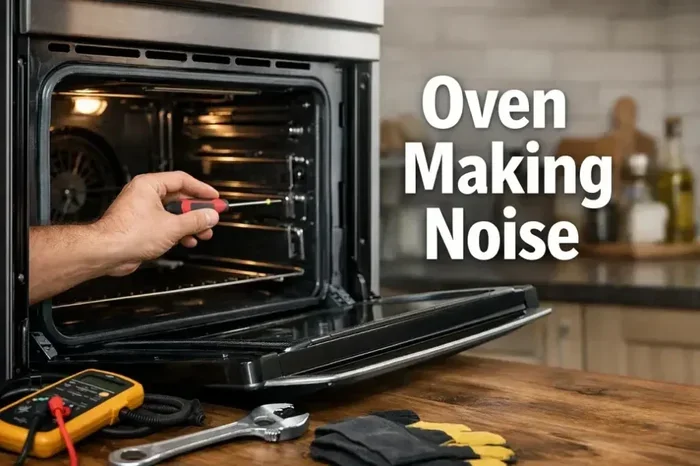
Why Is My Oven Making A Popping Noise is a common concern for homeowners. The popping sound often comes from thermal expansion, a faulty heating element, or a gas igniter issue. This guide walks you through the most likely causes and gives you clear, step-by-step fixes you can try at home. We also cover when it is time to call a professional for oven repair.
You are standing in your kitchen, ready to bake dinner, when a loud popping noise comes from your oven. It is startling. Your first thought might be that something is seriously wrong. The good news is that a popping sound in oven is more common than you think, and in most cases, it is fixable.
Whether you have a gas oven or an electric model, strange noises during cooking can point to several different causes. Some are harmless. Others need quick attention. This guide breaks down every reason your oven might be making a popping noise and gives you practical steps to fix it. Let us get into it.
Key Takeaways
- Thermal expansion is the most common cause: Metal parts naturally expand and contract during heating cycles, creating popping sounds.
- A damaged bake or broil element needs replacement: Cracked or worn-out elements can spark and pop, posing a safety risk.
- Gas igniter problems cause popping in gas ovens: A weak or clogged igniter can lead to gas buildup and loud pops.
- Regular oven maintenance prevents most issues: Cleaning and inspecting your oven extends its life and reduces noise.
- Know when to call a pro: Electrical issues, control board failures, and gas leaks require professional attention.
- Never ignore persistent popping: It could signal a serious safety hazard that worsens over time.
- Simple fixes save money: Many popping noise problems can be resolved with basic troubleshooting and minor repairs.
📑 Table of Contents
- What Causes an Oven to Make a Popping Noise
- Common Reasons Your Oven Is Making a Popping Noise
- How To Diagnose the Popping Sound in Your Oven
- Step-by-Step Fixes for a Popping Oven
- When To Call a Professional for Oven Repair
- Preventing Popping Noises in Your Oven
- Expert Insights on Oven Noise Problems
- Key Takeaways
- Conclusion
What Causes an Oven to Make a Popping Noise
Before you start troubleshooting, it helps to understand what is actually happening inside your oven. A popping sound is rarely random. It usually has a specific trigger. The two main categories are thermal expansion and component failure. Let us look at both.
Thermal expansion happens in every oven. When metal parts heat up, they grow slightly. When they cool down, they shrink. This natural movement creates clicking and popping sounds. It is completely normal and nothing to worry about.
Component failure is different. If a part inside your oven is broken, worn out, or damaged, it can create popping noises that signal a real problem. This is where you need to pay attention and take action.
Thermal Expansion vs. Mechanical Issues
Here is a simple way to tell the difference. If the popping happens when the oven first heats up or right after it turns off, it is likely thermal expansion. The sound is usually soft and rhythmic. It stops once the oven reaches its target temperature.
If the popping is loud, irregular, or happens while the oven is running at full heat, it could be a mechanical issue. You might also notice sparks, a burning smell, or uneven heating. Those are red flags that point to a broken part inside the oven.
Common Reasons Your Oven Is Making a Popping Noise
Now let us dive into the specific reasons your oven might be making that annoying sound. Each one has its own set of symptoms and solutions. Understanding these helps you narrow down the problem fast.
Thermal Expansion During Heating Cycles
This is the number one reason ovens pop. The oven temperature sensor, metal walls, and racks all expand when hot. As they shift slightly, they bump against each other or the oven frame. The result is a popping or clicking sound.
This is especially common in new ovens or after a self-cleaning cycle. The high heat during self-cleaning causes extreme expansion. You might hear several pops in a row. This is perfectly normal and does not mean anything is broken.
Quick Tip: If the popping stops after the oven warms up, you can relax. It is just thermal expansion doing its thing.
Faulty Bake Element or Broil Element
The bake element is at the bottom of your oven. The broil element is at the top. Both are made of metal coils that glow red when heating. Over time, these elements can crack, blister, or develop holes.
When a heating element is damaged, electricity does not flow evenly through the coil. This creates sparks. Those sparks sound like popping or snapping. You might also see visible damage, like blistering or a break in the coil.
A damaged element is a safety hazard. It can cause uneven cooking, and in worst cases, it can start a fire. If you see any visible damage, turn off the oven and replace the element right away.
Gas Igniter Problems in Gas Ovens
If you have a gas oven, the igniter is what lights the gas burner. When the igniter is weak or failing, it takes longer to light the gas. During that delay, gas builds up inside the oven cavity. When it finally ignites, you hear a loud pop or boom.
This is dangerous. Unburned gas can accumulate and create a fire risk. If your gas oven is popping before it lights, do not ignore it. The igniter might need cleaning or replacing.
A clogged igniter is another common culprit. Grease and food debris can build up around it, blocking the spark. A simple cleaning might solve the problem. But if the igniter is worn out, replacement is the only fix.
Control Board Malfunction
The control board is the brain of your oven. It controls temperature, timing, and all the heating functions. When the control board starts to fail, it can send erratic signals to the heating elements. This causes irregular popping sounds.
Control board issues are less common but more serious. You might notice your oven not heating properly, displaying error codes, or cycling on and off randomly. If you suspect a control board problem, it is best to call a professional for oven repair.
Fan Motor or Convection Fan Issues
Many modern ovens have a convection fan that circulates hot air. If the fan motor is worn out or has debris caught in it, it can create popping or grinding noises. You might also notice uneven cooking, which is a clue that the fan is not working correctly.
Check the fan area for any food particles or grease buildup. Sometimes a simple cleaning fixes the noise. If the motor itself is failing, you will need a replacement part.
Oven Self-Cleaning Cycle Noise
The oven self-cleaning function uses extremely high temperatures to burn off food residue. During this cycle, the intense heat causes metal parts to expand rapidly. Popping sounds during self-cleaning are very common and usually harmless.
However, if the popping is extremely loud or accompanied by smoke, there might be a buildup of grease or debris that is catching fire inside the oven. Always clean up large food spills before running a self-cleaning cycle to minimize this risk.
How To Diagnose the Popping Sound in Your Oven
Now that you know the common causes, let us talk about how to figure out what is causing the noise in your specific oven. Oven troubleshooting does not have to be complicated. Follow these steps to narrow it down.
Step 1: Listen Carefully to the Sound
Pay close attention to when and how the popping happens. Is it only when the oven is heating up? Does it happen during cooking or just after? Is it a single pop or a series of rapid pops? These details matter a lot for diagnosis.
Write down what you hear. This makes it easier to explain the problem to a repair technician if you need one. It also helps you track whether the noise is getting worse over time.
Step 2: Inspect the Heating Elements
Open the oven door and look at the bake element on the bottom and the broil element on the top. You are looking for cracks, blistering, breaks in the coil, or any visible damage.
Turn the oven on to a low temperature and watch the elements. They should glow evenly. If you see sparking, uneven glowing, or parts of the element that do not glow at all, that element is likely the problem.
Step 3: Check the Gas Igniter (Gas Ovens Only)
If you have a gas oven, locate the igniter near the burner. Look for grease buildup, cracks, or damage. Turn the oven on and watch the igniter. It should glow bright orange within a few seconds. If it glows weakly or takes a long time to light the gas, the igniter is failing.
Quick Tip: A healthy igniter glows bright orange and lights the gas within 30 to 60 seconds. If it takes more than a minute, it is time for a replacement.
Step 4: Listen to the Fan Motor
If your oven has a convection fan, listen for any grinding or scraping sounds. These can sound like popping if debris is caught in the fan blades. Remove the oven racks and look inside the fan area for any visible obstructions.
Step 5: Note Any Error Codes or Warning Lights
Many modern ovens display error codes when something is wrong. Check your oven display for any blinking lights or error messages. These codes can point you directly to the problem, whether it is a temperature sensor issue or a control board failure.
Step-by-Step Fixes for a Popping Oven
Once you have identified the cause, it is time to fix it. Here are practical solutions for the most common problems that cause oven making noise issues.
Fix 1: Replace a Damaged Heating Element
If your bake or broil element is damaged, replacement is straightforward and affordable. You can buy replacement elements at most hardware stores or online. Here is how to do it.
- Turn off the oven and unplug it from the wall. Oven safety comes first.
- Remove the racks and any screws holding the element in place.
- Disconnect the wires from the old element. Take a photo before you remove them so you remember the wiring.
- Connect the wires to the new element in the same configuration.
- Secure the new element with screws and replace the racks.
- Plug the oven back in and test it at a low temperature.
This fix usually costs between $20 and $60 for the part. If you are not comfortable working with electrical components, hire a professional for this repair.
Fix 2: Clean or Replace the Gas Igniter
For gas ovens, a dirty igniter is often the culprit. Start by cleaning it with a soft brush and a little warm soapy water. Remove any grease or debris buildup carefully. Let it dry completely before turning the oven back on.
If cleaning does not solve the problem, you need a new igniter. Replacement igniters are inexpensive, usually under $30. The installation process is similar to replacing a heating element. Just make sure the oven is completely off and disconnected before you start.
Fix 3: Tighten Loose Racks or Components
Sometimes the popping is simply caused by a loose rack or tray rattling against the oven walls. Check that all racks are seated properly and not bent. If a rack is warped, replace it. Tighten any screws or bolts you can see on the oven interior.
This is the easiest fix of all and costs nothing. It is always worth checking first before moving on to more complex repairs.
Fix 4: Address Control Board Problems
Control board issues are not DIY-friendly for most homeowners. If you have ruled out all other causes and the popping continues, the control board might be failing. A professional appliance repair technician can diagnose and replace the board for you.
The cost of a control board replacement varies widely, typically between $150 and $400 depending on your oven model. It is an investment, but it ensures your oven operates safely and reliably.
Fix 5: Clean the Oven Interior After Self-Cleaning
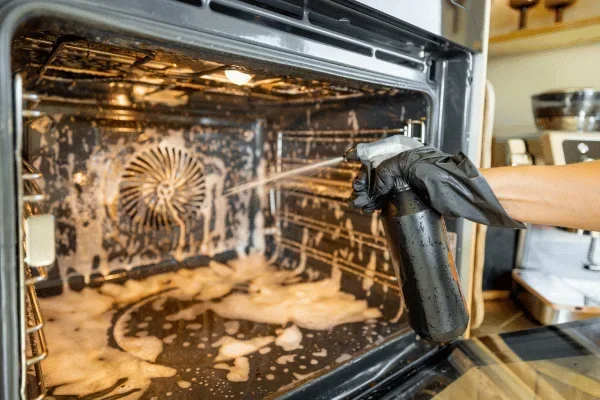
After a self-cleaning cycle, wipe down the interior with a damp cloth. Remove any ash or residue from the bottom of the oven. This prevents buildup that can cause popping during future high-heat cycles.
Also, avoid using harsh chemical cleaners inside the oven. Residue from these cleaners can smoke and pop during cooking. Warm water and a mild soap are all you need for regular interior cleaning.
When To Call a Professional for Oven Repair
Many popping noise problems can be fixed at home. But some situations require a trained technician. Knowing the difference keeps you safe and prevents costly mistakes.
You should call a professional if you notice any of the following:
- Electrical sparks coming from inside the oven.
- A gas smell when the oven is running or trying to ignite.
- The oven displays multiple error codes and does not heat properly.
- The popping noise gets louder over time despite your troubleshooting efforts.
- You are uncomfortable working with electrical or gas components.
- The oven temperature sensor appears to be faulty and the oven cannot hold a consistent temperature.
Oven safety should always be your top priority. If you are ever in doubt, it is better to call a professional than to risk injury or further damage to your appliance.
Professional appliance repair services can also perform a full inspection of your oven. They can spot problems you might miss, like worn wiring, failing relays, or internal component degradation. A yearly maintenance check can keep your oven running smoothly and quietly for years.
Preventing Popping Noises in Your Oven
The best way to deal with a popping oven is to prevent the problem from happening in the first place. Regular oven maintenance goes a long way toward keeping your appliance quiet and efficient.
Clean Your Oven Regularly
Grease and food buildup inside the oven can cause popping during cooking and self-cleaning cycles. Wipe down the interior after every use. Do a deep clean at least once a month. This keeps everything running smoothly and reduces the chance of grease-related popping sounds.
Check Elements and Igniters Periodically
Make it a habit to inspect your heating elements and gas igniter every few months. Look for early signs of wear, like discoloration or minor cracking. Catching these problems early means you can replace a part before it fails completely and causes more damage.
Use Your Oven Within Its Recommended Settings
Every oven has a maximum temperature rating. Exceeding that temperature puts extra stress on all the internal components. Stick to the recommended temperature ranges for your cooking needs. This simple practice extends the life of your oven and reduces unusual noises.
Schedule Professional Maintenance
Just like your car needs an oil change, your oven benefits from professional maintenance. A technician can check all the internal components, tighten connections, and identify potential problems before they become expensive repairs. Consider scheduling a professional inspection once a year.
Expert Insights on Oven Noise Problems
Oven troubleshooting is a skill that every home cook should have. According to experienced appliance repair technicians, most popping noise issues fall into three categories: thermal expansion, worn heating elements, and gas igniter failure. These three causes account for over 80% of all oven noise complaints.
Technicians also emphasize that oven maintenance is the single most effective way to prevent noise problems. A clean, well-maintained oven runs quieter and lasts longer. Simple habits like wiping down the interior after use and checking elements regularly can save you hundreds of dollars in repair costs over the life of your appliance.
If you live in an area with hard water, mineral buildup inside the oven can also contribute to popping sounds. Running a vinegar-water solution through the oven during a cleaning cycle can help dissolve mineral deposits and keep everything running smoothly.
Another expert tip: do not ignore unusual sounds, even if they seem minor. A small pop today can become a big repair bill tomorrow if the underlying issue is not addressed. Early intervention is always cheaper and safer.
Key Takeaways
- Thermal expansion is the most common cause: Metal parts naturally expand and contract during heating cycles, creating popping sounds.
- A damaged bake or broil element needs replacement: Cracked or worn-out elements can spark and pop, posing a safety risk.
- Gas igniter problems cause popping in gas ovens: A weak or clogged igniter can lead to gas buildup and loud pops.
- Regular oven maintenance prevents most issues: Cleaning and inspecting your oven extends its life and reduces noise.
- Know when to call a pro: Electrical issues, control board failures, and gas leaks require professional attention.
- Never ignore persistent popping: It could signal a serious safety hazard that worsens over time.
- Simple fixes save money: Many popping noise problems can be resolved with basic troubleshooting and minor repairs.
Conclusion
Dealing with an oven that makes a popping noise can be frustrating, but it is almost always a solvable problem. Whether the cause is simple thermal expansion or a more serious issue like a damaged heating element or failing gas igniter, you now have the knowledge to diagnose and fix it.
Start with the simple checks. Listen to when the noise happens. Inspect the elements and igniter. Tighten loose parts. Many times, the fix is quick and costs almost nothing. For more complex problems like control board failures or electrical issues, do not hesitate to call a professional.
Oven safety should guide every decision you make. If something feels wrong, trust your instincts and get expert help. Regular oven maintenance and timely repairs keep your oven running safely, quietly, and efficiently for years to come.
Now that you know why your oven is making a popping noise and how to fix it, you can get back to cooking with confidence. Your kitchen should be a place of comfort, not stress. Take action today and enjoy a quieter, safer cooking experience tomorrow.
Frequently Asked Questions
Is it normal for an oven to make popping sounds during preheating?
Yes, it is completely normal. The metal components inside the oven expand as they heat up, which creates popping or clicking sounds. This is called thermal expansion and it happens in every oven. The sounds usually stop once the oven reaches the set temperature.
Can a popping noise in my oven be a fire hazard?
It depends on the cause. If the popping is from a damaged heating element or a gas igniter problem, it can pose a fire risk. Sparks from a broken element or gas buildup from a weak igniter are both serious safety concerns. If you see sparks or smell gas, turn off the oven immediately and seek professional help.
How much does it cost to fix an oven that is making a popping noise?
The cost depends on the cause. Replacing a heating element typically costs $20 to $60 for the part. A gas igniter replacement is usually under $30. Control board repairs can range from $150 to $400. Simple fixes like tightening loose racks cost nothing. Always get a quote from a professional before committing to a major repair.
Should I stop using my oven if it is making a popping noise?
Not necessarily. If the popping is mild and only happens during preheating, it is likely thermal expansion and is safe to continue using. However, if the popping is loud, frequent, or accompanied by sparks, a burning smell, or uneven heating, stop using the oven and investigate the issue right away.
How can I tell if the popping noise is from the bake element or the broil element?
Listen carefully to where the sound is coming from. The bake element is at the bottom of the oven, and the broil element is at the top. Turn on the bake function and listen for popping from the bottom. Then turn on the broil function and listen for popping from the top. This helps you identify which element is causing the issue.
Can I fix a popping oven noise myself, or do I need a professional?
Many popping noise issues can be fixed at home, especially if the cause is a loose rack, a dirty igniter, or a replaceable heating element. However, if the problem involves the control board, wiring, or gas connections, it is best to hire a professional. Always prioritize safety and call an expert when you are unsure.