What Is Fan Bake In Oven And How It Helps You Cook Better
Fan bake uses a rear fan to circulate hot air inside your oven, giving you even cooking and crispy results. It cuts cooking time, saves energy, and works great for pastries, roasts, and casseroles. This guide covers everything you need to know about using fan bake at home.
Have you ever opened your oven and noticed that one side of your cake is burnt while the other side is still raw? Maybe your roast chicken has a perfectly crispy top but a pale, undercooked bottom. These frustrating kitchen moments happen more often than you think.
The answer to your baking problems might be simpler than you expect. It is called fan bake, and once you learn how to use it, your cooking will never be the same. This feature is built into most modern ovens, but many home cooks rarely use it. Let us change that.
Fan bake, also known as convection baking or fan-forced oven mode, uses a small fan located at the back of the oven cavity. This fan pushes hot air around the food, creating a consistent heat distribution that eliminates hot spots. The result? Food cooks faster, more evenly, and comes out perfectly golden brown every single time.
In this guide, we will cover everything you need to know about fan bake. You will learn how it works, when to use it, what mistakes to avoid, and practical tips that will level up your everyday cooking. Whether you are a beginner or a seasoned home cook, there is something here for you.
Key Takeaways
- Fan bake circulates hot air: A rear-mounted fan pushes warm air around the oven cavity for consistent heat distribution.
- Faster cooking times: Fan bake can reduce cooking time by up to 20% compared to conventional baking.
- Even browning and crispiness: The circulating air helps food turn golden brown on all sides without turning.
- Lower temperature needed: You typically reduce the oven temperature by about 20°F when using fan bake.
- Versatile for many dishes: From cookies to roasted vegetables, fan bake works across a wide range of recipes.
- Energy efficient: Shorter cooking times mean less electricity or gas used overall.
- Know your oven: Every fan-forced oven behaves slightly differently, so invest in an oven thermometer for best results.
📑 Table of Contents
- What Exactly Is Fan Bake in Oven?
- How Fan Bake Helps You Cook Better
- When Should You Use Fan Bake?
- Fan Bake Temperature Guide: How to Adjust Your Settings
- Common Fan Bake Mistakes and How to Avoid Them
- Expert Tips for Getting the Best Results with Fan Bake
- Is Fan Bake the Same as Convection Bake?
- Frequently Asked Questions About Fan Bake
- Final Thoughts on Fan Bake
What Exactly Is Fan Bake in Oven?
Let us start with the basics. When you select fan bake on your oven, you are activating two things at once: the heating element and a small electric fan. The heating element warms the air inside the oven, and the fan blows that hot air all around the food.
This is very different from conventional baking. In a standard oven without a fan, heat rises from the bottom element. The top of the oven gets hotter than the bottom. This creates uneven heat distribution, which leads to inconsistent cooking results.
How the Fan Works Behind the Scenes
The fan in a fan bake oven is usually located at the back wall of the oven cavity. It spins at a low speed and pushes hot air in a circular pattern. This constant airflow wraps around your food from every angle.
Think of it like a gentle breeze on a hot day. The breeze makes the heat feel stronger and more even on your skin. The same thing happens inside the oven. The moving air transfers heat to the surface of your food more efficiently than still air alone.
Most convection ovens have a fan speed setting. Some ovens offer low, medium, and high fan speeds. A low fan speed works well for delicate items like soufflés. A high fan speed is great for getting crispy results on roasted vegetables or pastry.
Fan Bake vs. Conventional Bake: What Is the Difference?
It helps to compare fan bake directly with conventional bake mode. Here is a quick breakdown:
- Conventional bake: Heat comes from the bottom element only. Hot air stays still. Cooking takes longer, and results can be uneven.
- Fan bake: Heat comes from the element and the fan circulates it. Cooking is faster and more uniform across all racks.
- Top and bottom heat: This mode uses both top and bottom elements without a fan. Great for dishes that need a crispy top, like gratins.
The key difference is air circulation. In a fan-forced oven, the moving air removes the thin layer of cool air that forms around food. This allows the oven to cook food at a lower temperature in less time.
How Fan Bake Helps You Cook Better
Now that you understand the mechanics, let us talk about the real-world benefits. Why should you switch to fan bake more often?
Even Cooking Every Time
The biggest advantage of fan bake is even cooking. No more rotating your baking tray halfway through. No more guessing whether the center is done. The circulating hot air reaches every corner of the oven cavity.
This is especially helpful when you are baking multiple trays at once. In a conventional oven, the top tray might burn while the bottom tray stays undercooked. With fan bake, both trays cook at the same rate.
Reduced Cooking Time
Fan bake can cut your cooking time by 15% to 25%. The moving air transfers heat to the food more quickly than still air. This means your dinner is ready faster, and your oven uses less energy.
For busy weeknights, this is a game-changer. You can roast a chicken in less time and still get perfectly cooked meat with crispy skin.
Better Browning and Crispiness
Do you love golden brown roast potatoes or crispy cookie edges? Fan bake delivers. The constant airflow removes moisture from the surface of food, which accelerates the Maillard reaction. This is the chemical process that creates browning and complex flavors.
Your pastries, pies, and breads will come out with a beautifully crisp exterior and a soft, fluffy interior. It is one of the best secrets for improving your baking results.
Energy Efficiency
Because fan bake cooks food faster, it uses less energy overall. Shorter cooking times mean your oven heats up less and runs for fewer minutes. Over time, this can make a noticeable difference in your electricity or gas bill.
If you care about reducing your kitchen footprint, using fan bake is an easy and effective step.
When Should You Use Fan Bake?
Fan bake is incredibly versatile, but it is not always the best choice. Knowing when to use it makes a huge difference in your cooking.
Best Dishes for Fan Bake Mode
Here are some of the best uses for fan bake:
- Roasting vegetables: The hot air creates crispy edges on carrots, potatoes, and broccoli without drying them out.
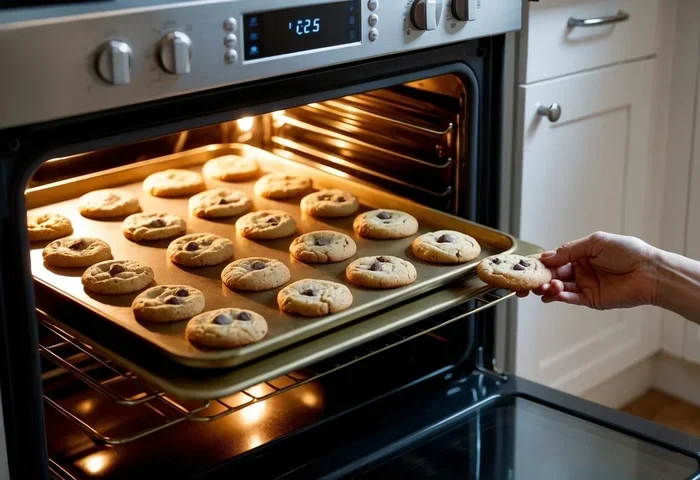
- Baking cookies: Multiple trays cook evenly, and you get perfectly crispy results on every batch.
- Roasting meat: Chicken, beef, and pork all benefit from even heat distribution and faster cooking.
- Pies and pastries: The circulating air helps pastry dough rise evenly and turn golden.
- Casseroles and gratins: Everything bubbles and browns uniformly on top and sides.
- Baking bread: The fan helps create a crispy crust while the inside stays soft and airy.
- Reheating leftovers: Food comes back crispy and warm instead of soggy.
When to Avoid Fan Bake
There are times when fan bake is not ideal:
- Delicate cakes: The strong airflow can cause spongy cakes to lean or collapse. Use conventional bake for these.
- Soufflés and flans: These need still air to rise properly without disturbance.
- Custards and creamy dishes: The moving air can create an uneven surface on custards.
- Very moist batters: The fan can cause the top to set too quickly, trapping moisture inside.
As a general rule, if your recipe says “do not open the oven door” or involves a very delicate structure, stick with conventional baking mode.
Fan Bake Temperature Guide: How to Adjust Your Settings
One of the most important things to know about fan bake is that you need to lower your oven temperature. Because the moving air transfers heat more efficiently, food cooks faster and at a lower temperature.
The 20°F Rule
The standard rule of thumb is to reduce the temperature by 20°F (about 10°C) when using fan bake. So if a recipe calls for 350°F in a conventional oven, set your fan-forced oven to 330°F.
This simple adjustment prevents overcooking and ensures your food comes out perfectly done. Here is a quick reference table:
| Conventional Bake Temp | Fan Bake Temp | Typical Dish |
|---|---|---|
| 350°F (175°C) | 330°F (165°C) | Cakes, cookies |
| 375°F (190°C) | 355°F (180°C) | Roasted vegetables |
| 400°F (200°C) | 380°F (195°C) | Roast chicken |
| 425°F (220°C) | 405°F (210°C) | Pastry and pies |
| 450°F (230°C) | 430°F (220°C) | Bread and pizza |
Keep in mind that every oven is slightly different. The best way to know your oven is to use an oven thermometer. Place it inside the oven and check the actual temperature. This small tool can transform your cooking results.
Common Fan Bake Mistakes and How to Avoid Them
Even though fan bake is straightforward, there are a few common mistakes that trip up home cooks. Let us go through them so you can avoid the same pitfalls.
Mistake 1: Not Lowering the Temperature
This is the number one mistake people make. If you use the same temperature for fan bake as you would for conventional bake, your food will overcook on the outside and possibly stay raw on the inside. Always reduce the temperature by 20°F.
Mistake 2: Overcrowding the Oven
The fan needs space to circulate air. If you pack too many trays into the oven, the airflow gets blocked. This defeats the whole purpose of fan bake and leads to uneven cooking.
Leave at least a few inches of space between trays and the oven walls. If you need to cook multiple batches, it is better to do them separately.
Mistake 3: Forgetting to Preheat
Some people skip preheating when using fan bake because they think the fan makes up for it. This is not true. Always preheat oven before placing food inside. The fan helps maintain temperature, but it cannot create heat from cold.
Mistake 4: Using the Wrong Bakeware
Dark, matte baking trays absorb more heat and can cause over-browning in a fan-forced oven. Light-colored or shiny trays reflect heat and give you more control. If you love dark trays, simply reduce the temperature a little extra.
Mistake 5: Opening the Oven Door Too Often
Every time you open the oven door, you let out a burst of hot air. With fan bake, the temperature drops quickly and takes longer to recover. Try to check on your food only when necessary and use the oven light to peek inside.
Expert Tips for Getting the Best Results with Fan Bake
Here are some practical tips from experienced bakers and chefs who use fan bake regularly:
Tip 1: Use a Wire Rack on Your Baking Tray
Placing a wire rack on top of your baking tray allows hot air to flow underneath your food. This is especially great for roasting vegetables or baking pizza. The bottom gets just as crispy as the top.
Tip 2: Keep an Oven Thermometer Inside
Oven dials are not always accurate. An oven thermometer gives you the real temperature inside the cavity. This is one of the cheapest and most effective tools for improving your cooking.
Tip 3: Rotate Trays Halfway Through
Even with fan bake, it is a good habit to rotate your trays 180 degrees halfway through cooking. This compensates for any slight variations in airflow inside the oven.
Tip 4: Adjust Cooking Times, Not Just Temperatures
Because fan bake cooks faster, start checking your food a few minutes before the recipe suggests. Use a meat thermometer for roasts, and look for visual cues like golden brown color and bubbling.
Tip 5: Line Trays with Parchment Paper
Parchment paper prevents sticking and makes cleanup easier. In a fan bake oven, it also helps promote even browning on the bottom of cookies and pastries.
Tip 6: Experiment and Keep Notes
Every fan bake oven is a little different. Keep a cooking journal where you note the temperature, time, and results. Over time, you will build a personal reference guide that takes the guesswork out of every recipe.
Is Fan Bake the Same as Convection Bake?
You will often see the terms fan bake and convection bake used interchangeably. They are essentially the same thing. Both refer to an oven setting that uses a fan to circulate hot air.
Some brands call it “convection,” others call it “fan bake,” and some use “fan-forced.” The underlying technology is identical. The fan creates air circulation that improves heat distribution and cooking efficiency.
If your oven has a “convection” setting, it will behave the same way as fan bake. The only minor difference might be in fan speed or the position of the heating element, but the results are very similar.
Frequently Asked Questions About Fan Bake
Can I use metal cookware in fan bake mode?
Yes, you can use metal trays, baking sheets, and pans in fan bake mode. Metal works well because it conducts heat efficiently and handles the circulating air without any issues. Just avoid covering the fan or blocking airflow with oversized cookware.
Do I need to adjust my recipe when using fan bake?
Yes. The main adjustments are lowering the temperature by about 20°F and reducing the cooking time by 15% to 25%. Start checking your food earlier than the recipe suggests, and use an oven thermometer to confirm the actual temperature inside.
Is fan bake better than regular bake for cookies?
Most bakers prefer fan bake for cookies because it produces even golden brown coloring on all sides. You can bake multiple trays at once without rotating them. The results are more consistent compared to conventional bake mode.
Can I use fan bake for bread baking?
Absolutely. Fan bake works great for bread because the circulating air creates a crispy crust while the inside stays soft. However, for very delicate enriched breads like brioche, conventional bake may give you a gentler, more even rise.
Why does my food dry out when I use fan bake?
This usually happens when the temperature is too high or the cooking time is too long. Since fan bake removes moisture from food surfaces more quickly, always reduce the temperature by 20°F and check food earlier. If your dish looks dry, try covering it with foil for the last few minutes of cooking.
Can I use foil in a fan bake oven?
Yes, you can use foil, but be careful not to cover more than one-third of the oven’s interior. Blocking too much airflow will reduce the effectiveness of fan bake and lead to uneven cooking. Use foil to shield delicate parts of food, like the tops of pies or the ends of chicken wings.
Final Thoughts on Fan Bake
Fan bake is one of the most useful features in any modern oven, yet so many people overlook it. Once you understand how it works and when to use it, you will wonder how you ever cooked without it.
The benefits are clear. You get even cooking, faster results, crispy outcomes, and better energy efficiency. All it takes is a small adjustment to your temperature settings and a little practice.
Start by trying fan bake on your next batch of roast vegetables or cookies. Pay attention to how the food looks and tastes compared to conventional baking. Keep a few notes, and soon enough, fan bake will become your go-to oven setting for everyday meals.
The best part is that you do not need expensive equipment or fancy skills. Your existing oven already has this feature. You just need to know how to use it. And now you do.
So go ahead, fire up your fan bake oven, and enjoy the difference. Your meals will taste better, look better, and come together faster than ever before.