Is an Air Fryer Quicker Than a Typical Kitchen Oven
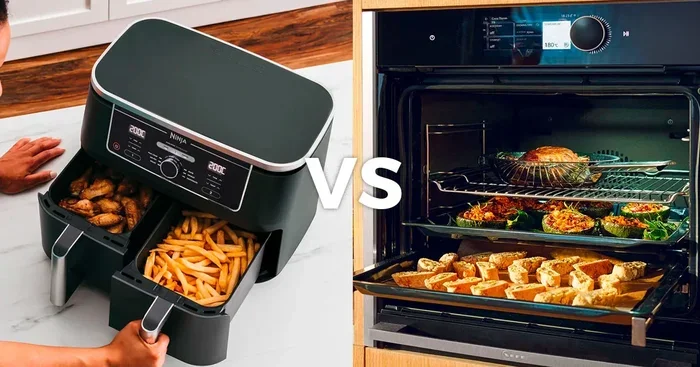
So, is an air fryer quicker than a typical kitchen oven? The short answer is yes — air fryers cook food faster in most cases because of their compact size and powerful hot air circulation. They preheat in minutes, use less energy, and deliver crispy results without the long wait times of a full-size oven. If speed and convenience matter to you, an air fryer is a game changer for everyday cooking.
Let’s talk about something that affects nearly every home cook: cooking speed. Whether you are rushing to get dinner on the table or just tired of waiting for your oven to preheat, the question of which appliance works faster comes up a lot. In this article, we will explore the answer to the question, is an air fryer quicker than a typical kitchen oven, and break down exactly why that matters for your daily meals.
An air fryer has become one of the most popular countertop appliances in modern kitchens. It promises crispy fries, golden chicken, and roasted vegetables in a fraction of the time. But does it really deliver on that promise? And how does it stack up against the oven you already own? We will look at the science, the real-world performance, and the practical differences so you can make an informed choice.
By the end of this guide, you will understand exactly where each appliance shines. You will also learn tips to get the most out of both your air fryer and your oven. Let us dive in.
Key Takeaways
- Air fryers cook faster: They use rapid hot air technology that cuts cooking time significantly compared to a standard oven.
- Preheating is nearly instant: Most air fryers need only 2 to 3 minutes, while ovens can take 10 to 15 minutes.
- Compact size equals speed: The smaller cooking chamber heats up quickly and circulates air more efficiently around food.
- Energy bills stay lower: Shorter cook times mean less electricity or gas used per meal.
- Not every dish fits better in an air fryer: Large roasts and multi-layer baking still work best in a traditional oven.
- Texture improves too: Air fryers deliver crispier results because the fan pushes hot air directly onto food surfaces.
- Both appliances have a place in the kitchen: Understanding when to use each one saves time and boosts meal quality.
📑 Table of Contents
- How an Air Fryer Cooks So Quickly
- How a Typical Kitchen Oven Works
- Head-to-Head Speed Comparison
- What Can You Cook Faster in an Air Fryer?
- When Is an Oven the Better Choice?
- Expert Insights on Air Fryer vs Oven Speed
- Final Verdict: Is an Air Fryer Quicker Than a Typical Kitchen Oven?
- Frequently Asked Questions
How an Air Fryer Cooks So Quickly
The Science Behind Rapid Hot Air Circulation
An air fryer works by blowing super-heated air around food at high speed. This process is called convection cooking. A powerful fan sits at the top or back of the unit and pushes hot air down and around the food basket. Because the air moves so fast and so close to the food surface, it transfers heat much more efficiently than a standard oven.
Think of it like this. A regular oven heats a large cavity with coils or a gas flame. The air inside slowly warms up and surrounds your food. An air fryer does the same job, but in a tiny, sealed space with a strong fan. The result is faster, more even heating.
Most air fryers reach their target temperature in under three minutes. The cooking chamber is small, so there is less air to heat. This is the main reason air fryer cooking time is so short compared to other methods.
Why Compact Size Matters for Speed
Size plays a huge role in cooking speed. A typical countertop air fryer has a cooking basket that holds about 2 to 6 quarts of food. A full-size kitchen oven holds much more volume. The smaller the space, the faster it heats up and the quicker the hot air reaches every surface of your food.
This is why convection oven vs air fryer comparisons often favor the air fryer for speed. Even a convection oven, which also uses a fan, has a larger cavity to fill with hot air. The air fryer’s compact design gives it a clear advantage when you want meals ready fast.
Here are some key reasons the air fryer heats up so quickly:
- Small cooking chamber: Less air means faster heat-up.
- Powerful fan: Pushes hot air directly onto food.
- Close proximity: Food sits very close to the heating element.
- Insulated design: Heat stays trapped inside the basket.
- No large cavity to warm: Energy is focused on the food, not the empty space.
How a Typical Kitchen Oven Works
The Traditional Heating Process
A typical kitchen oven uses either electric coils or a gas burner to generate heat. The heat rises and fills the oven cavity from the bottom up. Your food sits on a rack or in a pan, and the surrounding hot air slowly cooks it. This method works well, but it is not the fastest way to cook.
Most standard ovens take 10 to 15 minutes to preheat to common baking temperatures like 375°F or 400°F. That is time you are just standing around waiting. And once the food goes in, the larger volume of air inside the oven means it takes longer for the heat to penetrate to the center of thicker foods.
Some modern ovens include a convection setting with a fan. This helps circulate hot air more evenly. But even with convection, a full-size oven still has more space to heat and a longer preheat time than an air fryer. So the answer to is an air fryer quicker than a typical kitchen oven is still generally yes.
When an Oven Makes Sense
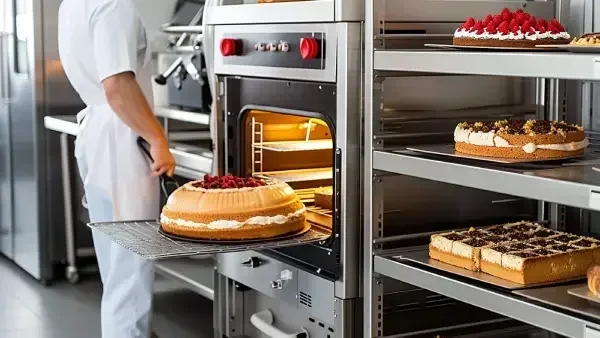
Ovens are not slow for no reason. They are designed to handle large quantities of food at once. If you are cooking a whole turkey, a large lasagna, or multiple sheet pans of cookies, a standard oven is the right tool. The extra space allows you to cook more food simultaneously, which is a kind of speed in itself.
Ovens also provide a more even, gentle heat for certain dishes. Think of slow-roasted meats or baked breads that need a steady, consistent temperature over a longer period. An air fryer can sometimes overcook the edges of these larger dishes because of its intense, focused heat. So while the oven may be slower, it gives you control that an air fryer cannot always match.
Head-to-Head Speed Comparison
Cooking Time Showdown
Let us get to the numbers. When we compare air fryer cooking time with oven cooking time, the differences are clear. Here is a quick look at common foods and how long each appliance takes:
| Food Item | Air Fryer Time | Oven Time | Time Saved |
|---|---|---|---|
| French Fries | 12-15 min | 25-30 min | 10-15 min |
| Chicken Wings | 18-22 min | 35-40 min | 15-20 min |
| Roasted Vegetables | 10-15 min | 20-25 min | 10-15 min |
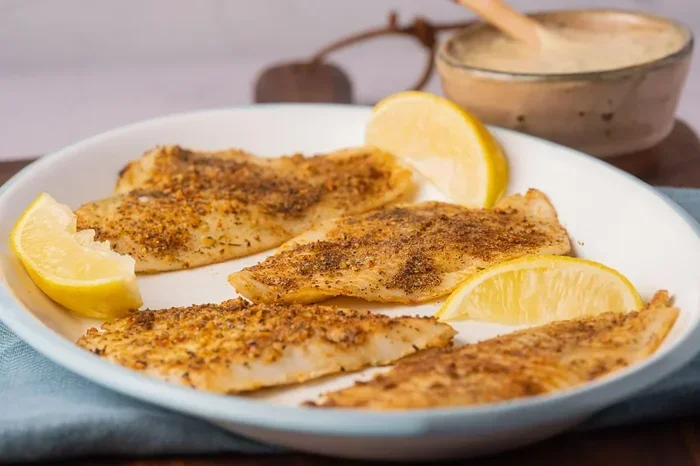
| Fish Fillets | 8-10 min | 15-20 min | 7-10 min |
| Frozen Pizza | 6-8 min | 12-15 min | 6-8 min |
| Chicken Breast | 12-15 min | 25-30 min | 10-15 min |
As you can see, the air fryer saves significant time across almost every type of food. The savings come from faster preheating and more efficient heat transfer. Over the course of a week, those minutes add up to real convenience.
Preheating Time Difference
Preheating is one of the biggest speed advantages of an air fryer. Most air fryers are ready to cook in 2 to 3 minutes. A standard oven typically needs 10 to 15 minutes to reach the same temperature. That means even before the actual cooking starts, the air fryer has a head start.
Some people skip preheating their oven altogether, which can hurt food quality. But with an air fryer, the short preheat time means you rarely feel the need to skip it. The result is better-tasting food that is ready sooner.
Energy Efficiency and Speed
Because air fryers cook faster, they also use less energy per meal. A shorter cook time means less electricity or gas consumed. For households that cook daily, this adds up to meaningful savings on utility bills over time. The energy efficiency of an air fryer is one of its most underrated benefits.
A typical air fryer uses between 1,400 and 1,800 watts. A full-size oven uses 2,000 to 5,000 watts depending on the model. Even if you only run the oven for a shorter total time, the air fryer still comes out ahead in most energy comparisons. So you get both speed and lower operating costs.
Quick Tips for Faster Cooking
- Always preheat your air fryer for 2 to 3 minutes before adding food.
- Do not overcrowd the basket. Leave space for air to flow around each piece.
- Shake or flip food halfway through cooking for even results.
- Use the correct temperature setting. Too high burns the outside while leaving the inside raw.
- Thaw frozen foods slightly before cooking to reduce overall time.
What Can You Cook Faster in an Air Fryer?
Best Foods for the Air Fryer
The air fryer excels at cooking foods that benefit from high, fast, direct heat. Here are some of the best candidates for quick air fryer meals:
- Frozen snacks: Fries, nuggets, and mozzarella sticks cook in minutes.
- Chicken and poultry: Wings, tenders, and small breasts come out crispy and juicy.
- Roasted vegetables: Broccoli, Brussels sprouts, and sweet potatoes get perfectly caramelized fast.
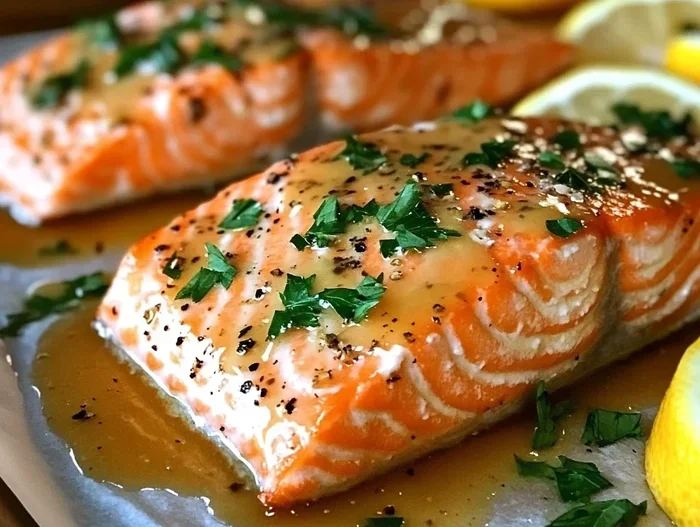
- Fish and seafood: Salmon fillets and shrimp cook through quickly without drying out.
- Reheated leftovers: Pizza, fried rice, and roasted meats taste fresh again in minutes.
- Baked goods: Muffins, small cakes, and bread rolls bake faster than in a full oven.
If you eat a lot of these foods, the air fryer will save you significant time every week. The quick recipes you can pull together make weeknight dinners much less stressful.
Texture and Crispiness Advantages
One reason the air fryer feels so fast is that it delivers great results quickly. The hot air circulation creates a crispy exterior without the need for excess oil. This means you get that satisfying crunch in a fraction of the time it would take to deep fry or even oven bake.
The crispy food factor is a big part of why people love air fryers. You are not just saving time — you are also getting a better texture in many cases. The direct contact of hot air on the food surface creates that golden-brown finish that everyone loves.
When Is an Oven the Better Choice?
Large Meals and Multiple Dishes
There are times when the oven is the better choice, even if it is slower. If you are cooking for a large family or hosting a dinner party, you need the space that only a full-size oven provides. You can fit multiple racks of food at once, which means you can serve more people without cooking in batches.
Batch cooking is a real time consideration. If you have to cook the same dish three times in your air fryer to feed six people, the total time may actually be longer than cooking everything in one oven batch. So the oven wins in situations where volume matters more than individual cook speed.
Dishes That Need Slow, Even Heat
Some recipes require gentle, consistent heat over a long period. Think of a slow-roasted pork shoulder or a delicate soufflé. The air fryer’s intense, fast-moving air can sometimes be too harsh for these dishes. The oven provides a more stable, even temperature that suits slow-cooking methods.
Bread baking is another example. While you can bake small loaves in an air fryer, a traditional oven gives you better steam control and more even rising. The oven’s slower, steadier heat allows dough to develop properly. So for artisan breads and pastries, the oven remains the preferred choice.
Multi-Layer Cooking
If you need to cook multiple layers of food at once, the oven is your friend. You can stack sheet pans and use racks to prepare several dishes simultaneously. Air fryers typically have only one basket, so you are limited to a single layer of food at a time.
This limitation makes the oven more practical for large-scale meal prep. If you are batch cooking for the week or preparing a holiday meal, the oven handles the workload far better than an air fryer.
Expert Insights on Air Fryer vs Oven Speed
What Professional Chefs Say
Many professional chefs now use air fryers in their home kitchens and even in some restaurant settings. The speed and consistency of results make them a valuable tool. However, most chefs still rely on full-size ovens for their primary cooking tasks. The two appliances are seen as complementary, not as replacements for each other.
Chef insights often highlight that the air fryer is perfect for quick weeknight meals and snacks, while the oven remains essential for more elaborate dishes. Understanding this balance helps you get the best of both worlds in your own kitchen.
Common Mistakes That Slow You Down
Even with an air fryer, you can make mistakes that eat into your time savings. Here are the most common ones to avoid:
- Overcrowding the basket: This blocks airflow and increases cook time significantly.
- Skipping preheating: Even 2 to 3 minutes of preheating makes a noticeable difference.
- Using the wrong temperature: Too low means undercooked food, and too high means burnt outsides with raw insides.
- Not shaking the basket: Food sticks and cooks unevenly, requiring more time to finish.
- Ignoring food thickness: Thicker pieces need longer cook times and may need to be flipped halfway.
Avoiding these mistakes ensures that your air fryer truly delivers on its speed promise. When you use it correctly, the time savings are real and consistent.
Final Verdict: Is an Air Fryer Quicker Than a Typical Kitchen Oven?
The answer is clear. Is an air fryer quicker than a typical kitchen oven? Yes, in almost every scenario where speed is the main priority. The air fryer preheats faster, cooks food more quickly, and uses less energy per meal. For everyday cooking like fries, chicken, vegetables, and reheating leftovers, the air fryer is the faster choice.
However, the oven still has its place. When you need to cook large quantities, prepare slow-roasted dishes, or bake multi-layer recipes, the oven is the better tool. The key is knowing which appliance to reach for based on what you are cooking and how many people you are feeding.
Most home kitchens benefit from having both appliances available. The air fryer handles quick meals and snacks with ease, while the oven takes care of the bigger, more complex cooking jobs. Together, they give you speed, versatility, and great results every time.
If you are on the fence about adding an air fryer to your kitchen, the speed advantage alone is a strong reason to try one. You will be amazed at how much time you save on your busiest weeknights. And for those times when you need the oven, it is still right there waiting for you.
Frequently Asked Questions
Does an air fryer really cook faster than an oven?
Yes, an air fryer cooks faster than a typical kitchen oven in most cases. The compact size, powerful fan, and rapid hot air circulation mean food is ready in less time. You will save anywhere from 10 to 20 minutes per meal compared to using a standard oven.
Can you use an air fryer like a regular oven?
You can use an air fryer for many of the same tasks as a regular oven, but with faster results. It works well for baking small batches, roasting vegetables, and crisping frozen foods. However, it is not ideal for very large meals or dishes that need slow, even cooking over a long time.
Is air fryer food as healthy as oven-baked food?
Air fryer food is generally considered healthier than deep-fried food because it uses little to no oil. Compared to oven-baked food, the nutritional difference is minimal. Both methods preserve nutrients well, and the air fryer actually retains more nutrients in some cases because of the shorter cook time.
Why does my air fryer take longer than expected?
If your air fryer is taking longer than expected, you may be overcrowding the basket. Blocking airflow slows down cooking significantly. Also, skipping the preheat step can add a few minutes to your total cook time. Make sure you are using the right temperature and not opening the basket too often during cooking.
Does preheating an air fryer really make a difference?
Yes, preheating makes a real difference. Just like an oven, an air fryer cooks more evenly and efficiently when it is already at the target temperature. Preheating for just 2 to 3 minutes can improve crispiness and reduce overall cook time by a few minutes.
Which is better for a small kitchen, an air fryer or an oven?
An air fryer is better for a small kitchen because it takes up minimal counter space and stores easily. It also heats up your kitchen less than a full-size oven, which is a big plus in small apartments or homes during warm weather. The compact design makes it a practical choice for kitchens with limited space.