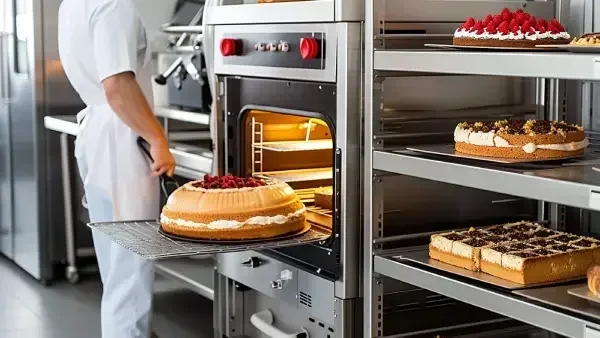
Commercial Oven For Baking Cakes And How To Select One
Choosing the right commercial oven for baking cakes is one of the most important decisions for any bakery owner. The perfect oven ensures even baking, consistent quality, and higher production speed. This guide covers every type, feature, and buying tip you need to know. Whether you run a small shop or a large bakery, you will find clear advice to help you make the best choice.
Running a bakery means you depend on your commercial oven for baking cakes every single day. The oven you choose affects the taste, texture, and appearance of every cake you bake. It also shapes how many cakes you can produce in a given hour. Choosing the wrong one can cost you time, money, and customers.
This guide walks you through everything you need to know. We will cover the different types of ovens, key features to look for, and simple tips to help you make a confident decision. By the end, you will know exactly what to look for when buying a commercial oven for baking cakes.
Key Takeaways
- Multiple oven types exist: deck ovens, convection ovens, rack ovens, and more suit different cake production needs.
- Size and capacity matter: match your oven to your daily baking volume and kitchen space.
- Temperature control is critical: precise heat settings ensure uniform cake quality every time.
- Energy efficiency saves money: look for ovens with low gas or electric consumption for long-term savings.
- Maintenance and warranty count: choose a brand with strong support and easy access to parts.
- Budget balance is key: find the best oven for baking cakes that fits your price range without sacrificing quality.
📑 Table of Contents
- Why Your Commercial Oven Matters for Cake Baking
- Types of Commercial Ovens for Baking Cakes
- Key Features to Look For in a Cake Baking Oven
- How to Select the Right Oven for Your Bakery
- Common Mistakes to Avoid When Buying a Commercial Cake Oven
- Quick Tips for Getting the Most Out of Your Oven
- Expert Insights on Commercial Cake Ovens
- Key Takeaways
- Conclusion
Why Your Commercial Oven Matters for Cake Baking
Baking cakes in a commercial setting is very different from baking at home. A home oven works fine for one or two cakes. But a bakery needs to produce dozens or even hundreds of cakes daily. That is where a commercial oven for baking cakes makes all the difference.
These ovens are built for heavy use. They offer better heat distribution, more precise temperature control, and larger capacity. A good oven ensures every cake comes out the same way, batch after batch. This consistency is what keeps customers coming back.
Consistency Is Everything
When you bake cakes for sale, every batch must look and taste the same. Customers notice if one cake is darker or less fluffy than the last. A commercial bakery oven provides even heat across all racks. This means no more hot spots or underbaked centers.
Many commercial ovens also include steam injection features. Steam helps cakes rise evenly and develop a smooth crust. These small details add up to a big difference in the final product.
Speed and Volume
Time is money in any bakery. A convection oven for cake baking circulates hot air around the food. This speeds up the baking process significantly. You can bake more cakes in less time without sacrificing quality.
For high-volume bakeries, a rack oven can handle dozens of sheet pans at once. This kind of oven is perfect for bakeries that focus on sheet cakes or large wedding cakes. The ability to bake many cakes at the same time boosts your overall cake production capacity.
Types of Commercial Ovens for Baking Cakes
Not all commercial ovens are the same. Each type has its own strengths. Let us look at the most popular options for cake baking in a commercial kitchen.
Deck Ovens
A deck oven is one of the most popular choices for artisan bakeries. It has one or more stone or metal decks where you place pans directly on the surface. The heat comes from below, which gives cakes a beautiful bottom crust.
Deck ovens are great for small to medium bakeries. They work well for layer cakes, cupcakes, and specialty desserts. The downside is that they usually have a smaller capacity compared to other commercial options.
- Best for: Artisan bakeries, boutique cake shops, and specialty dessert makers.
- Pros: Even bottom heat, excellent crust quality, and simple operation.
- Cons: Slower baking and lower volume than convection or rack models.
Convection Ovens
A commercial convection oven uses a fan to move hot air around the food. This creates a uniform baking environment. Cakes bake faster and more evenly in a convection setup.
These ovens are versatile and work well for many baking tasks. They are a solid choice for bakeries that bake a wide variety of products, not just cakes. Most convection ovens for cake baking come with adjustable racks and multiple tray positions.
- Best for: Medium to large bakeries with varied product lines.
- Pros: Fast baking, even heat, and great energy efficiency.
- Cons: Fan noise and potential for uneven rising in delicate cakes.
Rack Ovens
Rack ovens are the heavy-duty option for high-volume bakeries. They can hold multiple rack trays loaded with cake pans. The entire oven chamber heats up uniformly, and you can bake many cakes at once.
If your bakery produces hundreds of cakes daily, a rack oven is hard to beat. These are common in large commercial bakery operations and factory-style cake production lines. They are more expensive upfront but pay for themselves through speed and volume.
- Best for: Large bakeries, cake factories, and high-volume production kitchens.
- Pros: Massive capacity, fast throughput, and consistent results.
- Cons: High cost, large footprint, and complex maintenance.
Tunnel Ovens
Tunnel ovens are used for continuous baking. Cakes move through a heated tunnel on a conveyor belt. This setup is ideal for mass production of cupcakes, sheet cakes, and other standard cake formats.
Tunnel ovens are not common in small bakeries. They are designed for large-scale cake production facilities. If you are running a small shop, a tunnel oven would be overkill. But for industrial bakeries, they offer unmatched speed.
Comparison Table
| Oven Type | Best For | Capacity | Speed | Price Range |
|---|---|---|---|---|
| Deck Oven | Artisan bakeries | Small to Medium | Moderate | Low to Medium |
| Convection Oven | Medium bakeries | Medium | Fast | Medium |
| Rack Oven | High-volume bakeries | Large | Very Fast | High |
| Tunnel Oven | Mass production | Very Large | Continuous | Very High |
Key Features to Look For in a Cake Baking Oven
Not all commercial ovens offer the same features. When selecting a commercial oven for baking cakes, pay close attention to the following factors.
Temperature Control and Range
Oven temperature control is one of the most important features. Cakes need precise heat to bake properly. A good oven should let you set the temperature accurately, usually between 150°F and 500°F.
Look for ovens with digital controls and programmable settings. These allow you to save specific cake baking temperature profiles for different recipes. Some advanced models even include multi-stage baking programs that adjust heat automatically during the bake cycle.
- Digital thermostat: Provides accurate temperature readings within 1-2 degrees.
- Programmable settings: Save and repeat specific baking profiles.
- Quick recovery: The oven returns to target temperature fast after opening the door.
Heat Distribution
Even heat distribution is essential for uniform cake baking. Hot spots can cause some cakes to overbake while others come out underdone. The best commercial bakery ovens use advanced heating elements and airflow systems to eliminate uneven heat.
Convection ovens naturally offer better heat distribution thanks to their fans. Deck ovens rely on radiant heat from the deck, which can create slight variations. Rack ovens provide the most uniform heat across all trays.
Capacity and Size
Think about how many cakes you bake each day. A small bakery that makes 20 cakes a day needs a much smaller oven than a shop producing 200. Baking capacity should match your daily cake production goals.
Also consider the physical size of the oven. Measure your kitchen space before you buy. Leave room for proper ventilation and easy access. A too-large oven in a small kitchen creates clutter and safety issues.
Energy Efficiency
Energy efficiency matters more than most people realize. Commercial ovens run for hours every day, and energy costs add up fast. An energy-efficient oven for cake baking can save you hundreds of dollars per year on utility bills.
Look for ovens with good insulation and efficient heating elements. Gas ovens tend to be cheaper to run than electric ones in most areas. Some models also feature eco-mode settings that reduce energy use during idle periods.
Ease of Cleaning and Maintenance
A commercial oven gets dirty fast. Crumbs, grease, and batter build up quickly in a busy bakery. Choose an oven with removable parts, smooth interior surfaces, and easy-to-clean materials.
Regular oven maintenance keeps your equipment running smoothly and extends its lifespan. Some brands offer self-cleaning features that make this task much easier. Always check what maintenance the model requires before you buy.
Build Quality and Durability
Commercial kitchen equipment takes a beating every day. The oven you choose should be built to last. Look for stainless steel construction, heavy-duty hinges, and reliable door seals.
A well-built commercial oven for baking cakes can last 10 to 15 years or more with proper care. Cheap models may need repairs within a year or two. Always check the oven warranty and the availability of replacement parts before making a final decision.
How to Select the Right Oven for Your Bakery
Choosing the best commercial oven for baking cakes involves more than just picking the shiniest model. Follow these steps to narrow down your options and find the perfect fit.
Step 1: Assess Your Baking Volume
Start by calculating how many cakes you bake per day and per week. A bakery that produces 30 cakes daily needs a very different oven than one that makes 150. Be honest about your current volume and your growth plans for the next two to three years.
If you plan to expand, it is often better to buy a slightly larger oven now rather than replacing it soon. This saves you money and downtime in the long run.
Step 2: Evaluate Your Kitchen Space
Measure the area where the oven will go. Note the height clearance, width, and depth. Also check your kitchen’s electrical and gas connections. Some large ovens require dedicated power circuits or special gas lines.
Make sure there is enough space around the oven for ventilation and safe operation. A cramped kitchen with an oversized oven creates fire hazards and makes daily work difficult.
Step 3: Set a Realistic Budget
Commercial oven price can range from a few hundred dollars to tens of thousands. Set a budget that reflects your needs without stretching too thin. Remember to factor in installation costs, delivery fees, and any kitchen modifications needed.
A good rule of thumb is to spend about 15 to 25 percent of your total bakery equipment budget on the oven. This ensures you get a quality unit without cutting corners on other essentials.
Step 4: Compare Brands and Models
Research different brands known for quality commercial kitchen equipment. Look for customer reviews, expert ratings, and real-world performance data. Some brands are known for durability, while others excel in temperature precision.
Visit trade shows or local bakery supply stores if possible. Seeing and touching the ovens in person gives you a better feel for build quality and ease of use. Do not rely only on online descriptions and photos.
Step 5: Consider After-Sales Support
A great oven means little if you cannot get help when something goes wrong. Check the oven warranty length and what it covers. Find out if the manufacturer offers local service and repair support in your area.
Also look at the availability of spare parts. A brand with a strong parts network makes maintenance much easier. You do not want to wait weeks for a single replacement component when your oven is down.
Common Mistakes to Avoid When Buying a Commercial Cake Oven
Many bakery owners make avoidable mistakes when purchasing their first commercial oven for baking cakes. Here are the most common ones to watch out for.
Buying Based on Price Alone
The cheapest oven is rarely the best value. Low-cost models often lack proper insulation, precise temperature control, and durable components. You may end up spending more on repairs and energy bills than you saved upfront.
Instead, focus on total cost of ownership. This includes the purchase price, energy costs, maintenance expenses, and expected lifespan. A slightly more expensive oven that lasts twice as long is usually the smarter investment.
Ignoring Oven Size
Some bakery owners buy an oven that is too small for their needs. This leads to bottlenecks in production and longer working hours. Others buy one that is too large, wasting space and energy.
Take accurate measurements and calculate your actual baking needs. Leave a small margin for growth, but do not overshoot dramatically. The right size oven balances capacity with efficiency.
Overlooking Ventilation Requirements
Commercial ovens produce a lot of heat and moisture. Your kitchen needs proper ventilation to handle this output. Without adequate exhaust systems, your kitchen becomes hot and uncomfortable for staff.
Check local building codes for commercial kitchen ventilation requirements. Install the right exhaust fans and make sure your oven placement allows for proper airflow. This simple step prevents many common problems down the road.
Skipping the Trial Period
If possible, try to test the oven before committing to a purchase. Some suppliers offer demo units or trial periods. This lets you see how the oven performs with your specific recipes and baking style.
During a trial, pay attention to how evenly the cakes bake, how quickly the oven reaches temperature, and how easy it is to operate. These real-world experiences matter more than any specification sheet.
Quick Tips for Getting the Most Out of Your Oven
Once you have your commercial oven for baking cakes, a few simple practices will help you get the best performance and longevity.
- Calibrate your oven regularly: Use an oven thermometer to verify the actual temperature matches the display setting. Even small differences can affect cake quality.
- Rotate pans halfway through baking: This compensates for any minor hot spots and ensures even browning.
- Clean the oven after every shift: A quick wipe-down prevents buildup that can affect heat performance and cake flavor.
- Train your staff properly: Make sure every baker knows how to operate the oven correctly. Consistent technique leads to consistent results.
- Keep a maintenance log: Record cleaning schedules, repairs, and part replacements. This helps you stay on top of oven maintenance and catch problems early.
Expert Insights on Commercial Cake Ovens
We spoke with several experienced bakery owners and equipment specialists to gather their top advice on selecting a commercial oven for baking cakes. Here is what they had to say.
Maria Gonzalez, owner of Sweet Rise Bakery: “I wish I had invested in a better oven from the start. My first one was cheap, and I spent more on repairs in two years than the oven cost. Now I use a quality convection oven, and my cake quality has improved dramatically.”
James Chen, commercial kitchen equipment consultant: “The biggest mistake is matching the oven to today’s demand only. Think about where your bakery will be in two or three years. Buy for your future volume, not just your current output.”
Linda Park, professional pastry chef: “Temperature control is everything. Even the best cake recipe will fail in an oven that cannot hold a steady temperature. Always prioritize precision over fancy features.”
Key Takeaways
- The right oven transforms your cakes: A quality commercial oven for baking cakes improves taste, texture, and appearance in every batch.
- Match the oven type to your needs: Deck ovens suit artisan bakeries, while rack ovens serve high-volume operations.
- Capacity and size must align with your goals: Measure your space and calculate your daily baking volume carefully.
- Features like temperature control and energy efficiency pay off: These factors affect both cake quality and operating costs.
- Avoid common buying mistakes: Do not choose based on price alone, and always consider future growth.
- After-sales support is valuable: A strong warranty and reliable parts availability make ownership much easier.
Conclusion
Selecting the right commercial oven for baking cakes is a big decision, but it does not have to be overwhelming. By understanding the different oven types, knowing which features matter most, and avoiding common pitfalls, you can find the perfect oven for your bakery. A great oven delivers consistent results, boosts your cake production, and helps your business grow.
Take your time, do your research, and trust your instincts. The best commercial oven for baking cakes is the one that fits your specific needs, budget, and kitchen space. When you find the right match, you will feel the difference in every cake that comes out of the oven. Start your search today, and take the first step toward baking better cakes with confidence.
Frequently Asked Questions
What is the best type of commercial oven for baking cakes?
The best type depends on your bakery’s size and production needs. Convection ovens are versatile and popular for most bakeries. Deck ovens work well for artisan-style cakes, while rack ovens suit high-volume operations. Choose based on your daily cake production and kitchen space.
How much does a commercial oven for baking cakes cost?
Prices vary widely based on type and capacity. A basic deck oven can cost between $2,000 and $5,000. A quality convection oven typically ranges from $3,000 to $10,000. Large rack ovens can cost $15,000 or more. Always factor in installation and any kitchen modifications needed.
What temperature should I bake cakes in a commercial oven?
Most cakes bake best between 325°F and 375°F. However, the ideal cake baking temperature depends on the recipe and cake type. Always follow your recipe guidelines and use an oven thermometer to verify the actual temperature inside your commercial oven for baking cakes.
How often should I maintain my commercial cake oven?
Daily cleaning after each shift is essential. Deeper maintenance, such as checking seals, calibrating thermostats, and inspecting heating elements, should be done monthly. Following the manufacturer’s oven maintenance schedule helps extend the life of your equipment and keeps your cakes baking consistently.
Can I use a commercial oven for baking different types of cakes?
Yes, most commercial bakery ovens are versatile enough to handle various cake types, from sponge cakes to dense chocolate cakes. The key is adjusting the oven temperature control and baking time for each recipe. A good convection or deck oven provides the flexibility needed for diverse cake production.
How long does a commercial oven for baking cakes typically last?
With proper care and regular oven maintenance, a quality commercial oven for baking cakes can last 10 to 15 years or more. Stainless steel models with strong build quality tend to last the longest. Investing in a reputable brand with good oven warranty coverage also helps protect your investment over time.
=== CONCLUSION ===
Choosing the right commercial oven for baking cakes is one of the most impactful decisions you will make for your bakery. It affects every cake you bake, your daily efficiency, and your long-term profitability. By understanding the different oven types, focusing on the right features, and avoiding common mistakes, you are setting your bakery up for success.
Take the time to compare options, read reviews, and consult with equipment experts. The right commercial oven for baking cakes will serve you well for years and help you deliver the consistent, high-quality cakes your customers love. Start your search today and bake with confidence.