How Long To Cook Lamb Shoulder Chops In Oven To Perfection
How long to cook lamb shoulder chops in oven depends on thickness, oven temperature, and your desired doneness. This guide gives you clear cooking times, a simple step-by-step method, and expert tips to ensure tender, flavorful lamb every time. You’ll learn the ideal internal temperature, why searing matters, and how to avoid common mistakes. Follow these steps for oven-baked lamb chops that melt in your mouth.
Lamb shoulder chops are a cut packed with deep, savory flavor. They come from the shoulder area, which has plenty of connective tissue that breaks down during slow cooking. When you cook lamb shoulder chops in oven, you get a tender, juicy result that’s hard to beat. Many home cooks worry about the timing, but it’s simpler than you think. The key is knowing the right temperature and how long to leave them in the heat. With a few straightforward steps, you can serve a restaurant-quality meal on any weeknight.
How long to cook lamb shoulder chops in oven is the question that holds the secret to perfect, juicy meat every time. This guide gives you the exact cooking time, temperature, and simple steps to achieve tender, oven-baked lamb with a beautiful crust. You’ll learn the ideal internal temperature, how to sear for flavor, and why resting matters. By the end, you’ll confidently roast lamb shoulder chops like a pro.
The beauty of oven-baked lamb chops is that you don’t need fancy equipment. A basic oven, a baking dish, and a meat thermometer are all you need. Whether you’re feeding a family or hosting a dinner party, these chops deliver big flavor with minimal effort. Let’s dive into the details so you can get started right away.
Key Takeaways
- Target 375°F to 400°F: This range gives a good crust while keeping the inside juicy.
- Cook 1-inch thick chops for 20–25 minutes: Thicker cuts need 30–35 minutes at a lower temp.
- Use a meat thermometer: Pull the lamb at 145°F for medium-rare, 160°F for medium.
- Sear before roasting: A hot pan creates a flavorful crust that locks in moisture.
- Rest the meat for 5–10 minutes: This lets juices redistribute for a tender bite.
- Avoid overcooking: Lamb shoulder chops dry out quickly past 160°F internal temp.
- Experiment with herbs: Rosemary, garlic, and oregano boost the natural richness of lamb.
📑 Table of Contents
Understanding Lamb Shoulder Chops
What Makes Lamb Shoulder Chops Special
Lamb shoulder chops come from the front leg and shoulder area of the animal. This part works hard, which means it has more marbling and connective tissue than leaner cuts. That extra fat and collagen is a good thing. During oven-baked lamb cooking, the heat slowly melts the collagen, turning tough fibers into melt-in-your-mouth tenderness. The result is a rich, lamb-forward flavor that you can’t get from leaner cuts.
These chops are usually thicker than loin chops, often around 1 to 1.5 inches. That thickness is perfect for oven roasting because it allows the inside to cook gently without drying out. The bone-in version adds even more flavor, though boneless chops cook a bit faster. Both work beautifully in the oven.
Choosing the Right Chops
When shopping for lamb shoulder chops, look for a bright, cherry-red color. The fat should be creamy white, not yellow or gray. Good marbling—those thin streaks of fat running through the meat—means juicier results. Avoid chops that look dry or have a strong, off-putting smell.
Size matters too. For even cooking, pick chops that are about the same thickness. If you have a mix of thin and thick pieces, the thin ones will overcook while the thick ones are still underdone. A quick trim of excess fat can prevent flare-ups, but leave some fat for flavor. Let the chops come to room temperature for about 30 minutes before cooking. This small step helps them cook more evenly.
Quick Tips
- Choose chops that are 1 to 1.5 inches thick for the best oven results.
- Bone-in chops give more flavor, but boneless cook a few minutes faster.
- Pat the meat dry with paper towels before seasoning for a better sear.
- Remove the lamb from the fridge 30 minutes before cooking.
How Long To Cook Lamb Shoulder Chops In Oven
The answer to how long to cook lamb shoulder chops in oven depends on three things: oven temperature, chop thickness, and your preferred level of doneness. There is no single magic number, but I’ll give you reliable ranges so you can plan with confidence.
Ideal Oven Temperature for Lamb Chops
Most oven-baked lamb recipes call for a temperature between 375°F and 400°F. This range is hot enough to create a browned crust but gentle enough to cook the inside without drying it out. If you want a slower, more tender result, you can drop the temperature to 325°F and increase the time. A lower temperature gives the collagen more time to break down, which is great for thicker chops.
Here’s a simple rule of thumb:
- 375°F to 400°F: Great for 1-inch to 1.25-inch thick chops. Faster cooking, good crust.
- 350°F: A middle ground for 1.5-inch chops. Even cooking, less risk of drying out.
- 325°F: Best for 2-inch thick chops or when you want extra tenderness. Longer cook time.
Cooking Time by Thickness
Thickness is the biggest factor in determining cook time. Use this table as a starting point for lamb shoulder chops cooked at 375°F. Always check the internal temperature with a meat thermometer for the best results.
| Chop Thickness | Oven Temp | Approx. Cooking Time | Internal Temp (°F) |
|---|---|---|---|
| 1 inch | 375°F | 20–25 minutes | 145°F (medium-rare) – 160°F (medium) |
| 1.25 inches | 375°F | 25–30 minutes | 145°F – 160°F |
| 1.5 inches | 350°F | 25–30 minutes | 145°F – 160°F |
| 2 inches | 325°F | 30–35 minutes | 145°F – 160°F |
These times assume you start with chops at room temperature. If you forget to take them out early, add 5 minutes to the cook time. The goal is to reach the internal temperature that matches your doneness preference, not just to hit a clock time.
Internal Temperature Guide
The internal temperature is the only true measure of doneness for lamb shoulder chops. Here’s what the numbers mean:
- 145°F (medium-rare): The center will be pink and juicy. This is the most popular choice for lamb.
- 155°F (medium): A slightly pink center with a firmer texture. Still very tender.
- 160°F (medium-well): Little to no pink. Be careful not to go above 160°F, or the meat can dry out.
- 165°F+ (well-done): Not recommended for lamb shoulder chops. The meat becomes tough and loses its rich flavor.
Remember that the temperature will rise about 5°F after you pull the chops from the oven. This is called carryover cooking. So if you want a final temp of 145°F, pull the chops at 140°F.
Expert Insight
Professional chefs often say that temperature matters more than time. Every oven runs a little differently, and the starting temperature of the meat varies. A reliable meat thermometer removes all the guesswork from how long to cook lamb shoulder chops in oven. It’s the single best tool for consistent results.
Step-by-Step Oven Method for Perfect Lamb Chops
Now that you know the times and temperatures, let’s walk through the actual process. This method works for bone-in or boneless lamb shoulder chops and gives you a beautiful crust and juicy interior.
Preheating and Preparing the Pan
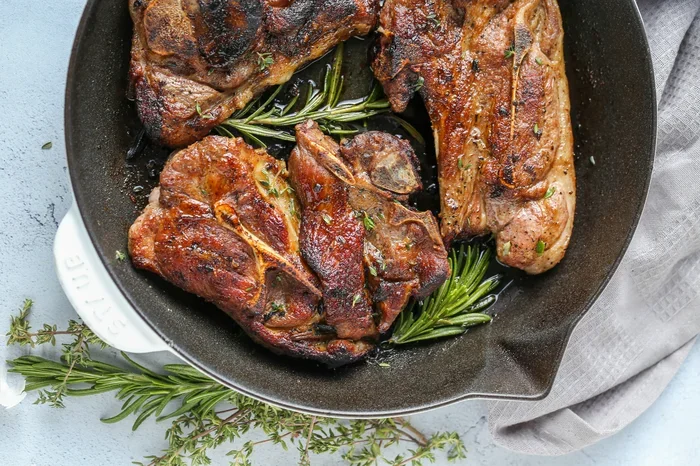
Start by preheating your oven to the chosen temperature—375°F is a great all-around choice. While the oven heats, place a baking dish or oven-safe skillet on the stove. You’ll use this for searing, then transfer it to the oven. A cast iron skillet is ideal because it holds heat well, but any heavy oven-safe pan works.
Lightly grease the pan with a tablespoon of olive oil or butter. You don’t want a puddle of oil—just a thin coating to prevent sticking. If your chops have a lot of fat, you may not need any added oil at all.
Seasoning the Lamb Shoulder Chops
Seasoning is simple but important. Pat the chops dry with paper towels. Then sprinkle both sides generously with salt and freshly ground black pepper. Salt draws out moisture, which helps create a better sear. Let the seasoned chops sit for 10–15 minutes while the oven preheats. This also brings them closer to room temperature for even cooking.
For extra flavor, you can add garlic powder, onion powder, dried rosemary, or oregano. A light brush of olive oil mixed with minced garlic and herbs creates a fragrant crust. Keep the seasoning simple to let the natural taste of the lamb shine through.
Searing for a Flavorful Crust
Searing is the step that adds deep, savory flavor. Place the pan over medium-high heat and let it get hot. Add a small splash of oil if needed, then lay the chops in the pan. You should hear a satisfying sizzle. Don’t move the chops for 2–3 minutes. Let the heat do its work and form a golden-brown crust.
Flip the chops and sear the other side for another 2 minutes. This step only takes a few minutes total, but it makes a huge difference in the final taste. The crust locks in juices and adds a beautiful color to the finished dish.
Oven Roasting Until Done
Once both sides are seared, transfer the pan directly into the preheated oven. Roast the lamb shoulder chops until they reach your target internal temperature. For a 1-inch chop at 375°F, this usually takes 20–25 minutes. Use a meat thermometer inserted into the thickest part of the meat, avoiding the bone if present.
Don’t open the oven door too often. Every time you open it, the temperature drops, which can extend the cook time. Trust the process and check the temp after the minimum suggested time. If the chops are close to done but not quite there, add 5 minutes and check again.
The Resting Period
When the chops hit the right temperature, take them out of the oven. Let them rest on a warm plate for 5–10 minutes before cutting. This resting period is crucial. The juices inside the meat redistribute and settle, which means each bite will be moist and tender. If you cut too soon, the juices run out onto the plate, and the meat can dry out quickly.
Tent the chops loosely with aluminum foil to keep them warm while they rest. Don’t wrap them tightly, or you’ll trap steam and soften the crust. After resting, the internal temperature will rise another 3–5°F, bringing the chops to their final perfect doneness.
Tips for Perfectly Tender Lamb Chops
Why Searing Matters
Searing isn’t just about looks. The Maillard reaction—a chemical process that happens when meat hits a hot surface—creates hundreds of new flavor compounds. This is what gives oven-baked lamb its rich, savory aroma and deep brown crust. Without searing, the chops will still cook, but they’ll lack that complex, restaurant-quality flavor.
Make sure your pan is hot before adding the chops. A cold pan leads to steaming instead of searing, which results in a gray, bland exterior. If you’re using a baking dish instead of a skillet, you can sear the chops in a separate skillet first, then transfer them to the dish for roasting.
Using a Meat Thermometer
A meat thermometer is the best investment you can make for lamb shoulder chops. Instant-read thermometers give you a reading in seconds and take the guesswork out of cooking. Insert the probe into the center of the thickest part, away from the bone. Clean the thermometer between checks for an accurate reading.
Many people rely on color or touch to judge doneness, but those methods are unreliable. A lamb chop can look pink at 140°F or 150°F depending on the cut and marinade. The thermometer gives you a precise number and ensures food safety while keeping the meat perfectly tender.
Avoiding Overcooking
Overcooking is the most common mistake when learning how long to cook lamb shoulder chops in oven. Lamb shoulder chops have more fat and connective tissue than lean cuts, which makes them forgiving up to a point. But once the internal temp climbs past 160°F, the muscle fibers tighten and squeeze out moisture. The result is dry, tough meat.
To avoid this, pull the chops off the heat a few degrees early. Remember the carryover cooking effect. If you’re aiming for medium-rare at 145°F, remove them at 140°F. Let the resting period do the rest. This simple habit keeps your lamb shoulder chops juicy and flavorful every time.
Quick Tips
- Always pat the meat dry before searing for a better crust.
- Don’t skip the resting period—it’s when the juices redistribute.
- Use a heavy-bottomed pan to maintain steady heat.
- Let the lamb come to room temperature before cooking for even results.
- Clean your thermometer between reads to avoid false readings.
Common Mistakes to Avoid When Cooking Lamb Chops
Skipping the Sear
Some people go straight from seasoning to the oven to save time. That’s a mistake. The sear adds a layer of flavor that the oven alone can’t create. It also helps the outside of the chop set, which keeps the inside moist during roasting. Even a quick 2-minute sear on each side makes a noticeable difference in the final dish.
Cutting Into the Meat Too Soon
It’s tempting to peek at the chop as soon as it comes out of the oven. Resist that urge. Cutting into the meat releases the juices you’ve worked to keep inside. Wait the full 5–10 minutes for resting. You’ll be rewarded with a juicier, more flavorful bite. Use the waiting time to prepare a simple side dish or make a quick pan sauce with the drippings.
Wrong Oven Temperature
An oven that’s too hot will burn the outside before the inside is cooked. An oven that’s too cool will dry the chops out over a long cook time. Always preheat your oven fully before putting the lamb in. If your oven runs hot or cold, use an oven thermometer to verify the actual temperature. A 25-degree difference can change the cook time by 10 minutes or more.
Flavor Variations and Serving Ideas
Herb Crusts and Marinades
Lamb shoulder chops pair beautifully with herbs. A simple herb crust of chopped rosemary, thyme, and garlic mixed with olive oil and salt creates a fragrant, crispy topping. Spread the mixture over the chops before roasting, or add it during the last 10 minutes of cooking to prevent burning.
For a Mediterranean twist, marinate the chops in olive oil, lemon juice, oregano, and a pinch of red pepper flakes for 30 minutes before cooking. The acid in the lemon tenderizes the surface slightly, adding brightness to the rich lamb flavor. Just don’t marinate too long—acid can start to break down the meat and make it mushy if left overnight.
Garlic and Rosemary Lamb Chops
This classic combination is hard to beat. Mince 3–4 cloves of garlic and mix them with 2 tablespoons of olive oil, a teaspoon of fresh rosemary, salt, and pepper. Rub the mixture all over the chops. The garlic becomes fragrant and slightly sweet as it roasts, while the rosemary adds a piney, earthy note. This simple seasoning works for any oven temperature and brings out the best in the lamb.
Best Sides to Serve with Lamb
Lamb shoulder chops are rich and hearty, so they pair well with lighter, fresh sides. Roasted vegetables like asparagus, carrots, or zucchini make a colorful plate. A bright mint sauce or chimichurri adds a fresh contrast to the savory meat. Creamy mashed potatoes or a simple grain salad soak up the juices beautifully. For a lighter option, a crisp cucumber and tomato salad with feta cheese complements the lamb without overwhelming it.
Conclusion
How long to cook lamb shoulder chops in oven is really about understanding temperature, thickness, and the importance of a good sear. With the right oven temp, a reliable meat thermometer, and a little patience, you can achieve tender, juicy lamb that impresses everyone at the table. The steps are simple: season, sear, roast to the correct internal temperature, and rest before serving.
Remember that every oven is different, so use the times and temperatures here as a guide, not a strict rule. Trust your thermometer, let the meat rest, and don’t be afraid to experiment with herbs and flavors. Once you master oven-baked lamb chops, you’ll have a go-to recipe for special occasions and everyday dinners alike. Enjoy the process, and savor every bite of that beautifully roasted lamb shoulder.
Frequently Asked Questions
Can I cook lamb shoulder chops from frozen?
It’s best to thaw them first for even cooking. If you cook from frozen, add at least 10–15 extra minutes to the roasting time, and use a meat thermometer to check doneness. Thawing in the refrigerator overnight is the safest method.
What is the best internal temperature for lamb shoulder chops?
145°F for medium-rare is the most popular choice, giving you a pink and juicy center. If you prefer more well-done, aim for 160°F, but be careful not to exceed that, or the meat can dry out.
Do I need to cover the lamb chops while roasting?
No, leave them uncovered. Covering traps steam and prevents the crust from forming. The uncovered roast allows the surface to brown and become beautifully caramelized.
Can I use a convection oven for lamb chops?
Yes, convection ovens work well. Reduce the temperature by 25°F from the standard recipe and check for doneness a few minutes earlier. The fan circulates hot air more evenly, which can speed up cooking slightly.
How do I know if the lamb chops are done without a thermometer?
Press the center of the chop with your finger. A medium-rare chop will feel soft and springy, like the fleshy part of your palm when you touch your thumb to your middle finger. For a more reliable result, use a meat thermometer every time.
Can I sear lamb chops in a grill pan instead of a skillet?
Absolutely. A cast iron grill pan gives great sear marks and flavor. Preheat it over medium-high heat, brush it lightly with oil, and sear the chops for 2–3 minutes per side before transferring to the oven.