What To Cook Yams On In Oven And Get Amazing Results
Learning what to cook yams on in oven setups makes all the difference between bland and brilliant results. This guide covers every surface, temperature, and technique you need to know. You will find simple tips for crispy, caramelized yams that pair perfectly with any meal. Whether you bake whole yams or cut them into cubes, the right method brings out their natural sweetness.
There is something deeply satisfying about pulling a tray of oven baked yams out of the oven. The warm, caramelized edges and soft, sweet centers make them a favorite side dish for countless meals. But here is the thing many people miss. What you cook yams on in the oven can completely change the outcome.
Not every baking sheet, rack position, or liner works the same way. The surface your yams sit on affects how they brown, how evenly they cook, and how crispy or soft they turn out. This guide walks you through everything you need to know about baking yams in the oven the right way. You will learn which tools work best, what temperatures to use, and simple tricks that take your yam recipes from ordinary to amazing.
Whether you are a beginner in the kitchen or a seasoned home cook, these tips will help you achieve perfectly roasted yams every single time. Let us dive in.
Key Takeaways
- Parchment paper is the best liner for oven baked yams: it prevents sticking and promotes even browning.
- Cook yams at 400°F to 425°F for the best texture: this range creates a crispy exterior and soft, fluffy interior.
- Cut yams into uniform pieces for consistent cooking: this ensures every piece cooks at the same rate.
- Whole yams take longer than cut yams: plan for 45 to 60 minutes for whole yams versus 25 to 35 minutes for cubes.
- Seasoning before baking makes a big difference: olive oil, salt, pepper, and garlic bring out deep flavor.
- The oven rack position matters: placing yams on the middle rack allows hot air to circulate evenly.
- Let yams rest after baking: resting helps the interior set and improves texture.
📑 Table of Contents
- Why What You Cook Yams On Matters
- Best Surfaces and Liners for Cooking Yams
- Best Temperatures for Cooking Yams in the Oven
- How to Prepare Yams for the Oven
- Common Mistakes When Cooking Yams in the Oven
- Expert Tips for Perfectly Cooked Yams Every Time
- Delicious Ways to Serve Oven Baked Yams
- Nutrition and Health Benefits of Yams
- Quick Tips for Cooking Yams in the Oven
- Conclusion
Why What You Cook Yams On Matters
Most people think cooking yams is simple. You toss them in oil, throw them on a tray, and bake. But small details change everything. The surface and setup you use directly impact the final result.
Surface Contact and Browning
Yams need direct contact with heat to develop a golden, crispy exterior. If you place them on a crowded or uneven surface, some pieces steam instead of roast. This leads to soft, pale yams instead of the caramelized yams you are craving. Using a single layer on a proper baking sheet gives every piece enough space to breathe and brown.
Heat Circulation
Ovens work by circulating hot air around food. When you block that airflow, cooking becomes uneven. Thin liners like parchment paper allow air to pass through. Thick foil can trap steam and change the texture. Understanding how heat circulation works helps you choose the right setup for oven roasted yams.
Moisture Control
Yams release moisture as they cook. Where that moisture goes matters a lot. A good liner absorbs excess oil and prevents sticking. The wrong liner traps steam and makes yams soggy. Controlling moisture is one of the simplest ways to improve your baked yams.
Best Surfaces and Liners for Cooking Yams
The surface you choose to place yams on is the foundation of great results. Let us look at the most common options and what each one does best.
Parchment Paper
Parchment paper is the top choice for most home cooks. It creates a non-stick surface without adding extra grease. Hot air flows freely through the paper, which means even browning. Cleanup is a breeze too. Simply lift the parchment off the tray and toss it away.
Here are the benefits of using parchment paper for baking yams in the oven:
- Prevents sticking without excess oil
- Allows heat to circulate evenly
- Makes cleanup fast and easy
- Works well at high oven temperatures
- Promotes crispy edges on yam cubes
Aluminum Foil
Foil gets a bad reputation among oven roasted yams lovers, but it has its place. Foil creates a sealed environment that traps steam. This can be useful when you want soft, tender yams with less browning. However, foil blocks airflow, which means you lose some of that crispy texture.
Use foil when you want:
- Softer, more steamed yams
- Easy cleanup with no sticky residue
- A barrier against drips on the oven floor
Baking Sheets and Sheet Pans
The baking sheet itself matters more than most people realize. A heavy-gauge sheet pan distributes heat evenly. Thin, warped pans create hot spots that burn some yam pieces while leaving others undercooked. Look for a sturdy, rimmed baking sheet that sits flat in your oven.
Wire Racks
For the crispiest oven baked yams, try a wire rack set over a baking sheet. The rack allows hot air to reach the bottom of every yam piece. This creates a uniform crispy texture on all sides. It takes a little more setup, but the results are worth it.
Comparison Table: Best Surfaces for Cooking Yams
| Surface | Crispiness | Ease of Use | Cleanup | Best For |
|---|---|---|---|---|
| Parchment Paper | High | Easy | Very Easy | Even browning and crispy edges |
| Aluminum Foil | Low to Medium | Easy | Easy | Soft, steamed yams |
| Baking Sheet Alone | Medium | Easy | Moderate | Quick weeknight cooking |
| Wire Rack | Very High | Moderate | Easy | Maximum crispiness on all sides |
Best Temperatures for Cooking Yams in the Oven
Temperature is one of the most important factors in yam recipes. Too low and the yams turn out pale and soft. Too high and the edges burn before the center cooks through. The sweet spot for most oven baked yams falls between 400°F and 425°F.
Why 400°F to 425°F Works Best
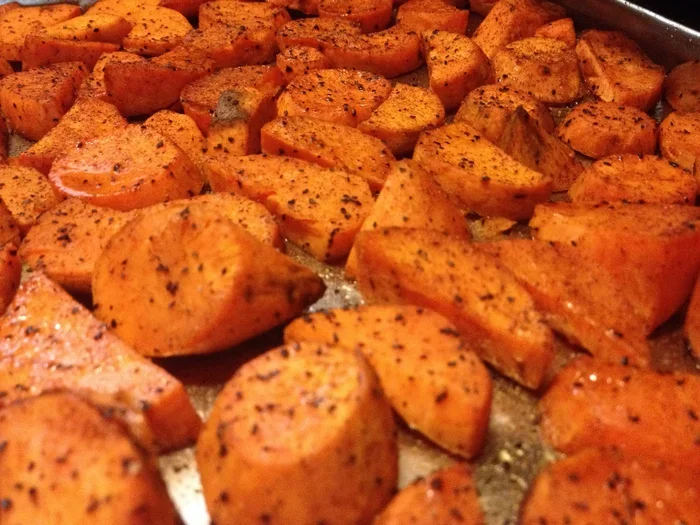
At this temperature range, the sugars in yams begin to caramelize quickly. This creates that beautiful golden-brown exterior and rich, sweet flavor. The heat is also high enough to cook the interior thoroughly without drying it out. Roasted yam cubes come out perfectly tender when baked in this range.
Here is a quick guide to yam cooking temperature settings:
- 375°F: Slower cook, softer texture, less browning
- 400°F: Balanced cook, good browning, tender interior
- 425°F: Faster cook, crispy edges, slightly firmer center
- 450°F and above: Risk of burning, best for small cubes only
How Long to Cook Yams
Cooking time depends on the size and shape of your yams. Whole yams take much longer than cut pieces. Here is a simple breakdown:
- Whole yams: 45 to 60 minutes at 400°F
- Large yam wedges: 30 to 40 minutes at 400°F
- Medium yam cubes: 25 to 35 minutes at 400°F to 425°F
- Small yam cubes: 20 to 25 minutes at 425°F
Always check for doneness by poking a fork into the thickest piece. It should slide in easily with no resistance. If the outside looks done but the inside is still hard, give it a few more minutes.
How to Prepare Yams for the Oven
Proper preparation sets the stage for amazing oven roasted yams. Skipping this step leads to uneven cooking and bland flavor. A few extra minutes of prep makes a huge difference.
Peeling or Not Peeling
One of the first decisions you face is whether to peel your yams. The skin is edible and contains fiber and nutrients. Leaving the skin on also helps the yam hold its shape during baking. However, if the skin is tough or dirty, peeling is the better choice.
Here is a quick guide to help you decide:
- Leave the skin on: When the yam is fresh, organic, and thoroughly washed
- Peel the yam: When the skin is thick, wrinkled, or not organic
Cutting for Even Cooking
Cutting yams into uniform pieces is one of the most overlooked tips for baking yams in the oven. Uneven pieces mean some burn while others stay raw. Aim for pieces that are about the same size. For cubes, try one-inch pieces. For wedges, keep them about half an inch thick.
Use a sharp knife and a stable cutting board. A dull knife crushes the yam instead of cutting it cleanly. This releases extra moisture and affects the final texture.
Seasoning Before Baking
Seasoning is where you can truly personalize your yam recipes. A simple blend of olive oil, salt, pepper, and garlic powder works beautifully for most people. But you can get creative too.
Try these popular seasoning combinations for seasoned yams:
- Classic: Olive oil, salt, black pepper, garlic powder
- Sweet and Warm: Coconut oil, cinnamon, brown sugar, nutmeg
- Savory Herb: Olive oil, rosemary, thyme, salt, paprika
- Spicy: Olive oil, cayenne pepper, smoked paprika, cumin
Toss the yam pieces gently in a large bowl to coat them evenly. Do not overcrowd the bowl. Work in batches if needed to ensure every piece gets coated.
Common Mistakes When Cooking Yams in the Oven
Even experienced cooks make mistakes with oven baked yams. Knowing what to avoid saves time, ingredients, and frustration.
Overcrowding the Pan
This is the number one mistake people make. When yam pieces touch or overlap, they steam instead of roast. The result is soft, pale yams with no crispy edges. Always spread yams in a single layer with space between each piece. If you need more room, use two baking sheets and rotate them halfway through cooking.
Skipping the Preheat
Putting yams in a cold oven leads to uneven cooking. The yams start to cook slowly as the oven warms up, which changes the texture. Always preheat your oven to the target temperature before placing the yams inside. Most ovens need 10 to 15 minutes to reach 400°F to 425°F.
Not Tossing in Enough Oil
Yams need a thin, even coating of oil to brown properly. Too little oil means dry, sticking yams. Too much oil makes them greasy. Use about one tablespoon of oil per pound of yams. Toss them gently until every piece is lightly coated, not dripping.
Opening the Oven Door Too Often
Every time you open the oven door, heat escapes. This drops the temperature and slows cooking. Resist the urge to peek too often. Check the yams only once or twice during baking. Use the oven light to peek without opening the door.
Expert Tips for Perfectly Cooked Yams Every Time
These expert insights come from years of testing and refining yam recipes in home kitchens. They take your oven roasted yams from good to restaurant quality.
Use the Middle Rack
Place your baking sheet on the middle oven rack. This position allows hot air to flow evenly around the yams. The top rack browns too quickly, and the bottom rack receives less heat. The middle rack gives you the most balanced results for baked yams.
Let Them Rest After Baking
When the timer goes off, do not dig in right away. Let the yams rest on the baking sheet for 5 to 10 minutes. This resting period allows the interior to set and the flavors to settle. Resting yams also makes them easier to handle and less likely to fall apart.
Add a Finishing Touch
A small finishing touch can elevate caramelized yams from simple to stunning. Try a drizzle of honey or maple syrup right out of the oven. Sprinkle fresh herbs like parsley or chives for color and freshness. A tiny pinch of flaky sea salt on top adds a satisfying crunch.
Store and Reheat Properly
If you have leftovers, store them in an airtight container in the refrigerator for up to 5 days. Reheat in the oven at 350°F for 10 to 15 minutes. Avoid microwaving if you want to keep the crispy texture. The microwave steams the yams and makes them soft.
Delicious Ways to Serve Oven Baked Yams
Oven roasted yams are incredibly versatile. They work as a side dish, a snack, or even a base for a full meal. Here are some easy serving ideas to inspire you.
As a Simple Side Dish
Serve baked yams alongside roasted chicken, grilled steak, or baked salmon. The natural sweetness of the yams complements savory proteins perfectly. A sprinkle of fresh herbs and a drizzle of olive oil makes this a complete, beautiful plate.
In a Yam Bowl
Build a hearty yam bowl by placing roasted yam cubes over a bed of greens. Add quinoa, black beans, avocado, and a squeeze of lime. This makes a filling vegetarian meal that is packed with nutrition and flavor.
As a Healthy Snack
Small roasted yam cubes make a great snack on their own. Serve them with a yogurt dip or a spicy aioli. Kids and adults alike love these crispy bites as an after-school snack or party appetizer.
Nutrition and Health Benefits of Yams
Yam nutrition is one of the reasons these root vegetables deserve a regular spot on your plate. Yams are packed with complex carbohydrates, fiber, and essential vitamins. They provide a steady source of energy without the sugar crash that refined carbs cause.
A single cup of baked yams delivers a significant amount of vitamin C, potassium, and manganese. The fiber content supports healthy digestion. The natural sugars in yams are released slowly into the bloodstream, which helps maintain stable energy levels throughout the day.
When you bake yams in the oven instead of frying them, you keep the calorie count low while preserving most of the nutrients. Oven baked yams are one of the healthiest and most delicious ways to enjoy this nutritious vegetable.
Quick Tips for Cooking Yams in the Oven
Keep these quick tips in mind every time you prepare oven roasted yams:
- Always preheat the oven before placing yams inside
- Use parchment paper for the easiest cleanup and best browning
- Cut yams into uniform sizes for even cooking
- Do not overcrowd the baking sheet
- Toss yams in oil and seasoning before baking
- Check doneness with a fork in the thickest piece
- Let yams rest for 5 to 10 minutes after baking
- Store leftovers in an airtight container in the fridge
Conclusion
What to cook yams on in oven setups does not have to be complicated. With the right surface, temperature, and a little preparation, you can achieve perfectly baked yams every time. Parchment paper on a sturdy baking sheet at 400°F to 425°F is the winning combination for most cooks. Remember to cut your yams evenly, season them well, and give them enough space on the pan.
Avoid the common mistakes like overcrowding, skipping the preheat, and opening the oven too often. These small changes lead to noticeably better results. Whether you prefer crispy roasted yam cubes or soft, whole baked yams, the tips in this guide will help you get there.
Now it is your turn. Pick your favorite yam recipes, gather your ingredients, and try these techniques in your own kitchen. The difference will be immediate and delicious. Enjoy your oven baked yams and share them with the people you love. Happy cooking.
Frequently Asked Questions
Can I cook yams on aluminum foil in the oven?
Yes, you can cook yams on aluminum foil, but it will produce softer yams with less browning. Foil traps steam and blocks airflow, which reduces crispiness. For the best results with crispy oven roasted yams, use parchment paper instead.
How long does it take to bake whole yams in the oven?
Whole yams take about 45 to 60 minutes at 400°F. The exact time depends on the size of the yam. Larger yams may need up to 70 minutes. Check for doneness by inserting a fork into the thickest part. It should slide in easily when the yam is fully cooked.
Do I need to peel yams before baking them in the oven?
No, you do not need to peel yams before baking. The skin is edible and contains fiber and nutrients. However, make sure to wash the yams thoroughly if you leave the skin on. Peel them if the skin is thick, wrinkled, or not organic.
What temperature is best for cooking yams in the oven?
The best yam cooking temperature is between 400°F and 425°F. This range creates a good balance of crispy edges and a tender interior. Lower temperatures result in softer yams with less browning, while higher temperatures increase the risk of burning.
Can I prepare yams ahead of time and bake them later?
Yes, you can cut and season yams ahead of time. Store them in an airtight container in the refrigerator for up to 24 hours. When ready to bake, spread them on a parchment-lined tray and bake as usual. This saves time on busy days when you want quick oven baked yams.
How do I reheat leftover baked yams without making them soggy?
The best way to reheat leftover oven roasted yams is in the oven at 350°F for 10 to 15 minutes. Avoid using the microwave, as it steams the yams and makes them soft. Reheating in the oven restores the crispy texture and brings back the delicious caramelized flavor.
=== CONCLUSION ===
What to cook yams on in oven setups is simpler than most people think. With parchment paper, the right temperature, and a little care, you can create beautifully caramelized yams that steal the show at any dinner table. The key is to give your yams space, keep the oven hot, and resist the urge to rush the process. Follow the tips in this guide, experiment with different seasonings, and you will never look back. Your oven baked yams are about to become a family favorite.