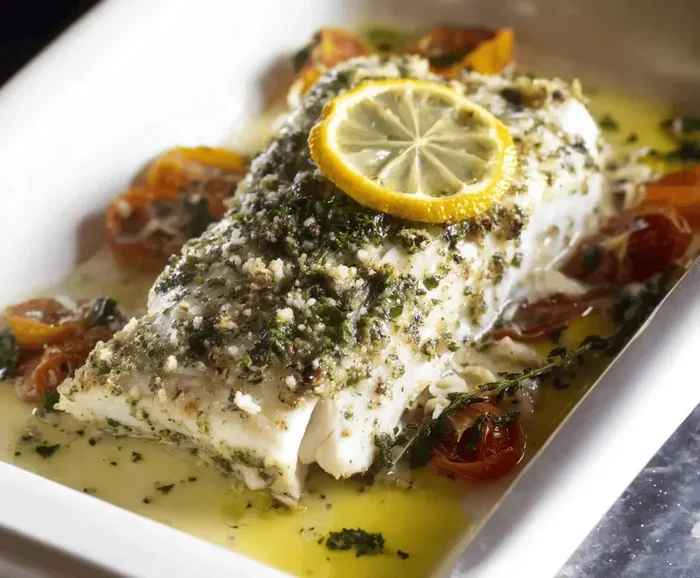
How Long To Bake Fish Fillet In Oven For Best Results
Discover the perfect how long to bake fish fillet in oven with this easy guide. You’ll learn the ideal temperature, timing, and tricks for moist, flaky fish every time. Whether you’re baking salmon, cod, or tilapia, this oven-baked fish fillet method delivers restaurant-quality results at home with simple steps and a tested recipe.
There is nothing quite like a perfectly baked fish fillet. It’s healthy, fast, and incredibly delicious. Many people worry about drying out their fish, but the right method changes everything. I will show you exactly how long to bake fish fillet in oven for the best results. This guide covers time, temperature, and simple tricks that work every time. You will learn how to get a flaky, moist fillet with crispy edges. Whether you are a beginner or a busy cook, this method fits your life.
Baking fish in the oven is one of the easiest cooking methods. You need little more than a fillet, some seasoning, and a hot oven. The key is knowing the right time and temperature. I have tested many recipes to find the perfect balance. In this article, I will share my tested approach. You will also find tips to avoid common mistakes. By the end, you will feel confident baking any fish fillet. Let us dive into the simple steps that guarantee success.
Key Takeaways
- Ideal baking time: 10-15 minutes at 400°F for most fillets, depending on thickness.
- Temperature matters: 400°F is the sweet spot for crispy edges and a moist interior.
- Use parchment paper: It prevents sticking and makes cleanup a breeze.
- Check doneness early: The fork test and internal temperature of 145°F ensure perfect results.
- Rest the fish: Let it sit for 3 minutes after baking to lock in juices.
- Season simply: Olive oil, lemon, and herbs bring out the best flavor.
📑 Table of Contents
- Why Baking Fish Fillet In Oven Is The Best Method
- How Long To Bake Fish Fillet In Oven – Time & Temperature Guide
- Step-By-Step Guide To Oven-Baked Fish Fillet
- Tips For Moist And Crispy Baked Fish Fillet
- How To Tell When Fish Fillet Is Done
- Variations And Flavor Ideas For Baked Fish Fillet
- Conclusion
Why Baking Fish Fillet In Oven Is The Best Method
Oven baking offers even heat that cooks fish gently. Unlike stovetop cooking, you do not need to flip the fillet. This means less fuss and more consistent results. The dry heat also creates a lovely texture on the outside while keeping the inside tender. You can cook multiple fillets at once, making it great for family dinners. Another big advantage is simplicity. You season the fish, pop it in the oven, and wait a few minutes. There is no need to watch it constantly.
Using an oven also gives you more control over crispiness. You can line the baking sheet with parchment paper for a gentle steam, or use a light brush of oil for a crunchier finish. The oven temperature for fish fillet is usually around 400°F, which is hot enough to cook quickly but not burn. This method works for thin tilapia fillets and thick salmon cuts alike. I always recommend oven-baked fish because it feels special yet requires almost no effort. It is a weeknight dinner hero.
How Long To Bake Fish Fillet In Oven – Time & Temperature Guide
The general rule for how long to bake fish fillet in oven is 10 to 15 minutes at 400°F. However, thickness changes everything. A thin fillet might need only 8 minutes, while a thick steak could take 20 minutes. The goal is to cook the fish until it reaches an internal temperature of 145°F. At that point, it is safe and perfectly moist. I always suggest checking early to avoid overcooking.
Here is a quick comparison of common fish fillets and their baking times. This chart assumes a fillet thickness of about 1 inch and an oven temperature of 400°F.
| Fish Type | Thickness | Baking Time | Result |
|---|---|---|---|
| Tilapia | 1/2 inch | 8-10 minutes | Light and flaky |
| Cod | 1 inch | 12-15 minutes | White and tender |
| Salmon | 1 inch | 12-15 minutes | Moist and rich |
| Halibut | 1 inch | 14-16 minutes | Firm and juicy |
| Trout | 3/4 inch | 10-12 minutes | Delicate and soft |
These times are starting points. Always use a meat thermometer for the most accurate result. The fish should feel firm yet springy when gently pressed. If you like your fish more done, you can add a couple of minutes, but be careful. Overcooked fish becomes dry and chalky. The magic of how long to bake fish fillet in oven lies in pulling it out just before it seems done, because carryover cooking will finish the job.
Quick Tips For Baking Time
- Preheat the oven fully before placing the fish inside.
- Place fillets on a parchment-lined baking sheet for even heating.
- Leave space between fillets so hot air circulates freely.
- Thicker fillets may need an extra 2-3 minutes.
- Frozen fillets take about 50% longer; thaw first for best results.
Step-By-Step Guide To Oven-Baked Fish Fillet
Follow these simple steps for a flawless baked fish fillet every time. The process is quick and almost foolproof.
- Prepare the fish: Pat the fillet dry with paper towels. This removes surface moisture and helps the skin crisp if you like it.
- Season generously: Drizzle with olive oil and sprinkle salt, pepper, and your favorite herbs. Lemon zest adds a bright note.
- Preheat the oven: Set to 400°F and let it heat fully. A hot oven is essential for a good bake.
- Line the pan: Use parchment paper or a lightly oiled baking sheet. This prevents sticking and makes cleanup easy.
- Place the fillet skin-side down: If the fillet has skin, put it on the pan skin down. This protects the delicate flesh.
- Bake for the recommended time: Check at the minimum time. Use the fork test to see if the fish flakes easily.
- Rest before serving: Let the fillet sit for 3 minutes. This allows juices to redistribute, keeping it moist.
The entire process takes less than 20 minutes from start to finish. That makes oven-baked fish fillet a perfect choice for busy weeknights. I often prep the seasoning while the oven heats up. You can also add sliced lemon or fresh dill on top for extra flavor. The simplicity of this method is its biggest strength.
Expert Insights On Seasoning
Keep seasoning simple to let the fish shine. A classic combination is olive oil, minced garlic, lemon slices, and a pinch of red pepper flakes. For a Mediterranean twist, try oregano, olives, and cherry tomatoes. If you prefer a lighter taste, just use salt, pepper, and a drizzle of butter. Avoid heavy breading for a healthy meal. The natural flavor of fresh fish is the star.
Tips For Moist And Crispy Baked Fish Fillet
Getting the perfect texture is all about small details. Follow these tips to elevate your baked fish from good to great.
- Brine for moisture: Soak the fillet in a saltwater solution (1 teaspoon salt per cup of water) for 15 minutes before baking. This helps the fish retain moisture during cooking.
- Use a hot oven: A 400°F oven cooks fish quickly, sealing in juices. Lower temperatures dry out the fillet.
- Do not overcook: Pull the fish out when it is just opaque and flakes easily. It will continue cooking on the hot pan.
- Add a protective layer: A light brush of olive oil or a drizzle of melted butter creates a moisture barrier.
- Skin-on baking: If the fillet has skin, bake it skin-side down. The skin acts as a natural protector and becomes crispy.
- Fresh herbs matter: Add delicate herbs like dill or parsley right before baking. Hardy herbs like thyme can go on earlier.
One of my favorite tricks is to place a few lemon slices under and over the fillet. The citrus infuses a gentle flavor and adds moisture. For a crispy top, switch the oven to broil for the last 1-2 minutes. Watch it closely so it does not burn. These small steps make a big difference in your baked fish fillet results.
Common Mistakes That Ruin Baked Fish Fillet
Even with a great recipe, simple errors can ruin the outcome. Avoid these pitfalls to ensure success.
- Starting with a cold fillet: Let the fish sit at room temperature for 10 minutes before baking. Cold fish cooks unevenly.
- Overcrowding the pan: Give each fillet space. Overlapping pieces steam instead of bake, leading to soggy results.
- Skipping the dry step: Moisture on the surface prevents browning. Always pat the fillet dry with a paper towel.
- Using a dark pan: Dark pans absorb more heat and can scorch the bottom. Use a light-colored baking sheet or line it with parchment.
- Opening the oven door too often: Every time you open the door, the temperature drops. Trust the timer and check only at the end.
- Ignoring carryover cooking: The fish continues to cook after removal. Pull it out slightly before it reaches the target temperature.
These mistakes are easy to fix with a little awareness. I used to open the oven door constantly, which led to unevenly baked fish. Now I set a timer and walk away. The results are consistently better. Remember that how long to bake fish fillet in oven depends on your specific oven. Some ovens run hot, so you may need to reduce the temperature by 10°F.
How To Tell When Fish Fillet Is Done
Knowing when your fish is ready is the most important skill. There are three reliable ways to check doneness. The first is the fork test. Gently press the thickest part of the fillet with a fork. If it flakes easily and separates into white chunks, it is done. The second method is an instant-read thermometer. Insert it into the thickest part. The internal temperature should read 145°F. This is the safest and most accurate way.
The third sign is visual. Fully cooked fish looks opaque and white throughout. Raw or undercooked fish appears translucent in the center. For salmon, a slightly translucent center is acceptable if you prefer a buttery texture, but most fish should be fully opaque. The flesh should also feel firm yet springy. If it feels mushy, it needs more time. If it feels hard, you have overcooked it.
Always let the fillet rest for a few minutes after baking. This resting period allows the juices to settle, making every bite moist and flavorful. A well-rested oven-baked fish fillet will be far superior to one served immediately. I recommend using a thin, flexible spatula to lift the fillet without breaking it. The skin will crisp up nicely and slide right off the parchment if you used it.
Variations And Flavor Ideas For Baked Fish Fillet
Once you master the basic method, you can experiment with endless flavors. How long to bake fish fillet in oven stays the same, but the seasoning changes the profile completely.
- Mediterranean style: Top with tomatoes, olives, capers, and fresh basil. Bake as usual for a bright, savory dish.
- Asian-inspired: Glaze with a mix of soy sauce, honey, ginger, and garlic. Add a sprinkle of sesame seeds before serving.
- Butter herb crust: Mix softened butter with parsley, dill, and lemon zest. Spread it over the fillet for a rich, restaurant-style finish.
- Spicy kick: Add smoked paprika, cayenne pepper, and a drizzle of honey for a sweet heat combination.
- Simple lemon butter: Place a pat of butter and a lemon slice on top of each fillet. This classic pairing never fails.
Each variation bakes at the same temperature and time. The beauty of oven-baking is that it works with any flavor profile. You can prepare the fillets ahead of time and refrigerate them seasoned. When you are ready, just slide them into the hot oven. This makes baked fish fillet a great option for meal prep. Leftover baked fish makes excellent salads and sandwiches the next day.
Conclusion
Baking fish fillet in the oven is one of the simplest and most rewarding cooking techniques. You now know exactly how long to bake fish fillet in oven for perfect results. The key is a hot oven, the right timing, and a gentle touch. Remember to pat the fish dry, season it well, and use a thermometer to check doneness. Avoid common mistakes like overcrowding the pan or opening the oven too often. With these tips, you will serve moist, flaky, and flavorful fish every single time.
Start with a simple recipe and build your confidence. Try different fish types and seasonings to find your favorite combination. Whether you are cooking for one or feeding a family, this method delivers consistent results. I encourage you to make oven-baked fish a regular part of your meal rotation. It is healthy, delicious, and incredibly easy. Grab your favorite fillet, preheat the oven, and enjoy a wonderful home-cooked meal tonight.
Frequently Asked Questions
Can I bake frozen fish fillet directly in the oven?
Yes, you can bake frozen fillets, but you need to increase the baking time by about 50%. Place the frozen fillet on a parchment-lined baking sheet and bake at 400°F for 18-25 minutes depending on thickness. For best results, thaw the fillet in the refrigerator overnight first. Frozen fish can release more water, so pat it dry before seasoning to get a crispy finish.
What internal temperature is fish done?
The USDA recommends an internal temperature of 145°F for all fish. Use an instant-read thermometer inserted into the thickest part of the fillet. At this temperature, the fish is fully cooked, safe to eat, and still moist. If you prefer a slightly translucent center for salmon, 125-130°F is acceptable for a buttery texture, but most white fish should reach the full 145°F.
Do I need to flip the fish fillet while baking?
No, you do not need to flip the fish fillet when baking in the oven. The dry heat circulates evenly around the fillet, cooking it from all sides. Placing the fillet skin-side down protects the delicate flesh and allows the skin to crisp up if you leave it on. Simply place the fillet in the preheated oven and let it bake undisturbed until done.
How long to bake thin fish fillet like tilapia?
Thin tilapia fillets, about 1/2 inch thick, bake quickly at 400°F for 8-10 minutes. Because they are thin, they can overcook easily. I recommend checking them at the 8-minute mark. The fish is done when it turns opaque white and flakes gently with a fork. Overcooking thin fillets is the most common mistake, so keep a close eye on them.
Can I use aluminum foil instead of parchment paper?
Yes, you can use aluminum foil, but it may cause the bottom of the fish to steam rather than crisp. Foil traps moisture and can make the fillet soggy. If you use foil, lightly grease it with oil or butter to prevent sticking. For a crispier result, parchment paper is the better choice. It allows air to circulate and promotes even browning.
What is the best fish for baking in the oven?
Firmer fish fillets hold up best in the oven. Cod, halibut, salmon, and trout are excellent choices because they maintain their shape and stay moist. Delicate fish like sole or flounder can work but require careful timing to avoid drying out. Thicker fillets are more forgiving, while thin fillets need closer attention. Always choose fresh, high-quality fish for the best flavor and texture.