How To Season Turkey Wings For Oven With These Tips
Learning how to season turkey wings for oven is easier than you think, and the right blend of herbs, spices, and technique transforms simple wings into a showstopper meal. Whether you prefer a crispy garlic herb crust or a smoky paprika dry rub, this guide covers every method you need. We will walk you through ingredient choices, marinating tricks, oven temperatures, and timing so your oven roasted turkey wings come out perfectly juicy and golden every single time.
There is something deeply satisfying about pulling a tray of golden, crispy oven roasted turkey wings out of the oven. The aroma fills the kitchen, the skin crackles when you tap it, and you know every bite is going to be packed with flavor. But here is the thing — the secret to truly great turkey wings is not just in the cooking. It starts long before the wings ever hit the oven rack.
How to season turkey wings for oven properly can make the difference between bland, dry meat and a dish that has everyone reaching for seconds. The good news is that seasoning turkey wings does not require fancy ingredients or complicated techniques. With a few simple pantry staples and some easy-to-follow steps, you can create restaurant-quality turkey wing recipes right in your own kitchen.
In this guide, we will cover everything you need to know about seasoning turkey wings for oven roasting. From choosing the best herbs and spices to mastering marinating times and oven temperatures, you will find practical advice you can use immediately. Whether you are a beginner cook or someone looking to refine your technique, this article has something valuable for you.
Key Takeaways
- Choose the right seasoning blend: A mix of herbs, spices, and aromatics creates depth of flavor in your turkey wings.
- Marinate for at least 2 hours: Longer marinating time lets the flavors penetrate deeper into the meat for juicier results.
- Oven temperature matters: Roasting at 400-425°F delivers crispy skin while keeping the interior tender and moist.
- Pat wings dry before seasoning: Dry skin crisps up much better than wet skin in the oven.
- Let wings rest after cooking: Resting allows juices to redistribute, making every bite more flavorful.
- Avoid common mistakes: Over-seasoning, skipping the dry step, and opening the oven too often are top errors to avoid.
📑 Table of Contents
- Why Seasoning Turkey Wings For Oven Matters
- Essential Ingredients For Perfect Turkey Wing Seasoning
- Best Seasoning Methods For Oven-Roasted Turkey Wings
- Step-By-Step Guide To Seasoning Turkey Wings
- Turkey Wing Oven Temperature And Cooking Tips
- Common Mistakes To Avoid When Seasoning Turkey Wings
- Expert Insights On Perfect Oven-Roasted Turkey Wings
- Popular Turkey Wing Seasoning Combinations To Try
- How To Store And Reheat Leftover Turkey Wings
- Frequently Asked Questions
- Conclusion
Why Seasoning Turkey Wings For Oven Matters
Turkey wings are a cut that benefits enormously from proper seasoning. Unlike chicken wings, which are often deep-fried and rely on heavy sauces, oven baked turkey wings need their flavor built right into the meat and skin. The oven environment is dry and uses radiant heat, so the seasoning does double duty — it adds taste and it helps create that beautiful crispy exterior.
When you season turkey wings for oven correctly, you are doing more than just adding salt. You are building layers of flavor. A well-crafted dry rub for turkey wings creates a crust that locks in moisture during cooking. Herbs like rosemary and thyme release their oils when heated, infusing the meat with a warm, aromatic quality that is hard to replicate with sauces added after cooking.
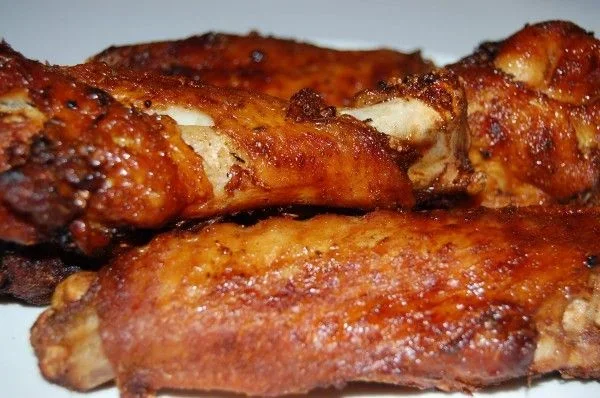
The skin of a turkey wing can be tough and chewy if not handled properly. But when you apply the right seasoning blend for turkey and roast at the correct temperature, the skin transforms into a crispy, golden shell that shatters slightly when you bite through it. This textural contrast is what separates a good plate of turkey wings from a truly memorable one.
The Role of Salt in Seasoning
Salt is the foundation of any great seasoning. When you salt turkey wings ahead of time, it does something magical. It draws moisture out of the skin slightly, then the salt gets reabsorbed along with that moisture. This process, often called dry brining, seasons the meat from the inside out and helps the skin become incredibly crispy in the oven.
If you skip salting or do it right before cooking, the wings will taste flat. The salt needs time to work its way into the meat. For the best oven roasted turkey wings, we recommend seasoning at least two hours before cooking, though overnight is even better.
Essential Ingredients For Perfect Turkey Wing Seasoning
Building a great turkey wing marinade or dry rub is straightforward. You do not need a long list of exotic ingredients. What you need is a balance of salt, fat, acid, and aromatics. Let us break down the essential components that make up the best seasoning for turkey wings.
Salt And Pepper
Start with good quality kosher salt and freshly cracked black pepper. These two form the base of virtually every dry rub for turkey wings. Kosher salt is preferred because it dissolves evenly and distributes better across the surface of the wings. Black pepper adds a subtle heat that complements the mild flavor of turkey beautifully.
Garlic And Onion Powder
Garlic powder is a staple in most turkey wing recipes. It provides a savory depth that pairs perfectly with poultry. Onion powder works in a similar way, adding a sweet, rounded flavor that enhances the natural taste of the meat. If you have fresh garlic available, mince it finely and mix it with a little olive oil for an even more vibrant flavor profile.
Smoked Paprika And Cayenne
Smoked paprika is a game-changer for oven roasted turkey wings. It adds a subtle smoky flavor and a gorgeous reddish color to the skin. Cayenne pepper brings the heat, but you can adjust the amount based on your spice tolerance. Even a small pinch of cayenne can elevate the entire dish and give your wings a gentle kick that keeps people coming back for more.
Fresh Herbs
Fresh herbs like rosemary, thyme, and sage are wonderful additions to any herb seasoning for turkey. They bring a fragrant, earthy quality that dried herbs sometimes cannot match. If you are using fresh herbs, chop them finely and mix them into your seasoning blend or marinade. They will crisp up beautifully in the oven alongside the skin.
Olive Oil Or Butter
A small amount of olive oil or melted butter helps the seasoning adhere to the wings. It also promotes even browning and contributes to that crispy skin we all love. Brush the wings lightly with oil before applying your seasoning, or toss them in a bowl with the oil and spices together.
Best Seasoning Methods For Oven-Roasted Turkey Wings
There are several approaches to seasoning turkey wings for oven cooking, and each one produces slightly different results. The method you choose depends on how much time you have and what kind of flavor profile you are going for. Let us explore the most effective techniques.
Dry Rub Method
The dry rub method is perhaps the most popular way to season turkey wings for oven roasting. It is simple, fast, and produces excellent results. You mix your dry ingredients — salt, pepper, paprika, garlic powder, onion powder, and any other dried herbs or spices — and then rub the mixture directly onto the wings.
The advantage of a dry rub is that it creates a textured, crusty exterior. When the wings roast, the rub forms a flavorful bark on the skin. This method works especially well if you have time to let the wings sit uncovered in the refrigerator for a few hours before cooking. The uncovered resting time dries the skin further, which leads to even crispier results.
Wet Marinade Method
A wet marinade involves combining oil, acid (like lemon juice or vinegar), and your seasonings into a liquid mixture. You coat the wings in this marinade and let them sit for several hours or overnight. The acid in the marinade helps tenderize the meat slightly, while the oil carries fat-soluble flavor compounds deep into the tissue.
Wet marinades are excellent for adding brightness and complexity to your turkey wing marinade. A combination of olive oil, lemon juice, garlic, rosemary, and a touch of honey creates a sweet and savory profile that is incredibly addictive. The downside is that wet marinades do not crisp the skin as effectively as dry rubs, so you may want to pat the wings dry before they go into the oven.
Combination Method
The combination method gives you the best of both worlds. You apply a dry rub for texture and crust formation, then lightly coat the wings with oil to help the rub stick. Some cooks also add a small amount of marinade before applying the dry rub. This layered approach builds complex flavor and delivers both juicy meat and crispy skin.
For the most flavorful oven baked turkey wings, try this approach: marinate the wings for a few hours, then remove them from the marinade, pat them dry, and apply your dry rub. Let them rest uncovered for about 30 minutes before roasting. This two-step process is the secret weapon of experienced cooks.
Step-By-Step Guide To Seasoning Turkey Wings
Now that you understand the ingredients and methods, let us walk through the actual process step by step. This guide will show you exactly how to season turkey wings for oven cooking so you get consistent, delicious results every time.
- Choose your wings: Look for turkey wings that are plump and have smooth, unbroken skin. Avoid wings with a strong ammonia smell or any discoloration. Fresh wings always produce better results than frozen, but frozen wings work fine if you thaw them properly in the refrigerator overnight.
- Pat them dry: Use paper towels to thoroughly pat the wings dry on all sides. Moisture is the enemy of crispy skin. The drier the surface, the crispier the result will be in the oven.
- Season generously: Sprinkle kosher salt and your chosen spices evenly over all sides of the wings. Use your hands to massage the seasoning into the crevices and around the joints. Do not be shy with the salt — this is where flavor starts.
- Let them rest: Place the seasoned wings on a wire rack set over a baking sheet. Leave them uncovered in the refrigerator for at least two hours, or up to overnight. This resting period allows the salt to penetrate the meat and the skin to dry out further.
- Preheat the oven: Set your oven to 400-425°F. A hot oven is essential for crispy skin. Let it fully preheat before the wings go in.
- Roast until golden: Place the wings in the oven and roast for approximately 45 to 60 minutes, flipping them halfway through. The wings are done when the internal temperature reaches 165°F and the skin is deeply golden and crispy.
- Rest before serving: Let the wings rest for 5 to 10 minutes after removing them from the oven. This allows the juices to settle back into the meat, making each bite moist and flavorful.
Quick Tips For Better Results
- Use a wire rack: It allows air to circulate around the wings, promoting even browning and crispiness on all sides.
- Do not overcrowd the pan: Give each wing space so hot air can reach every surface. If you need to cook more wings, use two baking sheets.
- Add a glaze in the last 10 minutes: Brush the wings with a mixture of honey and hot sauce during the final stage of cooking for a sticky, sweet-spicy finish.
- Flip halfway through: This simple step ensures both sides get equally crispy and golden.
Turkey Wing Oven Temperature And Cooking Tips
Getting the oven temperature right is just as important as getting the seasoning right. Too low, and the wings will steam instead of roast, leaving you with soggy skin. Too high, and the outside will burn before the inside cooks through.
The sweet spot for oven roasted turkey wings is between 400°F and 425°F. At this temperature, the skin renders its fat, crisps up, and turns a beautiful golden brown. The high heat also cooks the meat quickly enough to keep it juicy, as long as you do not overcook.
How Long To Cook Turkey Wings
Most turkey wing recipes call for 45 to 60 minutes at 400-425°F. The exact time depends on the size of the wings and whether they are covered or uncovered during cooking. Larger wings with more meat may need closer to 60 minutes, while smaller, leaner wings might be done in 40 minutes.
Invest in a meat thermometer. The internal temperature should reach 165°F in the thickest part of the wing, away from the bone. This is the only reliable way to know your oven baked turkey wings are fully cooked and safe to eat.
Should You Cover Turkey Wings While Cooking?
Generally, no. Covering turkey wings traps steam and prevents the skin from crisping. Leave them uncovered for the entire cooking time. However, if you find that the skin is browning too quickly while the meat is still undercooked, you can loosely tent the wings with aluminum foil for the remaining time.
Resting Is Non-Negotiable
Resting cooked wings for 5 to 10 minutes is one of the most overlooked steps in seasoning turkey wings for oven cooking. When you cut into a hot wing immediately, the juices run out onto the cutting board instead of staying in the meat. A short rest allows those juices to redistribute, resulting in tender, succulent wings that are far more enjoyable to eat.
Common Mistakes To Avoid When Seasoning Turkey Wings
Even experienced cooks make mistakes when preparing oven roasted turkey wings. Being aware of these common errors can save you from a disappointing meal and help you consistently achieve delicious results.
Skipping The Dry Step
This is the number one mistake people make. If you skip patting the wings dry before seasoning and roasting, you will end up with pale, soft skin instead of crispy, golden perfection. Moisture on the surface creates steam, and steam prevents crisping. Always dry your wings thoroughly with paper towels before applying any seasoning.
Over-Salting Or Under-Salting
Finding the right balance of salt is tricky but essential. Too little salt and the wings taste bland. Too much and they become unpleasantly salty. A good rule of thumb is about one teaspoon of kosher salt per pound of wings, adjusted to taste. Remember that some seasoning blends already contain salt, so factor that in when you are measuring.
Seasoning Too Late
Seasoning right before cooking gives you surface-level flavor at best. The salt and spices need time to work into the meat. Always season your wings at least two hours before cooking, and ideally the night before. This advance preparation is what separates good turkey wing recipes from truly great ones.
Opening The Oven Door Too Often
Every time you open the oven door, you let out heat and disrupt the cooking environment. This can lead to uneven cooking and longer overall roasting times. Resist the urge to check on the wings too frequently. Trust the process, and only open the door when you need to flip the wings or check for doneness.
Using Dried Herbs Instead Of Fresh Without Adjusting
Dried herbs are more concentrated than fresh ones, so you need less of them. A common mistake is using the same amount of dried herbs as fresh, which can result in an overpowering, slightly bitter taste. As a general rule, use one-third the amount of dried herbs compared to fresh.
Expert Insights On Perfect Oven-Roasted Turkey Wings
Seasoning turkey wings for oven is part science and part art. Professional chefs and experienced home cooks share a few insights that can take your wings from ordinary to extraordinary.
Chef Maria Torres, a specialist in roasted poultry, emphasizes the importance of starting with room-temperature wings. “Take your wings out of the refrigerator about 30 minutes before cooking,” she advises. “Cold wings in a hot oven cook unevenly. The outside overcooks while the inside stays underdone. Bringing them closer to room temperature promotes even roasting throughout.”
Another expert tip comes from barbecue enthusiast James Chen, who swears by a two-stage cooking method. “I start my oven baked turkey wings at 425°F for the first 20 minutes to get the skin crispy, then I drop the temperature to 375°F and cook for another 30 to 40 minutes. This approach gives you the best of both worlds — incredibly crispy skin and perfectly cooked, juicy meat inside.”
Food scientist Dr. Sarah Kim explains why the combination method works so well. “When you apply a wet marinade first and then a dry rub on top, you create layers of flavor and texture. The marinade adds moisture and deep flavor to the meat, while the dry rub forms a protective, crispy barrier on the skin. These two elements work together synergistically, and the result is wings that are flavorful, juicy, and perfectly crunchy.”
One more piece of advice from seasoned cooks: do not underestimate the power of a finishing touch. A light drizzle of good quality olive oil or a sprinkle of flaky sea salt right after the wings come out of the oven adds a final layer of flavor and sheen that makes the presentation beautiful and the taste unforgettable.
Popular Turkey Wing Seasoning Combinations To Try
If you are looking for inspiration, here are some tried-and-true seasoning blend for turkey combinations that work beautifully in the oven:
- Classic Herb: Rosemary, thyme, garlic powder, onion powder, salt, and black pepper. Simple, elegant, and always delicious.
- Smoky BBQ: Smoked paprika, cayenne, brown sugar, garlic powder, onion powder, and a touch of chili powder. Perfect for those who love a sweet and smoky flavor.
- Lemon Herb: Lemon zest, dried oregano, garlic powder, black pepper, salt, and a drizzle of olive oil. Bright, fresh, and light.
- Spicy Southwest: Chipotle powder, cumin, smoked paprika, cayenne, garlic powder, and lime zest. Bold and fiery with a southwestern twist.
- Honey Garlic: Garlic powder, onion powder, smoked paprika, salt, pepper, and a honey glaze brushed on during the last 10 minutes of cooking. Sweet and savory perfection.
Each of these combinations works wonderfully as a turkey wing marinade or dry rub. Feel free to mix and match elements from different combinations to create your own signature blend. The beauty of homemade seasoning is that you can adjust the flavors to suit your personal taste exactly.
How To Store And Reheat Leftover Turkey Wings
If you have leftover oven roasted turkey wings, proper storage keeps them tasty for days. Let the wings cool completely, then store them in an airtight container in the refrigerator. They will keep well for up to three days.
Reheating is the tricky part. Microwaving turkey wings tends to make the skin soggy. Instead, reheat them in the oven at 350°F for about 10 to 15 minutes. This restores some of the crispiness and keeps the meat moist. A quick spritz of oil before reheating can also help revive the skin texture.
You can also freeze cooked turkey wings for up to three months. Wrap them tightly in plastic wrap and foil, or place them in a freezer-safe bag. Thaw overnight in the refrigerator before reheating in the oven for the best results.
Frequently Asked Questions
What is the best seasoning for turkey wings in the oven?
The best seasoning for turkey wings depends on your personal taste, but a classic combination of kosher salt, black pepper, garlic powder, onion powder, and smoked paprika works beautifully for almost everyone. You can also add fresh herbs like rosemary and thyme for an extra layer of flavor. The key is to balance salt, spice, and aromatics to complement the mild, slightly gamey flavor of turkey.
How long should I marinate turkey wings before oven roasting?
For the best flavor, marinate your turkey wings for at least 2 hours, though overnight is ideal. A shorter marinating time of 30 minutes to 1 hour will still add flavor, but it will not penetrate as deeply. If you are using a dry rub instead of a wet marinade, aim for at least 2 hours of resting time in the refrigerator before cooking.
What oven temperature is best for cooking turkey wings?
400°F to 425°F is the optimal temperature range for roasting turkey wings. This high heat crisps the skin quickly while cooking the meat through evenly. Avoid lower temperatures, which can cause the wings to steam and become soggy instead of crispy.
Should I cover turkey wings with foil while baking?
No, it is best to leave turkey wings uncovered while baking. Covering them traps steam and prevents the skin from becoming crispy. If the wings are browning too quickly on the outside before the inside is fully cooked, you can loosely tent them with foil for the remaining cooking time.
Can I use frozen turkey wings for oven roasting?
Yes, you can use frozen turkey wings, but it is best to thaw them completely in the refrigerator before seasoning and cooking. Cooking frozen wings directly in the oven leads to uneven cooking — the outside may burn while the inside remains undercooked. Thawing ensures more consistent results and better seasoning absorption.
How do I know when turkey wings are done cooking?
Turkey wings are done when the internal temperature reaches 165°F in the thickest part of the meat, measured with a meat thermometer. The skin should be deeply golden and crispy, and the juices should run clear when you pierce the thickest part. Most wings take between 45 and 60 minutes at 400-425°F, depending on their size.
Conclusion
How to season turkey wings for oven does not have to be complicated. With the right ingredients, a little patience, and the techniques outlined in this guide, you can create crispy, juicy, flavor-packed turkey wings that will impress everyone at your table. The secret lies in building layers of flavor through proper seasoning, giving the wings time to absorb those flavors, and roasting at the correct temperature.
Remember to start with dry wings, use a generous but balanced amount of seasoning, and let your wings rest before and after cooking. Whether you prefer a simple classic herb blend or a bold smoky spice combination, the principles remain the same. Great seasoning transforms a humble cut of meat into something truly special.
Now that you have all the knowledge and practical tips you need, it is time to put them into action. Choose your favorite seasoning blend for turkey, preheat your oven, and enjoy the process of creating something delicious from start to finish. Your oven roasted turkey wings are going to be the highlight of the meal, and you will feel confident knowing that every step was done with care and intention.