How To Light A Gas Stove Oven With A Lighter Safely
Knowing how to light a gas stove oven with a lighter is an essential skill every home cook should have. Whether your igniter is broken or you are dealing with a power outage, a simple lighter can get your oven up and running in minutes. This guide walks you through the entire process safely, covering preparation, step-by-step instructions, common problems, and expert tips to keep your gas stove oven working perfectly.
Have you ever stood in front of your oven, ready to bake something delicious, only to realize the igniter is not working? It happens to the best of us. The good news is that you do not need a technician or a fancy tool to get things going. How to light a gas stove oven with a lighter is a simple skill that can save your evening — and your dinner plans.
Whether you are dealing with a broken spark igniter, a power outage, or an older model that does not have an electric starter, a basic lighter does the job. But here is the thing — doing it safely matters just as much as doing it correctly. Gas appliances demand respect, and a small mistake can lead to big problems. That is exactly why we put this guide together.
In this article, we will walk you through every step of the process. You will learn how your gas stove oven works, what you need before you start, and exactly how to use a lighter to ignite the oven burner. We will also cover safety tips, common issues, maintenance advice, and when it is time to call in a pro. By the end, you will feel confident and prepared every time.
So grab your long-handled lighter, roll up your sleeves, and let us get your oven fired up — safely and properly.
Key Takeaways
- You can light a gas stove oven with a lighter quickly when the electric igniter fails or during a power outage.
- Safety comes first — always check for gas leaks and ensure proper ventilation before attempting to light the oven.
- Using a long-handled lighter is the safest and most practical option for reaching inside the oven.
- Understanding your oven’s ignition system helps you troubleshoot problems faster and avoid unnecessary repairs.
- Regular maintenance keeps the gas burner and oven components clean and functioning reliably.
- Call a professional if you smell gas, hear hissing sounds, or cannot get the oven to light after several attempts.
📑 Table of Contents
Understanding Your Gas Stove Oven Ignition System
Before you learn how to light a gas stove oven with a lighter, it helps to understand what is happening inside the oven. Most modern gas ovens use one of two ignition systems. Knowing which one you have makes the process much easier.
Standing Pilot Ignition
Older gas ovens often use a standing pilot light. This is a small, constant flame that sits inside the oven cavity. It stays lit all the time, ready to ignite the gas whenever you turn the oven on. If you have an older model, you might see this small blue flame through a tiny opening at the bottom of the oven.
The standing pilot system is simple and reliable. It does not need electricity to work, which makes it great during power outages. However, the pilot flame can go out due to drafts, dirt, or a faulty thermocouple. When that happens, your oven will not light — even if the gas is flowing.
Spark Ignition System
Most newer gas ovens use a spark ignition system. This system creates an electric spark at the gas burner or igniter to light the gas. It is the clicking sound you hear right before the oven catches fire. This system needs electricity to work, which means a power outage will stop it from functioning.
The spark igniter is a small component located near the burner. Over time, it can wear out, get dirty, or crack. When that happens, the spark may be weak or absent entirely. That is when many people turn to a gas stove lighter as a quick workaround.
Hot Surface Igniter
Some modern ovens use a hot surface igniter. This is a glow-bar style element that heats up until it is hot enough to ignite the gas. It works similarly to the spark system but relies on heat rather than a spark. These igniters can also fail over time, making manual ignition with a lighter a useful backup option.
How To Light A Gas Stove Oven With A Lighter: Step By Step
Now that you understand your oven, let us get into the actual process. How to light a gas stove oven with a lighter is straightforward, but you must follow each step carefully. Rushing through the process can be dangerous.
Step 1: Gather Your Tools
Before you do anything, make sure you have the right tools on hand. You will need the following:
- A long-handled lighter — this is much safer than a short matchstick because it keeps your hand away from the oven opening.
- A clean cloth or paper towel — useful for wiping down the oven interior if needed.
- Your oven owner’s manual — helpful for locating the burner and ignition area.
Avoid using short lighters or matches that require you to reach deep into the oven. Your safety is the number one priority here. A long lighter gives you better control and keeps your fingers far from the flame.
Step 2: Turn Off the Gas Supply
This might sound counterintuitive, but hear us out. Before you attempt to light the oven, turn the oven knob to the off position. Then, if your oven has a gas supply valve, make sure it is closed. This prevents gas from building up inside the oven cavity while you prepare.
Wait about 30 seconds after turning the knob to off. This allows any residual gas to clear out. You do not want a burst of unlit gas when you finally ignite the burner.
Step 3: Open the Oven Door
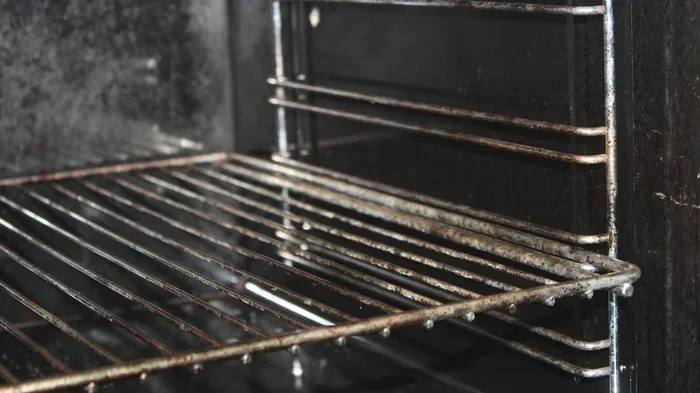
Open the oven door fully and look inside. Locate the oven burner — it is usually at the bottom of the oven cavity. You should see a metal tube with small holes along the top. This is where the gas comes out and where the flame will appear.
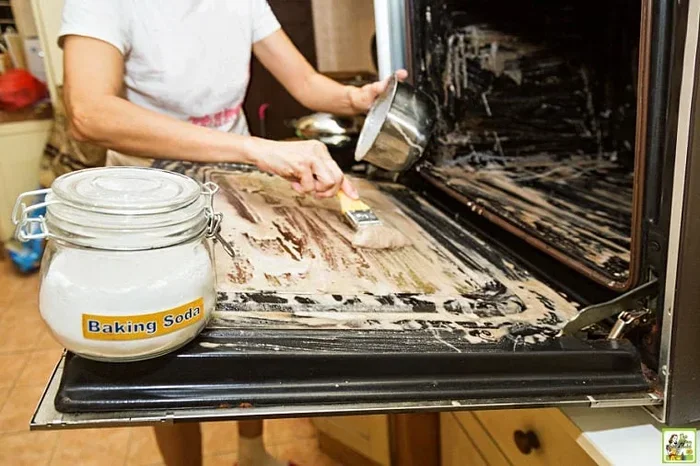
Check the burner area for any debris, food spills, or grease buildup. Use a clean cloth to wipe away any visible dirt. A clear burner ensures the gas flows properly and the flame ignites evenly.
Step 4: Turn the Knob to the Ignite Position
Now, turn the oven knob to the ignite or light position. On most ovens, this is marked with a small flame symbol or the word “Light.” Turn the knob to the lowest temperature setting first.
As you turn the knob, gas will begin to flow toward the burner. You may hear a faint hissing sound — that is normal. It means gas is reaching the burner area. Do not turn the knob too far. You only need a small amount of gas to ignite.
Step 5: Light the Lighter and Ignite the Burner
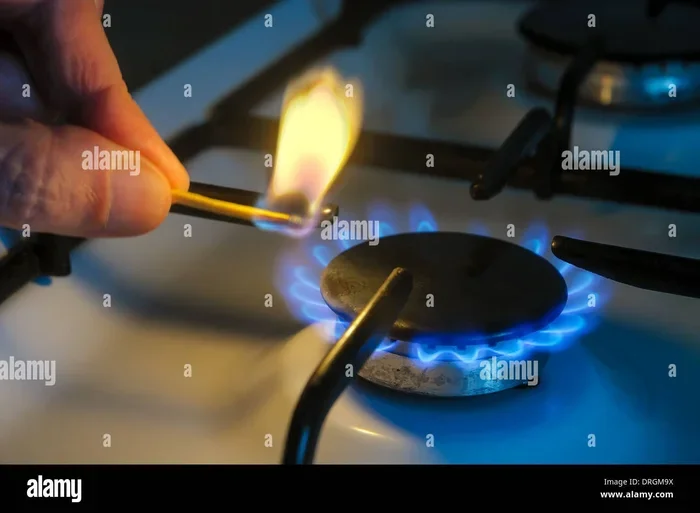
Hold your long-handled lighter near the burner area inside the oven. Slowly bring the flame close to the gas outlet holes on the burner tube. You should see the gas ignite almost immediately.
If the gas does not light on the first try, turn the knob back to off and wait 30 seconds. Let any accumulated gas clear out, then try again. Never keep the gas flowing for more than a few seconds without ignition — this creates a safety risk.
Step 6: Adjust the Flame and Close the Door
Once the burner is lit, you should see a steady blue flame across the top of the burner. A blue flame means the gas is burning efficiently. If the flame is yellow or orange, it may indicate incomplete combustion, which can produce carbon monoxide.
Adjust the oven knob to your desired temperature. The flame may adjust in size as you increase the heat. Close the oven door and let the oven preheat to the temperature you need for your recipe.
Safety Precautions You Must Follow
Lighting a gas oven with a lighter is generally safe when you follow basic precautions. But gas appliances demand respect, and skipping safety steps can lead to serious risks. Here is what you need to keep in mind.
Always Check for Gas Leaks First
Before you light anything, do a quick gas leak check. The easiest way is to use your nose. Natural gas and propane have a distinctive rotten egg smell added to them for safety. If you smell anything unusual near the oven or stove, do not attempt to light it.
You can also use a soapy water solution. Mix dish soap with water in a spray bottle and spray it along the gas lines and connections. If you see bubbles forming, you have a leak. Turn off the gas supply immediately and call a professional. Never use a lighter or any open flame near a suspected gas leak.
Ensure Proper Ventilation
Keep your kitchen well ventilated when lighting the oven manually. Open a window or turn on the exhaust fan. Good airflow reduces the risk of gas buildup and helps combustion gases escape safely.
This is especially important if you are using the oven for the first time after a long period of inactivity. Stale gas can accumulate inside the oven cavity, and proper ventilation helps clear it out quickly.
Keep Flammable Items Away
Remove towels, paper products, oven mitts, and any other flammable materials from the stove area before lighting the oven. A stray flame or gas burst can ignite these items quickly. Keep your workspace clean and clear.
Never Leave the Oven Unattended During Initial Ignition
When you are manually lighting the oven for the first time, stay nearby. Watch the burner closely to confirm it lights properly. If the flame goes out, turn the knob off immediately and wait before trying again.
Keep Children and Pets Away
This is a no-brainer, but it is worth repeating. The oven area can be dangerous during manual ignition. Keep children and pets out of the kitchen while you are working with the gas stove oven and lighter.
Common Problems When Lighting a Gas Oven With a Lighter
Even when you follow every step correctly, you might run into issues. Here are the most common problems people face when using a gas oven lighter and how to fix them.
The Oven Does Not Light at All
If you turn the knob and no gas flows, check that the gas supply valve is fully open. Some ovens have a separate shutoff valve behind or beneath the unit. Make sure it is in the on position. Also, verify that your home has not run out of gas — check your propane tank or gas meter.
Another possible cause is a clogged gas port. The small holes on the burner tube can get blocked by grease, food debris, or spider nests. Use a thin needle or toothpick to gently clear each hole. This restores proper gas flow and allows the burner to ignite.
The Gas Lights but Goes Out Immediately
This is a common issue with older ovens. If the flame goes out right after you light it, the thermocouple may be faulty. The thermocouple is a safety device that detects whether the pilot flame or burner flame is present. If it senses no flame, it shuts off the gas supply.
In some cases, the thermocouple simply needs to be repositioned closer to the flame. In other cases, it may need to be replaced. This is a relatively inexpensive repair, but it is best handled by a qualified technician if you are not comfortable doing it yourself.
The Flame Is Yellow or Flickering
A healthy gas flame should be blue. If your flame is yellow, orange, or flickering, it could mean the burner is dirty or the gas-air mixture is off. A yellow flame produces more carbon monoxide and is less efficient.
Clean the burner tube and ports thoroughly. If the problem persists after cleaning, there may be an issue with the gas pressure or air intake. In this case, it is best to contact a gas stove repair professional.
You Smell Gas but Cannot Light the Oven
If you smell gas but the oven will not light, do not keep trying. Turn the gas supply off, open windows, and leave the area. Call your gas utility company or a licensed technician. A persistent gas smell can indicate a serious leak that requires immediate attention.
Tips For Maintaining Your Gas Stove Oven
Regular maintenance keeps your gas stove oven running smoothly and reduces the need for manual lighting. Here are some simple tips you can follow.
- Clean the burner and oven floor regularly. Food spills and grease buildup can clog gas ports and affect flame quality. Wipe up spills as soon as the oven cools down.
- Check the igniter periodically. If your oven has an electric igniter, listen for the clicking sound when you turn it on. A weak or absent spark means the igniter may need replacing.
- Inspect gas lines and connections. Look for cracks, loose fittings, or signs of wear on the gas supply line. Tighten connections if needed and replace damaged hoses immediately.
- Keep the oven door seal clean. A dirty door seal can let heat escape and affect oven performance. Wipe the seal with a damp cloth every few weeks.
- Schedule annual professional maintenance. Even if your oven seems to work fine, a yearly checkup by a qualified technician can catch small issues before they become big problems.
Taking care of your cooking appliance extends its lifespan and keeps your kitchen safe. A well-maintained gas oven also heats more evenly, which improves your baking and cooking results.
When To Call A Professional
There is no shame in calling a professional. In fact, knowing when to get help is an important part of being a responsible homeowner. You should call a technician if you experience any of the following situations.
If you have tried lighting the oven multiple times and it still will not ignite, there may be a deeper issue with the gas valve, control board, or igniter. These components require specialized knowledge and tools to diagnose and repair.
Similarly, if you notice a persistent gas smell, hear a hissing sound near the gas lines, or see visible damage to the gas supply line, turn off the gas immediately and call for help. These are not DIY situations — they require the expertise of a licensed gas technician.
Finally, if your oven is more than 15 years old and you are experiencing frequent ignition problems, it might be time to consider a replacement. Older ovens are less efficient and can pose greater safety risks. A new gas oven with modern safety features can save you money on energy bills and give you peace of mind.
Remember, your safety is always worth more than the cost of a service call. Do not hesitate to reach out to a qualified professional whenever you feel unsure about any aspect of your gas stove oven.
Conclusion
Learning how to light a gas stove oven with a lighter is a practical and valuable skill. Whether you are dealing with a broken igniter, a power outage, or simply an older model without an electric starter, a lighter gets the job done quickly and effectively.
The key is to approach the process with care and caution. Follow each step, prioritize safety, and never rush through the ignition process. Keep your tools handy, maintain your oven regularly, and know when to call a professional.
With this guide, you are now equipped to handle manual oven ignition confidently and safely. The next time your oven fails to light on its own, you will know exactly what to do. Stay safe, keep cooking, and enjoy every meal you prepare in your trusty gas oven.
Frequently Asked Questions
Can I use a regular matchstick instead of a lighter to light my gas oven?
Yes, you can use a matchstick, but it is less safe than a long-handled lighter. A match requires you to reach deeper into the oven, putting your hand closer to the flame and gas source. A long lighter keeps your fingers at a safer distance and gives you better control. If you must use a match, hold it firmly and keep your hand well away from the burner flame.
Is it safe to light a gas oven with a lighter during a power outage?
Yes, it is perfectly safe to use a lighter during a power outage. In fact, this is one of the most common reasons people manually ignite their gas ovens. Electric igniters do not work without power, so a gas stove lighter becomes your best option. Just make sure you follow all the safety steps outlined in this guide, including checking for gas leaks and ensuring proper ventilation.
Why does my gas oven click but not light?
A clicking sound usually means the spark igniter is trying to create a spark, but it may not be reaching the gas or the spark may be too weak. This can happen if the igniter is dirty, cracked, or worn out. You can try cleaning the igniter area with a dry cloth. If that does not work, you may need to replace the igniter or use a lighter to manually ignite the gas as a temporary solution.
How long should I wait if the gas oven does not light on the first try?
Always wait at least 30 seconds before trying again. If you turn the knob and the gas does not ignite immediately, turn it back to the off position and wait. This allows any accumulated gas to clear out, reducing the risk of a sudden flare-up when you try again. Never keep the gas flowing for more than a few seconds without a flame.
Do all gas ovens have a manual ignition option?
Most gas ovens can be lit manually with a lighter, even if they have an electric igniter. The manual lighting process is essentially the same across models. However, some newer ovens have safety features that may prevent manual ignition if the electric system detects a fault. Check your oven owner’s manual for specific guidance on manual lighting for your model.
What should I do if I smell gas after lighting the oven?
If you smell gas after lighting the oven, turn off the oven immediately and do not attempt to relight it. Open windows and doors to ventilate the area. Check the gas supply connections for leaks using a soapy water solution. If the smell persists or you suspect a serious leak, evacuate the area and contact your gas utility company or emergency services right away. Never use an open flame or electrical switch near a suspected gas leak.