The Perfect Oven Temperature for Turkey Made Simple
The perfect oven temperature for turkey is 325°F, which delivers a juicy interior and crispy skin every time. This simple guide covers roasting times, temperatures for different cuts, and expert tips to avoid common mistakes. Whether you are baking a whole bird or a turkey breast, getting the oven temperature for turkey right is the key to a delicious meal. Follow our step-by-step tips for a perfectly roasted turkey that everyone will love.
The perfect oven temperature for turkey is one of the most important things you can learn for a great holiday meal. Many home cooks worry about roasting a turkey, but the truth is simpler than you think. Once you know the right turkey cooking temperature, the rest becomes easy and even fun. This guide walks you through everything step by step, so you can serve a juicy, flavorful turkey with confidence. Whether it is Thanksgiving or a Sunday dinner, getting the oven temperature for turkey right makes all the difference.
Roasting a whole turkey can feel intimidating, but it does not have to be. The key is understanding how heat works inside the oven and how it affects the bird. With the right roasting turkey approach, you will get crispy skin on the outside and tender, moist meat on the inside every single time. Let us dive into the details and take the guesswork out of your next oven-baked turkey.
A good turkey cooking guide starts with temperature. The perfect oven temperature for turkey depends on a few factors, including the size of the bird and the cut you are cooking. But for most home cooks, 325°F is the go-to number. This temperature allows the turkey to cook evenly without drying out the outer layers before the inside is done. It also gives you enough time for the fat to render and the skin to turn golden and crispy. Below, we break down everything you need to know about baking turkey at the right temperature.
Key Takeaways
- 325°F is the ideal temperature: This is the recommended perfect oven temperature for turkey for even cooking and juicy results.
- Use a meat thermometer: Always check internal turkey temperature to ensure safe and delicious doneness.
- Rest your turkey: Letting the bird rest for 20-30 minutes keeps it juicy and tender.
- Brining adds moisture: A simple brine step makes a big difference in moisture and flavor.
- Avoid overcooking: Watching the oven-baked turkey closely prevents dry, tough meat.
- Crispy skin comes from dry preparation: Pat the turkey dry before roasting for the best crispy turkey skin.
📑 Table of Contents
What Is the Perfect Oven Temperature for Turkey?
The perfect oven temperature for turkey is widely recommended by food experts and chefs as 325°F. This is the standard temperature set by the USDA for safely roasting a whole oven-baked whole turkey. At 325°F, the heat surrounds the bird evenly, which means no hot spots and no burnt edges. The turkey cooks through at a steady pace, giving you time to develop flavor and texture.
But why exactly does turkey cooking temperature matter so much? When the oven is too hot, the outside of the bird dries out before the inside reaches a safe temperature. When it is too low, the turkey sits in the danger zone for too long, which raises food safety concerns. The sweet spot at 325°F balances safety, flavor, and texture perfectly. It is the turkey safe temperature that professional cooks trust for consistent results.
Why Temperature Matters So Much
Temperature control is the backbone of any great roasting turkey recipe. The oven-baked turkey relies on steady, moderate heat to break down proteins and fats slowly. This slow cooking process keeps the meat moist and allows the juices to redistribute naturally. If you rush the process with high heat, the proteins seize up and squeeze out moisture, leaving you with a dry bird.
Think of it this way. A juicy turkey comes from patience and the right turkey cooking temperature. The perfect oven temperature for turkey gives you the time needed for collagen in the meat to break down into gelatin. This gelatin traps moisture inside the muscle fibers, which is what makes each bite tender and succulent. Skipping this process by cranking up the heat is the fastest way to end up with a dry roast.
The Science Behind Roasting Turkey
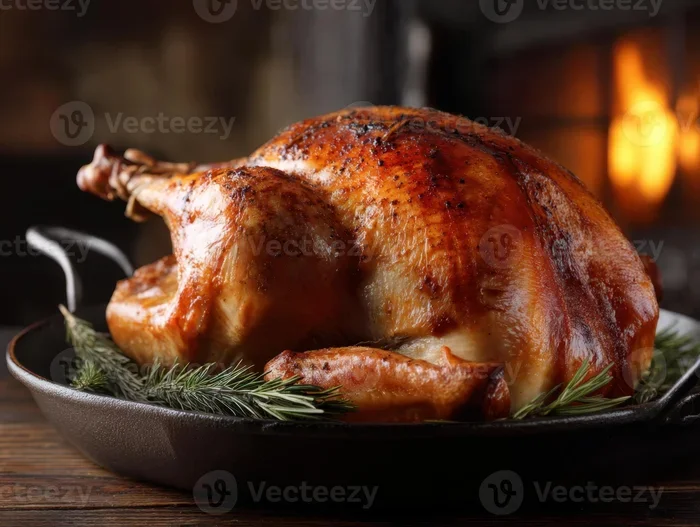
When you place a turkey in a preheated oven, the heat transfers through the air and slowly penetrates the bird. The perfect oven temperature for turkey ensures this transfer happens at a rate that cooks the meat evenly from the outside in. At 325°F, the outer layers caramelize gently, creating that beloved golden-brown color and crispy texture.
Inside the bird, the turkey internal temperature rises gradually. The breast meat stays tender because the heat does not shock the proteins. The thigh meat, which is naturally darker and fattier, becomes rich and juicy as the fat melts slowly. This is why roasting turkey at the right temperature is not just about cooking it through. It is about creating the best possible eating experience.
The Best Oven Temperature for Turkey
While 325°F is the gold standard, there are situations where adjusting the perfect oven temperature for turkey makes sense. The size of the bird, whether you are cooking a whole turkey or just a breast, and your personal preferences all play a role. Let us look at the most common temperature options and when to use each one.
325°F: The Gold Standard
For a whole turkey recipe, 325°F is the recommended turkey cooking temperature from the USDA and most culinary experts. This temperature works well for birds ranging from 10 to 20 pounds. It gives you a reliable timeline and consistent results. The turkey cooks evenly, the skin turns beautifully golden, and the meat stays moist throughout.
If you are new to oven-baked turkey, start with 325°F. It is forgiving and gives you room to make small adjustments along the way. You do not need to constantly watch the bird. Instead, you can focus on preparing sides and making sure everything else is ready for the meal. This temperature truly is the best all-around choice for roasting turkey.
350°F: A Faster Alternative
Some cooks prefer to bake turkey at 350°F because it shortens the overall cooking time. This can be helpful if you are short on time or if you are cooking a smaller bird, such as one that weighs under 10 pounds. The perfect oven temperature for turkey at 350°F still produces good results, but you need to be more attentive.
At 350°F, the outer layers of the turkey cook faster, which means you need to monitor the turkey internal temperature more closely. There is a slightly higher risk of the breast meat drying out if you leave the bird in too long. If you choose this route, use a reliable oven thermometer and check the temperature frequently. The juicy turkey goal is still very achievable at 350°F with a little extra care.
375°F: For Smaller Birds
If you are cooking a small turkey, a turkey breast, or a turkey tenderloin, 375°F can work well. The higher heat helps smaller cuts develop a nice sear and crispy skin without overcooking the inside. For oven-baked turkey breasts, this temperature can give you a beautiful crust in less time.
However, 375°F is not ideal for a large whole bird. The heat can overwhelm the turkey before the center is fully cooked, leading to uneven results. Stick with 325°F for anything over 12 pounds. For smaller cuts, 375°F is a solid option that delivers great crispy turkey skin and tender meat.
How Long to Roast a Turkey at Each Temperature
Knowing the perfect oven temperature for turkey is only half the battle. You also need to understand how long to cook the bird. Turkey roasting time varies based on the oven temperature, the weight of the bird, and whether it is stuffed or unstuffed. Below is a general guide to help you plan your Thanksgiving turkey or holiday meal.
Turkey Roasting Time Chart
Here is a simple breakdown of turkey roasting time at different temperatures for an unstuffed bird:
- 325°F: About 13 minutes per pound for a 10-12 pound turkey, and 15 minutes per pound for a 15-20 pound turkey.
- 350°F: About 11 minutes per pound for a 10-12 pound turkey, and 13 minutes per pound for a 15-20 pound turkey.
- 375°F: About 10 minutes per pound for smaller birds under 12 pounds.
These times are estimates and should be used as a starting point. Always rely on the turkey internal temperature to determine doneness, not the clock alone. The perfect oven temperature for turkey combined with accurate timing gives you the best chance of a perfectly cooked bird.
Factors That Affect Cooking Time
Several factors can change how long your roasting turkey takes. A stuffed turkey needs more time because the cold filling inside acts as an insulator. The shape of the bird also matters. A wider, shorter turkey may cook faster than a tall, narrow one. Even the oven rack position can affect turkey cooking temperature distribution.
The starting temperature of the turkey matters too. A turkey that comes straight from the refrigerator will take longer to cook than one that has been sitting at room temperature for 30 minutes. Taking the bird out early and letting it warm up slightly helps the perfect oven temperature for turkey work more efficiently. Just make sure you do not leave it out for more than two hours for food safety reasons.
Turkey Temperature by Cut
Not all parts of the turkey cook at the same rate, and understanding turkey temperature by cut is essential for the best results. The breast and the thighs have different ideal turkey internal temperature targets, and knowing this can take your oven-baked turkey from good to great.
Turkey Breast Temperature
The turkey breast is the leanest part of the bird, which means it dries out more easily than other cuts. The ideal turkey breast temperature when it comes out of the oven is 160°F to 165°F. The perfect oven temperature for turkey at 325°F helps the breast cook gently without shocking the proteins and squeezing out moisture.
To keep the breast even more moist, some cooks tent it loosely with aluminum foil partway through cooking. This slows down the heat exposure on the breast while the thighs continue to cook. If you are baking turkey breast only, 325°F to 350°F works well depending on the size of the cut. Always use a meat thermometer inserted into the thickest part of the breast without touching the bone.
Turkey Thigh Temperature
The thighs are darker meat with more fat, which makes them more forgiving and flavorful. The ideal turkey thigh temperature is 170°F to 175°F. This higher temperature is safe because the dark meat has more connective tissue and fat, which needs more heat to break down fully.
When you are cooking a whole bird at the perfect oven temperature for turkey of 325°F, the thighs will naturally take longer to reach their ideal temperature than the breast. This is normal and expected. The slow, even heat of 325°F gives the thighs enough time to become rich and tender without overcooking the breast. Checking the temperature in the thickest part of the thigh, away from the bone, gives you the most accurate reading.
Checking for Doneness
The best way to know your oven-baked turkey is done is to use a meat thermometer. This is the single most important tool for any cook who wants to master roasting turkey. Insert the thermometer into the thickest part of the thigh, making sure it does not touch the bone. The turkey safe temperature for the whole bird is 165°F in the thickest area.
Do not rely on pop-up timers alone. They can be unreliable and often trigger too early or too late. A good oven thermometer placed inside the oven also helps you confirm that the actual temperature matches what your dial says. Ovens can be off by 25 degrees or more, which can significantly affect your turkey cooking guide results. A simple oven thermometer costs just a few dollars and takes the guesswork out completely.
Tips for Juicy and Crispy Turkey
The perfect oven temperature for turkey sets the foundation, but a few extra steps take your oven-baked turkey to the next level. These tips are simple and make a huge difference in the final result. Whether you are a beginner or a seasoned cook, these strategies will help you serve the best Thanksgiving turkey ever.
Brining for Moisture
Brining is one of the best ways to guarantee a juicy turkey. A simple brine of water, salt, and sugar, soaked for 12 to 24 hours, helps the meat retain moisture during cooking. The salt breaks down some of the muscle proteins, allowing the turkey to absorb and hold onto more liquid. This is especially helpful for the breast meat, which tends to dry out more easily.
If you do not have time to brine, a dry brine works too. Simply rub the turkey with salt and let it sit uncovered in the refrigerator overnight. The salt draws out moisture, which then gets reabsorbed into the meat. Either method pairs beautifully with the perfect oven temperature for turkey of 325°F and leads to noticeably more tender results.
Getting Crispy Skin
Crispy turkey skin is one of the best parts of the bird, and getting it right is easier than you might think. The key is to start with dry skin. Pat the turkey thoroughly with paper towels before seasoning. Moisture on the surface creates steam, which prevents crisping.
Some cooks rub the skin with a thin layer of oil or butter, which helps conduct heat and promotes browning. Another trick is to leave the turkey uncovered in the oven for the last 30 to 45 minutes of cooking. This exposes the skin directly to the heat and helps it crisp up. The perfect oven temperature for turkey of 325°F works well for this because it does not burn the skin before the inside is done.
Resting the Turkey
One of the most overlooked steps in roasting turkey is letting the bird rest after it comes out of the oven. Resting allows the juices to redistribute throughout the meat. If you cut into the turkey immediately, the juices run out onto the cutting board instead of staying in the meat. The result is a less flavorful and drier oven-baked turkey.
Let the turkey rest for at least 20 to 30 minutes before carving. Tent it loosely with foil to keep it warm without trapping too much steam, which could soften the crispy skin. This resting period is a small step that makes a big difference. It is one of the easiest ways to ensure your Thanksgiving turkey is as juicy and tender as possible.
Common Mistakes to Avoid
Even with the perfect oven temperature for turkey, mistakes can happen. Knowing what to avoid saves you from a dry or undercooked bird. Here are the most common errors home cooks make when baking turkey and how to prevent them.
Skipping the Oven Thermometer
Many ovens do not display the correct temperature. Your oven might say 325°F but actually be at 350°F or even 300°F. This discrepancy can throw off your entire turkey cooking temperature plan. An oven thermometer placed on the middle rack gives you an accurate reading of what is really happening inside.
This is a small investment that pays off big time. For under ten dollars, you can avoid the frustration of an unevenly cooked roasting turkey. Place the thermometer in the oven before preheating and check it periodically. Once you know your oven’s true temperature, you can adjust the perfect oven temperature for turkey accordingly for perfect results every time.
Overcooking the Bird
Overcooking is the number one enemy of a juicy turkey. Many cooks leave the bird in the oven too long, worried about undercooking. But the truth is that a slightly underdone turkey can be returned to the oven, while an overcooked turkey cannot be fixed. The perfect oven temperature for turkey of 325°F gives you a comfortable window, but you still need to check the temperature regularly.
Start checking the turkey internal temperature about 30 minutes before the estimated finish time. Once the thickest part of the thigh reaches 165°F, pull the bird out. The residual heat will continue to raise the temperature by a few degrees during the resting period. This carryover cooking is an important part of turkey doneness and should never be ignored.
Not Letting It Rest
We mentioned resting earlier, but it deserves its own warning. Cutting into a turkey recipe the moment it comes out of the oven is a mistake many people make. The juices are under pressure inside the hot bird, and cutting releases them all at once. The result is dry meat and a less impressive presentation.
Patience is your friend here. Give the oven-baked turkey at least 20 minutes to rest. This lets the muscle fibers relax and reabsorb the juices. When you finally carve, each slice will be moist and flavorful. It is a simple step that separates a good turkey cooking guide from a great one.
Expert Tips for Perfect Turkey Every Time
Mastering the perfect oven temperature for turkey is just the beginning. These expert tips from experienced cooks and chefs will help you elevate your oven-baked turkey game. Use these strategies alongside the right turkey cooking temperature for consistently outstanding results.
Using a Meat Thermometer Correctly
A meat thermometer is the most important tool for cooking turkey. But using it correctly matters just as much as having one. Insert the probe into the thickest part of the thigh, the thickest part of the breast, and the innermost part of the wing. Avoid touching the bone, bone conducts heat differently and can give you a false reading.
Digital instant-read thermometers are the best choice for roasting turkey. They give you a fast and accurate reading in seconds. Some cooks also use probe thermometers that stay in the bird the entire time and connect to a receiver. This lets you monitor the turkey internal temperature from across the room, which is especially helpful during busy holiday cooking sessions.
Planning Your Thanksgiving Turkey
Timing is everything when it comes to a Thanksgiving turkey. As a general rule, plan for about 15 minutes of cooking time per pound at 325°F for a 12 to 15 pound bird. But remember to add extra time for preparation. You need time to thaw the turkey, bring it to room temperature, and let it rest after cooking.
A good rule of thumb is to take the turkey out of the freezer at least two to three days before cooking if it is fully frozen. Then, take it out of the refrigerator about one hour before it goes in the oven. This small step helps the perfect oven temperature for turkey work more evenly and reduces the overall cooking time. Planning ahead removes stress and lets you enjoy the process.
Storing and Reheating Leftovers
Leftover oven-baked turkey is a blessing, but storing and reheating it properly keeps it just as delicious. Let the turkey cool to room temperature within two hours of cooking, then store it in the refrigerator. The meat stays good for up to four days when refrigerated properly.
When reheating, use a low turkey cooking temperature to avoid drying out the leftovers. Cover the turkey with foil and warm it at 325°F until it reaches an internal temperature of 165°F. Adding a splash of broth or gravy helps keep the meat moist. With these simple steps, your perfect oven temperature for turkey leftovers taste almost as good as the first serving.
Conclusion
The perfect oven temperature for turkey is simpler than most people think. At 325°F, you have the ideal balance of safety, flavor, and texture for a juicy, crispy turkey. From understanding turkey internal temperature targets to avoiding common mistakes, this guide gives you everything you need for a winning oven-baked turkey. The key is patience, the right tools, and a little confidence in your turkey cooking temperature choices.
Now that you know how to roast a turkey like a pro, it is time to put this knowledge into practice. Whether it is your first Thanksgiving turkey or your fiftieth, the perfect oven temperature for turkey of 325°F will never steer you wrong. Trust the process, use a thermometer, and let the bird rest. Your family and guests will thank you with every delicious bite. Happy roasting.
Frequently Asked Questions
What is the best oven temperature for turkey?
The best perfect oven temperature for turkey is 325°F. This temperature is recommended by the USDA and most culinary experts for roasting a whole oven-baked turkey. It cooks the bird evenly and keeps the meat moist and tender.
How long does it take to cook a turkey in the oven?
Turkey roasting time depends on the weight and oven temperature. At 325°F, plan for about 13 to 15 minutes per pound. A 12-pound turkey will take roughly 3 to 4 hours. Always use a meat thermometer to check for doneness instead of relying on time alone.
Should I cover my turkey while roasting?
Most cooks leave the turkey uncovered for the entire roasting time to promote crispy turkey skin. However, if the skin is browning too quickly, you can loosely tent it with aluminum foil for the last hour of cooking. This protects the surface while the inside continues to cook at the perfect oven temperature for turkey.
How do I know when my turkey is done?
The turkey safe temperature is 165°F in the thickest part of the thigh, breast, and wing. Use a meat thermometer to check the turkey internal temperature. The bird should also release clear juices when the thickest part is pierced, which is a reliable sign of turkey doneness.
Can I cook a turkey at a higher temperature?
Yes, you can cook at 350°F or 375°F for faster results, but this works best for smaller birds or turkey breast cuts. Higher temperatures increase the risk of drying out the outer layers before the inside is fully cooked. For a large whole bird, 325°F remains the ideal temperature for the best balance of moisture and texture.
What temperature should turkey breast reach?
The ideal turkey breast temperature is 160°F to 165°F. The breast is lean and dries out quickly, so monitoring it closely is essential. Remove the turkey from the oven when the breast reaches 160°F, as carryover cooking will raise it to the safe 165°F during the resting period.