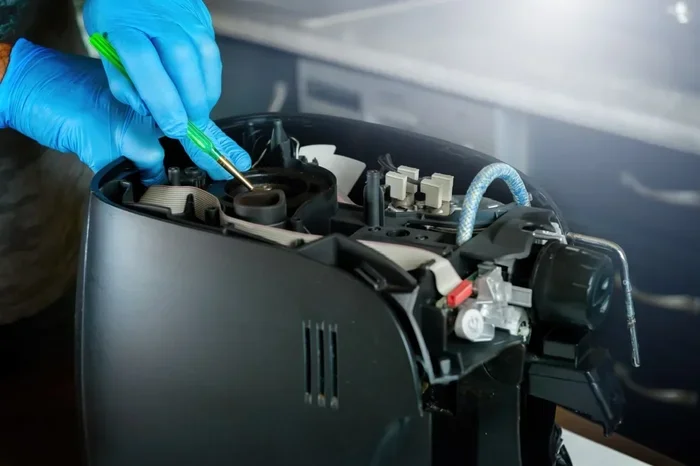
How To Unclog Mr Coffee Maker And Get It Brewing Again
A clogged Mr Coffee maker can ruin your morning routine, but you can fix it yourself with a few simple household supplies. This guide shows you exactly how to unclog your Mr Coffee maker using vinegar, warm water, and basic tools. You will learn step-by-step descaling methods, preventive maintenance tips, and when to replace parts to keep your coffee maker running smoothly for years.
There is nothing worse than pressing the brew button on your Mr Coffee maker and hearing nothing but a dull gurgle. A clogged coffee maker interrupts your morning and leaves you staring at a machine full of stale water instead of a fresh pot of coffee. Whether the problem is mineral buildup, old coffee grounds, or a blocked tube, the good news is that you can fix it yourself at home.
This guide walks you through everything you need to know about unclogging a Mr Coffee maker. We will cover the reasons clogs happen, the tools you need, a detailed step-by-step cleaning process, and simple tips to prevent future blockages. By the end, you will have your machine brewing again and your coffee tasting great.
Let us get started. No expensive repairs or technician visits needed. Just straightforward solutions that work.
Key Takeaways
- Vinegar and water solution is the most effective and affordable way to descale and unclog your Mr Coffee maker.
- Regular cleaning every 1-2 months prevents buildup and keeps your coffee tasting fresh.
- Disassembling removable parts like the filter basket and carafe helps you clean hard-to-reach areas.
- Running a test brew cycle after cleaning ensures all clogs are fully cleared before your next cup.
- Replacing worn parts like tubes and filters extends the life of your coffee maker significantly.
- Using filtered water reduces mineral buildup and keeps internal components cleaner longer.
📑 Table of Contents
- Why Mr Coffee Makers Get Clogged
- What You Will Need To Unclog Your Mr Coffee Maker
- Step-By-Step Guide To Unclogging Your Mr Coffee Maker
- How To Prevent Future Clogs In Your Mr Coffee Maker
- When To Replace Parts Instead Of Repairing
- Quick Tips For Keeping Your Mr Coffee Maker In Top Shape
- Related Kitchen Appliance Care Tips
- Conclusion
Why Mr Coffee Makers Get Clogged
Understanding why your coffee maker gets clogged helps you prevent the problem from coming back. Most clogs happen because of three main culprits. Each one builds up over time and slows down or stops the brewing process entirely.
Mineral and Lime Scale Buildup
If you live in an area with hard water, minerals like calcium and magnesium build up inside your machine. Over weeks and months, this limescale coats the inside of the water reservoir, tubes, and heating element. It narrows the passageways and restricts water flow. This is the most common reason coffee makers clog up.
Old Coffee Grounds and Oils
Coffee grounds can get stuck in the filter basket, the funnel, or even inside the tube that carries water. Coffee oils also stick to the walls of the reservoir and harden over time. This oily residue combines with mineral deposits and creates thick blockages that are tough to remove.
Mold and Mildew Growth
Coffee makers stay warm and moist after each brew. This creates the perfect environment for mold and mildew to grow. Over time, mold colonies can block tubes and filters. They also affect the taste of your coffee, making it smell musty or off.
What You Will Need To Unclog Your Mr Coffee Maker
Before you start, gather everything you need. Having all your supplies ready makes the process faster and smoother. You do not need any special tools or expensive cleaners.
- White distilled vinegar – the main hero for breaking down mineral deposits
- Warm water – for rinsing and mixing your cleaning solution
- Soft cloth or sponge – for wiping down surfaces
- An old toothbrush – perfect for scrubbing small corners and crevices
- Dish soap – mild dish soap works great for removable parts
- A clean, dry towel – for drying parts after washing
- A small bowl or container – for soaking parts
- Compressed air – optional but helpful for blowing out stubborn debris from tubes
Most of these items are already in your kitchen. If you have never cleaned your coffee maker before, this is the perfect time to start. A little effort now saves you from bigger problems later.
Step-By-Step Guide To Unclogging Your Mr Coffee Maker
Follow these steps in order for the best results. Each step targets a different part of the machine where clogs tend to form.
Step 1: Unplug And Disassemble Your Coffee Maker
Safety first. Always unplug your Mr Coffee maker before you start cleaning. Let it cool down completely if you just finished brewing. Remove the carafe, the filter basket, the funnel, and any other removable parts. Take a photo or make a mental note of how everything fits back together so reassembly is easy.
Place all removable parts on a clean towel. You will wash these separately, so keep them organized.
Step 2: Clean The Water Reservoir Thoroughly
The water reservoir is where mineral buildup starts. Fill it with equal parts white vinegar and warm water. For a standard 12-cup Mr Coffee maker, use about 4 cups of vinegar and 4 cups of water.
Let the solution sit inside the reservoir for at least 30 minutes. The vinegar works to dissolve limescale and break down mineral deposits on the walls. For heavy buildup, let it sit for up to an hour.
After soaking, scrub the inside of the reservoir with a soft sponge or cloth. Pay extra attention to any visible white or chalky deposits. Use your old toothbrush for hard-to-reach corners and seams.
Rinse the reservoir thoroughly with clean warm water. Repeat the rinse two or three times to make sure no vinegar taste remains. You do not want your next pot of coffee to taste like salad dressing.
Step 3: Descale The Internal Tubes And Heating Element
This is the most important step for clearing the actual clog. Fill the water reservoir with fresh vinegar solution and run a half brew cycle. Let the machine run for about 30 seconds, then turn it off and let the vinegar sit inside the tubes for 15 to 20 minutes.
After the soak, turn the machine back on and let it complete the brew cycle. The vinegar will flow through the tubes and break up any mineral blockages along the way. Once the cycle finishes, discard the vinegar solution in the carafe.
Now fill the reservoir with clean warm water and run another full brew cycle. This rinses out the vinegar and any loosened debris. Repeat this rinse cycle two more times to make sure everything is clean.
If your machine still seems slow after this, try adding a tablespoon of baking soda to the vinegar solution before running the half brew cycle. The baking soda adds a mild abrasive action that helps scrub away stubborn deposits inside the tubes.
Step 4: Clean The Filter Basket And Coffee Carafe
While the machine is soaking and rinsing, wash all the removable parts by hand. Use warm water and a few drops of dish soap. Scrub the filter basket carefully with your toothbrush to remove trapped coffee grounds and oily residue.
For the carafe, fill it with warm soapy water and let it soak for 10 minutes. Use a bottle brush or sponge to clean the inside. Coffee stains can build up on glass carafes over time, so do not skip this step.
Rinse all parts with clean water and dry them with a towel before putting them back together. Make sure everything is completely dry to prevent mold growth when you start using the machine again.
Step 5: Clear The Tube Opening With Compressed Air
If your coffee maker is still not brewing properly after descaling, the tube opening itself may be blocked. This small opening is where water enters the system, and it can get clogged with coffee grounds and mineral deposits.
Use a can of compressed air to blow gently into the tube opening. This pushes out any debris that is stuck in the narrow passage. You can also use a thin, flexible pipe cleaner or a coffee stirrer straw to carefully dislodge any blockage by hand.
Be gentle during this step. You do not want to push debris further into the machine or damage any internal components. A little patience goes a long way here.
Step 6: Run A Final Test Brew Cycle
Once everything is clean and reassembled, fill the reservoir with fresh cold water and run a full brew cycle without coffee grounds. This is your test run to make sure water flows freely through the machine.
Watch the brewing process carefully. Water should flow steadily and consistently. If it drips slowly or makes gurgling noises, there may still be a partial clog. Run another rinse cycle and repeat the test.
When the water flows smoothly and the brewing time feels normal, your Mr Coffee maker is unclogged and ready to go. Brew a test pot of coffee and taste it. If it tastes clean and fresh, you have done a great job.
How To Prevent Future Clogs In Your Mr Coffee Maker
Unclogging your coffee maker is a hassle, but preventing clogs is easy with a few simple habits. Regular maintenance keeps your machine running smoothly and your coffee tasting its best.
- Clean your coffee maker every 1 to 2 months with a vinegar and water solution. This removes mineral buildup before it becomes a serious clog.
- Use filtered water instead of tap water whenever possible. Filtered water has fewer minerals, which means less limescale buildup inside your machine.
- Throw away used coffee grounds after every brew. Do not leave wet grounds sitting in the filter basket overnight. They can grow mold and create blockages.
- Rinse the carafe and filter basket after each use. A quick rinse takes only 30 seconds and prevents residue from hardening over time.
- Descale your machine at least once a month if you live in a hard water area. Hard water users should be even more diligent about cleaning.
- Replace your coffee filter regularly. If you use permanent filters, clean them thoroughly every time you brew. Paper filters are disposable and should be replaced with each use.
These small habits add up over time. A well-maintained coffee maker lasts longer, brews faster, and makes better-tasting coffee. It is worth the few minutes of effort each week.
When To Replace Parts Instead Of Repairing
Sometimes a clog is a sign that a part needs to be replaced, not just cleaned. Knowing when to repair and when to replace saves you time and frustration.
If you have descaled your machine thoroughly and it still brews slowly or inconsistently, the internal tube or pump may be damaged beyond cleaning. In this case, replacement parts are often available directly from the manufacturer or through online retailers.
The water tube is one of the most common parts that wears out. Over time, it can crack, collapse, or develop holes that disrupt water flow. If you notice water leaking inside the machine or not reaching the shower head, inspect the tube carefully.
The heating element is another critical component. If your coffee maker stops brewing entirely and does not heat water at all, the heating element may have burned out. Replacing this part is usually straightforward and affordable.
The filter basket and carafe are easy to replace and relatively inexpensive. If you notice cracks, chips, or persistent staining that does not come out with cleaning, it is time for a new one.
Before ordering replacement parts, check your model number and confirm compatibility. Most Mr Coffee models share common parts, so finding the right fit is usually simple.
Quick Tips For Keeping Your Mr Coffee Maker In Top Shape
Here are some extra tips that make a big difference in the long run. These are small things you can do that keep your machine in great condition.
Always use the correct size filter for your model. A filter that is too small can let grounds pass through and clog the tube. A filter that is too large may not fit properly and cause overflow.
Do not leave water sitting in the reservoir for days. Stagnant water promotes mineral deposits and bacterial growth. Empty any leftover water after each use and refill with fresh water before your next brew.
If you notice your coffee brewing slower than usual, do not wait to clean it. Address the problem early before it turns into a full clog. A quick vinegar rinse takes minutes and can save you from a bigger cleaning job later.
For tough stains inside the carafe, try adding a handful of uncooked rice and some warm soapy water. Swirl it around and the rice acts as a gentle abrasive that lifts stains without scratching the glass.
Consider running a monthly cleaning cycle even when your coffee maker seems to be working fine. Prevention is always easier than fixing a problem after it has already developed. A few minutes of maintenance each month keeps your Mr Coffee maker performing like new.
Related Kitchen Appliance Care Tips
Keeping your kitchen appliances clean extends their life and improves performance. The same vinegar and water approach you use to descale your coffee maker works wonders on other appliances too. For tough burnt-on residue in your oven, check out how to clean oven with burnt food using similar natural cleaning methods. If you own a Ninja Air Fryer Oven, learn how to give it a thorough deep clean that keeps it running efficiently, similar to how you maintain your coffee maker. And while you are at it in the kitchen, you might enjoy discovering how to make oven baked macaroni and cheese as a comforting side dish to pair with your freshly brewed coffee.
Conclusion
Unclogging your Mr Coffee maker does not have to be a stressful experience. With the right supplies and a little patience, you can restore your machine to full working order in under an hour. The key is regular maintenance and addressing small problems before they turn into big ones.
Use the vinegar and water method to dissolve mineral buildup, clean all removable parts thoroughly, and run rinse cycles to flush out any remaining debris. Prevent future clogs by using filtered water, rinsing after each use, and cleaning your machine on a regular schedule.
If cleaning does not solve the problem, check for worn or damaged parts that may need replacing. Most coffee maker issues are simple and fixable at home. You do not need to be a technician or spend a fortune on repairs.
Now that you know how to unclog your Mr Coffee maker, you can enjoy fresh coffee every morning without interruption. Put these tips into practice today and keep your machine running smoothly for years to come. Your future self will thank you every morning when you wake up to a perfect cup of coffee.
Frequently Asked Questions
How do I know if my Mr Coffee maker is clogged?
Common signs include slow brewing, gurgling noises, water leaking from unusual spots, or the machine stopping mid-brew. If your coffee tastes off or weak, mineral buildup or a partial clog may be restricting water flow through the system.
Can I use lemon juice instead of vinegar to clean my coffee maker?
Yes, lemon juice works as a natural descaler and can dissolve mineral deposits similarly to vinegar. However, white distilled vinegar is more commonly recommended because it is stronger and more affordable. Both options get the job done effectively.
How often should I clean my Mr Coffee maker to prevent clogs?
You should clean your coffee maker every 1 to 2 months with a vinegar and water solution. If you live in a hard water area or use your machine daily, monthly cleaning is ideal. Rinsing removable parts after every use also helps prevent buildup between deep cleanings.
Is it safe to run vinegar through my Mr Coffee maker?
Yes, running a vinegar and water solution through your coffee maker is safe and widely recommended by manufacturers. Just make sure to run two or three rinse cycles with clean water afterward to remove any vinegar taste or smell before brewing your next pot of coffee.
What should I do if my coffee maker still does not brew after cleaning?
If cleaning does not fix the problem, the tube, pump, or heating element may be damaged and need replacement. Check for visible cracks or wear on internal parts. You can also contact Mr Coffee customer support for model-specific troubleshooting advice and replacement part options.
Can I use soap to clean the inside of my coffee maker?
Avoid using soap inside the water reservoir or tubes. Soap residue can linger and affect the taste of your coffee. Stick to vinegar and water for internal cleaning, and use mild dish soap only on removable parts like the carafe, filter basket, and funnel.