How Long To Soak Cold Brew Coffee For Perfect Flavor
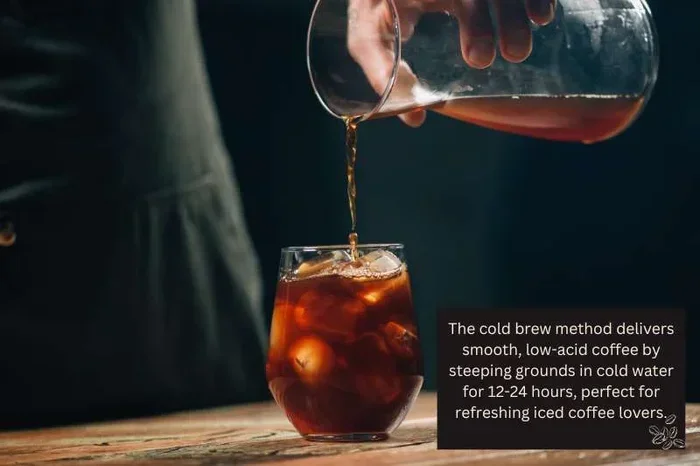
Soaking cold brew coffee for 12 to 24 hours produces the best flavor balance. The ideal steeping time depends on your grind size, coffee-to-water ratio, and whether you brew at room temperature or in the refrigerator. Following the right method ensures a smooth, low-acid concentrate that tastes great over ice or mixed with water.
Making cold brew coffee at home is one of the simplest ways to enjoy a smooth, rich cup without the bitterness of hot brewing. But here is the question almost every beginner asks: how long to soak cold brew coffee? The answer matters more than you might think. A few extra hours can turn a bright, clean cup into something muddy and over-extracted. On the other hand, too little time leaves you with weak, watery coffee that misses all the depth you are looking for.
In this guide, we break down everything you need to know about cold brew coffee steeping time. You will learn the ideal soak duration, how grind size and water temperature affect extraction, and simple tips to nail your batch every single time. Whether you are a first-timer or a seasoned home brewer, this article gives you the practical knowledge to make smooth coffee that rivals your favorite café.
Key Takeaways
- Steep for 12 to 24 hours: This range delivers the sweet spot between smooth flavor and proper extraction.
- Use coarse grounds: A coarse grind prevents over-extraction and keeps your cold brew from tasting bitter.
- Cold water is essential: Always use filtered cold water for the cleanest, smoothest result.
- Refrigerator brewing slows extraction: Cold fridge temps need longer soak times than room temperature brewing.
- Strain and store properly: Proper filtration and refrigeration keep your cold brew fresh for up to two weeks.
- Adjust to your taste: Shorter steeps make lighter coffee; longer steeps create a bold concentrate.
📑 Table of Contents
- What Is Cold Brew Coffee and Why Does Steeping Time Matter?
- How Long To Soak Cold Brew Coffee: The Ideal Time Range
- Factors That Affect Cold Brew Steeping Time
- Best Practices for Soaking Cold Brew Coffee
- Common Mistakes to Avoid When Making Cold Brew
- How to Use Your Cold Brew Concentrate
- Health Benefits of Cold Brew Coffee
- Conclusion
What Is Cold Brew Coffee and Why Does Steeping Time Matter?
Cold brew coffee is a brewing method that uses time instead of heat to extract flavor from coffee grounds. Rather than running hot water through grounds, you simply soak them in cold water for an extended period. This slow process pulls out different compounds than hot brewing, which is why cold brew tastes noticeably smoother and less acidic.
The steeping time is the heart of this method. Unlike espresso or drip coffee, where heat does most of the work quickly, cold brew relies entirely on time to achieve flavor extraction. Think of it like steeping tea. A tea bag in hot water takes a few minutes. Cold brew needs hours because the water is much colder and the extraction process is slower.
Getting the steeping time right is crucial. Too short, and you end up with under-extracted coffee that tastes flat and sour. Too long, and over-extraction brings out harsh, bitter notes that ruin the whole batch. Finding that sweet spot is what separates a mediocre cup from an exceptional one.
How Extraction Works in Cold Brew
During the soak, water slowly dissolves soluble compounds from the coffee grounds. These include oils, acids, sugars, and caffeine. Different compounds dissolve at different rates. Sugars and pleasant flavors come out first. Then acids and bitter compounds follow. The goal of coffee steeping is to stop the process right when the desirable flavors are fully extracted but before the bitter ones take over.
This is why timing matters so much. The brewing method gives you complete control over this timeline. You decide when to stop the extraction by removing the grounds from the water. No machine, no guesswork, just a simple timer and your patience.
How Long To Soak Cold Brew Coffee: The Ideal Time Range
The most commonly recommended steeping time for cold brew is between 12 and 24 hours. This wide range exists because many factors influence how fast extraction happens. Understanding these factors helps you dial in your personal perfect time.
For most home brewers, 16 to 18 hours hits the sweet spot. At this point, you get a balanced cup with natural sweetness, moderate acidity, and a clean finish. Going shorter than 12 hours usually produces a thin, underwhelming brew. Going beyond 24 hours often leads to bitterness and a muddy taste.
Short Soak: 8 to 12 Hours
A shorter soak produces a lighter, more tea-like cold brew. This approach works well if you prefer a milder cup or if you brew a coffee-to-water ratio that is stronger to begin with. Some people use a 12-hour soak and then dilute the concentrate to their liking. This method can highlight brighter, fruitier notes in certain coffee beans.
Short soaks also work with a finer grind size because the increased surface area speeds up extraction. However, be careful. A fine grind combined with even a short soak can still over-extract if you are not paying attention.
Medium Soak: 12 to 18 Hours
This is the most popular range for a reason. A 12 to 18 hour soak delivers a well-rounded cup with balanced sweetness, body, and flavor clarity. Most smooth coffee recipes fall into this window. It works with a standard coarse grind and a typical room temperature or refrigerator setting.
If you are unsure where to start, begin at 14 hours and adjust from there. Taste the result and decide if you want it stronger or lighter next time. This iterative approach is the best way to learn your personal preference.
Long Soak: 18 to 24 Hours
A longer soak creates a bold, intense concentrate. This is ideal if you like your cold brew very strong or if you plan to dilute it with water or milk over ice. The extended time pulls out more caffeine content and deeper flavor compounds, resulting in a rich, full-bodied cup.
However, there is a real risk of over-extraction past the 20-hour mark. Bitterness and astringency can creep in, especially with lighter roast beans. Dark roasts tend to handle longer soaks better because they already have bolder, sweeter flavor profiles.
Factors That Affect Cold Brew Steeping Time
Not all cold brew batches are created equal. Several variables change how long you should soak your grounds. Understanding these factors gives you the power to adjust your process and get consistent results every time.
Grind Size
Grind size is one of the biggest factors in extraction speed. Coarse grind coffee takes longer to extract because there is less surface area exposed to the water. Think of it like a large rock versus sand. Water passes around a rock slowly, but it moves through sand quickly.
For cold brew, always use a coarse grind. It should look and feel like rough sea salt. A coarse grind paired with a 16 to 20 hour soak gives you the cleanest, smoothest result. If you use a medium or fine grind, you will need to shorten the steeping time significantly to avoid over-extraction.
Water Temperature
Cold brew can be made at room temperature or in the refrigerator. The water temperature directly affects extraction speed. Room temperature water extracts flavors faster than cold fridge water. This means a room temperature brew might need only 12 to 16 hours, while a refrigerator brew could need 18 to 24 hours for the same strength.
Some brewers use a two-step approach. They steep at room temperature for the first 8 to 12 hours, then move the batch to the refrigerator for the remaining time. This can produce a complex, well-developed flavor profile. Experiment with both methods to see which you prefer.
Coffee-to-Water Ratio
The ratio of coffee to water changes everything. A higher concentration of grounds in the same amount of water extracts faster and produces a stronger brew. A standard batch brewing ratio is 1 part coffee to 8 parts water for a ready-to-drink cold brew, or 1 to 4 for a concentrate that you dilute later.
If you use more coffee, you can shorten the steeping time slightly because the extraction happens faster with more grounds. But be careful not to overdo it. Too much coffee in too little water leads to a crowded extraction where bitter compounds dominate.
Type of Coffee Bean
Different beans behave differently during cold steeping. Dark roasts tend to extract faster and produce sweeter, chocolatey flavors. Light roasts extract more slowly and can highlight fruity, floral notes. Medium roasts fall somewhere in between.
If you switch bean types, you may need to adjust your steeping time by an hour or two. Keep notes on what you brew and how long you steep it. Over time, you will build a personal reference guide that makes every batch better.
Best Practices for Soaking Cold Brew Coffee
Now that you know the ideal time range and the factors that affect it, let us talk about how to actually do it right. These practical tips will help you avoid common mistakes and get the best possible flavor from every batch.
Step-by-Step Cold Brew Process
Follow these simple steps for a perfect cold brew every time:
- Measure your coffee. Use a kitchen scale for accuracy. A good starting point is 1 cup of coarse grounds for every 4 cups of cold water.
- Grind fresh. Grind your beans just before brewing. Freshly ground coffee releases more flavor and aroma during the soak.
- Combine grounds and water. Place the coarse grounds in your brewing vessel and pour cold filtered water over them. Stir gently to make sure all grounds are saturated.
- Cover and steep. Place the vessel in the refrigerator or on the counter at room temperature. Let it sit for 12 to 24 hours depending on your preference.
- Strain and filter. Pour the mixture through a fine mesh strainer to remove the bulk of the grounds. Then filter again through a cheesecloth or paper filter for a clean, grit-free result.
- Store and serve. Transfer your cold brew concentrate to a sealed jar or bottle. It keeps in the refrigerator for up to two weeks.
Choosing the Right Brewing Vessel
The vessel you use for coffee steeping matters more than you might think. A large mason jar works great for small batches. For bigger quantities, consider a French press or a dedicated cold brew maker with a built-in filtration system. The key is to use a container that is clean, non-reactive, and has enough room for the grounds and water to move freely during the soak.
Avoid metal containers that can react with the coffee acids and change the flavor. Glass and food-grade plastic are the safest choices. A wide-mouth jar also makes straining much easier because you can fit a cheesecloth or filter through the opening without spilling.
Filtration Tips for a Smooth Cup
Proper filtration is the final step that separates a good cold brew from a great one. Rushing this step often leads to a gritty, unpleasant texture. Take your time and filter twice if needed.
First, strain out the big chunks with a mesh sieve. Then line the sieve with a cheesecloth or a fine paper filter and let the coffee drip through slowly. This double filtration method removes almost all sediment and gives you a crystal-clear concentrate that looks and tastes professional.
Some people like to rinse their paper filter with water before filtering. This removes any papery taste and pre-warms the filter, which helps the coffee flow through more evenly. Small details like this make a big difference in the final cup.
Common Mistakes to Avoid When Making Cold Brew
Even experienced home brewers make mistakes. Knowing what to avoid saves you time, coffee grounds, and disappointment. Here are the most common errors people make when making cold brew coffee at home.
Using the Wrong Grind Size
This is the number one mistake. Using a fine or medium grind for cold brew leads to over-extraction and a bitter, harsh taste. The grind should always be coarse, similar to sea salt or rough sand. If you do not have a burr grinder, consider buying pre-ground coarse coffee specifically labeled for cold brew.
Ignoring the Water Quality
Cold brew is mostly water. If your tap water tastes bad, your coffee will taste bad too. Always use filtered or bottled water for the cleanest flavor. Chlorine and minerals in tap water can interfere with extraction and add off-flavors that are hard to mask.
Steeping Too Long Out of Impatience
It is tempting to leave the grounds in the water for way too long because you want a super strong cup. But patience is key. Going beyond 24 hours almost always results in over-extraction. If you want a stronger brew, use more coffee grounds rather than extending the steeping time.
Storing Cold Brew Improperly
Once you have strained your cold brew, store it in a sealed container in the refrigerator. Leaving it out at room temperature for extended periods can cause it to go stale or develop off-flavors. Properly stored concentrate stays fresh for up to two weeks, so make batches in advance and enjoy them throughout the week.
How to Use Your Cold Brew Concentrate
Once you have mastered the steeping process, it is time to enjoy your creation. Cold brew concentrate is incredibly versatile and can be used in many ways beyond simply pouring it over ice.
The most common way to drink it is to dilute the concentrate with cold water or milk. A 1 to 1 ratio works well for most concentrates. You can also add ice, sweetener, flavored syrups, or even cream to customize your drink. Some people enjoy their cold brew straight up as a bold, intense shot.
Cold brew also makes an excellent base for cocktails and desserts. Try mixing it with tonic water for a refreshing spritz, or use it in a cold brew tonic with a slice of orange. You can even bake with it. If you enjoy pairing coffee with food, you might also appreciate learning about how to bake whole catfish in the oven for a savory dinner that pairs beautifully with a cold cup of iced coffee. For a fun dessert night, try making smores at home without an oven and serve them alongside a glass of cold brew for a cozy treat.
If you are exploring more kitchen techniques, you might also enjoy checking out how to make crispy tofu in the oven for a healthy plant-based meal that goes great with a morning or afternoon cold brew session.
Health Benefits of Cold Brew Coffee
Beyond its smooth taste, cold brew coffee offers several health benefits that make it a great choice for your daily routine. Because the steeping process uses cold water, cold brew tends to be less acidic than hot brewed coffee. This makes it easier on the stomach for people who are sensitive to acidity.
The caffeine content in cold brew can be higher than regular coffee, especially when you drink it as a concentrate. This provides a sustained energy boost that many people prefer over the jittery spike that hot coffee can sometimes cause. Cold brew also retains more antioxidants, which support overall health and wellness.
Of course, moderation is key. Too much caffeine can cause restlessness, insomnia, and other side effects. Enjoy your cold brew in sensible portions and you can reap the benefits without the downsides.
Conclusion
Mastering how long to soak cold brew coffee is the single most important step in making a delicious batch at home. The ideal range of 12 to 24 hours gives you a solid starting point, but your personal perfect time will depend on your grind size, water temperature, coffee-to-water ratio, and bean choice. Start with 16 hours, taste the result, and adjust from there. Use coarse grounds, filtered water, and proper filtration to get the smoothest, cleanest cup possible.
Cold brew coffee is a rewarding hobby that requires very little equipment and almost no skill. Once you nail your steeping time, you will never go back to expensive café drinks again. Make a batch this weekend, experiment with different times and ratios, and discover your perfect cup of smooth coffee. The process is simple, the results are incredible, and once you taste homemade cold brew, you will wonder how you ever lived without it.
Frequently Asked Questions
Can I soak cold brew coffee for too long?
Yes, soaking cold brew for more than 24 hours can lead to over-extraction, which brings out bitter and harsh flavors. Stick to the 12 to 24 hour range for the best results. If you want a stronger cup, add more coffee grounds instead of extending the steeping time.
What happens if I soak cold brew for only 6 hours?
A 6-hour soak produces a very weak, under-extracted brew that tastes thin and sour. It lacks the body and sweetness that make cold brew so enjoyable. If you are short on time, consider using a finer grind or a higher coffee-to-water ratio to compensate for the shorter steeping time.
Does room temperature steeping work faster than refrigerator steeping?
Yes, room temperature water extracts flavors faster because heat accelerates the extraction process. A room temperature cold brew typically needs 12 to 16 hours, while a refrigerator cold brew may need 18 to 24 hours. Both methods produce excellent results, so choose based on your schedule and preference.
Can I reuse coffee grounds for a second cold brew batch?
You can, but the second batch will be much weaker and less flavorful. The first soak extracts most of the desirable compounds. A second steep might produce a light, tea-like brew that some people enjoy, but do not expect the same depth of flavor as the first batch.
How long does homemade cold brew concentrate last in the fridge?
Properly stored cold brew concentrate keeps in the refrigerator for up to two weeks. Use a sealed container and keep it away from light and strong-smelling foods. After two weeks, the flavor starts to degrade and the coffee may develop a stale or flat taste.
What is the best coffee-to-water ratio for cold brew?
A standard ratio is 1 part coarse coffee grounds to 8 parts cold water for a ready-to-drink brew, or 1 to 4 for a concentrated version. Adjust the ratio based on your taste preference. More coffee makes a stronger brew, while more water makes it lighter and easier to drink straight.