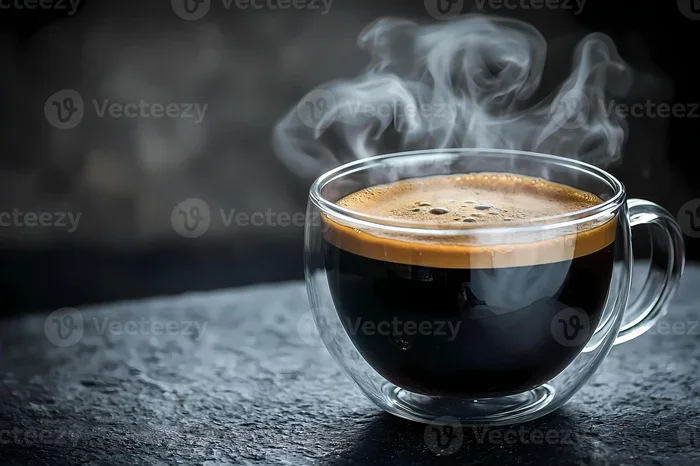
How To Make Black Coffee Taste Good Without Bitterness
Making black coffee taste good without bitterness is easier than you think. With the right beans, proper water temperature, and the correct grind size, you can enjoy a smooth, rich cup every single morning. These simple tips will transform your daily brew from harsh and bitter into something truly delicious.
There is nothing quite like a hot cup of black coffee to start your morning. But let us be honest. Sometimes that first sip can leave a lot to be desired. You take a sip and immediately feel that harsh, bitter bite. It is not the experience you were hoping for. If you have ever wondered why your cup tastes so off, you are not alone. Millions of people struggle with bitter coffee every single day. The good news is that fixing this problem is much simpler than you might think.
In this guide, we will walk you through everything you need to know about making black coffee taste good without the bitterness. We will cover the beans, the water, the grind, and the brewing process. By the end, you will have all the tools you need to brew a smooth, rich, and satisfying cup right at home. No fancy equipment required. Just simple, proven techniques that really work.
Key Takeaways
- Choose fresh, quality beans: The foundation of great black coffee starts with selecting the right beans and storing them properly.
- Control your water temperature: Brewing between 195°F and 205°F prevents over-extraction and reduces bitterness significantly.
- Get the grind size right: Matching your grind to your brewing method ensures balanced flavor and smooth coffee taste.
- Use the proper coffee-to-water ratio: A standard ratio of 1:16 helps you achieve the perfect strength without overwhelming bitterness.
- Keep your equipment clean: Regular cleaning removes built-up oils and residue that can ruin the flavor of your brew.
- Experiment with brewing methods: Different methods like pour-over, French press, and AeroPress each bring out unique flavor profiles in your cup.
📑 Table of Contents
Why Does Black Coffee Taste Bitter?
Before we fix the problem, let us understand what causes it. Bitterness in coffee is not random. It happens for a very specific reason. When coffee grounds meet hot water, they release flavors and compounds. This process is called extraction. When extraction goes right, you get a balanced, flavorful cup. When it goes wrong, you get harsh, bitter coffee.
Over-extraction is the most common culprit. This happens when water stays in contact with coffee grounds for too long. It pulls out too many compounds, especially those that taste bitter. Think of it like steeping tea for too long. The first sip is fine. But leave it for ten minutes and it becomes awful. The same principle applies to your brew.
Another big factor is water temperature. Water that is too hot will extract bitter compounds faster. Water that is too cool will under-extract and leave your coffee tasting flat and sour. Finding the sweet spot is essential for a good coffee taste. Dirty equipment also plays a role. Old oils and residue build up over time and make even great beans taste terrible.
Choose the Right Coffee Beans
The journey to a great cup starts before you ever turn on your machine. It starts with the beans. Not all coffee beans are created equal. The type, origin, roast level, and freshness of your beans all matter a lot.
Freshness Matters More Than You Think
One of the biggest secrets to avoiding bitter coffee is using fresh beans. Coffee starts to lose its flavor within two weeks of being roasted. After that, the quality drops fast. Always check the roast date on the bag. If there is no roast date, that is a red flag. Buy from local roasters or stores that rotate their stock frequently.
Store your beans in an airtight container at room temperature. Avoid clear containers that let light in. Light, heat, and moisture are the enemies of fresh coffee. A dark, cool pantry is the perfect spot. Never store beans in the fridge. The moisture and odors can ruin the coffee flavor.
Pick the Right Roast Level
The roast level you choose has a huge impact on your cup. Light roasts tend to be more acidic and fruity. Medium roasts offer a balanced flavor profile with moderate bitterness. Dark roasts have the strongest, boldest taste but can also taste burnt or overly bitter if not brewed correctly.
If you are new to drinking black coffee, start with a medium roast. It is the most forgiving and easiest to drink. As your palate develops, you can explore lighter or darker roasts. The quality of the bean also matters. Opt for 100% Arabica beans when possible. They tend to be smoother and less bitter than Robusta varieties.
Buy Whole Beans and Grind at Home
Pre-ground coffee might be convenient, but it sacrifices flavor fast. Once coffee is ground, it begins to lose its aroma and freshness within minutes. For the best coffee taste, buy whole beans and grind them just before brewing. This simple step makes a noticeable difference in every cup.
Master Water Temperature, Grind Size, and Ratio
Two of the most important factors in brewing smooth black coffee are water temperature and grind size. Get these wrong and no amount of good beans will save your cup.
The Ideal Water Temperature for Brewing
Water temperature is one of the biggest levers you have for controlling coffee extraction. The sweet spot for brewing coffee is between 195°F and 205°F. This is just below boiling. Water at a full boil (212°F) is too hot and will pull out bitter compounds. Water below 195°F will under-extract and leave your coffee tasting sour and weak.
If you do not have a thermometer, here is a simple trick. Bring your water to a boil and then let it sit for 30 to 45 seconds. This brings it right into the ideal range. Using water straight off the boil is one of the most common mistakes people make at home.
Why Grind Size Changes Everything
Your coffee grind size affects how quickly water extracts flavor from the grounds. A finer grind has more surface area, so extraction happens faster. A coarser grind has less surface area, so extraction takes longer.
Using the wrong grind size for your method leads to problems. Too fine and your coffee becomes over-extracted and bitter. Too coarse and it becomes under-extracted and sour. Here is a quick guide:
- Coarse grind: Best for French press and cold brew. Looks like sea salt.
- Medium grind: Great for drip coffee makers and pour-over. Looks like sand.
- Fine grind: Ideal for espresso. Looks like table salt.
Investing in a burr grinder is one of the best upgrades you can make. Blade grinders create an inconsistent grind size, which leads to uneven extraction. Burr grinders give you uniform particles and much better control over your coffee strength and flavor.
Get the Ratio Right
The standard starting point is 1:16. That means 1 gram of coffee for every 16 grams of water. For a typical 8-ounce cup, this works out to about 2 tablespoons of grounds. But this is just a starting point. Everyone’s taste is different. If you find your cup too strong or too weak, adjust from there. Use a kitchen scale for the most accurate results. Scoops are convenient but they are not precise. A scale takes the guesswork out and helps you reproduce your perfect cup every single time.
- Mild: 1 gram of coffee per 18 grams of water
- Medium: 1 gram of coffee per 16 grams of water
- Strong: 1 gram of coffee per 14 grams of water
Start with the medium ratio and adjust based on your preference. Keep notes so you can recreate your perfect brew. Over time, you will develop an instinct for the right amount. The goal is a balanced cup where the coffee aroma hits you first, followed by a smooth, pleasant flavor with no harsh bite.
Keep Your Equipment Clean and Try New Methods
This step is often overlooked, but it is absolutely critical. Dirty equipment is one of the leading causes of bad-tasting coffee. Old coffee oils build up inside your machine, grinder, and carafe. These stale oils turn rancid and transfer directly into your next cup. The result is a flat, off-putting taste that masks the true coffee flavor.
Clean Your Coffee Maker Regularly
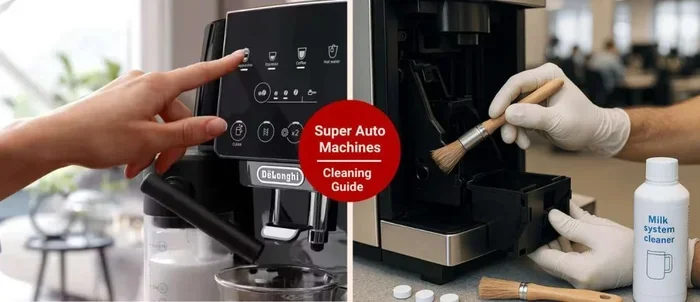
Run a cleaning cycle through your machine at least once a month. Use white vinegar and water in a 1:1 ratio. Pour it into the water reservoir and run a full brew cycle without any coffee grounds. Follow this with two to three cycles of clean water to rinse out any vinegar taste.
For daily maintenance, rinse your carafe and filter basket after every use. Wash removable parts with warm, soapy water. Dry everything thoroughly before reassembling. These small habits prevent buildup and keep your morning cup tasting fresh.
Clean Your Grinder Too
Do not forget about your grinder. Coffee oils accumulate in the burrs and chute over time. Once a month, brush out the grounds and wipe down the interior. Some grinders have a cleaning cycle or cleaning tablets designed specifically for this purpose. Use them according to the manufacturer’s instructions.
Clean equipment does more than just remove bad tastes. It also protects your coffee aroma. Fresh grounds release their full bouquet when they meet clean, residue-free surfaces. The difference in taste is remarkable once you make the switch.
Think of it this way. Just like knowing how to clean an oven with burnt food keeps your kitchen running well, keeping your coffee gear clean keeps your brews tasting their best. Maintenance is not glamorous, but it makes all the difference.
Pour-Over for Control and Clarity
The pour-over method gives you complete control over every variable. You choose the water temperature, the pour speed, and the brew time. This level of control makes it one of the best methods for producing clean, bright, and well-balanced coffee. A standard pour-over takes about 3 to 4 minutes from start to finish.
Use a medium grind and a slow, steady circular pour. Avoid pouring directly on the filter. Pour over the coffee bed in gentle circles. This ensures even saturation and uniform extraction. The result is a smooth, flavorful cup that highlights the unique characteristics of your beans.
French Press for Full-Body Coffee
The French press produces a rich, full-bodied cup with more oils and sediment than other methods. Because the grounds steep in water for four minutes, the extraction is more complete. This method brings out deeper, bolder flavors. However, it can also amplify bitterness if you leave the grounds in too long.
To avoid this, use a coarse grind and press the plunger slowly. Pour your coffee into a separate mug immediately after pressing. Do not let it sit in the press with the grounds. This simple step prevents over-extraction and keeps your cup smooth and enjoyable.
AeroPress for Smooth, Low-Bitterness Coffee
The AeroPress is a fantastic option for those who want smooth black coffee without bitterness. It uses air pressure to push water through the grounds quickly. This short extraction time reduces the chance of pulling out bitter compounds. Many coffee lovers swear by the AeroPress for its clean, crisp results.
Try the inverted method for even more control. Steep the coffee for 1 to 2 minutes, then press gently. Use a medium-fine grind and slightly cooler water. The AeroPress is incredibly forgiving and produces a delicious cup with minimal effort. It is also portable, making it perfect for travel or office use.
Cold Brew for Naturally Sweet, Low-Acid Coffee
If bitterness is your biggest enemy, cold brew might be your best friend. Cold water extracts coffee slowly over 12 to 24 hours. This process pulls out fewer of the bitter compounds and acids that hot water extracts. The result is a naturally sweet, smooth concentrate that you can dilute with water or milk.
Mix one part cold brew concentrate with one part cold water for a refreshing glass. You can also warm it up if you prefer hot coffee. Cold brew keeps in the fridge for up to two weeks, so you can make a batch and enjoy it all week long. It is one of the easiest ways to enjoy great black coffee taste without any bitterness at all.
Final Thoughts
Making black coffee taste good without bitterness is a skill anyone can learn. It all comes down to a few key factors. Fresh, quality beans set the foundation. The right water temperature unlocks the best flavors. Proper grind size ensures even extraction. The correct ratio balances strength and smoothness. Clean equipment keeps your coffee pure and true. And choosing the right brewing method lets you tailor every cup to your personal taste.
Start with one or two changes and build from there. Maybe you switch to fresher beans this week. Next week, you invest in a burr grinder. Before you know it, you are brewing café-quality coffee in your own kitchen. The journey to better coffee is incremental, and every small improvement adds up.
Remember, the perfect cup of coffee is the one that tastes best to you. Do not be afraid to experiment. Try different beans, adjust your ratios, and explore new brewing methods. The more you brew, the better you will get. Your mornings deserve a cup of coffee that wakes you up and makes you smile. Now go brew something amazing.
Here is one more fun idea. If you enjoy pairing your morning coffee with a sweet snack, you might also love learning how to make smores at home without an oven. It is a wonderful way to turn your coffee routine into a mini treat session. And if you want to explore more warming techniques, check out how to warm tortilla chips in the oven for a crunchy companion to your cup.
Frequently Asked Questions
Why does my black coffee taste so bitter?
Bitter coffee usually results from over-extraction, which happens when water stays in contact with coffee grounds for too long or when the water temperature is too high. Other causes include stale beans, a grind that is too fine, or dirty equipment. Adjusting these variables can dramatically reduce bitterness and improve your coffee taste.
What is the best water temperature for brewing black coffee?
The ideal water temperature for brewing coffee is between 195°F and 205°F, which is just below boiling. Water that is too hot extracts bitter compounds quickly, while water that is too cool under-extracts and leaves your coffee tasting sour. If you do not have a thermometer, simply let boiling water rest for 30 to 45 seconds before pouring it over your grounds.
Does the grind size affect bitterness in coffee?
Absolutely. Grind size plays a huge role in how your coffee tastes. A grind that is too fine creates more surface area, which leads to over-extraction and a bitter flavor. A grind that is too coarse results in under-extraction and a sour taste. Matching your grind size to your brewing method is one of the easiest ways to achieve a smooth, balanced cup of black coffee.
How can I make my coffee taste smoother without adding milk or sugar?
You can make your coffee taste smoother by using fresh, quality beans, brewing at the right temperature, and choosing the correct grind size for your method. Cold brew is another excellent option because it naturally produces a sweeter, less bitter cup. You can also try adding a tiny pinch of salt to your grounds, which neutralizes bitterness at the chemical level without affecting the flavor.
How often should I clean my coffee maker?
You should run a deep cleaning cycle through your coffee maker at least once a month using a vinegar and water solution. For daily care, rinse your carafe and filter basket after every use and wash removable parts with warm, soapy water. Regular cleaning prevents the buildup of stale oils and residue that can ruin the flavor of your brew.
Is cold brew less bitter than hot brewed coffee?
Yes, cold brew is naturally less bitter than hot brewed coffee. Because it uses cold water and a long steeping time of 12 to 24 hours, the extraction process pulls out fewer of the bitter compounds and acids that hot water releases. The result is a smooth, naturally sweet concentrate that is very easy to drink black, making it one of the best ways to enjoy great black coffee taste without any harsh bitterness.