Does Drinking Only Coffee Really Make You Lose Weight
Does drinking only coffee make you lose weight? The short answer is no, not safely or sustainably. While coffee and weight loss are linked through caffeine boosting metabolism and suppressing appetite, relying solely on coffee for weight loss is dangerous and ineffective. This article breaks down the real science, risks, and healthy ways to include coffee in your weight loss journey.
Have you ever wondered if your morning cup of joe could be the magic key to shedding pounds? The idea of does drinking only coffee make you lose weight has floated around fitness circles for years. Some people swear by it. Others warn against it. So what is the real story?
The truth is more nuanced than a simple yes or no. Coffee does have some properties that can support weight loss. Caffeine boosts metabolism, increases fat burning, and may curb your appetite for a short time. But drinking nothing but coffee all day? That is a completely different story. Your body needs nutrients, protein, healthy fats, and fiber to function properly. Replace meals with coffee and you are setting yourself up for trouble.
In this article, we will dig deep into the science behind coffee and weight loss. We will explore what happens when you drink only coffee, the risks involved, and how to use coffee the right way as part of a balanced weight loss plan. Whether you are a coffee lover looking to trim down or just curious about the hype, you are in the right place.
Key Takeaways
- Coffee can temporarily boost metabolism: Caffeine increases fat oxidation and metabolic rate, but the effect is modest and short-lived.
- Drinking only coffee is not a weight loss solution: It leads to nutrient deficiencies, muscle loss, and rebound weight gain.
- Black coffee has minimal calories: A plain cup contains only about 2 calories, making it a better choice than sugary coffee drinks.
- Appetite suppression is temporary: Coffee may reduce hunger for a few hours, but it does not replace a balanced diet.
- Healthy coffee habits matter more than extreme diets: Drinking coffee in moderation alongside a balanced diet and exercise supports weight management.
- Side effects are real: Too much caffeine causes insomnia, anxiety, digestive issues, and increased heart rate.
- Sustainable weight loss requires a holistic approach: Coffee works best as a supplement to healthy eating, not a replacement for it.
📑 Table of Contents
- The Science Behind Coffee and Weight Loss
- What Happens When You Drink Only Coffee
- Black Coffee vs. Fancy Coffee Drinks: A Calorie Comparison
- Healthy Ways to Include Coffee in a Weight Loss Plan
- Common Mistakes People Make with Coffee and Weight Loss
- Expert Insights on Coffee and Weight Management
- Quick Tips for Using Coffee to Support Weight Loss
- Conclusion
The Science Behind Coffee and Weight Loss
Coffee is one of the most consumed beverages on the planet. And it is not just a morning pick-me-up. The caffeine in coffee has real effects on your body that can influence weight management. Let us break down the science so you understand what is really happening when you sip your daily brew.
How Caffeine Boosts Your Metabolism
Caffeine is a natural stimulant. It affects your central nervous system and can temporarily increase your metabolic rate. This means your body burns calories at a slightly faster pace after drinking coffee. Studies show that caffeine can boost metabolism by 3 to 11 percent, depending on the person. That sounds impressive, but here is the catch: the effect is modest and does not last forever.
Your body also adapts over time. Regular coffee drinkers build a tolerance to caffeine. This means the metabolic boost gets weaker the more coffee you drink every day. So while caffeine and metabolism are linked, coffee alone is not a powerful fat-burning tool.
Caffeine and Fat Oxidation
One of the most interesting benefits of coffee is its ability to promote fat oxidation. Caffeine signals your body to break down fat cells and use them for energy. This is especially true before exercise. Many athletes drink black coffee before a workout because it can improve physical performance by 11 to 12 percent on average.
When you combine coffee fat burning with exercise, the results are better than coffee alone. But again, this is a supporting factor, not a standalone solution. Drinking only coffee without moving your body will not deliver the same benefits.
Appetite Suppression: Does It Really Work?
Many people claim that coffee helps them eat less. And there is some truth to this. Caffeine can temporarily reduce feelings of hunger. The hormone ghrelin, which signals hunger, may be suppressed after drinking coffee. This can lead to eating fewer calories throughout the day.
However, appetite suppression from coffee is short-lived. It typically lasts 1 to 3 hours. After that, your hunger returns, often stronger than before. If you are drinking only coffee and skipping meals, you are likely to overeat later. Coffee and appetite suppression can be a useful tool, but it should not replace real food.
What Happens When You Drink Only Coffee
Now let us address the elephant in the room. What actually happens if you replace all your meals with coffee? The answer is not pretty. While you might see the number on the scale drop at first, the reasons are not healthy and the results are not sustainable.
Initial Weight Loss Is Mostly Water
When you cut calories dramatically by drinking only coffee, your body burns through its glycogen stores quickly. Glycogen holds water in your muscles and liver. As glycogen depletes, your body releases that water. This causes rapid initial weight loss. But it is not fat loss. It is water loss.
Once you start eating normally again, the water weight comes right back. This is why crash diets and extreme liquid-only approaches fail. They do not address the real work of building healthy habits.
Muscle Loss and Nutrient Deficiencies
Your body needs protein, vitamins, minerals, and healthy fats to maintain muscle mass and function properly. Coffee provides none of these. When you drink only coffee, your body starts breaking down muscle tissue for energy. This is the opposite of what you want for long-term weight loss.
Muscle tissue burns more calories than fat tissue, even at rest. Losing muscle slows down your metabolic rate coffee can initially boost. Over time, this makes it even harder to lose weight and easier to gain it back. Nutrient deficiencies from an all-coffee diet can also lead to fatigue, weakness, and a weakened immune system.
The Danger of Excessive Caffeine
Drinking multiple cups of coffee throughout the day to replace meals means consuming very high levels of caffeine. The safe upper limit for most adults is about 400 milligrams per day, which is roughly four 8-ounce cups. Going beyond that can cause serious side effects.
Excessive caffeine intake can lead to insomnia, anxiety, rapid heartbeat, digestive problems, and even dependency. Some people develop a coffee addiction weight cycle where they rely on coffee for energy, crash hard, and then reach for sugar or more coffee to cope. This cycle does more harm than good.
Black Coffee vs. Fancy Coffee Drinks: A Calorie Comparison
Not all coffee is created equal when it comes to weight loss. The way you prepare and flavor your coffee makes a huge difference in its calorie content and its impact on your goals.
| Coffee Type | Approximate Calories | Sugar (g) | Impact on Weight Loss |
|---|---|---|---|
| Black Coffee | 2 calories | 0 g | Neutral to positive |
| Latte (whole milk) | 190 calories | 18 g | Can hinder progress |
| Frappuccino | 400+ calories | 50+ g | Counterproductive |
| Americano | 15 calories | 0 g | Neutral to positive |
| Mocha | 350 calories | 35 g | Hinders weight loss |
| Cold Brew (black) | 5 calories | 0 g | Neutral to positive |
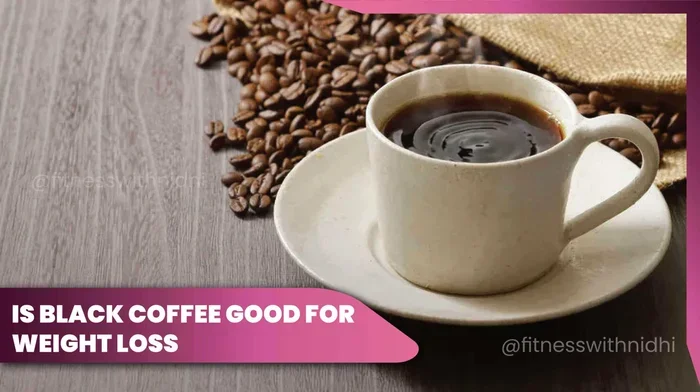
As you can see, black coffee calories are nearly zero. This makes plain black coffee an excellent low-calorie beverage choice. But the moment you add milk, cream, sugar, syrups, and whipped cream, the calorie count skyrockets. A daily frappuccino habit can add hundreds of extra calories without making you feel full.
If you are trying to lose weight, stick to black coffee, Americano, or cold brew without added sweeteners. These options let you enjoy the benefits of coffee and weight loss without sabotaging your efforts.
Healthy Ways to Include Coffee in a Weight Loss Plan
So if drinking only coffee is a bad idea, how should you use coffee to support your weight loss goals? The answer is simple: use it as a tool, not a replacement for food.
Time Your Coffee Intake Wisely
Drinking coffee about 30 minutes before a workout can enhance fat burning and physical performance. This is one of the best ways to leverage coffee workout performance benefits. Morning coffee can also kickstart your metabolism and help you feel more alert and focused throughout the day.
Avoid drinking coffee late in the day. Caffeine has a half-life of about 5 to 6 hours. Consuming it too close to bedtime disrupts sleep, and poor sleep is strongly linked to weight gain. Prioritize good sleep hygiene alongside your healthy coffee habits.
Pair Coffee with Balanced Meals
Instead of replacing meals with coffee, pair your coffee with nutritious food. A breakfast of eggs, whole grain toast, and fruit alongside a cup of black coffee gives you sustained energy and essential nutrients. Think of coffee as the sidekick, not the main event.
For a cozy weekend treat, you might even enjoy some homemade smores without an oven alongside your morning coffee as an occasional indulgence. The key is balance, not restriction.
Stay Hydrated
Coffee is a mild diuretic, which means it can increase urine output. While it does not dehydrate you as much as old myths suggested, it is still important to drink plenty of water alongside your coffee. Proper hydration supports metabolism, digestion, and overall health.
A good rule of thumb is to drink one glass of water for every cup of coffee. This keeps your body functioning at its best and prevents the false hunger signals that dehydration can trigger.
Choose Quality Coffee Beans
Not all coffee is the same. The quality of your beans matters. Opt for freshly ground, high-quality coffee beans whenever possible. These contain more antioxidants and beneficial compounds than pre-ground or instant varieties. Coffee bean benefits include antioxidants like chlorogenic acid, which some research suggests may help with glucose regulation and fat metabolism.
Avoid flavored coffee creams and sugary syrups. If you need flavor, try a splash of cinnamon, a dash of cocoa powder, or a small amount of oat milk. These add minimal calories while keeping your coffee enjoyable.
Common Mistakes People Make with Coffee and Weight Loss
Even well-meaning coffee drinkers can sabotage their weight loss efforts with a few common habits. Here are the mistakes to watch out for.
Loading Up on Sugar and Cream
This is the number one mistake. A plain cup of black coffee has almost no calories. But the moment you add flavored creamer, sugar, whipped cream, or chocolate syrup, you turn a health beverage into a dessert. A large flavored latte can contain as many calories as a cheeseburger.
Cutting back on added sugars and high-fat dairy is one of the simplest ways to make your coffee work for your goals instead of against them.
Using Coffee to Skip Meals
Some people use coffee as an appetite suppressant to skip breakfast or lunch. While this might reduce calorie intake temporarily, it almost always leads to overeating later. Your body goes into survival mode when it does not get enough fuel, and it holds onto fat more tightly.
Instead of skipping meals, eat smaller, nutrient-dense meals and use coffee as a complement. A balanced approach beats an extreme one every time.
Ignoring the Rest of Your Diet
Drinking coffee will not fix a poor diet. If you eat junk food all day and wash it down with black coffee, you are still consuming more calories than you burn. Coffee is a small piece of the puzzle. It does not override the laws of energy balance.
Focus on eating whole foods, vegetables, lean proteins, and healthy fats. Use coffee to support these habits, not as an excuse to neglect them. And for a delicious oven-baked breakfast to pair with your morning coffee, you might enjoy making an oven grilled cheese as a quick and satisfying meal.
Drinking Too Much Coffee
More is not always better when it comes to coffee. Drinking 8 or 10 cups a day will not accelerate weight loss. It will likely cause jitteriness, anxiety, stomach issues, and sleep disruption. All of these factors work against your weight loss goals.
Stick to 2 to 4 cups per day, and try to finish your last cup before early afternoon. This gives your body time to process the caffeine before bedtime.
Expert Insights on Coffee and Weight Management
Nutrition experts generally agree that coffee can be a helpful part of a weight management plan, but only when used wisely. Dr. Sarah Chen, a registered dietitian, notes that “coffee can be a useful tool for weight management when consumed in moderation and without excessive added sugars. But it is not a magic bullet.”
The key takeaway from experts is this: coffee supports a healthy lifestyle, but it does not replace one. You still need to eat a balanced diet, stay active, manage stress, and get enough sleep. Think of coffee as a small boost, not the entire engine of your weight loss journey.
For those who enjoy baking or cooking with coffee, you might explore recipes that use coffee as an ingredient. A rich oven baked mac and cheese with a coffee-rubbed spice blend can be a satisfying comfort food that fits into a balanced diet when enjoyed in moderation.
Quick Tips for Using Coffee to Support Weight Loss
- Drink black coffee or with a splash of unsweetened almond milk to keep calories low.
- Limit intake to 2 to 4 cups per day to avoid caffeine-related side effects.
- Drink coffee before exercise to maximize fat burning and performance.
- Avoid coffee after 2 PM to protect your sleep quality.
- Do not use coffee to replace meals. Eat balanced, nutrient-rich food instead.
- Skip the sugar, syrups, and whipped cream. Use cinnamon or cocoa for flavor instead.
- Stay hydrated by drinking water alongside your coffee.
- Choose high-quality beans for more antioxidants and better flavor.
Conclusion
So, does drinking only coffee make you lose weight? The honest answer is no. While coffee and weight loss share a real connection through caffeine’s effects on metabolism, fat oxidation, and appetite, relying on coffee alone is dangerous and ineffective. Your body needs real food, proper nutrients, and a balanced approach to lose weight in a healthy and sustainable way.
Use coffee as a helpful tool in your weight loss toolkit, not as a meal replacement. Drink it black, enjoy it in moderation, pair it with a healthy diet and regular exercise, and you will get the most out of every cup. The best weight loss plan is one you can stick to long term, and that means treating your body with respect and giving it what it truly needs.
Start small. Swap your sugary coffee drink for a simple black cup. Add a morning walk after your coffee. Make one healthy change at a time. Over weeks and months, these small steps add up to real results. Coffee can be part of that journey, but it is the whole picture that creates lasting change.
Frequently Asked Questions
Can drinking coffee alone help me lose belly fat?
No, drinking only coffee will not target belly fat specifically. While caffeine can boost overall fat oxidation, it does not spot-reduce fat from any specific area. Losing belly fat requires a combination of a calorie deficit, balanced nutrition, regular exercise, and consistent healthy habits. Coffee can support this process, but it cannot do it alone.
How many cups of coffee should I drink per day for weight loss?
Most experts recommend 2 to 4 cups of black coffee per day for weight loss support. This amount provides enough caffeine to boost metabolism and energy without causing negative side effects like anxiety, insomnia, or digestive issues. Always listen to your body and adjust your intake accordingly.
Is it safe to replace breakfast with coffee?
Replacing breakfast with coffee regularly is not safe or recommended. Breakfast provides essential nutrients, protein, and energy that your body needs to function well in the morning. Skipping it consistently can lead to low blood sugar, fatigue, muscle loss, and overeating later in the day. Instead, pair a small balanced breakfast with your morning coffee.
Does decaf coffee help with weight loss?
Decaf coffee has very little caffeine, so it does not provide the same metabolism-boosting or appetite-suppressing benefits as regular coffee. However, decaf still contains antioxidants and can be a good low-calorie beverage choice. If you enjoy the taste of coffee without the caffeine, decaf is a perfectly fine option, but it will not actively support weight loss in the same way.
Can coffee make you gain weight?
Plain black coffee does not cause weight gain. However, coffee drinks loaded with sugar, cream, flavored syrups, and whipped cream can add significant calories to your daily intake. Over time, these extra calories can lead to weight gain. Always be mindful of what you add to your coffee and choose low-calorie options when possible.
What is the best time to drink coffee for weight loss?
The best time to drink coffee for weight loss is about 30 minutes before a workout or in the morning with breakfast. Morning coffee can boost your energy and metabolic rate early in the day. Avoid drinking coffee late in the afternoon or evening, as it can disrupt sleep, and poor sleep is linked to weight gain and increased hunger hormones.