How To Cook Lamb Meat In Oven For Mouthwatering Flavor
Want to cook lamb meat in oven like a pro? This guide shows you exactly how to get mouthwatering flavor every time. You’ll learn the perfect oven temperature, timing, and seasoning tricks for tender, juicy results.
Cooking lamb meat in oven might sound fancy, but it’s one of the easiest ways to get a stunning centerpiece. A few simple steps turn a humble cut into a juicy, aromatic roast that fills your kitchen with irresistible smells. Whether you’re planning a Sunday dinner or a holiday feast, mastering oven-roasted lamb is a game-changer. The dry heat of the oven caramelizes the outside while keeping the inside tender. All you need is a good cut, some basic seasonings, and a reliable thermometer.
Many people think lamb is difficult to cook. They worry about it turning out tough or gamey. In reality, oven-baked lamb is very forgiving. The slow, even heat breaks down the connective tissues gently. This creates a melt-in-your-mouth texture that’s hard to achieve on the stovetop. Once you try it, you’ll wonder why you didn’t start sooner.
Key Takeaways
- Choose the right cut: Leg, shoulder, rack, and loin each have ideal cooking methods.
- Bring lamb to room temperature: This ensures even cooking and reduces roast time.
- Use a meat thermometer: Target 135°F for medium-rare and 145°F for medium.
- Rest the meat: Let lamb rest 15-20 minutes to keep juices inside.
- Season generously: Rosemary, garlic, and olive oil create a classic flavor profile.
- Sear before roasting: A quick sear adds a flavorful crust.
- Slice against the grain: This keeps lamb tender and easy to chew.
📑 Table of Contents
Why Oven-Roasted Lamb Is So Delicious
There’s something magical about oven-roasted lamb. The dry heat wraps the meat in a golden, caramelized crust. Inside, the juices stay locked in, creating a tender bite. Unlike stovetop cooking, an oven gives you even heat all around. This means less babysitting and more time to prep sides. The slow roasting process also allows flavors to deepen beautifully.
The Science Behind the Sear
When lamb hits a hot oven, the proteins undergo the Maillard reaction. This creates those complex, savory flavors we love. A quick sear on the stovetop before roasting boosts this effect. It gives you a dark, flavorful crust that holds in moisture. The fat cap slowly renders, basting the meat from within. That’s why oven-roasted lamb tastes so rich and full-bodied.
- Even cooking: Heat surrounds the meat uniformly.
- Hands-off roasting: Set it and forget it.
- Flavor concentration: Natural juices reduce and intensify.
- Beautiful presentation: A golden-brown crust looks stunning.
Quick Tips for the Best Crust
- Pat the meat completely dry before seasoning.
- Use a hot oven to kickstart the browning.
- Add a little oil to the fat cap to help it render.
- Avoid opening the oven door too often.
Choosing the Right Cut of Lamb
Not all lamb cuts are the same. Some are perfect for quick roasts, while others shine with slow cooking. Picking the right piece makes a huge difference in your final dish. I’ll break down the most popular options below.
Best Cuts for Oven Roasting
The leg of lamb is the classic choice for a whole roast. It’s lean and tender when cooked properly. The shoulder is a fattier cut that stays juicy even if you slightly overcook it. Rack of lamb offers elegant, small bones perfect for a dinner party. Loin chops and lamb loin roasts are quick-cooking and very tender. For a budget-friendly option, try lamb shoulder—it’s full of flavor and forgiving.
| Cut | Best For | Approx. Cooking Time (per lb) | Fat Content |
|---|---|---|---|
| Leg of Lamb | Whole roast, elegant presentation | 20-25 min | Moderate |
| Shoulder | Slow roast, shreddable meat | 25-30 min | High |
| Rack of Lamb | Individual portions, quick cook | 15-20 min | Low |
| Loin Roast | Tender, lean roast | 20-25 min | Low |
| Lamb Shoulder | Budget-friendly, family meals | 25-30 min | High |
This lamb cooking comparison helps you pick the right piece. Each cut responds differently to heat, so adjust your oven temperature accordingly.
Buying Tips for Fresh Lamb
Look for lamb with a pale pink color and fine texture. The fat should be white, not yellow. Yellow fat indicates older meat. Ask your butcher to trim the fat cap to about a quarter-inch. This leaves enough fat to baste the meat without overwhelming it. If you’re new to cooking lamb chops, start with a rack or loin. They are more forgiving and cook quickly.
Essential Prep Steps Before Cooking
Good prep is the secret to perfect oven-roasted lamb. Rushing this stage often leads to uneven cooking or tough meat. Take the time to follow these simple steps.
Bring the Lamb to Room Temperature
Remove the lamb from the fridge at least 30 minutes before cooking. Cold meat going into a hot oven cooks unevenly. The outside can burn while the center stays raw. Letting it sit on the counter gives you a more uniform lamb cooking temperature throughout. Pat it dry with paper towels before seasoning.
Trimming and Tying
If you’re using a leg of lamb, trim any excess fat to leave a thin, even layer. You can also score the fat cap in a crosshatch pattern. This helps the heat penetrate and renders the fat faster. For a boneless leg, tie it with kitchen twine at regular intervals. This keeps the shape uniform and prevents it from spreading out during roasting.
Seasoning and Drying the Surface
A dry surface creates a better crust. Blot the lamb with a clean towel. Then apply a generous layer of salt and pepper. For extra flavor, add minced garlic, fresh rosemary, and a drizzle of olive oil. Let the seasoned lamb sit for 15 minutes. This helps the salt draw out moisture, which then gets reabsorbed for a deeper flavor.
Quick Tips
- Use kosher salt for even distribution.
- Add a pinch of cumin or coriander for a Mediterranean twist.
- Insert whole garlic cloves into slits for extra aroma.
- Brush the fat cap with herb-infused oil for a golden crust.
Common Mistakes to Avoid
- Skipping the dry step: Wet meat steams instead of searing.
- Over-seasoning too early: Salt can draw out too much moisture if left for hours.
- Forgetting to tie: An untied roast cooks unevenly.
How To Cook Lamb Meat In Oven: Temperature and Timing
This is the heart of how to cook lamb meat in oven. Getting the oven temperature right is the single most important factor. Too hot and the outside burns before the inside is done. Too low and you lose that beautiful crust. I’ll walk you through the exact numbers.
Ideal Internal Temperatures
Use an oven-safe thermometer to check doneness. Here are the target internal temperatures for different levels of doneness:
- Rare: 120°F (49°C) – very red, soft center.
- Medium-Rare: 130-135°F (54-57°C) – pink and juicy, the most popular choice.
- Medium: 140-145°F (60-63°C) – slight pink, firmer texture.
- Well-Done: 155°F+ (68°C+) – gray throughout, less juicy.
Remember that carryover cooking raises the temperature by about 5°F after you pull the lamb out. So pull it slightly below your target.
How Long to Roast Lamb
Cooking time depends on the cut and your desired doneness. As a general rule, roast at 325°F (165°C) for about 20-25 minutes per pound for medium-rare. A 5-pound leg of lamb will take roughly 1.5 to 2 hours. Use the table below for quick reference.
| Cut | Weight | 325°F Time (Medium-Rare) | Internal Temp Target |
|---|---|---|---|
| Leg of Lamb | 5-7 lbs | 20-25 min/lb | 130-135°F |
| Shoulder | 4-6 lbs | 25-30 min/lb | 135-140°F |
| Rack of Lamb | 1.5-2 lbs | 15-20 min/lb | 130°F |
| Loin Roast | 2-3 lbs | 20-25 min/lb | 135°F |
Always let the lamb rest for at least 15 minutes before slicing. This allows the juices to redistribute. Cutting too soon releases all those flavorful liquids onto the board.
Step-by-Step Roasting Method
- Preheat your oven to 325°F (165°C).
- Place the lamb fat-side up on a rack in a roasting pan.
- Sear the outside in the oven for 15 minutes to kickstart the crust.
- Reduce the heat and continue roasting until 10°F below your target temp.
- Remove and tent loosely with foil for 15-20 minutes.
- Check the final temperature before slicing.
Common Mistakes to Avoid
- Skipping the rest: This is the #1 reason for dry lamb.
- Overcooking: Pull early and let carryover do the work.
- Not using a thermometer: Guesswork leads to inconsistent results.
- Cold meat in the oven: Always bring it to room temp first.
Seasoning and Flavor Boosters
The beauty of oven-roasted lamb is that it pairs with almost any herb or spice. I love keeping it simple with rosemary and garlic. But you can get creative with global flavors. Here are some winning combinations.
Classic Mediterranean Herbs
Rosemary and thyme are traditional partners for lamb. They stand up to the strong flavor without overpowering it. Mix them with olive oil, minced garlic, and a squeeze of lemon. This Greek-style lamb rub works beautifully on every cut. Za’atar and sumac add a tangy, earthy note that’s very popular in the Middle East.
Sweet and Savory Glazes
For a show-stopping crust, try a glaze during the last 20 minutes of cooking. A mix of honey, Dijon mustard, and rosemary creates a sticky, caramelized top. Pomegranate molasses gives a sweet-tart kick that pairs wonderfully with lamb. Brush it on when the internal temp is about 10°F below your target.
Spice Rubs for Bold Flavors
Don’t be afraid to use warm spices. Cumin, coriander, and paprika make a fantastic Mediterranean lamb rub. Add a pinch of cinnamon for depth. For a smoky kick, use harissa paste mixed with olive oil. These lamb seasoning ideas turn a simple roast into a culinary adventure.
Expert Insight: The Power of Dry Brining
Chef Michael Smith often recommends dry brining lamb overnight. Simply coat the meat with salt and let it sit uncovered in the fridge. The salt draws out moisture, which then gets reabsorbed. This seasons the meat deeply and helps create a drier surface for a better sear. It’s a game-changer for oven-baked lamb.
Quick Tips for Flavor
- Make a paste of garlic, rosemary, and oil and rub it under the fat cap.
- Add whole spices like star anise or cinnamon sticks to the roasting pan.
- Use a splash of red wine in the pan for a rich, deglazed sauce.
- Fresh herbs should be added in the last 30 minutes to preserve their brightness.
Resting and Serving Your Lamb
Resting is just as important as cooking. When you pull the lamb roast from the oven, the juices are concentrated in the center. Cutting immediately sends them running onto the plate. Instead, tent the meat loosely with foil and let it sit.
Why Resting Matters
During resting, the internal temperature equalizes. The fibers relax and reabsorb moisture. This is called carryover cooking. A 5-pound leg needs 15-20 minutes of rest. A rack of lamb needs 10 minutes. Use this time to make a quick pan sauce from the drippings.
Slicing and Serving Tips
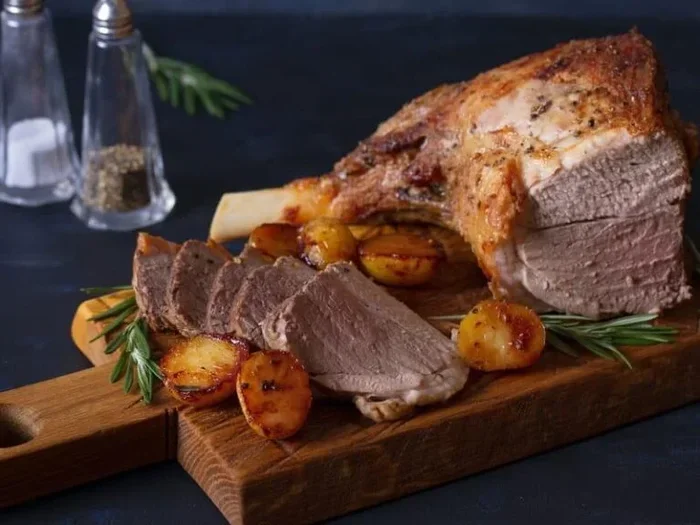
Always slice against the grain. This shortens the muscle fibers and makes the meat tender. For leg of lamb, cut thin slices at a slight angle. For rack, slice between the bones to serve individual chops. Serve with a drizzle of the resting juices for extra flavor.
Best Side Dishes for Oven-Roasted Lamb
Lamb pairs with so many sides. Roasted potatoes are a classic. Try rosemary roasted potatoes or garlic mashed potatoes. A bright Greek salad cuts through the richness. Steamed asparagus, grilled zucchini, or a simple tabbouleh all work beautifully. For a Middle Eastern twist, serve with hummus and warm pita bread. Creamy polenta or a nutty risotto also make excellent companions.
Expert Insight: Making a Pan Sauce
Don’t throw away the drippings. Deglaze the roasting pan with a splash of red wine or broth. Scrape up the browned bits. Simmer with a little Dijon mustard and cream for a quick, luxurious sauce. This adds a restaurant-quality finish to your lamb cooking at home.
Storing and Reheating Leftovers
Leftover lamb roast stays good in the fridge for up to 3 days. Store it in an airtight container. Reheat gently in a low oven or microwave. Avoid high heat, which can dry out the meat. Sliced lamb also makes fantastic sandwiches and salads the next day.
Mastering how to cook lamb meat in oven is easier than you think. Start with a good cut, bring it to room temperature, season generously, and use a reliable thermometer. The oven temperature of 325°F gives you a perfect balance of crust and tenderness. Remember to rest the meat and slice against the grain. With these tips, you’ll serve juicy, flavorful lamb that impresses every guest. Practice makes perfect, so don’t be afraid to experiment with herbs and glazes. Your kitchen will smell incredible, and your family will ask for seconds.
Frequently Asked Questions
What temperature should I cook lamb in the oven?
Roast lamb at 325°F (165°C) for even cooking and a tender result. This moderate heat allows the outside to caramelize without burning the inside. Use a meat thermometer to check for doneness, pulling the lamb at 130-135°F for medium-rare.
How long does it take to cook a leg of lamb?
A 5-pound leg of lamb takes about 1.5 to 2 hours at 325°F for medium-rare. The exact time depends on your oven and the desired internal temperature. Always rely on a thermometer rather than the clock.
Should I cover lamb with foil when roasting?
No, leave the lamb uncovered for a better crust. Covering traps steam and prevents browning. However, you can tent it loosely with foil during the resting period to keep it warm.
How do I know when lamb is done?
Use an instant-read thermometer inserted into the thickest part. For medium-rare, aim for 130-135°F. The meat will feel springy when you press it. Remember that carryover cooking will raise the temperature by about 5°F after removal.
Can I cook frozen lamb in the oven?
It’s best to thaw lamb completely before roasting for even cooking. If you must cook from frozen, add about 50% more time and use a thermometer to check doneness. Thawing overnight in the fridge is the safest method.
What are the best side dishes for oven-roasted lamb?
Roasted potatoes, garlic mashed potatoes, Greek salad, grilled vegetables, hummus, tabbouleh, and warm pita bread all pair wonderfully with lamb. Choose sides that balance the rich, savory flavor of the meat with fresh, bright elements.