How To Know If Ceramic Is Oven Safe For Your Kitchen
Knowing how to know if ceramic is oven safe can save your dishes and your dinner. Not all ceramic cookware handles high heat the same way. Check the glaze, look for oven-safe labels, and test for cracks before placing any ceramic piece in your oven.
You pull out a beautiful ceramic dish from the cabinet and wonder, “Can I put this in the oven?” It happens to all of us. That gorgeous ceramic baking dish or handmade mug looks perfect for a warm meal, but you are not sure if it can handle the heat.
How To Know If Ceramic Is Oven Safe is one of those kitchen questions that seems simple but really matters. Using the wrong ceramic in a hot oven can lead to cracked dishes, ruined food, or even dangerous shards in your meal. The good news is that a few quick checks can tell you everything you need to know.
In this guide, we walk you through every step to figure out if your ceramic cookware is oven safe. From reading labels to understanding glazes, you will learn exactly what to look for. By the end, you will feel confident putting your ceramic pieces in the oven without any worries.
Key Takeaways
- Check the bottom label: Most oven-safe ceramic pieces have a clear symbol or text on the underside.
- Glaze matters: Lead-free, food-safe glazes handle heat better than decorative or unknown coatings.
- Thermal shock is the enemy: Sudden temperature changes cause ceramic to crack or shatter.
- Handmade ceramics need extra care: Not all artisan pieces are designed for oven use.
- Temperature limits vary: Always check the manufacturer’s recommended max oven temperature.
- Inspect before every use: Even oven-safe ceramics can develop cracks over time.
- Preheat with the ceramic inside: This reduces thermal shock and keeps your dish safe.
📑 Table of Contents
- What Does Oven Safe Ceramic Mean?
- How To Check If Your Ceramic Is Oven Safe
- Types of Ceramic and Their Oven Safety
- Signs Your Ceramic Dish Is Not Oven Safe
- Best Practices for Using Ceramic in the Oven
- Common Myths About Ceramic and Oven Safety
- Quick Tips for Oven-Safe Ceramic Use
- Key Takeaways
- Conclusion
What Does Oven Safe Ceramic Mean?
When we say a ceramic piece is oven safe, it means the material can handle the heat inside an oven without cracking, breaking, or releasing harmful chemicals. Not all ceramics are created equal, and this is an important distinction to understand.
Oven-safe ceramics are designed to withstand high temperatures. They are made from specific materials and fired at high temperatures in a kiln. This process makes them strong and heat resistant. Regular decorative ceramics, on the other hand, may look pretty but cannot handle the same heat levels.
Why Does It Matter?
Putting a non-oven-safe ceramic in a hot oven can cause it to crack or even explode. This creates a mess and a safety hazard. Hot ceramic pieces can also release lead or other chemicals if the glaze is not food safe. That is why knowing the difference is so important for your kitchen safety.
Also, using the right ceramic cookware helps your food cook evenly. Oven-safe pieces distribute heat properly. They hold up well over time. You get better cooking results and a longer life for your favorite dishes.
How To Check If Your Ceramic Is Oven Safe
The first step in figuring out how to know if ceramic is oven safe is to check the piece itself. There are several easy ways to do this at home without any special tools.
Look for Labels and Symbols
Most ceramic cookware and bakeware comes with markings on the bottom. Turn the piece over and look closely. You might see words like “oven safe,” “ovenproof,” or “heat resistant.” Some pieces have a small oven icon with a temperature number. These symbols are your best friend when checking oven safety.
If you see “microwave safe” but no oven symbol, that does not automatically mean it is oven safe. Microwave safe means it can handle microwave radiation, not necessarily dry oven heat. Always look for the specific oven-safe marking.
Check the Manufacturer’s Website
If the bottom of your ceramic piece has a brand name or model number, look it up online. Most manufacturers list the heat tolerance for each product. You can find this information on their website or by contacting customer service. This is especially helpful for handmade or artisan ceramics where the markings are less clear.
Look at the Glaze
The glaze on a ceramic piece tells you a lot about its oven safety. A smooth, even glaze that is labeled food safe and heat resistant is usually a good sign. Avoid ceramics with metallic paints or decorative elements that are not specifically marked as oven safe. These can melt or release harmful fumes when heated.
Test for Thermal Shock Resistance
Thermal shock happens when a ceramic piece goes from a cold surface to a hot oven quickly. To test this, place the ceramic in a cold oven and then set the temperature to 350°F. Let it heat up slowly with the oven. If it survives without cracking, it is likely oven safe. Never put a cold ceramic dish directly into a hot oven.
Types of Ceramic and Their Oven Safety
Not all ceramics behave the same way in an oven. The type of ceramic matters a lot when deciding if it can handle the heat. Let us break down the most common types you will find in your kitchen.
Stoneware Ceramic
Stoneware is one of the most oven-safe ceramic types. It is fired at very high temperatures, usually above 2,000°F. This makes it dense, strong, and able to handle oven heat well. Most stoneware baking dishes, plates, and pots are oven safe up to 450°F or higher.
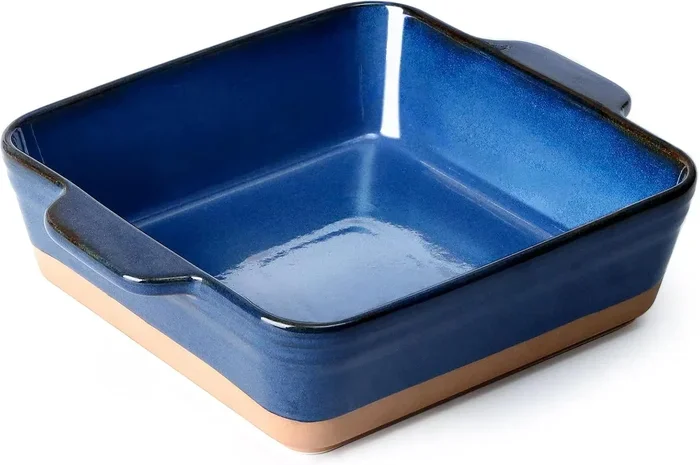
Stoneware ceramic cookware is great for baking bread, casseroles, and roasted dishes. It retains heat beautifully and distributes it evenly. Just make sure your stoneware piece does not have any metallic decorations that are not oven safe.
Porcelain Ceramic
Porcelain is another excellent choice for oven use. It is fired at even higher temperatures than stoneware, making it very durable. Porcelain bakeware and porcelain mugs are often oven safe, but always check the manufacturer’s guidelines.
One thing to watch out for is thin porcelain. Delicate porcelain pieces may not handle sudden temperature changes well. If you are using porcelain in the oven, let it warm up gradually. Avoid placing it on a cold surface right after taking it out of the oven.
Earthenware Ceramic
Earthenware is a more porous type of ceramic. It is fired at lower temperatures than stoneware or porcelain. This means it is more prone to cracking in the oven. Most earthenware pieces are not oven safe unless specifically labeled as such.
If you have a beautiful earthenware piece, use it for serving or storing food at room temperature. Do not put it in the oven unless the manufacturer confirms it is heat safe. The porous nature of earthenware makes it absorb moisture, which can cause it to crack under heat.
Handmade and Artisan Ceramics
Handmade ceramics are lovely, but they come with a big question mark when it comes to oven safety. Each artisan piece is unique, and the glaze and firing process can vary widely. Some handmade ceramics are kiln fired at high temperatures and are fully oven safe.
Others are made for decorative purposes only. If you are unsure about a handmade piece, ask the maker directly. They will know exactly how their ceramics were made and what heat levels they can handle. When in doubt, do not risk it in the oven.
Ceramic Mugs and Cups
Most ceramic mugs are designed for hot beverages, not oven use. However, some mugs are oven safe and can be used for baking individual desserts. Check the bottom of the mug for any oven-safe markings. If there are none, it is best to keep your mugs for drinking only.
Signs Your Ceramic Dish Is Not Oven Safe
Even without a label, your ceramic piece might be telling you it is not oven safe. Learning to read these signs can save you from a broken dish and a ruined meal.
Cracks and Chips
Any visible crack or chip is a red flag. Even small cracks can spread when the ceramic heats up. The crack can grow during cooking and cause the dish to break apart in the oven. This is dangerous and can ruin your food completely.
If you notice a hairline crack, do not put the piece in the oven. What looks like a tiny flaw can become a big problem under heat. Always inspect your ceramic dishes before every use.
Metallic or Metallic-Looking Decorations
Ceramics with metallic paint, gold trim, or silver decorations are usually not oven safe. These metallic elements can melt or release harmful fumes when heated. They can also cause sparks in the oven. Even if the base ceramic is safe, the decorations make it unsafe.
This is especially important for ceramics that look fancy or decorative. Beautiful does not always mean oven safe. When in doubt, keep decorative pieces out of the oven and use them only for serving.
Rough or Porous Surfaces
Hold your ceramic piece up to the light. If you can see light through it or feel that the surface is rough and porous, it may not be oven safe. Porous ceramics absorb moisture, and when that moisture turns to steam in the oven, it can cause the piece to crack or even explode.
Smooth, well-glazed ceramics are generally safer for oven use. The glaze creates a barrier that prevents moisture absorption and helps the piece handle heat better.
Uneven or Thick Bottoms
Ceramics with very thick or uneven bottoms can heat unevenly. This creates stress points that lead to cracking. If your ceramic dish has a super thick base or irregular shape, be cautious about using it in the oven.
Thin ceramics also pose a risk. They heat up too fast and can crack from thermal shock. The ideal oven-safe ceramic has an even, moderate thickness that allows heat to distribute evenly.
Best Practices for Using Ceramic in the Oven
Once you have confirmed your ceramic is oven safe, follow these best practices to keep it in great shape and ensure safe cooking every time.
Preheat Gradually
Never place cold ceramic into a preheated oven. The sudden temperature change causes thermal shock, which leads to cracks. Instead, put the ceramic in the oven while it is still cold, then let the oven and ceramic heat up together.
This gradual temperature change allows the ceramic to expand evenly. It reduces stress on the material. Your ceramic dish will thank you for this simple step.
Avoid Extreme Temperature Swings
Do not take a hot ceramic dish and place it on a cold or wet surface. The temperature difference can cause the ceramic to crack. Always use a trivet, wooden board, or towel when moving ceramic dishes in and out of the oven.
This rule applies to all ceramic cookware. Even oven-safe ceramics can crack if they experience sudden temperature swings. Treat your ceramic with care, and it will last for years.
Stay Within Temperature Limits
Every oven-safe ceramic piece has a maximum temperature limit. Do not exceed it. Most oven-safe ceramics handle up to 450°F, but some can go higher. Check the manufacturer’s guidelines and stay within the recommended range.
Using ceramic beyond its temperature limit weakens the material over time. It may not crack immediately, but repeated overheating can cause damage that shows up later. Play it safe and stay within the recommended range.
Use Oven Mitts
This might seem obvious, but it is worth saying. Ceramic retains heat very well. Even after taking it out of the oven, the dish stays hot for a long time. Always use oven mitts or thick towels when handling ceramic cookware.
Place hot ceramic on a heat-safe surface. Do not set it directly on a countertop, table, or stovetop. Use a trivet or wooden board to protect both your ceramic and your surfaces.
Hand Wash When Possible
While many oven-safe ceramics are dishwasher safe, hand washing extends their life. Harsh dishwasher detergents and high water pressure can damage glazes over time. Hand washing with mild soap and warm water keeps your ceramic looking and performing its best.
Avoid soaking ceramic dishes for long periods. Extended water exposure can weaken the material and damage the glaze. Wash, dry, and store your ceramic pieces properly to keep them in top condition.
Common Myths About Ceramic and Oven Safety
There are many misconceptions about using ceramic in the oven. Let us clear up some of the most common myths so you can cook with confidence.
Myth: All Ceramics Are Oven Safe
This is one of the biggest myths out there. Not all ceramics can go in the oven. Decorative ceramics, certain handmade pieces, and ceramics with non-oven-safe glazes can crack or break when exposed to heat. Always check before you use ceramic in the oven.
Myth: If It Is Microwave Safe, It Is Oven Safe
Microwave safe and oven safe are not the same thing. Microwave safe means the ceramic can handle microwave radiation without cracking. Oven safe means it can handle dry heat at high temperatures. A piece can be one but not the other. Always check for the specific oven-safe marking.
Myth: Ceramic Never Breaks in the Oven
Even oven-safe ceramics can break if you misuse them. Thermal shock, extreme temperature swings, and exceeding temperature limits can all cause ceramic to crack or shatter. Oven safe does not mean indestructible. Treat your ceramic cookware with care and respect.
Myth: The Color of the Ceramic Determines Oven Safety
Some people believe darker ceramics are safer in the oven because they absorb heat differently. The color of the ceramic has nothing to do with its oven safety. What matters is the material, the glaze, the firing temperature, and the construction. Do not judge oven safety by color alone.
Myth: Older Ceramics Are Not Oven Safe
Age does not automatically make ceramic unsafe. Many older ceramic pieces are perfectly fine for oven use if they are in good condition. However, older ceramics may have unknown glazes or damage that you cannot see. Inspect them carefully and when in doubt, do not use them in the oven.
Quick Tips for Oven-Safe Ceramic Use
- Always check the bottom of the piece for oven-safe symbols or text before using it.
- Preheat the oven with the ceramic inside to avoid thermal shock.
- Use a damp towel under the ceramic when placing it on a counter to protect the surface.
- Never stack hot ceramic dishes while they are still warm. Let them cool completely first.
- Keep a baking sheet underneath ceramic bakeware for easy cleanup and to catch any drips.
- Replace ceramic dishes that have deep scratches or worn glaze, as these can harbor bacteria.
- When buying new ceramic cookware, ask the seller about oven safety before purchasing.
Key Takeaways
- Always check for oven-safe markings: The bottom of your ceramic piece holds the most important information about its heat tolerance.
- Glaze quality is critical: Food-safe, heat-resistant glazes are essential for oven use. Avoid metallic or unknown decorative coatings.
- Thermal shock is the biggest risk: Gradual heating and cooling prevents cracks and extends the life of your ceramic.
- Stoneware and porcelain are the safest bets: These ceramic types are naturally more heat resistant than earthenware or decorative pieces.
- Inspect every time: Even oven-safe ceramics can develop cracks or chips over time. Regular inspection keeps you safe.
- Follow temperature guidelines: Every ceramic piece has a limit. Stay within the recommended range for best results and safety.
- When in doubt, do not risk it: If you are unsure whether a ceramic piece is oven safe, use a different dish. It is not worth the risk.
Conclusion
How To Know If Ceramic Is Oven Safe comes down to a few simple checks. Look at the label, inspect the glaze, and understand the type of ceramic you are working with. These small steps make a big difference in your kitchen safety and cooking results.
Your ceramic cookware is an investment. Taking care of it and using it correctly means your favorite dishes will last for years. You will cook with confidence knowing that every piece in your oven is up to the task.
Remember the golden rules: check before you use, heat gradually, and stay within temperature limits. Follow these tips and you will enjoy safe, delicious meals from your ceramic dishes every single time. Now go ahead and put that beautiful ceramic baking dish to good use.
Frequently Asked Questions
Can I put a ceramic mug in the oven?
Most ceramic mugs are not designed for oven use. Only mugs that are specifically labeled as oven safe should go in the oven. Check the bottom of the mug for any heat-resistant markings before attempting to bake with it.
What temperature can ceramic handle in the oven?
Most oven-safe ceramics handle temperatures up to 450°F. Some high-quality stoneware and porcelain can go even higher. Always check the manufacturer’s guidelines for the specific temperature limit of your ceramic piece.
Is handmade ceramic oven safe?
It depends on how the ceramic was made and what glaze was used. Some handmade ceramics are kiln fired at high temperatures and are fully oven safe. Others are made for decorative purposes only. Ask the maker or check for any oven-safe markings.
Can ceramic crack in the oven?
Yes, ceramic can crack in the oven due to thermal shock. This happens when the ceramic experiences a sudden temperature change. To prevent cracking, always heat ceramic gradually and avoid placing cold ceramic in a hot oven.
How do I know if the ceramic glaze is oven safe?
Look for labels that say the glaze is food safe and heat resistant. Avoid ceramics with metallic paints or unknown decorative glazes. Smooth, even, well-applied glazes are generally a good sign that the piece can handle oven heat.
Can I bake in a ceramic casserole dish?
Yes, most ceramic casserole dishes are oven safe and excellent for baking. They distribute heat evenly and retain warmth well. Just make sure your casserole dish is labeled oven safe and does not have any non-oven-safe decorations.