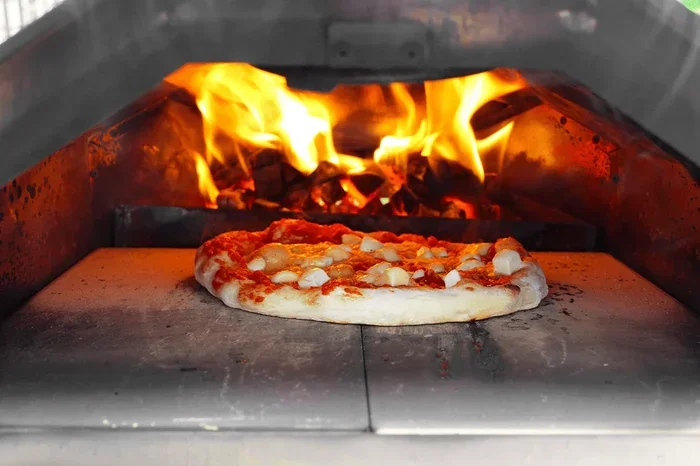
Can I Keep Pizza Warm In The Oven Everything You Need
Yes, you can keep pizza warm in the oven and it is one of the best methods to maintain that crispy crust and melty cheese. Whether you are dealing with leftover pizza or just want to hold a fresh delivery for the family, your oven gives you full control over warmth and texture. This guide covers safe temperatures, timing, container choices, and common mistakes so your pizza always tastes great. You will learn practical tips that save time, reduce waste, and keep every slice delicious.
There is nothing quite like a warm slice of pizza. Whether it is from a Friday night delivery or last night’s leftovers, that first bite should bring back the fresh-from-the-oven feeling. But what happens when pizza sits out for a while and starts to cool? You might wonder if tossing it back in the oven is safe and effective.
The good news is that keeping pizza warm in the oven is simple, safe, and one of the best ways to enjoy every slice. Unlike microwaving, which often turns the crust soggy, an oven warms pizza evenly and helps maintain that satisfying crunch. In this guide, we will walk you through everything you need to know about warming pizza in the oven, from the right temperature settings to the best containers to use.
We will also cover common mistakes, expert tips, and practical advice that works whether you are reheating a single slice or feeding a whole family. By the end, you will feel confident using your oven to keep pizza at the perfect serving temperature every single time.
Key Takeaways
- Use a low temperature: Setting your oven between 170°F and 200°F keeps pizza warm without drying it out or burning the crust.
- Wrap it properly: Aluminum foil or an oven-safe container locks in moisture and preserves the crispy texture of the pizza crust.
- Avoid the pizza box: Cardboard can release chemicals or even catch fire at high temperatures, so always transfer pizza to a safe dish first.
- Timing matters: Pizza stays best for 2 to 3 hours in the oven. Going longer risks tough cheese and stale bread.
- A pizza stone helps: Using a pizza stone or baking sheet distributes heat evenly and keeps the bottom of the pizza crispy.
- Know when to stop: Signs like rubbery cheese, hard crust, or burnt edges mean your pizza has been in too long.
📑 Table of Contents
- Can I Keep Pizza Warm In The Oven
- What Temperature Should You Use to Keep Pizza Warm
- Best Containers and Tools for Warming Pizza
- How Long Can You Keep Pizza Warm in the Oven
- Step-by-Step Guide to Keeping Pizza Warm
- Common Mistakes to Avoid When Warming Pizza
- Expert Tips for the Perfect Warm Pizza
- Can You Keep Pizza Warm in the Oven Overnight?
- Safety Tips for Warming Pizza in the Oven
- Conclusion
Can I Keep Pizza Warm In The Oven
The short answer is yes. Your oven is one of the finest tools for keeping pizza warm without ruining its texture. When done correctly, warming pizza in the oven preserves the crispy bottom, the stretchy cheese, and the flavorful toppings. This method works far better than a microwave, which heats unevenly and often makes the crust chewy and limp.
Many people ask, “Is it safe to put pizza in the oven?” The answer is absolutely, as long as you follow a few simple rules. Using the right temperature, the right container, and the right timing makes all the difference. You do not need to be a professional chef to get great results. Even if you are new to cooking, these steps are easy to follow and hard to mess up.
Why the Oven Works Better Than Other Methods
When you compare warming methods, the oven stands out. A microwave uses steam and radiation to heat food quickly, but it also makes the pizza crust soft and soggy. The oven heating method uses dry, circulating heat that warms the pizza gently from all sides. This keeps the cheese melted, the toppings warm, and the crust firm.
Another option is the stovetop. You can reheat pizza in a skillet on the burner, which does a decent job crisping the bottom. However, it only heats one side at a time and requires more attention. The oven handles the entire pizza at once, making it ideal for multiple slices or a full pie.
Some people also use a toaster oven for smaller portions. This works well too, since a toaster oven uses the same dry-heat principle as a full-size oven. The key difference is size. A toaster oven is perfect for one or two slices, while a standard oven handles larger quantities with ease.
The Science Behind Keeping Pizza Warm
Understanding a little bit of science helps you get better results. Pizza cheese melts at around 150°F to 160°F. The ideal pizza oven temperature for warming is between 170°F and 200°F. This range is hot enough to keep the cheese in its smooth, melted state but gentle enough to avoid burning the toppings or drying out the crust.
Moisture is the enemy of a crispy crust. When pizza sits uncovered at room temperature, the moisture from the toppings seeps into the bread. Reheating it in a warm oven with a loose cover of foil helps trap just enough steam to keep the cheese soft while letting the crust stay firm. This balance is the secret to great reheated pizza.
What Temperature Should You Use to Keep Pizza Warm
Getting the temperature right is the most important step in keeping pizza warm in the oven. Too hot and you risk burning the edges or drying out the toppings. Too cool and the pizza will never reach a pleasant serving temperature. The sweet spot lies between 170°F and 200°F.
Low and Slow Is the Best Approach
The low heat pizza method works wonders. By setting your oven to around 170°F, you create a gentle warming environment. The pizza heats evenly from top to bottom without any hot spots. This approach is perfect for leftover pizza that has been stored in the fridge and needs a slow, careful warm-up.
If you are in a hurry and need the pizza warm faster, you can go up to 200°F. Just keep a close eye on it. Higher temperatures work well for short bursts but can cause problems if left unattended. The key is to check the pizza every 10 to 15 minutes and adjust as needed.
Temperature Guide for Different Pizza Types
Not all pizza is the same. A thick, deep-dish pizza needs a different approach than a thin-crust Neapolitan style. Here is a quick guide:
- Thin crust pizza: 170°F to 180°F for 10 to 15 minutes. The low heat keeps the delicate crust from becoming brittle.
- Thick crust pizza: 180°F to 200°F for 10 to 15 minutes. The thicker bread needs slightly more heat to warm through.
- Deep dish pizza: 170°F to 190°F for 15 to 20 minutes. The dense layers of cheese and sauce need extra time to heat evenly.
- Frozen pizza (cooking from frozen): Follow the package instructions, which usually call for 400°F to 425°F. This is different from warming and should not be confused with keeping pizza warm.
Best Containers and Tools for Warming Pizza
Choosing the right container makes a big difference in how your pizza turns out. Using the wrong dish or wrapping can lead to soggy crust, uneven heating, or even safety hazards. Let us look at the best options for warming pizza in the oven.
Oven-Safe Dishes and Pans
The simplest option is a standard oven-safe baking sheet or metal pan. Place your pizza slices directly on the pan and put them in the warm oven. Metal conducts heat well and helps crisp up the bottom of the crust. This is one of the easiest and most effective methods for reheating pizza in the oven.
A glass baking dish also works well. Glass heats slowly and evenly, which is great for thicker pizzas. Just make sure the dish is labeled as oven-safe. Never place a cold glass dish into a hot oven, as the sudden temperature change can cause it to shatter.
Aluminum Foil Wrapping
Wrapping pizza in aluminum foil is a popular and effective technique. The foil creates a loose seal that traps moisture while still allowing heat to circulate. This keeps the cheese soft and the crust from drying out. Wrap each slice individually or wrap the whole pizza, depending on how many people you are serving.
For extra crispiness on the bottom, you can wrap the top in foil but leave the bottom exposed. This lets the direct oven heat crisp the crust while the foil keeps the top warm and moist.
Pizza Stones and Baking Stones
If you want restaurant-quality results at home, a pizza stone is your best friend. These stones absorb moisture from the crust and distribute heat evenly across the entire surface. Place the pizza stone on the middle rack of your oven and let it warm up for 10 to 15 minutes before adding the pizza.
A pizza stone works especially well for reheating because it mimics the brick oven environment that gives pizzeria pizza its signature crunch. You can also use a baking steel, which functions similarly but retains heat even more effectively.
Pizza Boxes: Should You Use Them?
This is a common question, and the answer is no. Pizza boxes are made of cardboard, and cardboard can release harmful chemicals when exposed to high heat. Even at low warming temperatures, the box can scorch, smoke, or in extreme cases, catch fire. Always transfer your pizza to an oven-safe container before placing it inside the oven.
The only exception is using the box to transport the pizza into the oven, then removing it before the warming cycle begins. Never leave the box inside the oven while it is on.
How Long Can You Keep Pizza Warm in the Oven
Timing is just as important as temperature. Leaving pizza in the oven for too long can ruin the texture and flavor. On the other hand, pulling it out too early might leave it still cool in the center.
Ideal Warming Times for Different Situations
For most pizza types, 10 to 15 minutes at 170°F to 200°F is the perfect window. This is enough time to bring refrigerated pizza up to a warm, enjoyable serving temperature. If the pizza is already at room temperature, it may only need 5 to 10 minutes.
If you are using the oven to hold pizza for a party or gathering, you can keep it warm for up to 2 to 3 hours at the low end of the temperature range (around 170°F). Beyond three hours, the cheese may start to break down, the crust can become hard, and the toppings may lose their fresh flavor.
Signs Your Pizza Has Been in the Oven Too Long
Knowing when to pull your pizza out is just as important as knowing when to put it in. Watch for these warning signs:
- The cheese has turned brown or bubbled excessively on the edges.
- The crust feels hard and crunchy all the way through, not just on the bottom.
- The toppings look dried out or shriveled.
- There is a strong “overheated” smell coming from the oven.
- The cheese has separated from the sauce and looks oily.
If you notice any of these signs, remove the pizza immediately. While it may still be safe to eat, the quality and taste will be significantly reduced.
Step-by-Step Guide to Keeping Pizza Warm
Now that you understand the why and the how, here is a simple step-by-step process you can follow every time. This method works for both freshly delivered pizza and refrigerated leftovers.
Step 1: Preheat the Oven
Set your oven to 170°F or 200°F. Allow it to fully preheat before placing the pizza inside. Most ovens take about 5 to 10 minutes to reach the target temperature. Preheating ensures even warming from the moment the pizza goes in.
Step 2: Prepare the Pizza
If the pizza is cold from the fridge, take it out about 5 minutes before warming. This lets it lose the chill without reaching room temperature. Place the slices on an oven-safe pan, baking sheet, or directly on a pizza stone. If you prefer softer cheese, wrap the top loosely with aluminum foil.
Step 3: Place in the Oven
Put the pan or stone on the middle rack of the oven. The middle rack provides the most even heat distribution. Avoid placing pizza on the top rack, where the upper heating element can cause the cheese to burn quickly.
Step 4: Monitor and Check
Set a timer for 5 to 10 minutes. Check the pizza by gently pressing the cheese with a fork or looking at the edges. The pizza is ready when the cheese is fully melted and the crust is warm to the touch. For cold leftover pizza, you may need the full 15 minutes.
Step 5: Remove and Serve
Use oven mitts to remove the pan or stone from the oven. Let the pizza cool for 1 to 2 minutes before serving. This brief rest allows the cheese to set slightly, making it easier to slice and eat without burning your mouth.
Common Mistakes to Avoid When Warming Pizza
Even with the best intentions, people make mistakes that ruin perfectly good pizza. Here are the most common errors and how to avoid them.
Using the Wrong Temperature
One of the biggest mistakes is setting the oven too high. A temperature above 250°F will burn the cheese and overcook the crust before the center of the pizza has a chance to warm up. Always stick to the 170°F to 200°F range for warming purposes.
Leaving the Pizza Box Inside
As mentioned earlier, cardboard and ovens do not mix. Even at low temperatures, the box can release fumes, scorch, or in rare cases, ignite. Always transfer pizza to a metal pan, glass dish, or oven-safe plate before warming.
Skipping the Cover
Warming pizza uncovered for too long dries it out quickly. The moisture escapes from the cheese and toppings, leaving the crust hard and the cheese rubbery. A loose foil cover or an oven-safe lid helps retain moisture and keeps the pizza tasting fresh.
Overcrowding the Pan
When warming multiple slices, give them space. Overcrowding traps steam between slices, which makes the crust soggy. Arrange slices in a single layer with a small gap between each one for the best results.
Forgetting to Check the Pizza
Ovens vary in how they distribute heat. Some have hot spots, and some run hotter than the displayed temperature. Always check your pizza periodically so you can pull it out at the perfect moment.
Expert Tips for the Perfect Warm Pizza
Professional pizza makers and home cooking experts share a few tricks that take your warmed pizza to the next level. These tips are simple but make a noticeable difference in taste and texture.
First, add a small cup of water to the oven while warming the pizza. This adds moisture to the oven environment and prevents the cheese from drying out too much. Place the cup on a lower rack, away from the pizza, to avoid splashing.
Second, if you have a pizza stone, use it every time. Pizza stones are inexpensive and last for years. They transform the texture of reheated pizza by absorbing excess moisture from the bottom crust while providing even, gentle heat from below.
Third, consider brushing a tiny bit of olive oil on the crust before warming. This adds a subtle richness and helps the crust stay flexible rather than turning hard. Use a pastry brush to apply a very thin layer to the edges of the crust.
Fourth, for the best flavor, add fresh toppings after warming. A handful of fresh basil, a drizzle of olive oil, or some red pepper flakes added after the pizza comes out of the oven can make the slice taste almost as good as a freshly made one.
Finally, if you are warming pizza for a group, use a baking sheet with a rim to catch any drips. This keeps your oven clean and makes it easy to slide the pan in and out without spilling.
Can You Keep Pizza Warm in the Oven Overnight?
Some people wonder if they can leave pizza in the oven overnight to keep it warm for the next day. The answer is no. Leaving any food in the oven for more than a few hours at warming temperatures enters the “danger zone” for food safety. Bacteria can grow rapidly between 40°F and 140°F, and even a warm oven may not stay hot enough to prevent this.
If you want to save pizza for the next day, the best approach is to let it cool to room temperature within two hours of cooking or delivery, then store it in the fridge in an airtight container. When you are ready to eat, follow the warming steps in this guide. Reheating refrigerated pizza in the oven actually improves the texture of the crust, making it crispier than it was the first day.
Safety Tips for Warming Pizza in the Oven
Safety should always come first when using the oven. Here are a few important reminders:
- Always use oven mitts when handling hot pans and stones.
- Never place cardboard, paper, or plastic inside a heated oven.
- Keep the oven door slightly ajar if you are warming pizza for more than 20 minutes to prevent overheating.
- Make sure your oven is clean before use. Grease buildup can smoke or even cause a fire at high temperatures.
- Do not leave the oven unattended for long periods, especially if you are new to using it for warming purposes.
Conclusion
Keeping pizza warm in the oven is one of the easiest and most effective ways to enjoy great-tasting pizza at any time. Whether you are reheating last night’s leftovers or holding a fresh delivery for family and friends, the oven delivers consistent, reliable results. The key is to use low heat, the right container, and proper timing. Avoid common mistakes like using the pizza box, setting the temperature too high, or leaving the pizza in too long.
With the tips and techniques in this guide, you now have everything you need to warm pizza like a pro. The oven warming method preserves the crispy crust, the melted cheese, and the flavor of the toppings in a way that no microwave ever could. So the next time you find yourself with a box of pizza and a warm oven, you will know exactly what to do.
Remember to keep the temperature between 170°F and 200°F, use oven-safe containers or aluminum foil, and check your pizza every 10 to 15 minutes. A little attention goes a long way toward pizza perfection. Share these tips with friends and family, and enjoy warm, delicious pizza whenever the craving strikes.
Frequently Asked Questions
What is the best temperature to keep pizza warm in the oven?
The ideal temperature range is between 170°F and 200°F. This low heat keeps the cheese melted and the crust warm without drying it out or burning the toppings. Setting your oven to 170°F is the safest and most reliable option for most pizza types.
Can I put a pizza box in the oven to keep pizza warm?
No, you should never put a pizza box inside the oven. Cardboard can release harmful chemicals, scorch, or even catch fire at oven temperatures. Always transfer your pizza to an oven-safe pan, baking sheet, or glass dish before warming it.
How long can you keep pizza warm in the oven?
Pizza stays best when warmed for 10 to 15 minutes at 170°F to 200°F. If you need to hold pizza for a longer period, you can keep it at 170°F for up to 2 to 3 hours. Going beyond three hours may cause the cheese to break down and the crust to become hard.
Is it better to use foil or a lid when warming pizza in the oven?
Both work well. Aluminum foil creates a loose seal that traps moisture while allowing heat to circulate. A pizza stone or baking sheet without any cover produces a crispier crust. For the best of both worlds, wrap the top in foil but leave the bottom exposed to direct heat.
Can I reheat pizza in the oven from frozen?
Yes, but the process is different from warming. To reheat frozen pizza, preheat your oven to 375°F to 400°F and bake for 12 to 18 minutes. For simply keeping already-cooked pizza warm, stick to the 170°F to 200°F range described in this guide.
Will warming pizza in the oven make the crust crispy?
Yes, when done correctly, the oven method actually makes the crust crispier than a microwave does. The dry heat of the oven removes excess moisture from the bottom of the crust while keeping the top warm and the cheese melted. Using a pizza stone enhances this effect even more.
=== KEY TAKEAWAYS ===
Key Takeaways
- Use a low temperature: Setting your oven between 170°F and 200°F keeps pizza warm without drying it out or burning the crust.
- Wrap it properly: Aluminum foil or an oven-safe container locks in moisture and preserves the crispy texture of the pizza crust.
- Avoid the pizza box: Cardboard can release chemicals or even catch fire at high temperatures, so always transfer pizza to a safe dish first.
- Timing matters: Pizza stays best for 2 to 3 hours in the oven. Going longer risks tough cheese and stale bread.
- A pizza stone helps: Using a pizza stone or baking sheet distributes heat evenly and keeps the bottom of the pizza crispy.
- Know when to stop: Signs like rubbery cheese, hard crust, or burnt edges mean your pizza has been in too long.