How Long To Cook Two Whole Chickens In The Oven Perfectly
How Long To Cook Two Whole Chickens In The Oven depends on a few key factors like weight and oven temperature. Typically, you will need about 1 hour and 30 minutes to 2 hours at 425°F to achieve perfectly crispy skin and juicy meat. This guide breaks down the exact timing, temperatures, and tips you need for a flawless roast every time.
Cooking dinner for a big group can feel stressful. You want everyone to be happy. You also want the food to be safe and delicious. When you are planning a big meal, roasting two whole chickens is a fantastic idea. It looks impressive. It feeds many people. But the biggest question is always about the timing. How Long To Cook Two Whole Chickens In The Oven perfectly? You cannot just guess. You need a solid plan. This guide will give you that plan. We will walk you through every single step. You will learn about oven temperature. You will learn about cooking time. You will also learn how to get crispy skin. By the end, you will feel totally confident. You will know exactly what to do. Your family and friends will be amazed. So, let us dive right into the world of roasting poultry. There is nothing quite like the smell of a roasting chicken filling your home. It creates a warm and welcoming atmosphere. Everyone will gather around the table. They will anticipate the delicious meal. You are about to become the hero of the dinner party.
Many home cooks worry about roasting large cuts of meat. They think it is too hard. They think it takes too long. But roasting two whole chickens is actually quite simple. The process is very similar to cooking one chicken. You just need to adjust a few things. The main difference is the size of the roasting pan. You also need to think about oven space. Two big birds take up room. This affects how the hot air moves around them. Getting the oven temperature right is super important. You want the cooking time to be just right. Too short, and the meat is unsafe. Too long, and the chicken dries out. Nobody wants dry chicken. We are here to make sure that does not happen to you. Let us explore the wonderful world of whole roasted chicken dinners together. Whether you are feeding a holiday crowd or just meal prepping for the week, knowing the exact timing makes all the difference. A perfectly roasted chicken is a thing of beauty. It is juicy, tender, and full of flavor.
Key Takeaways
- Plan for Two Hours: Most whole roasted chicken recipes require around 1.5 to 2 hours for two birds at 425°F.
- Use a Meat Thermometer: The internal temperature must reach 165°F in the thickest part of the chicken breast and thigh.
- Dry Skin Equals Crispy Skin: Pat your poultry dry before seasoning to ensure beautiful browning.
- Give It Rest Time: Let the chickens rest for 15 to 20 minutes before carving to lock in the juices.
- Avoid Overcrowding: Use a large roasting pan to allow hot air to circulate evenly around both birds.
📑 Table of Contents
- Why Cooking Two Whole Chickens Is a Great Idea
- How Long To Cook Two Whole Chickens In The Oven: Understanding the Timing
- Setting the Right Oven Temperature
- Step-by-Step Guide to Roasting Two Chickens
- Checking for Doneness and Safety
- Resting and Serving Your Roast
- Common Mistakes to Avoid
- Quick Tips for Success
- Conclusion
Why Cooking Two Whole Chickens Is a Great Idea
Roasting two chickens at once is a brilliant strategy for feeding a crowd. Instead of making multiple smaller dishes, you get one stunning centerpiece. The beauty of poultry is that it is naturally juicy. When you cook it properly, the meat falls right off the bone. A big roast also makes the kitchen smell incredible. The aroma of roasting chicken fills the entire house. It makes everyone feel warm and welcome. Furthermore, cooking two birds at the same time is actually efficient. You use the same oven space. You use the same seasonings. You save time overall. Just make sure you have a large enough roasting pan. You want the birds to fit comfortably without touching each other too much. Giving them space allows for even browning and even cooking. You can place them side by side or one on top of the other if your pan is deep enough. However, side by side is usually better for air circulation. Another benefit is the leftovers. Roasted chicken is incredibly versatile. You can use it in sandwiches, salads, and soups. Having a big batch of this delicious protein on hand is always a win. Your family will thank you for the quick and easy meals it provides for days to come.
How Long To Cook Two Whole Chickens In The Oven: Understanding the Timing
When you put two whole chickens in the oven, the clock starts ticking. But how fast does it tick? The answer depends on a few things. First, you need to look at the weight of each bird. A standard supermarket chicken weighs about four to five pounds. If you buy two of those, you have an eight to ten pound total load. This is a big roast. The general rule of thumb is about twenty minutes per pound. But this is just a starting point. Many factors can change the total time. Let us break down the specifics so you know exactly what to expect. Fresh chickens will cook slightly differently than frozen ones. If you are using a frozen bird, you must thaw it completely first. Cooking a frozen chicken will drastically increase the cooking time and lead to uneven results. Always plan ahead and thaw your poultry safely in the refrigerator.
How Weight Affects the Duration
The weight of your poultry is the biggest factor. A smaller bird will cook faster than a larger one. If you buy two small fryers, they might take less time. If you buy two large roasters, you need to be patient. The heat has to travel from the outside to the inside. It has to reach the bone. It has to cook the chicken breast and the thigh completely. When you are dealing with a heavy bird, the center takes longer to warm up. This is why a meat thermometer is your best friend. You cannot just rely on the clock. You have to check the actual temperature inside the bird. The drumstick and thigh are the last parts to cook through because they have more bone and dense muscle. The wings and breast cook faster. This is why checking the internal temperature is so important. You want to make sure every part is safe and delicious.
Standard Time Estimates
So, what is the actual number you are looking for? For two average whole chickens, you should plan for about one hour and forty-five minutes to two hours. This assumes you are cooking at 425 degrees Fahrenheit. If you lower the heat to 375 degrees, the time goes up. You might need two and a half hours. If you raise the heat to 450 degrees, the time goes down. But be careful. Very high heat can burn the outside before the inside is done. Always aim for an internal temperature of 165 degrees Fahrenheit. This is the safe zone for poultry. Use a quick-read meat thermometer to check the thickest part of the thigh. Make sure you do not touch the bone. The bone conducts heat differently. The wing tips might cook faster, so you can wrap them in foil if they start to brown too quickly. This protects the delicate wing meat from burning while the rest of the bird catches up.
Setting the Right Oven Temperature
Choosing the right oven temperature is crucial for a perfect roast. You have options. You can go high and fast. Or you can go low and slow. Both methods have their fans. Let us look at what works best for two big birds in your oven. Most standard home ovens work great at 425 degrees. If you have a convection oven, you might want to lower the temperature by 25 degrees. Convection fans circulate the hot air. This cooks the food faster and more evenly. So, keep an eye on your birds if you use the convection setting. Regular ovens do not have this fan. They rely on radiant heat from the elements. This can create hot spots. Turning the pan halfway through the cooking time helps solve this problem. It ensures that both sides of the chicken get equal exposure to the heat.
High Heat vs. Low and Slow
High heat, around 425 to 450 degrees, is great for crispy skin. The hot air blasts the outside of the poultry. This creates a beautiful golden brown color. It also helps render the fat under the skin. This fat keeps the meat moist. On the other hand, low and slow cooking at 325 or 350 degrees takes more time. The meat stays very juicy. But the skin might not get as crispy. For most home cooks, 425 degrees is the sweet spot. It gives you a good balance. You get crispy skin. You also get cooked through meat. The cooking time is reasonable too. It is not too short and not too long. High heat is excellent for crispy skin because it quickly evaporates surface moisture. Low and slow is better if you are cooking a lot of other dishes at once. You can set the oven lower and let the chickens cook while you prepare the sides.
Preheating Your Oven
Never put your birds in a cold oven. Always preheat your oven first. Give it at least twenty minutes to reach the target temperature. When you put cold food in a cold oven, the cooking time gets longer. The heat has to work extra hard just to warm up the oven. Then it has to cook the food. This leads to uneven results. The outside might dry out while the inside stays raw. So, turn on your oven early. Let it do its job. Then place your seasoned poultry inside when it is nice and hot. This is a simple step that makes a huge difference in the final oven temperature consistency. A properly preheated oven gives you an immediate burst of heat. This shock helps the skin crisp up right away.
Step-by-Step Guide to Roasting Two Chickens
Now that you know the time and temperature, let us get into the action. Roasting is not just about throwing meat in the oven. There is a bit of prep work. This prep work makes the final result much better. Follow these steps for the best whole roasted chicken experience. Taking the time to prep properly will reward you with a stunning meal.
Preparing the Poultry
First, take your chickens out of the fridge. Let them sit at room temperature for about thirty minutes. Cold meat cooks unevenly. By warming it up a bit, you get more even cooking. Next, remove the giblets from the cavity. You can save them for gravy later. Pat the birds completely dry with paper towels. This is the secret to crispy skin. Moisture is the enemy of crispiness. The wetter the bird, the more steam it creates. Steam makes the skin rubbery. We want crispy skin. So, dry it off really well. Also, trim off any excess fat from the cavity area. This helps the fat drip away during roasting and prevents excessive smoking in your oven. If you have time, leave the uncovered chickens in the fridge overnight. This dries the skin even more for ultimate crunch.
Seasoning for Flavor
Seasoning is where the magic happens. You can keep it simple or get creative. A basic mix of salt, pepper, and garlic powder works wonders. But you can also use fresh herbs. Rosemary, thyme, and oregano are excellent choices. Rub the seasoning all over the bird. Get it under the skin of the breast too. This is a pro tip. The skin acts like a barrier. But the flavor still gets through. Some people like to put butter under the skin. The butter melts as it cooks. It keeps the chicken breast super juicy. It also adds a rich, savory flavor. Do not be shy with your seasoning. The skin is bland right now. It needs all the help it can get. You can also add lemon halves and fresh garlic inside the cavity. This infuses the meat with incredible flavor from the inside out. If you really want to take your seasoning to the next level, try making a compound butter. Mix softened butter with chopped herbs and a pinch of salt. Slide some of this mixture under the skin before roasting. It melts over the meat as it cooks, creating an incredibly moist and flavorful result.
Placing the Chickens in the Roasting Pan
You need a big roasting pan for two whole chickens. Do not try to squeeze them into a small pan. Overcrowding is a common mistake. When the birds are too close together, the hot air cannot circulate. This leads to uneven cooking. One side might be done while the other is still raw. Place the chickens breast side up. The breast is the most valuable part of the bird. Protecting it is key. You can put vegetables like carrots and onions around the chickens. They will soak up the chicken juices. They will become delicious too. Make sure the chickens are stable. If they wobble, they will cook unevenly. You can use a rack, but placing them directly in the pan works too. A rack helps the fat drip away from the poultry, but it is not strictly necessary. If you do not use a rack, just make sure to spoon the juices over the birds a couple of times during roasting. This keeps the top moist. You can also add a little bit of water or broth to the bottom of the pan. This creates steam, which helps cook the bottom of the birds evenly and prevents the drippings from burning.
Checking for Doneness and Safety
You cannot just look at a roast and know if it is done. You have to use your senses. But your senses are not always right. You need science. You need a tool. That tool is a meat thermometer. This is the most important gadget in your kitchen when you are roasting poultry.
Using a Meat Thermometer
A meat thermometer takes all the guesswork out of roasting. You want to insert it into the thickest part of the thigh. Do not let the probe touch the bone. The bone is hotter than the meat. It will give you a false reading. The internal temperature needs to hit 165 degrees Fahrenheit. This is the USDA recommended safe temperature for poultry. Check both chickens. They might cook at slightly different rates. One might be bigger than the other. If one is done and the other is not, take the done one out. Let it rest while the other finishes cooking. This is a great way to make sure both birds are perfect. Remember, the internal temperature will continue to rise a few degrees even after you take it out of the oven. This is called carryover cooking. It is a crucial concept to understand. The temperature will equalize throughout the meat as it rests, making the final result perfectly safe and wonderfully tender.
Visual Cues for Perfect Browning
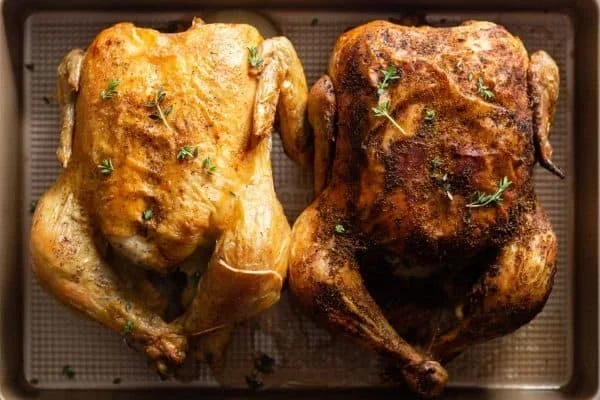
Besides the thermometer, you can look at the chicken. The skin should be a deep golden brown. It should look crispy and appetizing. If the skin is pale, it needs more time. You can also check the juices. When you pierce the thickest part of the thigh, the juices should run clear. If they are pink or red, the bird needs more time in the oven. Do not be afraid to open the oven door. Checking on your food does not significantly change the cooking time. It just lets you see how things are progressing. If the top is browning too fast, you can loosely tent it with aluminum foil. This protects the skin while the inside continues to cook. Another visual cue is the movement of the leg. When you wiggle the drumstick, it should feel loose and wobbly. A tight leg means the meat is still binding up and needs more time. The juices should also be completely clear when you cut into the thickest part of the chicken breast.
Resting and Serving Your Roast
So, your timer goes off. Your whole roasted chicken looks amazing. You are probably eager to cut into it. Stop! Do not cut it yet. Resting is a critical step. It makes a huge difference in the final result. Patience is your best friend in the kitchen right now.
The Importance of Resting Time
When you take the chickens out of the oven, the juices are running hot. They are racing around inside the meat. If you cut into the bird right away, all those juices run out onto the cutting board. You end up with dry chicken. Nobody wants that. By letting the chicken rest for fifteen to twenty minutes, you let the juices relax. They redistribute throughout the meat. When you finally cut in, every bite is moist and flavorful. Tent the chickens loosely with foil during this time. The foil keeps the heat in. But it does not steam the skin. You want to keep that crispy skin crispy. This resting period also allows you to make the gravy while the meat is sitting peacefully. A good rest makes the carving process much easier too. The meat firms up slightly, so you get cleaner slices. This is especially helpful when you are serving a crowd.
Making Easy Gravy from the Pan
While your roast is resting, you can make gravy. The roasting pan will have lots of yummy drippings. These drippings are full of chicken flavor. Pour off the excess fat first. You can use a fat separator or just spoon it out. Then add some chicken broth to the pan. Put it on the stove over medium heat. Scrape up all the brown bits from the bottom. Those brown bits are called fond. They are packed with flavor. Stir in a little bit of flour or cornstarch to thicken the liquid. Soon you will have a delicious, homemade gravy. It is the perfect partner to your roasted poultry. Serve it on the side. Your guests will love it. You can also add a splash of white wine for extra depth. The fond is the secret to restaurant-quality flavor at home.
Common Mistakes to Avoid
Even experienced cooks make mistakes. Learning what not to do is just as important as learning what to do. Here are some common pitfalls to watch out for when you are roasting two birds. Avoiding these simple errors will guarantee a perfect roast every single time.
Overcrowding the Oven
Do not try to cook other dishes at the same time if you can avoid it. Roasting two whole chickens takes up a lot of space. They need room for the hot air to flow around them. If you put a sheet pan on the rack below, it might block the heat. This can cause uneven cooking. The bottom of the chicken might cook differently than the top. If you must cook other things, make sure they do not block the fan or the heating elements. Keep the oven as open as possible for the best results and proper air circulation. You want the hot air to surround the birds completely.
Skipping the Thermometer
Relying on time alone is a dangerous game. Ovens vary wildly in temperature. Some run hot, and some run cold. The size and shape of your roasting pan also matter. A dark pan absorbs more heat and cooks faster. A glass pan might take longer. Because of all these variables, you must use a meat thermometer. It is the only way to know for sure that your poultry is safe to eat. Do not guess. Measure. It is a simple habit that will save you from serving undercooked meat and ruining your dinner. A cheap instant-read thermometer is all you need. It is a small investment that pays off big time.
Forgetting to Dry the Skin
We mentioned this before, but it is worth repeating. Moisture is the enemy of crispy skin. If you skip the drying step, your roast will look pale and feel soggy. Take the extra five minutes to pat the bird dry with paper towels. You will be shocked at the difference. The skin will turn a beautiful golden brown. It will be crunchy and satisfying. It is one of the best parts of a whole roasted chicken. Do not let wet skin ruin your hard work. Dry skin is the foundation of a great roast. You can even leave the uncovered birds in the fridge overnight. This dries the skin even more for ultimate crunch.
Quick Tips for Success
Want to make sure your roast goes smoothly? Here are some quick tips to keep in your back pocket.
- Always bring the poultry to room temperature before roasting.
- Use a rack to elevate the birds and allow air to flow underneath.
- Baste the chickens with their own juices halfway through the cooking time.
- If the skin is not browning fast enough, turn on the broiler for the last few minutes. Watch it closely so it does not burn!
- Let the chickens rest for at least fifteen minutes before carving.
- Save the carcass for making homemade stock. It is a great way to reduce food waste.
- Consider brining the chickens overnight for extra juiciness.
- Truss the chickens with kitchen twine to help them cook evenly.
- Add a cup of water or broth to the bottom of the pan to prevent drippings from burning.
Conclusion
Roasting two whole chickens in the oven is a rewarding experience. It might seem intimidating at first. But with the right knowledge, it is totally doable. You now know exactly How Long To Cook Two Whole Chickens In The Oven. You know the right temperature. You know how to prepare the birds. You know how to check for doneness. You also know how to avoid common mistakes. The key is to be patient and use a meat thermometer. Do not rush the resting time. Follow these steps, and you will get a perfect roast every single time. Your crispy skin will be golden brown. Your meat will be juicy and tender. Your kitchen will smell amazing. So, go ahead and give it a try. You will be so glad you did. Happy roasting!
Frequently Asked Questions
What is the best oven temperature for roasting two whole chickens?
425 degrees Fahrenheit is the ideal temperature for roasting two whole chickens. This high heat helps create crispy skin while cooking the meat through efficiently. However, you can also cook them at 375 degrees if you prefer a slower, more gentle roast.
How long does it take to cook two whole chickens in the oven?
It typically takes about one hour and forty-five minutes to two hours at 425 degrees Fahrenheit. The exact time depends on the weight of each bird and your specific oven. Always use a meat thermometer to ensure the internal temperature reaches 165 degrees Fahrenheit.
Do I need to cover the chickens with foil while roasting?
Generally, you do not need to cover the chickens. Leaving them uncovered allows the hot air to circulate and crisp up the skin. If the top starts to brown too quickly, you can loosely tent it with foil for the last twenty minutes of cooking.
Can I cook two whole chickens on the same oven rack?
Yes, you can place them on the same rack if your oven is large enough. Just make sure there is enough space between the birds for air to flow. Using a roasting rack is highly recommended to allow heat to reach the bottom of the chickens evenly.
How do I know when the chickens are done?
The best way to tell is by using a meat thermometer inserted into the thickest part of the thigh. The internal temperature should read 165 degrees Fahrenheit. You can also check that the juices run clear when you pierce the meat and the leg wiggles loosely.
Should I let the chickens rest before carving?
Absolutely! Letting the chickens rest for fifteen to twenty minutes is crucial. This allows the juices to redistribute throughout the meat, making it much more moist and flavorful when you cut into it. Tenting them loosely with foil keeps them warm during this resting period.