How To Cool Chicken In The Oven Without Drying It Out
Cooling chicken in the oven properly is the secret to juicy, tender meat every time. Many home cooks overlook this simple step, but resting chicken after baking makes a huge difference in texture and flavor. This guide covers easy methods, timing tips, and common mistakes to help you cool chicken in the oven without drying it out. Whether you are cooking a whole bird or chicken breasts, you will find practical advice that works.
Key Takeaways
- Resting chicken after baking locks in juices and keeps the meat moist and tender.
- Carryover cooking continues to raise the internal temperature, so remove chicken early from the oven.
- Tenting chicken with foil is the most effective way to cool it evenly without losing heat.
- Using a cooling rack allows air to circulate underneath, preventing soggy bottoms.
- Whole chicken needs longer resting time than smaller cuts like chicken breast or thighs.
- Never skip the resting step, as cutting too early releases all the flavorful juices onto the cutting board.
- Oven-baked poultry tastes best when you follow proper cooling and carving techniques.
📑 Table of Contents
Why Cooling Chicken In The Oven Matters
Cooking chicken is one thing. But cooling chicken in the oven the right way is a completely different skill. Many people pull their oven-baked chicken out and immediately start cutting into it. That is the number one mistake that leads to dry, bland meat.
When chicken comes out of a hot oven, the internal temperature continues to rise. This is called carryover cooking. During this time, the juices inside the meat redistribute. If you cut too soon, all those flavorful juices run out onto the cutting board instead of staying inside the meat where they belong.
Resting chicken after cooking is not just a fancy chef trick. It is basic food science that anyone can use at home. The result is juicy chicken that practically melts in your mouth. Whether you baked a whole bird or individual pieces, giving your chicken time to rest makes a real difference.
Think of it this way. You just spent time and money buying good chicken and seasoning it well. Why would you rush the last step and end up with dry, tough meat? Taking a few extra minutes to let your chicken cool properly is the easiest way to get the best results from your oven-baked poultry.
The Science Behind Resting Chicken
When chicken cooks in the oven, the heat forces the juices toward the center of the meat. Proteins tighten up and squeeze out moisture. As the chicken cools, those proteins relax and the juices spread back out through the meat evenly.
This process is why a rested piece of chicken feels moist when you cut into it. The moisture retention happens naturally when you give the meat time to cool. Without resting, you get a plate full of dry chicken and a cutting board full of lost flavor.
Food safety also plays a role here. Chicken internal temperature needs to reach at least 165 degrees Fahrenheit to be safe to eat. But pulling it off heat and letting it rest keeps it in the safe zone while it finishes cooking through carryover heat. This means you do not have to worry about undercooking or overcooking your meal.
The Best Methods to Cool Chicken In The Oven
There is more than one way to cool chicken in the oven without drying it out. Each method works well for different situations. Let us walk through the most effective techniques you can use right away.
Method One: Tenting With Foil
Tenting chicken with foil is the gold standard for resting oven-baked chicken. Here is how to do it. Take a sheet of aluminum foil and loosely drape it over the chicken. Do not wrap it tightly. You want to create a little tent that traps heat while allowing air to flow.
Why loose? A tight wrap traps too much steam and can make the skin soggy. A loose tent keeps the chicken warm enough for carryover cooking while letting excess heat escape slowly. This is the best way to cool chicken in the oven without losing that beautiful crispy skin.
This method works great for both whole chicken and smaller cuts. For a whole bird, tent the entire chicken. For individual pieces, you can tent them together in a dish or spread them out on a platter with foil loosely draped over the top.
Method Two: Using a Cooling Rack
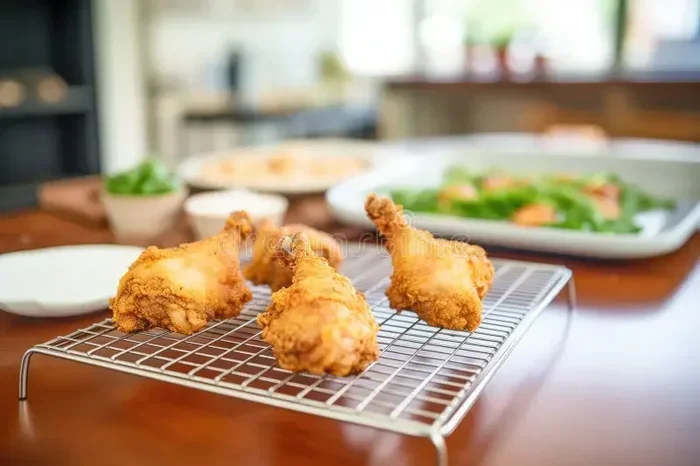
A cooling rack is a simple tool that makes a big difference. Place your baked chicken on a wire rack set over a baking sheet. The air circulates underneath the meat, which helps it cool evenly.
This method is especially useful for chicken breast pieces and thighs. The rack prevents the bottom from sitting in its own juices, which can make the meat steam and lose its crispiness. Plus, it looks professional and makes your kitchen setup feel like a real cooking station.
You can also combine the cooling rack with foil tenting. Set the rack over a sheet pan, tent loosely with foil, and let the chicken rest. This gives you the best of both worlds. Airflow from below and gentle heat retention from above.
Method Three: The Warm Oven Approach
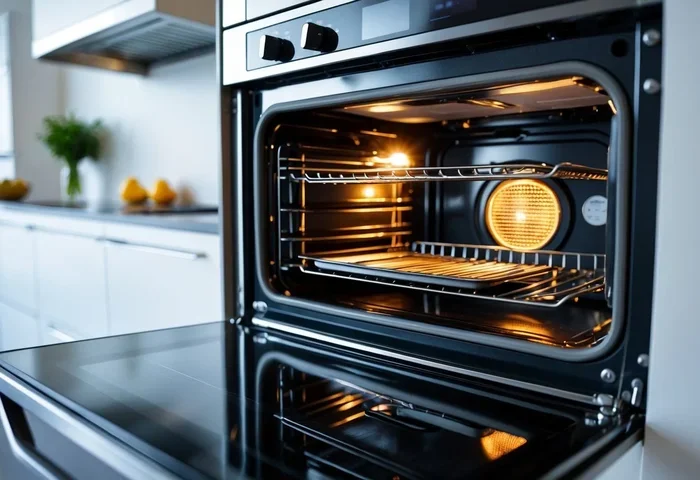
Here is a trick many home cooks do not know. Turn your oven off and leave the chicken inside with the door slightly cracked. The residual heat in the oven creates a warm environment that cools the chicken slowly and evenly.
This works well for whole oven-baked poultry that needs extra time. The oven acts like an insulated cooler. It keeps the chicken at a safe temperature while letting it finish the resting process. Just make sure you do not leave the chicken in the turned-off oven for too long. Two to three hours maximum for food safety.
How Long Should You Let Chicken Rest?
Timing matters a lot when it comes to resting chicken after cooking. The right amount of time depends on the size and cut of the chicken. Here is a simple guide to follow.
For chicken breast pieces, 5 to 8 minutes is usually enough. These smaller cuts do not hold as much heat, so they cool faster. Boneless, skinless breasts need the least amount of time.
For bone-in pieces like thighs and drumsticks, aim for 10 to 15 minutes. The bone retains heat longer, so these cuts need a bit more time to finish their carryover cooking and let juices redistribute.
A whole chicken needs the longest rest time. Plan for 15 to 20 minutes minimum. This gives the large mass of meat enough time to cool down to a safe serving temperature while keeping everything juicy inside.
Chicken internal temperature should drop to around 145 to 150 degrees Fahrenheit before serving. Use a meat thermometer to check. This ensures your chicken is safe to eat while still being perfectly moist.
Quick Reference: Resting Times by Cut
- Boneless chicken breast: 5 to 8 minutes
- Bone-in thighs and drumsticks: 10 to 15 minutes
- Whole chicken: 15 to 20 minutes
- Chicken wings: 3 to 5 minutes
- Chicken legs: 8 to 12 minutes
Can You Rest Chicken Too Long?
Yes, you can overdo it. If you leave chicken out for more than two hours at room temperature, food safety becomes a concern. Bacteria can grow on meat that sits in the danger zone between 40 and 140 degrees Fahrenheit for too long.
If you need to rest chicken for an extended period, place it in a warm spot in your kitchen or use the turned-off oven method. Never leave raw or cooked chicken sitting on the counter for hours. When in doubt, use a food thermometer to check that the chicken stays above 140 degrees Fahrenheit during the resting period.
Common Mistakes That Dry Out Your Chicken
Even experienced cooks make mistakes when it comes to cooling chicken in the oven. Here are the most common errors and how to avoid them.
Cutting Into the Chicken Too Early
This is the biggest sin of oven-baked chicken. The moment you slice into hot chicken, all those precious juices escape. You worked hard to bake the chicken perfectly, so do not let all that flavor disappear onto your cutting board.
Use a sharp knife and a clean cutting board. But more importantly, be patient. Let the chicken rest for the recommended time first. You will notice a dramatic difference in juiciness when you finally do cut in.
Wrapping Chicken Too Tightly in Foil
A tight foil wrap traps steam and turns crispy skin into soggy, rubbery skin. Nobody wants that. The whole point of baking chicken is to get that golden, crispy exterior, so do not ruin it with a steam bath during the resting phase.
Keep the foil loose. Think of it as a blanket, not a tight wrap. The chicken should still be able to breathe a little bit under the foil tent.
Skipping the Resting Step Entirely
Some people think resting is a waste of time. They want to eat immediately. But skipping the rest step is the fastest way to serve dry, unappetizing chicken. Even five extra minutes makes a noticeable difference.
Make resting a non-negotiable part of your cooking routine. Just like preheating the oven and seasoning the meat, resting should be a standard step every time you bake oven-baked poultry.
Placing Hot Chicken Directly on the Counter
Setting hot chicken directly on a cold countertop can cause the bottom to cool too quickly and unevenly. This creates temperature inconsistencies throughout the meat. Some parts will be hot and dry while others are still cooking from carryover heat.
Always use a cutting board, wire rack, or warm plate to rest your chicken on. This promotes even cooling and keeps the bottom of the meat from getting cold or soggy.
Tips for Perfectly Juicy Oven-Baked Chicken
Getting juicy chicken from the oven is easier than you think. Follow these proven tips to elevate your oven-baked chicken game every single time.
Brine or Dry Brine Before Baking
Brining is one of the best ways to ensure moisture retention in oven-baked poultry. A simple saltwater brine or a dry rub with salt and spices works wonders. The salt helps the meat hold onto water during cooking, which means juicier results even after cooling.
For a dry brine, sprinkle chicken with salt and let it sit uncovered in the fridge for a few hours or overnight. This draws out moisture, dissolves the salt, and then reabsorbs the seasoned liquid back into the meat. The result is deeply flavorful and incredibly tender oven-baked chicken.
Use a Meat Thermometer
guessing when chicken is done leads to overcooking. Overcooked chicken is the primary cause of dry meat. Invest in a reliable meat thermometer and check the chicken internal temperature in the thickest part of the meat.
Remove chicken from the oven at 160 to 162 degrees Fahrenheit. Carryover cooking will bring it up to the safe 165 degrees while it rests. This small adjustment prevents overcooking and keeps your chicken perfectly moist.
Let the Chicken Come to Room Temperature First
Taking chicken straight from the fridge and putting it in a hot oven creates uneven cooking. The outside overcooks while the inside is still cold. Let your chicken sit at room temperature for 20 to 30 minutes before baking.
This simple step promotes more even heat distribution throughout the meat. It also reduces the overall oven time, which means less moisture loss. Your oven-baked chicken will cook more evenly from edge to center.
Do Not Overcrowd the Pan
Overcrowding the baking sheet traps steam and prevents proper air circulation. This leads to steamed, soggy chicken instead of crispy, golden oven-baked poultry.
Give each piece of chicken enough space on the pan. If you are cooking a whole chicken, make sure it fits comfortably with room for air to flow around it. Proper spacing in the oven is one of the easiest ways to improve your results.
Carve Properly After Cooling
How you carve your chicken matters just as much as how you cook it. Use a sharp carving knife and follow the natural seams of the meat. Cut against the grain for maximum tenderness.
For a whole chicken, remove the legs first, then the wings, and finally slice the breast meat off the bone. This keeps each piece intact and makes serving easy. Proper chicken carving also helps you see how well the meat rested, since juicy pieces are a sign of a job well done.
Store Leftovers Properly
If you have leftover oven-baked chicken, cool it quickly and store it in the refrigerator within two hours. Shredding the chicken and storing it in an airtight container keeps it moist for days. Leftover oven-baked poultry makes amazing salads, sandwiches, soups, and wraps throughout the week.
When reheating leftovers, use a low oven temperature or the microwave with a damp paper towel over the top. This prevents the already-cooled chicken from drying out a second time. Proper storage and reheating extend the life of your meal while keeping it delicious.
Expert Insights on Cooling and Serving Oven-Baked Chicken
Professional chefs and food scientists agree on one thing. Resting is not optional. It is essential. Top chefs know that the difference between good chicken and great chicken comes down to how you handle it after it leaves the oven.
Carryover cooking is a concept that separates amateur cooks from professionals. Understanding that heat continues to work even after you remove the chicken from the oven gives you more control over the final result. You can pull chicken out slightly early and let the oven finish the job during the resting phase.
Moisture retention also depends on how you slice. Cutting chicken against the grain shortens the muscle fibers, making each bite more tender. Cutting with the grain makes the meat chewier and drier, even if you did everything else right.
Another expert tip is to let your chicken rest on a warm surface. A heated cutting board or a plate warmed in the microwave for 30 seconds keeps the chicken from cooling too fast. This is especially helpful in cold kitchens or during winter months when room temperature is lower.
Finally, do not forget about food safety. Always wash your hands after handling raw chicken. Use separate cutting boards for raw and cooked meat. And when in doubt, check the internal temperature with a thermometer. These habits keep your kitchen safe and your family healthy while you enjoy perfectly cooled oven-baked chicken.
Conclusion
Cooling chicken in the oven properly is one of the simplest yet most impactful steps in the entire cooking process. From tenting with foil to using a cooling rack, these techniques take just minutes but deliver dramatically better results. Your oven-baked chicken will be juicier, more flavorful, and more tender when you give it the time it needs to rest.
Remember to pull your chicken off heat early and let carryover cooking finish the job. Use a meat thermometer to track chicken internal temperature and avoid the common mistake of cutting too soon. Whether you are cooking a whole bird or simple chicken breast pieces, these methods work every time.
The next time you bake chicken, try these tips and notice the difference. Resting chicken after cooking is the unsung hero of great meals. It transforms ordinary oven-baked poultry into something truly special. Your taste buds will thank you, and your family and guests will notice the difference right away.
Start practicing these techniques today. With a little patience and the right approach, you will never serve dry chicken again. Cool chicken in the oven the smart way and enjoy every single bite of your perfectly cooked meal.
Frequently Asked Questions
Can I cool chicken in the oven with the door open?
Yes, leaving the oven door slightly open is a great way to cool chicken slowly. The oven acts as an insulated space that keeps the chicken warm while allowing heat to escape gradually. This method works especially well for whole chicken and larger cuts that need more time to rest.
How do I know if my chicken has rested long enough?
Use a meat thermometer to check the internal temperature. When the chicken reaches 145 to 150 degrees Fahrenheit, it has rested enough. The juices will also look clear and not runny when you cut into the meat, which is a good visual sign that resting is complete.
Can I put hot chicken directly in the fridge?
No, you should let chicken cool to room temperature first. Placing hot chicken directly in the fridge raises the internal temperature of the refrigerator and can affect other foods. Always let chicken rest for at least 30 minutes before refrigerating leftovers.
Why does my oven-baked chicken always come out dry?
Dry chicken usually means either overcooking or skipping the resting step. Overcooking removes moisture, and cutting too early releases all the juices. Use a meat thermometer and give your chicken proper resting time to keep it juicy and tender every time you bake it.
Is it safe to rest chicken on the counter?
Yes, as long as you do not leave it out for more than two hours. The USDA recommends not leaving cooked chicken at room temperature for longer than this. For longer resting periods, use the turned-off oven method or place the chicken in a warm spot in your kitchen.
What is the best way to store leftover cooled chicken?
Shred or slice the cooled chicken and store it in an airtight container in the refrigerator. It will stay fresh for three to four days. For longer storage, freeze the chicken in sealed bags for up to four months. Reheat gently using low heat to keep the chicken moist.