How To Clean Oven Hood Filters For A Fresh Kitchen
Keeping your oven hood filters clean is one of the easiest ways to maintain a fresh and healthy kitchen. Grease buildup can block airflow, cause odors, and even become a fire hazard. This guide shows you how to clean oven hood filters using simple household items and proven methods that really work.
Your oven hood works hard every day. It pulls smoke, steam, and cooking odors out of your kitchen. But there is one part that takes a beating: the filter. Over time, grease builds up on the mesh. This sticky layer blocks airflow and makes your hood less effective. The good news? Cleaning these filters is easier than most people think. You do not need expensive products or special tools. With the right approach, you can make your filters look and work like new.
This guide walks you through every step of how to clean oven hood filters at home. Whether you have a metal mesh filter or a charcoal replacement, you will find practical tips that save time and money. A clean kitchen exhaust filter means better air quality, fewer odors, and a safer cooking environment. Let us get into it.
Key Takeaways
- Regular cleaning prevents grease buildup: Clean your filters every 1-2 months to keep your kitchen hood working efficiently.
- Dish soap and baking soda are your best friends: These affordable items dissolve tough grease without harsh chemicals.
- Soaking is the secret weapon: Letting filters soak in hot water and degreaser loosens stubborn grime fast.
- Know your filter type: Aluminum and stainless steel filters need different care to avoid damage.
- Replace when needed: Worn-out filters lose effectiveness and should be swapped out for safety.
- A clean hood means better air quality: Removing grease from your range hood reduces kitchen odors and improves ventilation.
📑 Table of Contents
- Why Cleaning Your Oven Hood Filter Matters
- Know Your Filter Type Before You Start
- How To Clean Oven Hood Filters: Step-by-Step Methods
- How Often Should You Clean Your Hood Filter
- Common Mistakes to Avoid When Cleaning Hood Filters
- When to Replace Your Oven Hood Filter
- Expert Tips for Keeping Your Hood Filter Cleaner Longer
- Comparison of Cleaning Methods
- Final Thoughts on Oven Hood Filter Cleaning
Why Cleaning Your Oven Hood Filter Matters
Many people forget about their range hood filter until something goes wrong. A dirty filter causes real problems in your kitchen. Understanding why cleaning matters helps you stay on top of maintenance.
Grease Buildup Reduces Airflow
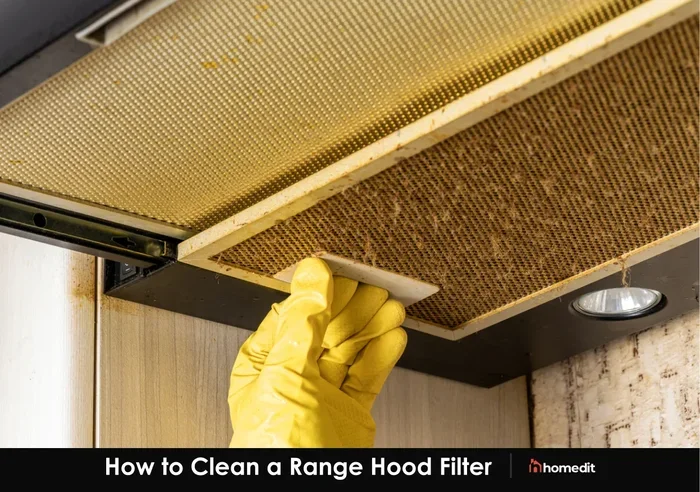
When grease coats the mesh, it clogs the tiny holes. Air cannot pass through easily. Your hood struggles to pull smoke upward. This means more grease settles on your kitchen surfaces. You end up wiping down counters and cabinets more often. A clean grease filter keeps air moving freely.
Fire Safety Risks Increase
Grease is flammable. A thick layer of built-up grease on your filter or inside the hood can ignite. This is a serious fire hazard that many homeowners overlook. Regular oven hood maintenance reduces this risk significantly. A simple cleaning routine keeps your family safe.
Unpleasant Odors Stick Around
Dirty filters trap old grease and food particles. These start to smell over time. Your kitchen may smell stale even after cooking. Cleaning the filter removes the source of bad odors. You enjoy a fresher cooking space every day.
Know Your Filter Type Before You Start
Not all kitchen ventilation filters are the same. Different materials need different cleaning methods. Before you grab a sponge, check what kind of filter you have.
Aluminum Mesh Filters
These are the most common type. You find them in most standard range hoods. Aluminum is lightweight and affordable. It responds well to soaking and gentle scrubbing. Most aluminum filters are dishwasher safe. Check the label on your specific model to be sure.
Stainless Steel Filters
Stainless steel filters are more durable. They resist rust and handle high heat well. However, they need a gentler touch. Harsh scrubbing can scratch the surface. Use soft brushes and non-abrasive cleaners. These filters often need hand washing for best results.
Charcoal or Carbon Filters
These work differently from mesh filters. They absorb odors rather than catching grease. Charcoal filters cannot be washed. They must be replaced every 6 to 12 months. If you have a recirculating hood, you likely have this type. Always check your owner manual for guidance.
How To Clean Oven Hood Filters: Step-by-Step Methods
Now for the main event. Here are the most effective ways to clean range hood filters at home. Each method works well for different levels of grease buildup.
Method 1: The Hot Water and Dish Soap Soak
This is the simplest and most affordable method. It works great for light to moderate grease.
- Remove the filter from the hood. Most filters lift out or twist free.
- Place the filter in a sink or large basin.
- Fill with the hottest water your tap produces.
- Add a few drops of dish soap. Use a quality degreasing brand.
- Let the filter soak for 15 to 30 minutes.
- Use a soft brush or sponge to scrub away loosened grease.
- Rinse thoroughly with clean hot water.
- Dry completely before reinstalling.
Quick Tip: For extra grease-cutting power, add a tablespoon of baking soda to the soapy water. This mild abrasive helps break down stubborn grime without scratching the metal.
Method 2: Baking Soda and Vinegar Deep Clean
This natural method tackles heavy grease buildup. The combination creates a fizzing reaction that lifts dirt from the mesh.
- Fill a large pot or basin with hot water.
- Add 3 tablespoons of baking soda. Stir until dissolved.
- Submerge the filter completely.
- Let it soak for at least one hour. Overnight works best for tough grease.
- Remove the filter and pour white vinegar over the surface.
- The bubbling action helps lift remaining grease.
- Scrub gently with a soft brush.
- Rinse and dry completely.
This method is perfect for remove grease buildup that has built up over weeks. It uses items you already have in your kitchen. No special products needed.
Method 3: Dishwasher Cleaning
If your filter is dishwasher safe, this is the easiest option. Place the filter on the top rack. Run a normal cycle with hot water. Add a cup of vinegar to the rinse aid compartment for extra degreasing power. Check the filter after the cycle. If grease remains, repeat or try another method.
Quick Tip: Always check your owner manual before putting a filter in the dishwasher. Some coatings or materials can warp or degrade under high heat.
Method 4: Commercial Degreaser Spray
For heavy buildup, a store-bought degreaser can save time. Spray the product directly onto the filter. Let it sit for 5 to 10 minutes. Wipe with a soft cloth or brush. Rinse well with warm water. These products are strong, so wear gloves and work in a ventilated area.
How Often Should You Clean Your Hood Filter
Consistency is key when it comes to filter maintenance tips. A regular cleaning schedule prevents heavy buildup and keeps your hood running smoothly.
- Light cooking (once or twice a week): Clean every 2 months.
- Regular cooking (daily or near-daily): Clean every 3 to 4 weeks.
- Heavy cooking (frying, deep-frying, grilling): Clean every 2 weeks.
- After a big meal or holiday cooking: Clean as soon as possible.
Set a reminder on your phone. It is easy to forget until you notice reduced airflow or a lingering smell. A little consistency goes a long way for appliance maintenance.
Common Mistakes to Avoid When Cleaning Hood Filters
Even with good intentions, people make mistakes that can damage filters or reduce cleaning effectiveness. Here are the most common ones to watch out for.
Using Abrasive Scrubbers
Steel wool and harsh scrub pads scratch metal surfaces. Scratches trap more grease in the future. Stick with soft brushes, sponges, or old toothbrushes. They clean effectively without causing damage.
Skipping the Drying Step
Reinstalling a wet filter causes rust and mold. Always dry your filter completely before putting it back. Use a clean towel or let it air dry on a rack. Moisture trapped in the hood can also lead to unpleasant smells.
Using Too Much Force
Filters are delicate. Bending or warping the mesh reduces effectiveness. Handle filters gently throughout the cleaning process. If grease is stubborn, let it soak longer rather than forcing it off.
Ignoring the Hood Interior
While the filter gets the most attention, the hood interior also collects grease. Wipe down the inside of the hood with a degreaser periodically. This keeps the whole kitchen hygiene system working properly.
When to Replace Your Oven Hood Filter
Cleaning has its limits. Over time, filters wear out and lose their ability to trap grease effectively. Knowing when to replace them is just as important as knowing how to clean them.
Look for these signs that your filter needs replacing:
- The mesh is visibly damaged or warped.
- Grease passes through even after thorough cleaning.
- The filter has a persistent odor that will not go away.
- Airflow remains weak even after a clean filter is installed.
- The filter is discolored or has holes in the mesh.
Replacement filters are affordable and easy to find. Check your hood model number and order the correct size. Swapping in a new filter takes seconds and restores full performance. This is a simple part of range hood upkeep that many people overlook.
Expert Tips for Keeping Your Hood Filter Cleaner Longer
Prevention is the best strategy. A few smart habits reduce how often you need to deep clean your filters.
- Turn on the hood before cooking: Switch it on a few minutes before you start. This captures smoke and grease from the start.
- Use the right heat setting: Excessive heat creates more grease vapor. Cook at moderate temperatures when possible.
- Wipe the filter weekly: A quick wipe with a degreaser cloth keeps buildup from accumulating.
- Clean the surrounding area: Wipe the hood exterior and nearby cabinets regularly. Grease sprays outward during cooking.
- Replace charcoal filters on schedule: Do not wait until odors become noticeable. A fresh carbon filter works much better.
These small habits make a big difference. Your clean cooking surface area stays fresher, and your hood filter lasts longer between deep cleanings.
Comparison of Cleaning Methods
Not sure which method suits you best? Here is a quick comparison to help you choose.
| Method | Best For | Time Required | Cost | Effectiveness |
|---|---|---|---|---|
| Hot Water and Dish Soap | Light grease, regular cleaning | 30 minutes | Low | Good |
| Baking Soda and Vinegar | Moderate to heavy grease | 1-2 hours | Very Low | Excellent |
| Dishwasher | Aluminum filters, convenience | 1-2 hours (cycle time) | Low | Good |
| Commercial Degreaser | Heavy buildup, tough stains | 20-30 minutes | Moderate | Very Good |
Each method has its strengths. For routine maintenance, the hot water and dish soap method works great. For deep cleaning sessions, baking soda and vinegar or a commercial degreaser delivers stronger results. Rotate methods based on how dirty your filter is.
Final Thoughts on Oven Hood Filter Cleaning
Learning how to clean oven hood filters is one of the simplest home maintenance tasks you can master. It takes just a little time and uses items you already own. A clean filter means better airflow, fewer kitchen odors, and a safer cooking environment. Your kitchen ventilation system works harder for you when the filter is in good shape.
Make this part of your regular home cleaning routine. Set a schedule, stick to it, and enjoy the difference. A fresh kitchen starts with a clean hood filter. Take action today and feel the results every time you cook.
Frequently Asked Questions
Can I wash my oven hood filter in the dishwasher?
Yes, most aluminum mesh filters are dishwasher safe. Place them on the top rack and run a hot water cycle. Check your owner manual first, as some filters have coatings that may not withstand high heat. If the filter comes out still greasy, repeat the cycle or try a hand-washing method.
How do I remove tough grease from my hood filter?
Soak the filter in hot water with baking soda for at least one hour. The baking soda breaks down the grease naturally. For extra strength, add white vinegar to the soak. A soft brush helps lift loosened grime without damaging the mesh surface.
How often should I replace my oven hood filter?
Mesh filters can last for years with regular cleaning. Charcoal filters should be replaced every 6 to 12 months. If you notice holes, warping, or persistent odors after cleaning, it is time for a replacement. Always check your hood model for the correct filter size.
Is it safe to use chemical degreasers on oven hood filters?
Yes, commercial degreasers work well for heavy grease buildup. Just follow the product instructions and rinse the filter thoroughly afterward. Wear gloves when handling strong chemicals. Avoid degreasers that contain harsh acids or bleach, as these can damage metal filters over time.
Can I clean a stainless steel hood filter with vinegar?
Yes, vinegar is safe for stainless steel filters. It helps dissolve grease without scratching the surface. Mix equal parts vinegar and water, soak the filter for 30 minutes, then gently scrub with a soft brush. Rinse well and dry completely to prevent water spots.
What happens if I never clean my oven hood filter?
Grease builds up over time and blocks airflow. Your hood becomes less effective at removing smoke and odors. In worst cases, heavy grease buildup creates a fire risk. The filter may also develop persistent bad smells. Regular cleaning keeps everything working safely and efficiently.
=== CONCLUSION ===
Taking care of your oven hood filters is a small task that makes a big impact. A clean filter means a fresher kitchen, better air quality, and improved safety in your home. The methods in this guide make it easy to keep your range hood filter in top shape without any special equipment or expensive products.
Start with a simple soak using dish soap and hot water. Move to baking soda and vinegar for deeper cleaning when needed. Know when to replace your filter, and build a cleaning schedule that works for your cooking habits. These habits keep your kitchen exhaust filter performing at its best for years to come.
Your kitchen deserves to feel fresh every time you cook. Take a few minutes today to clean your hood filter. You will notice the difference immediately. Make oven hood maintenance a regular part of your home routine and enjoy a cleaner, healthier cooking space.