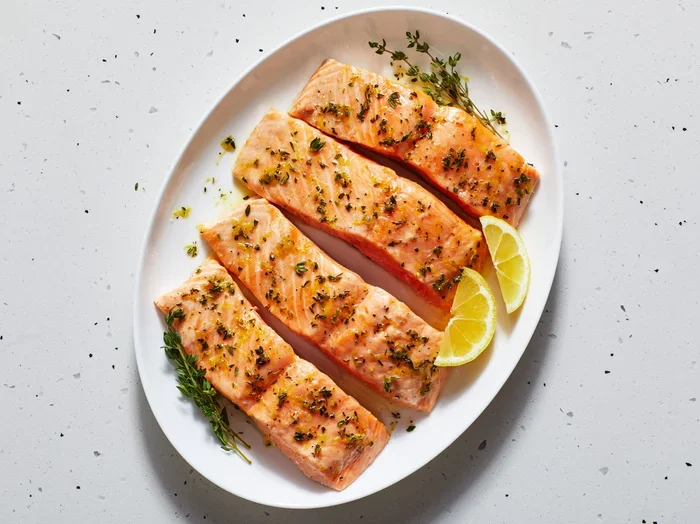
How Long To Cook Salmon Fillet In Oven At 400 Degrees
How long to cook salmon fillet in oven at 400 degrees? The answer is typically 12 to 18 minutes depending on thickness. Baking salmon at 400°F is the sweet spot for getting a perfectly cooked, juicy fillet with crispy skin. This guide covers everything you need to know about oven-baked salmon, from timing and temperature to seasoning and serving.
There is something truly special about a perfectly baked salmon fillet. The outside is lightly crispy, the inside is tender and flaky, and the whole kitchen smells amazing. If you have been wondering how long to cook salmon fillet in oven at 400, you are in the right place. This guide gives you everything you need to know to make restaurant-quality salmon at home.
Baking salmon at 400°F is one of the most popular methods for home cooks. The temperature is high enough to create a beautiful sear on the outside but gentle enough to keep the inside moist. Whether you prefer skin-on or skinless fillets, this guide will help you get great results every single time.
We will walk through exact cook times, temperatures, seasoning ideas, and common mistakes. By the end, you will feel confident pulling a perfect oven-baked salmon fillet out of your oven. Let us get started.
Key Takeaways
- Standard Cook Time: Most salmon fillets take 12 to 18 minutes at 400°F, depending on thickness.
- Internal Temperature Matters: The FDA recommends cooking salmon to an internal temperature of 145°F for food safety.
- Thickness Is Key: A thin fillet cooks faster, while a thick cut needs more time in the oven.
- Seasoning Makes a Difference: Simple seasonings like lemon, garlic, and herbs elevate the flavor of oven-baked salmon.
- Avoid Overcooking: Pulling the salmon out a few minutes early keeps it moist and tender.
- Skin-On vs. Skin-Off: Skin-on fillets crisp up nicely at 400°F and are easier to flip.
- Prep Tips Help: Patting the fillet dry and using parchment paper prevent sticking and ensure even cooking.
📑 Table of Contents
- How Long To Cook Salmon Fillet In Oven At 400
- What Affects Salmon Cooking Time at 400°F
- Step-by-Step Instructions for Baking Salmon at 400°F
- Best Seasonings and Flavors for Oven-Baked Salmon
- How to Tell When Salmon Is Done
- Common Mistakes to Avoid When Baking Salmon
- Expert Tips for Perfect Baked Salmon Every Time
How Long To Cook Salmon Fillet In Oven At 400
The short answer is 12 to 18 minutes at 400°F. But the exact salmon cooking time depends on a few key factors. The thickness of the fillet is the biggest one. A thin piece of salmon might be done in 12 minutes. A thicker cut could need the full 18 minutes or even a bit longer.
Here is a general guide based on fillet thickness:
- Thin fillet (1/2 inch): 10 to 12 minutes
- Medium fillet (3/4 inch): 12 to 15 minutes
- Thick fillet (1 inch): 15 to 18 minutes
- Extra thick cut (1.5 inches): 18 to 22 minutes
These times assume you are baking at 400°F. Always use a meat thermometer to check the internal temperature. The salmon internal temperature should reach 145°F at the thickest part. This is the safest temperature according to food safety guidelines.
Another thing to keep in mind is whether your salmon is frozen or thawed. Frozen salmon fillet takes longer to cook. You may need to add 5 to 10 extra minutes. It is best to thaw salmon in the fridge overnight for more even cooking.
Why 400°F Is the Perfect Temperature
You might wonder why 400°F is the go-to temperature for baking salmon. The answer is simple. At 400°F, the heat is hot enough to caramelize the natural sugars on the surface of the fish. This creates a light crispy exterior without drying out the inside.
Lower temperatures like 350°F take longer and can result in a more steamed texture. Higher temperatures like 425°F can overcook the edges before the center is done. 400°F hits the sweet spot between crisp and tender.
This temperature also works well for both skin-on and skinless fillets. Skin-on salmon gets nicely crisped at 400°F. Skinless fillets cook evenly without sticking. Either way, you get great results.
What Affects Salmon Cooking Time at 400°F
Not all salmon fillets are the same. Several factors change how long your salmon fillet cooking will take. Understanding these factors helps you nail the timing every time.
Fillet Thickness
This is the number one factor. A thin fillet cooks much faster than a thick one. If you buy salmon from a butcher or fish market, ask them to cut even-thickness fillets. This makes timing much easier.
If your fillet has a tapered end, you can fold the thin part under the fillet. This creates a more even thickness and prevents the thin parts from overcooking while the thick part finishes.
Starting Temperature
Salmon that comes straight from the fridge takes longer to cook than salmon at room temperature. Taking the fillet out 15 to 20 minutes before baking helps it cook more evenly. The outside does not burn while waiting for the inside to heat through.
Oven Accuracy
Not all ovens heat accurately. Some run hot, and some run cool. If your oven tends to run hot, you might need to reduce the temperature slightly or check the salmon a few minutes early. An oven thermometer is a cheap and helpful tool for any home cook.
Skin-On vs. Skin-Off
Skin-on fillets take a little longer because the skin acts as an insulator. The heat has to penetrate through the skin first. Skinless fillets cook faster and more evenly. Both options work great at 400°F.
Bone-In vs. Boneless
Boneless fillets cook faster than bone-in pieces. If you are cooking a bone-in salmon steak, add a few extra minutes to the cook time. Check the internal temperature near the bone to make sure it is fully cooked.
Step-by-Step Instructions for Baking Salmon at 400°F
Follow these simple steps for perfectly baked salmon in the oven at 400 every time. The process is easy and hard to mess up.
Step 1: Preheat Your Oven
Preheat your oven to 400°F before you start prepping the salmon. Give the oven at least 10 to 15 minutes to reach the right temperature. A properly preheated oven ensures even cooking from the moment the salmon goes in.
Step 2: Prepare the Salmon Fillet
Take the salmon out of the fridge about 15 minutes before cooking. Pat it dry with paper towels. This step is important because moisture on the surface creates steam, which prevents the skin from crisping up.
If the fillet has bones, use tweezers or pliers to pull them out. This makes for a much better eating experience. Place the fillet skin-side down on a prepared baking sheet.
Step 3: Season the Salmon
Season both sides with salt and pepper. You can keep it simple or get creative. A light drizzle of olive oil helps the seasonings stick and adds flavor. See our seasoning ideas below for inspiration.
Step 4: Bake the Salmon
Place the baking sheet on the center rack of the oven. Set a timer for 12 minutes to start checking. Do not open the oven door too often, as this lets heat escape and can unevenly cook the salmon.
Check the internal temperature with a meat thermometer. When it reads 145°F at the thickest part, the salmon is done. Remove it from the oven and let it rest for 2 to 3 minutes before serving.
Step 5: Rest and Serve
Letting the salmon rest for a couple of minutes allows the juices to redistribute. This makes the fillet more moist and flavorful. Serve it with a squeeze of fresh lemon, a side of vegetables, or your favorite sauce.
Best Seasonings and Flavors for Oven-Baked Salmon
One of the best things about baking salmon is how versatile it is. You can keep it simple or go bold with flavors. Here are some of the best seasoning combinations for oven-baked salmon fillet at 400°F.
Classic Lemon Butter
Melt a few tablespoons of butter and mix with fresh lemon juice, minced garlic, and a pinch of salt. Drizzle this over the salmon before baking. The result is a rich, tangy flavor that pairs perfectly with the fish.
Honey Garlic Glaze
Mix honey, soy sauce, minced garlic, and a touch of sesame oil. Brush this glaze onto the salmon during the last 5 minutes of baking. It creates a sticky, sweet, and savory coating that everyone loves.
Herb Crust
Pulse fresh herbs like dill, parsley, and thyme with breadcrumbs and olive oil. Spread this mixture on top of the salmon and bake until golden. The herb crust adds a wonderful texture and aroma.
Simple Salt and Pepper
Sometimes less is more. A generous amount of coarse sea salt, cracked black pepper, and a drizzle of olive oil lets the natural flavor of the salmon shine through. This is the best option if you want to taste the fish itself.
Cajun Spice Rub
For a little kick, mix paprika, cayenne pepper, garlic powder, onion powder, and dried oregano. Rub this blend all over the fillet before baking. It adds bold flavor with a hint of heat.
No matter which seasoning you choose, keep the salmon at room temperature for 15 minutes before baking. This helps the flavors penetrate the fish and promotes more even cooking.
How to Tell When Salmon Is Done
Knowing when salmon is done in the oven is one of the most important skills for any home cook. Overcooked salmon becomes dry and chalky, which is a real disappointment. Here are the best ways to check for doneness.
Use a Meat Thermometer
This is the most reliable method. Insert a meat thermometer into the thickest part of the fillet at an angle. When the salmon internal temperature reads 145°F, it is done. For a slightly more tender and moist result, many chefs pull the salmon at 135°F to 140°F. This gives you a medium-rare center that is still safe to eat if you use fresh, high-quality salmon.
The Flake Test
Gently press the top of the salmon with a fork or your finger. If the fish flakes apart easily and looks opaque throughout, it is done. If it still looks translucent in the center, it needs more time. The flake test works well once you get used to it, but a thermometer is more precise.
Visual Cues
Look at the color of the salmon. Raw salmon is bright red or orange. Fully cooked salmon is a lighter pink or coral color throughout. The flesh should look opaque and not shiny or translucent anymore.
Feel the Texture
Raw salmon feels soft and almost gelatinous. Cooked salmon feels firm but still gives slightly when pressed. If it feels hard and rigid, it has been overcooked. Aim for a texture that feels like the fleshy part of your palm when you touch your thumb to your middle finger.
Remember that the salmon will continue to cook slightly after you take it out of the oven. This is called carryover cooking. Pulling the salmon off a few degrees early accounts for this and keeps the fillet moist.
Common Mistakes to Avoid When Baking Salmon
Even experienced cooks make mistakes when baking salmon. Knowing what to avoid saves you from dry, overcooked, or bland fillets. Here are the most common errors and how to fix them.
Not Pattering the Salmon Dry
Moisture on the surface of the salmon creates steam, which prevents the skin from crisping. Always pat the fillet dry with paper towels before seasoning. This simple step makes a huge difference in texture.
Skipping the Preheat
Putting salmon into a cold oven leads to uneven cooking. The outside overcooks while the inside stays raw. Always preheat your oven to 400°F before placing the salmon inside.
Overcooking the Salmon
This is the most common mistake. Salmon dries out quickly once it passes the ideal temperature. Set a timer, check the temperature early, and remember that carryover cooking continues after the salmon comes out of the oven.
Using a Crowded Baking Sheet
If you bake multiple fillets on the same sheet, they steam instead of roast. Leave space between each fillet for air to circulate. Use two baking sheets if you need to cook more than two fillets at once.
Forgetting to Flip (For Skinless Fillets)
Skinless fillets can cook unevenly if not flipped halfway through. For skin-on fillets, you do not need to flip them. But for skinless pieces, a quick flip at the halfway point promotes even browning.
Not Letting It Rest
Cutting into the salmon immediately after taking it out of the oven causes the juices to run out. Let it rest for 2 to 3 minutes. This keeps the fillet moist and juicy.
Expert Tips for Perfect Baked Salmon Every Time
Here are some extra tips from experienced cooks and chefs to take your oven-baked salmon to the next level.
- Buy quality salmon: Fresh, wild-caught salmon has better flavor and texture than frozen or farmed options. Look for bright color and a clean sea smell.
- Use parchment paper: Lining your baking sheet with parchment paper prevents sticking and makes cleanup a breeze.
- Score the skin: If using skin-on salmon, make shallow cuts through the skin. This prevents the skin from curling during baking.
- Brush with oil: A light coat of olive oil or avocado oil helps seasonings stick and promotes browning.
- Let it come to room temperature: Taking the salmon out 15 to 20 minutes before baking ensures more even cooking throughout the fillet.
- Pair with the right sides: Salmon pairs beautifully with roasted vegetables, rice, quinoa, or a fresh salad. These sides complement the rich flavor of the fish.
How long to cook salmon fillet in oven at 400 degrees is a question with a simple answer: 12 to 18 minutes for most fillets. But the real secret is paying attention to thickness, starting temperature, and using a meat thermometer. These small steps make the difference between good salmon and great salmon.
Baking salmon at 400°F is one of the easiest and most rewarding ways to prepare this nutritious fish. It requires minimal prep, cooks quickly, and delivers incredible flavor. Whether you are a beginner in the kitchen or a seasoned home cook, mastering salmon fillet baking time at 400 is a skill worth having.
Try different seasonings, experiment with cook times, and find your perfect level of doneness. Once you nail the basics, you can get creative and make this dish your own. Enjoy the process, and savor every bite of that beautiful, juicy, perfectly baked salmon.
Frequently Asked Questions
Can I cook salmon at 400°F if it is frozen?
Yes, you can cook frozen salmon at 400°F, but it will take longer. Add about 5 to 10 extra minutes to the standard cook time. For the best results, thaw the salmon in the refrigerator overnight before baking. This promotes more even cooking and better texture.
What is the best way to store leftover baked salmon?
Store leftover baked salmon in an airtight container in the refrigerator. It will keep for up to 3 days. Reheat gently in the oven at 300°F for 5 to 8 minutes to keep the fish from drying out. Avoid microwaving, which can make the salmon rubbery.
Should I bake salmon with the skin on or off?
Baking salmon skin-side down is the most popular method. The skin protects the flesh and crisps up nicely at 400°F. It also makes the fillet easier to handle on the baking sheet. If you prefer skinless salmon, just place the fillet directly on parchment paper and follow the same timing guidelines.
How can I tell if my salmon is undercooked?
Undercooked salmon looks translucent in the center and feels very soft when pressed. The internal temperature will be below 145°F. If you see any dark, mushy areas or the fish has a very soft, almost raw feel, it needs more time in the oven. Always use a meat thermometer for accuracy.
What sides go well with oven-baked salmon?
Salmon pairs wonderfully with roasted asparagus, garlic mashed potatoes, steamed rice, quinoa, or a fresh green salad. Roasted vegetables like Brussels sprouts, broccoli, or zucchini also complement the rich flavor of salmon beautifully. A simple lemon-dill yogurt sauce makes an excellent accompaniment.
Can I use aluminum foil instead of parchment paper?
Yes, you can use aluminum foil, but it may cause the bottom of the salmon to steam rather than crisp. Parchment paper is the better choice for even browning and easier cleanup. If you use foil, lightly oil it to prevent the salmon from sticking. Avoid using foil with acidic seasonings like lemon juice, as they can react with the aluminum.
=== CONCLUSION ===
How long to cook salmon fillet in oven at 400 is a question with a clear and simple answer. Most fillets need 12 to 18 minutes at 400°F, depending on thickness. The key to perfect salmon is using a meat thermometer, letting the fish come to room temperature before baking, and not overcooking it.
With the right temperature, good seasonings, and a little attention, you can bake salmon that is juicy, flavorful, and beautifully crispy on the outside. Practice these steps a few times, and you will never have to worry about dry or undercooked salmon again. Enjoy your oven-baked salmon and share it with the people you love.