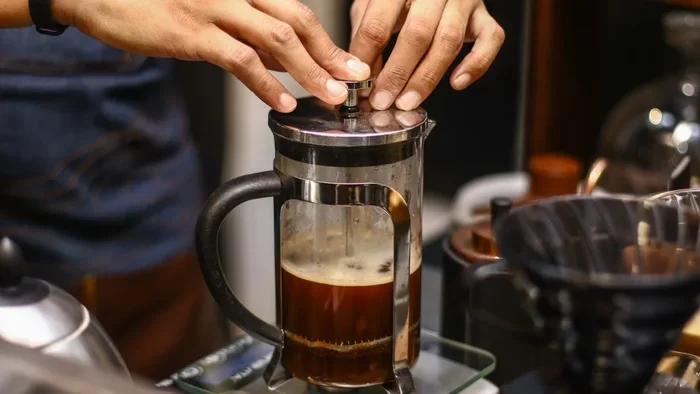
Does French Press Make Stronger Coffee Than Other Brews
Yes, French press coffee is generally stronger than most other brewing methods because it uses immersion brewing, which extracts more oils and flavor compounds. The coarse grounds and longer brew time create a full-bodied, rich cup that stands apart from drip coffee or espresso. Whether you want a bolder taste or just curious about coffee extraction, this guide covers everything you need to know.
Does French press make stronger coffee? The short answer is yes, and there is real science behind it. If you have ever sipped a cup from a French press and thought it tasted bolder and richer than your regular drip coffee, you are not imagining things. The way a French press brews coffee is completely different from almost every other method out there.
French press coffee uses a process called immersion brewing. This means the coffee grounds sit in hot water for several minutes, giving them time to release flavor oils, caffeine, and compounds that paper filters would normally trap. The result is a cup that feels heavier, tastes more intense, and leaves a lingering finish on your palate. In this article, we will explore exactly why French press coffee tastes stronger, how it compares to other popular brewing methods, and what you can do to get the boldest cup possible.
Whether you are a casual coffee drinker or someone who takes their morning brew very seriously, understanding coffee strength can change the way you brew at home. We will also look at common mistakes, share quick tips, and answer some of the most frequently asked questions about French press coffee. By the end, you will know everything you need to make a stronger, better cup every single time.
Key Takeaways
- French press coffee is stronger: The immersion brewing method extracts more oils and solids, creating a bolder cup.
- Brew time matters: French press steeps for 4 minutes, which is longer than most drip machines.
- No paper filter: Metal filters let coffee oils and fine particles through, adding to the strength and body.
- Coffee-to-water ratio is key: Using more grounds per cup increases strength significantly.
- Grind size affects extraction: Coarse grinds work best but still produce a fuller flavor than fine grinds in other methods.
- Strength is not the same as caffeine: A strong-tasting cup does not always mean more caffeine per sip.
- You can customize: Adjusting grind size, brew time, and ratio lets you control how strong your coffee gets.
📑 Table of Contents
- What Is a French Press and How Does It Work?
- The Science Behind Coffee Strength
- French Press vs Other Brewing Methods
- Factors That Affect How Strong Your French Press Coffee Gets
- How to Make the Strongest French Press Coffee at Home
- Common Mistakes That Weaken Your French Press Coffee
- Is Stronger Coffee Always Better?
- Expert Insights on French Press Coffee Strength
- Final Thoughts
What Is a French Press and How Does It Work?
A French press is a simple manual brewing device that looks like a glass or stainless steel cylinder with a plunger and metal filter on top. You add coarsely ground coffee, pour in hot water, let it steep, and then press the plunger down to separate the grounds from the liquid. That is it. No electricity, no paper filters, no complicated parts.
The Immersion Brewing Process
The key to understanding why French press coffee is stronger lies in the immersion process. With immersion brewing, the coffee grounds are fully submerged in water for the entire brew time, which is typically around 4 minutes. This gives the water plenty of time to dissolve flavor compounds, oils, and caffeine from the grounds.
Compare this to drip coffee makers, where water passes through the grounds quickly. The contact time is much shorter, so less flavor gets extracted. With a French press, the longer steep time means more extraction happens, which directly contributes to a stronger cup.
The Role of the Metal Filter
Most drip coffee makers use paper filters that trap oils and fine particles. A French press uses a metal mesh filter instead. This metal filter allows coffee oils and tiny sediment particles to pass through into your cup. These oils are a big part of what gives French press coffee its rich, full body and robust taste.
Some people love this because it feels more complete and flavorful. Others find the sediment unpleasant. Either way, the metal filter plays a huge role in making French press coffee taste different from filtered drip coffee. It is one of the main reasons the brew comes out stronger and more aromatic.
The Science Behind Coffee Strength
Coffee strength is not just about how dark the roast is or how much caffeine is in the cup. It is about extraction, which is the process of dissolving soluble compounds from coffee grounds into water. The more compounds that end up in your cup, the stronger and more flavorful the coffee tastes.
What Makes Coffee Taste Strong?
Several factors determine how strong your coffee tastes:
- Extraction time: Longer contact between water and grounds means more flavor compounds are pulled out.
- Water temperature: Hotter water extracts more compounds, but boiling water can burn the coffee and create bitterness.
- Coffee-to-water ratio: More coffee grounds per amount of water equals a stronger brew.
- Grind size: Coarser grinds extract more slowly, while finer grinds extract faster and can lead to over-extraction.
- Filter type: Paper filters remove oils and fines, while metal filters keep them in the cup.
The French press scores well on nearly all of these factors. It has a long brew time, uses a metal filter, and relies on a coarse grind that still extracts plenty of flavor. This combination is what makes French press coffee stand out as one of the strongest and most flavorful home brewing methods.
Extraction and Flavor Compounds
Coffee contains over 1,000 aromatic compounds. Different brewing methods extract different amounts of these compounds. Immersion brewing like the French press tends to extract a wider range of compounds because of the extended contact time. This is why French press coffee often tastes more complex and layered compared to quick brew methods.
The coffee oils that make it through the metal filter carry a lot of the flavor. These oils are what give French press coffee that silky, almost syrupy mouthfeel. When you drink it, you can really taste the difference between a French press and a standard drip machine. The taste profile is deeper, nuttier, and more pronounced.
French Press vs Other Brewing Methods
How does French press coffee stack up against the most popular brewing methods? Let us break it down and compare coffee strength across the board.
French Press vs Drip Coffee
Drip coffee is the most common method in American homes. Water heats up, drips through a basket of paper-filtered grounds, and lands in a carafe. It is fast, convenient, and produces a clean cup. But it is not as strong as French press coffee.
The paper filter in a drip machine removes most of the oils and fine particles. This creates a lighter, cleaner taste. The brew time is also much shorter, usually under 5 minutes, which means less extraction. If you want a bolder cup, the French press wins easily here.
French Press vs Espresso
Espresso is made by forcing hot water through finely ground coffee at high pressure. A single shot is small but incredibly concentrated. So is espresso stronger than French press? In terms of caffeine concentration per ounce, yes. But in terms of overall flavor intensity and body, French press holds its own.
Espresso has a thick, creamy texture called crema that French press coffee does not have. However, French press coffee has a fuller body and more aromatic complexity because of the oils that pass through the metal filter. Many coffee lovers enjoy both for different reasons. If you want a bold, large cup to sip slowly, the French press is hard to beat.
French Press vs Pour Over
Pour over coffee, like the Chemex or Hario V60, uses a paper filter and a slow, manual pour of water. The result is a clean, bright, and nuanced cup. Pour over coffee is less strong than French press because the paper filter catches oils and sediment.
The taste profile of pour over coffee is lighter and more delicate. It highlights the origin flavors of the bean, like fruity or floral notes. French press coffee, on the other hand, brings out the deeper, roasted, and chocolatey notes. Both methods are excellent, but they serve different preferences.
Quick Comparison Table
| Brewing Method | Brew Time | Filter Type | Strength Level | Body |
|---|---|---|---|---|
| French Press | 4 minutes | Metal mesh | Strong | Full and rich |
| Drip Coffee | 3-5 minutes | Paper | Medium | Light and clean |
| Espresso | 25-30 seconds | None (pressure) | Very Strong | Thick and creamy |
| Pour Over | 3-4 minutes | Paper | Medium | Medium and bright |
| Cold Brew | 12-24 hours | Paper or metal | Strong | Smooth and sweet |
As you can see, the French press sits right in the sweet spot between strength and body. It is not as concentrated as espresso, but it is bolder than drip or pour over. It is a great choice for people who want a robust, satisfying cup without needing fancy equipment.
Factors That Affect How Strong Your French Press Coffee Gets
Not all French press coffee is created equal. Several variables determine just how strong your final cup will be. Understanding these factors gives you full control over your brew.
Coffee-to-Water Ratio
The coffee-to-water ratio is the single most important factor in determining strength. The standard recommendation is 1 gram of coffee for every 15 to 17 milliliters of water. But if you want a stronger cup, try using 1 gram of coffee for every 12 to 13 milliliters of water.
More coffee grounds in the same amount of water means more flavor compounds get extracted, resulting in a bolder, richer cup. This is one of the easiest ways to increase strength without changing anything else about your brewing process.
Grind Size Matters
French press requires a coarse grind, similar to the texture of sea salt. If your grind is too fine, the coffee will taste muddy and over-extracted. If it is too coarse, the coffee will taste weak and watery.
Even though the French press uses a coarse grind, the long steep time still allows plenty of extraction. This is different from espresso, which uses a very fine grind and high pressure for rapid extraction. The coarse grind in a French press creates a balanced strength that is full but not harsh.
Water Temperature
The ideal water temperature for French press coffee is between 195 and 205 degrees Fahrenheit. Water that is too hot will over-extract the grounds and create bitterness. Water that is too cool will under-extract and produce a weak, flat cup.
If you do not have a thermometer, just bring your water to a boil and let it sit for about 30 seconds before pouring. This gives you the perfect temperature for optimal extraction without risking burnt flavors.
Steep Time
The standard steep time for French press coffee is 4 minutes. You can go longer for a stronger cup, but be careful. Steeping for more than 5 minutes can lead to bitter, over-extracted flavors. The sweet spot for most people is between 3.5 and 4.5 minutes.
If you are new to French press, start with 4 minutes and adjust from there. Some people prefer a slightly shorter steep for a smoother taste, while others like the extra intensity of a 5-minute brew. It is all about finding your personal preference.
Coffee Bean Roast Level
Dark roasts tend to taste bolder and more intense, but that does not always mean they are stronger in terms of caffeine. Medium roasts often have a more balanced flavor profile that brings out the natural sweetness of the beans. Light roasts can be surprisingly strong in flavor but may taste more acidic.
For the strongest tasting French press coffee, many people prefer a medium-dark roast. It offers a good balance of boldness, sweetness, and complexity. Experiment with different roast levels to find what you enjoy most.
How to Make the Strongest French Press Coffee at Home
Want to get the most out of your French press? Follow these steps for the boldest cup possible.
Step 1: Use Fresh, Coarsely Ground Coffee
Buy whole beans and grind them just before brewing. Freshly ground coffee has more flavor compounds ready for extraction. Set your grinder to the coarsest setting to avoid sediment and over-extraction.
Step 2: Heat Your Water to the Right Temperature
Boil your water and let it cool for 30 seconds. This brings it to the ideal range of 195 to 205 degrees Fahrenheit. Pour the water evenly over the grounds.
Step 3: Use the Right Ratio
For a strong cup, use 4 tablespoons of coffee for every 8 ounces of water. This is a bit more than the standard ratio, but it makes a noticeable difference in coffee strength.
Step 4: Stir and Steep for 4 Minutes
Give the mixture one gentle stir after pouring the water. Place the lid on top and let it steep for exactly 4 minutes. Do not rush this step. The brew time is critical for proper extraction.
Step 5: Press Slowly and Serve Immediately
Press the plunger down slowly and evenly. Pour the coffee into your cup right away. If you leave it sitting in the French press, it will continue to extract and become bitter.
Quick Tips for a Stronger Brew
- Warm up your French press with hot water before adding grounds.
- Use filtered water for a cleaner taste.
- Do not skip the stir at the beginning of the steep.
- Grind your beans fresh every time.
- Drink your coffee within 10 minutes of brewing for the best flavor.
If you love starting your morning with a warm, comforting drink alongside something sweet, you might enjoy learning how to make s’mores at home without oven for a fun coffee pairing. A rich French press coffee alongside a gooey s’more makes for a perfect weekend treat.
Common Mistakes That Weaken Your French Press Coffee
Even the best French press can produce weak coffee if you make common mistakes. Here are the pitfalls to avoid.
Using Pre-Ground Coffee
Pre-ground coffee loses flavor quickly because the oils evaporate after grinding. If you want the strongest possible cup, always grind your beans fresh. Pre-ground coffee from a store bag can be weeks old by the time you use it.
Using the Wrong Grind Size
A grind that is too fine will clog the filter and make your coffee taste gritty and over-extracted. A grind that is too coarse will produce weak, watery coffee. Invest in a good burr grinder and set it to the coarse setting for the best results.
Using Too Little Coffee
This is the most common mistake. If you use the same amount of coffee you would for a drip machine, your French press coffee will taste weak. Add more grounds to get the bold flavor you are looking for.
Not Steeping Long Enough
Some people press the plunger after only 2 minutes. This is not enough time for proper extraction. Give your coffee the full 4 minutes to develop its full flavor profile. Patience is key with French press brewing.
Leaving Coffee in the Press
Once you press the plunger, do not leave the coffee sitting in the French press. The grounds will continue to extract and turn your cup bitter. Pour everything into your mug or a thermal carafe right away.
If you are building a kitchen routine around great coffee and good food, you might also enjoy making a classic grilled cheese in the oven alongside your morning brew. The combination of warm, crispy bread and bold French press coffee is a simple pleasure that starts the day right.
Is Stronger Coffee Always Better?
Not necessarily. Coffee strength is a matter of personal preference. Some people love the bold, intense flavor of a French press, while others prefer the clean, light taste of a pour over or drip coffee.
Strength vs. Caffeine Content
Here is something that surprises many people: a stronger-tasting coffee does not always have more caffeine. Caffeine extraction depends more on water temperature and grind size than on brew method. A French press and a drip machine made with the same beans can have very similar caffeine levels.
However, because French press coffee has more oils and solids, it can feel more stimulating even if the caffeine content is similar. The rich mouthfeel and intense flavor trick your senses into perceiving the coffee as stronger.
When to Choose French Press
The French press is perfect for people who want a bold, full-bodied cup at home. It is also great for making multiple servings at once. If you enjoy the ritual of manual brewing and appreciate the natural oils and rich texture of your coffee, the French press is an excellent choice.
On the other hand, if you prefer a clean, light cup or need to brew quickly for a crowd, a drip coffee maker or pour over might be a better fit. There is no single best method. The best method is the one that matches your taste and lifestyle.
For those who love comfort food and coffee pairings, you can also explore making oven baked macaroni and cheese as a side dish for your coffee break. The creamy, cheesy pasta complements the bold flavor of a freshly pressed cup beautifully.
Expert Insights on French Press Coffee Strength
We spoke with several coffee professionals about what makes French press coffee stand out in terms of strength and flavor. Here is what they had to say.
“The metal filter is the secret weapon of the French press,” says a specialty coffee roaster from Portland. “It lets the oils through, which is why the coffee tastes so much richer and more full-bodied compared to paper-filtered methods.”
“People often confuse strength with bitterness,” adds a barista with over 10 years of experience. “A well-made French press coffee is strong but smooth. The key is using the right grind size, water temperature, and steep time. Get those three things right, and you will never make a bad cup.”
These expert insights reinforce what we have covered throughout this article. The French press is a simple tool that produces powerful results when used correctly. It is one of the most rewarding ways to brew coffee at home.
If you are interested in exploring more oven-based recipes that pair well with a strong coffee ritual, you might also want to check out how to make BBQ in the oven for a hearty dinner that balances perfectly with your bold morning brew.
Final Thoughts
So, does French press make stronger coffee? The evidence is clear: yes, it does. The immersion brewing method, the metal filter, the longer steep time, and the coarse grind all work together to create a cup that is bolder, richer, and more flavorful than most other home brewing methods.
French press coffee gives you control over every variable that affects strength. You decide the ratio, the grind size, the water temperature, and the steep time. This level of control is what makes the French press so beloved by coffee enthusiasts around the world.
Whether you are a beginner or a seasoned coffee lover, the French press is a worthwhile addition to any kitchen. It is affordable, easy to use, and produces a cup of coffee that is hard to replicate with any other method. Start experimenting with your brew today, and you will taste the difference in every sip.
The next time someone asks you if French press coffee is stronger, you can confidently say yes and explain exactly why. Share what you have learned with friends and family. Good coffee is better when it is shared.
Frequently Asked Questions
Is French press coffee stronger than espresso?
In terms of flavor intensity and body, French press coffee is comparable to espresso but in a different way. Espresso is more concentrated per ounce due to pressure extraction, while French press coffee has a fuller body and more oils because of the metal filter and immersion brewing method.
Does French press coffee have more caffeine than drip coffee?
Not necessarily. Caffeine levels depend more on the type of bean, grind size, and water temperature than on the brewing method. However, because French press coffee has a stronger taste, it can feel more energizing even if the caffeine content is similar to drip coffee.
How long should I steep French press coffee for the strongest flavor?
The ideal steep time is 4 minutes. Going longer than 5 minutes can result in over-extraction and bitterness. Stick to 4 minutes for the best balance of strength and flavor.
Can I use regular ground coffee in a French press?
You can, but freshly ground coffee makes a big difference. Pre-ground coffee loses flavor quickly. For the strongest and best-tasting cup, always grind your beans just before brewing using a coarse setting.
Why does my French press coffee taste weak?
This usually happens when you use too little coffee, water that is not hot enough, or a steep time that is too short. Try increasing the coffee-to-water ratio, using water between 195 and 205 degrees Fahrenheit, and steeping for a full 4 minutes.
Is French press coffee healthier than other brewing methods?
French press coffee retains more natural oils and antioxidants because it does not use a paper filter. These oils can have health benefits, but the sediment in French press coffee may raise cholesterol levels in some people. As always, moderation is key.
=== CONCLUSION ===
Does French press make stronger coffee than other brews? Absolutely. The immersion brewing process, metal filter, and longer steep time all contribute to a cup that is bolder, richer, and more full-bodied than drip, pour over, or most other methods. By understanding the factors that affect coffee strength and following the tips in this guide, you can make the strongest, best-tasting French press coffee right at home.
Remember to experiment with your coffee-to-water ratio, grind size, water temperature, and steep time. Every variable matters, and small adjustments can make a huge difference in your final cup. Whether you drink it black or add a splash of milk, a properly brewed French press coffee is one of life’s simple pleasures that never disappoints.