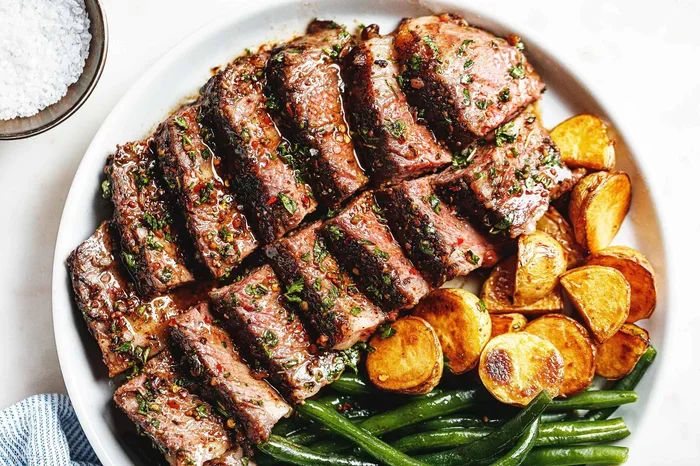
How To Prepare A Steak In The Oven For Perfect Results
Learning how to prepare a steak in the oven is easier than you think. This guide walks you through every step, from choosing the right cut to pulling it off the heat at the perfect moment. You will discover simple techniques that deliver restaurant-quality oven-baked steak right in your own kitchen. Whether you prefer a rare filet or a well-done ribeye, these methods work beautifully.
There is something deeply satisfying about cooking a steak in the oven. The even heat, the gentle roasting, and the beautiful crust you get from a final sear all come together to create a meal that feels truly special. If you have ever wondered how to prepare a steak in the oven and get consistent, mouthwatering results, you are in the right place.
This guide covers everything from picking the perfect cut to pulling your steak off the heat at exactly the right moment. I will walk you through each step in plain, simple language. No fancy culinary degree needed. Just straightforward advice that works every single time. By the end of this article, you will feel confident enough to cook a perfect oven-baked steak for yourself, your family, or guests.
Whether you are a beginner in the kitchen or someone who wants to refine your technique, these methods will take your beef steak recipes to the next level. Let us get started.
Key Takeaways
- Choose the right cut: Thick ribeye, filet mignon, and strip steak work best for oven cooking.
- Use a meat thermometer: This is the single most important tool for perfect steak doneness every time.
- Bring steak to room temperature first: This ensures even cooking from edge to center.
- Sear before baking: A hot cast iron skillet creates a beautiful crust that locks in juices.
- Rest your steak after cooking: Letting it rest for 5-8 minutes keeps the juices inside the meat.
- The reverse sear method works great: Low oven heat followed by a quick sear gives perfect edge-to-edge doneness.
- Season simply but well: Salt, pepper, garlic, and fresh herbs are all you need for incredible flavor.
📑 Table of Contents
- Why Oven-Baked Steak Is a Game Changer
- Choosing the Right Steak Cut
- Essential Equipment and Prep
- The Step-by-Step Oven Steak Method
- Reverse Sear Method for Thick Steaks
- Resting and Serving Your Steak
- Common Mistakes to Avoid
- Pro Tips for Restaurant-Quality Steak at Home
- Pairing Your Oven Steak with the Right Sides
- Storing and Reheating Leftover Steak
- Final Thoughts on How to Prepare a Steak in the Oven
Why Oven-Baked Steak Is a Game Changer
Cooking steak in the oven offers real advantages over other methods. The oven surrounds the meat with gentle, consistent heat. This means you get even cooking from edge to center. There are fewer hot spots to worry about compared to a grill or stovetop.
When you prepare a steak in the oven, you also have more control over the internal temperature. You can set the oven to a precise degree and monitor the meat closely. This is especially helpful when cooking thicker cuts that need time to reach the right steak internal temperature without burning the outside.
The oven also frees up your stovetop for other parts of the meal. While your oven-baked beef roasts quietly inside, you can whip up a sauce, roast vegetables, or make a simple salad. It is a relaxed, hands-off way to cook steak that still delivers incredible flavor.
Choosing the Right Steak Cut
The cut of steak you choose makes a big difference in the final result. Not every steak is equally suited for oven cooking. Some cuts shine when roasted low and slow, while others need a quick, high-heat approach.
Best Steak Cuts for Oven Cooking
Here are the top cuts that work beautifully in the oven:
- Ribeye steak: Rich marbling makes this cut incredibly juicy and flavorful. The fat melts during oven roasting, basting the meat from the inside out.
- Filet mignon: This tender cut cooks evenly and stays moist. It is a great choice if you prefer a leaner steak.
- New York strip: A balanced cut with good marbling and firm texture. It holds up well to oven roasting.
- Porterhouse or T-bone: These thick cuts contain both the tenderloin and strip steak. They are impressive and delicious when oven-baked.
- Chuck eye steak: An affordable option with great beefy flavor. It benefits from slower oven cooking to break down the fibers.
Thickness Matters
When you prepare a steak in the oven, thickness is one of the most important factors. A steak that is at least 1.5 inches thick works best for oven methods. Thinner steaks can dry out quickly in the heat. Thicker steaks give you a wider window to pull them off at the perfect steak doneness level.
If you only have thinner steaks, consider using a higher oven temperature and shorter cooking time. You can also finish them with a quick sear on the stovetop. The key is matching your cooking method to the thickness of the cut.
Essential Equipment and Prep
Before you start cooking, make sure you have the right tools on hand. Proper preparation sets you up for success. Skipping this step is where many people go wrong.
The Meat Thermometer Is Non-Negotiable
A reliable meat thermometer is the most important tool you will use. It takes all the guesswork out of cooking. You will know the exact internal temperature of your steak at every moment. This is how you achieve the perfect level of steak doneness consistently.
Insert the thermometer into the thickest part of the steak, avoiding any bone or fat. Check the temperature a few minutes before you expect the steak to be done. Remember that the temperature will rise a few degrees after you remove the steak from the oven. This is called carryover cooking, and it matters a lot.
Seasoning Your Steak
Keep your steak seasoning simple but effective. Good seasoning enhances the natural flavor of the beef without overpowering it. Here is what works well:
- Kosher salt (about 1 teaspoon per side, applied at least 40 minutes before cooking)
- Freshly ground black pepper
- Garlic powder or fresh minced garlic
- A drizzle of olive oil or avocado oil
- Fresh herbs like rosemary or thyme (optional)
Apply the salt well in advance if possible. This draws out moisture, which then gets reabsorbed into the meat. The result is a deeper, more seasoned steak with a better texture. Just before placing the steak in the oven, brush a thin layer of oil on each side. This helps the steak crust form during searing.
The Step-by-Step Oven Steak Method
Now let us get into the actual process. This is the core of how to prepare a steak in the oven for outstanding results. Follow these steps carefully, and you will notice a big improvement in your steak cooking.
Bringing the Steak to Room Temperature
Take your steak out of the refrigerator 30 to 45 minutes before cooking. This lets it come closer to room temperature. A cold steak placed in a hot oven cooks unevenly. The outside overcooks while the center stays cold.
Pat the steak dry with paper towels before seasoning. Moisture on the surface creates steam instead of a good sear. Dry meat browns better and develops a more flavorful steak crust. This simple step makes a noticeable difference.
Searing Before the Oven
Preheat your oven to the temperature specified in your recipe. While the oven heats up, place a cast iron skillet on the stovetop over high heat. Let it get really hot. A hot pan is essential for a good sear.
Add a small amount of high-smoke-point oil to the skillet. Once the oil shimmers, carefully place the steak in the pan. Sear each side for about 1 to 2 minutes until a deep brown crust forms. Use tongs to hold the steak and sear the edges as well.
This initial sear adds flavor through the Maillard reaction, which is the chemical process that creates complex, savory flavors when protein meets high heat. It also gives your steak that beautiful golden-brown color people love.
Oven Temperature and Timing
Transfer the skillet directly into the preheated oven. Here are recommended temperatures and times for different levels of doneness:
- Rare (120-125°F internal): 180°C (350°F) oven for about 8-10 minutes
- Medium Rare (130-135°F internal): 180°C (350°F) oven for about 10-12 minutes
- Medium (140-145°F internal): 190°C (375°F) oven for about 12-15 minutes
- Medium Well (150-155°F internal): 190°C (375°F) oven for about 15-18 minutes
- Well Done (160°F+ internal): 200°C (400°F) oven for about 18-22 minutes
These times are approximate. Always rely on your meat thermometer for accuracy. Every oven is different, and every steak has a different starting temperature. The thermometer takes the uncertainty out of the equation.
Checking Doneness
Start checking the internal temperature 3 to 5 minutes before the estimated time is up. Insert the thermometer horizontally into the center of the steak. Compare the reading to the target temperatures listed above.
Remember that the temperature will rise 3 to 5 degrees after you remove the steak from the oven. This carryover cooking effect is important to account for. If you want a medium-rare steak, pull it off when it reads 125-130°F. It will reach 130-135°F while resting.
Reverse Sear Method for Thick Steaks
The reverse sear is a fantastic technique for thick cut steak. Instead of searing first and then baking, you reverse the order. You start with a low oven temperature and finish with a hot sear on the stovetop.
Here is how it works. Preheat your oven to 120°C (250°F). Place the seasoned steak on a wire rack set over a baking sheet. This allows air to circulate around the meat evenly. Roast until the internal temperature is about 10-15 degrees below your target doneness.
Then, remove the steak and heat a cast iron skillet until it is smoking hot. Sear each side for 45 to 60 seconds. The result is a steak with a perfect steak crust and even steak doneness from edge to edge. This method gives you incredible control and is worth trying at least once.
The reverse sear works especially well for steaks that are 2 inches thick or more. It prevents the gray band of overcooked meat that sometimes appears just below the crust in traditional oven methods.
Resting and Serving Your Steak
Resting your steak after cooking is not optional. It is a critical step that many people skip. When you remove the steak from the heat, the juices inside are under pressure. Cutting into it immediately causes those precious steak juices to run out onto the cutting board.
Place the steak on a warm plate or cutting board and let it rest for 5 to 8 minutes. Tent it loosely with aluminum foil if you like. During this time, the juices redistribute throughout the meat. The internal temperature stabilizes, and the steak becomes more tender and flavorful.
After resting, slice against the grain for maximum tenderness. Serve immediately with your favorite sides. A simple salad, roasted potatoes, or grilled vegetables pair wonderfully with a perfectly oven-baked steak.
Common Mistakes to Avoid
Even experienced cooks make errors when preparing a steak in the oven. Here are the most common mistakes and how to avoid them:
- Skipping the room temperature step: A cold steak cooks unevenly. Always let it sit out for at least 30 minutes before cooking.
- Not using a meat thermometer: Guessing doneness leads to overcooked or undercooked steak. A thermometer removes all doubt.
- Overcrowding the pan: If you are cooking more than one steak, make sure there is space between them. Crowding creates steam and prevents a good sear.
- Cutting too soon: Resist the urge to slice into the steak right away. Give it the full resting time.
- Using the wrong oil: Olive oil has a low smoke point and can burn in a hot skillet. Use avocado oil, canola oil, or vegetable oil instead.
- Opening the oven door too often: Every time you open the door, heat escapes. Check the steak as infrequently as possible.
- Seasoning too late: Salt needs time to penetrate the meat. Apply it at least 40 minutes before cooking, or right before you sear.
Pro Tips for Restaurant-Quality Steak at Home
Want to take your oven-baked steak to the next level? These professional tips make a real difference:
- Dry brine overnight: Salt the steak and leave it uncovered in the refrigerator overnight. The salt draws out moisture, which gets reabsorbed, creating a more flavorful and tender steak.
- Use compound butter: Mix softened butter with minced garlic, fresh herbs, and a pinch of salt. Place a pat on top of the rested steak and let it melt over the meat.
- Let the skillet heat up fully: A properly heated cast iron skillet is essential for a great sear. Wait until the oil just starts to smoke before adding the steak.
- Baste during searing: After searing, add butter and garlic to the pan, tilt it slightly, and spoon the hot butter over the steak repeatedly. This adds incredible flavor and a beautiful finish.
- Experiment with wood-fired finishing: After oven cooking, briefly torch the crust with a kitchen torch for a smoky, charred flavor that mimics grilling.
- Slice properly: Always cut against the grain. This shortens the muscle fibers and makes the steak much more tender to chew.
Pairing Your Oven Steak with the Right Sides
A great steak deserves great sides. The right accompaniments round out the meal and add variety in texture and flavor. Here are some excellent pairings for your oven-baked steak:
- Crispy roasted potatoes: Toss baby potatoes in olive oil, garlic, and rosemary. Roast in the oven while your steak rests.
- Grilled asparagus: Quick, healthy, and delicious. A squeeze of lemon brings everything together.
- Garlic butter mushrooms: Sauté mushrooms in butter with garlic and fresh thyme. Serve alongside the steak for a rich, earthy complement.
- Simple green salad: Arugula, lemon vinaigrette, and shaved Parmesan provide a refreshing contrast to the rich steak.
- Creamy mashed potatoes: The classic pairing. Butter, cream, and a touch of garlic make these irresistible.
Storing and Reheating Leftover Steak
If you have leftover steak, store it properly to preserve the quality. Let the steak cool completely, then wrap it tightly in plastic wrap or foil. Place it in an airtight container and refrigerate within two hours. Properly stored, cooked steak lasts 3 to 4 days in the refrigerator.
To reheat, use a low oven temperature (about 120°C or 250°F) and warm the steak slowly. This prevents it from drying out. You can also reheat in a skillet with a little butter over medium-low heat. A few slices of leftover steak also make an excellent addition to salads, sandwiches, or stir-fries the next day.
Final Thoughts on How to Prepare a Steak in the Oven
How to prepare a steak in the oven is a skill that anyone can learn and master. The process is straightforward, forgiving, and produces consistently excellent results. With the right cut, proper seasoning, accurate temperature monitoring, and adequate resting time, you can cook a steak that rivals anything from a fine dining restaurant.
Start with the basics from this guide and build your confidence. Try different cuts, experiment with the reverse sear method, and find the seasoning combinations you enjoy most. Each time you cook, you will refine your technique and develop your own style.
The beauty of oven-baked steak is its simplicity. You do not need fancy equipment or years of experience. A good oven, a cast iron skillet, a meat thermometer, and a quality cut of beef are all you need. So go ahead, fire up your oven, and cook a steak that will impress everyone at the table. Your kitchen is about to become your favorite steakhouse.
Remember, the most important ingredient is practice. Every steak you cook teaches you something new. Enjoy the process, savor the results, and share the experience with people you care about. Happy cooking!
Frequently Asked Questions
What is the best oven temperature for cooking steak?
The best oven temperature depends on the steak thickness and your preferred doneness. For most steaks, 180°C to 190°C (350°F to 375°F) works perfectly. Thicker steaks benefit from lower temperatures around 120°C (250°F) for the reverse sear method. Always use a meat thermometer to check the internal temperature.
How long should I cook a steak in the oven?
Cooking time varies based on steak thickness and desired doneness. A 1.5-inch steak typically takes 10 to 15 minutes at 180°C (350°F). Thicker cuts may need 15 to 22 minutes. The best approach is to monitor the internal temperature with a meat thermometer rather than relying solely on time.
Do I need to sear steak before putting it in the oven?
Searing before oven cooking is highly recommended. It creates a flavorful steak crust through the Maillard reaction and adds color and texture. However, the reverse sear method flips this order, starting with the oven and finishing with a stovetop sear. Both approaches produce excellent results.
What is the reverse sear method for oven steak?
The reverse sear involves cooking the steak in a low-temperature oven first (around 120°C or 250°F) until it reaches about 10-15 degrees below your target internal temperature. Then you sear it in a hot skillet on the stovetop for 45 to 60 seconds per side. This method gives perfect edge-to-edge doneness with a beautiful crust.
How do I know when my steak is done?
The most reliable way is to use a meat thermometer. Insert it into the thickest part of the steak. For rare, aim for 120-125°F. Medium rare is 130-135°F. Medium is 140-145°F. Medium well is 150-155°F. Well done is 160°F and above. Remember that the temperature will rise 3 to 5 degrees during resting.
Can I use a regular baking sheet instead of a cast iron skillet?
You can, but a cast iron skillet is strongly recommended for oven steak. It retains heat exceptionally well, which creates a superior sear before going into the oven. If you use a baking sheet, you will miss out on the crust and depth of flavor that comes from the initial sear. A heavy oven-safe skillet makes a real difference in the final result.
=== CONCLUSION ===
How to prepare a steak in the oven is a straightforward process that rewards patience and attention to detail. By choosing the right cut, seasoning well, using a meat thermometer, and allowing proper resting time, you can achieve outstanding results every single time. The techniques in this guide give you full control over the outcome, from rare and juicy to perfectly medium and beyond.
Start applying these methods in your kitchen today. Each steak you cook will build your skills and confidence. Share your creations with loved ones and enjoy the satisfaction of serving a truly great meal. Your journey to mastering oven-baked steak starts now.