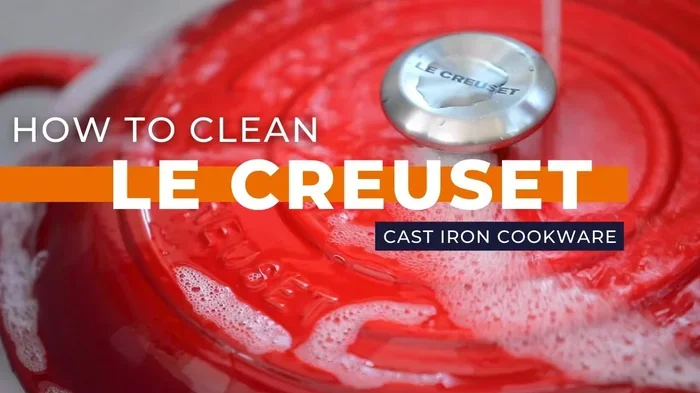
How To Clean Le Creuset Dutch Oven Outside The Right Way
Cleaning the outside of your Le Creuset Dutch oven is easier than you think. With the right techniques, you can remove stains, discoloration, and buildup without damaging the beautiful enamel finish. This guide covers everything from daily care to tackling tough marks.
Your Le Creuset Dutch oven is a kitchen treasure. It cooks beautifully, retains heat like a champ, and looks stunning on your stovetop or table. But here is the thing. The outside of that gorgeous pot can get stained, discolored, and grimy over time. Grease splatters, food residue, and heat marks can dull that famous enamel finish. If you have been wondering how to clean Le Creuset Dutch oven outside properly, you are in the right place.
This guide will walk you through every method, tip, and trick you need. We will cover what causes those ugly marks in the first place. We will share the best cleaning solutions. And we will help you avoid common mistakes that could damage your pot. Whether you have a classic French Onion color or a bold Flame shade, these steps work for every Le Creuset piece. Let us get your Dutch oven looking as good as new.
Key Takeaways
- Baking soda paste is the safest and most effective way to clean Le Creuset enamel on the outside.
- Avoid harsh abrasives like steel wool or bleach, which can damage the enamel coating.
- Daily wiping after use prevents buildup and keeps your Dutch oven looking great for years.
- Heat and oil residue are the top causes of exterior stains on Le Creuset cookware.
- White vinegar and hydrogen peroxide work well for stubborn discoloration.
- Never put a hot Le Creuset Dutch oven in cold water, as this can cause thermal shock.
- Regular maintenance saves time and keeps your investment looking brand new.
📑 Table of Contents
- Why Cleaning the Outside of Your Le Creuset Matters
- What Causes Stains and Discoloration on Le Creuset Dutch Ovens
- Best Methods to Clean Le Creuset Dutch Oven Outside
- Step-by-Step Guide to Cleaning Your Le Creuset Dutch Oven Outside
- Comparison Table: Cleaning Methods at a Glance
- Common Mistakes to Avoid When Cleaning Le Creuset
- Expert Tips for Long-Lasting Shine and Protection
- How Often Should You Deep Clean Your Le Creuset Dutch Oven?
- Conclusion
Why Cleaning the Outside of Your Le Creuset Matters
Some people think the outside of a Dutch oven does not matter as much as the inside. After all, no one sees it when you are cooking, right? Wrong. The exterior of your Le Creuset Dutch oven is just as important. Here is why.
- Aesthetics: Le Creuset pots are an investment. A clean exterior keeps the vibrant color looking fresh and the enamel smooth.
- Longevity: Built-up grime and stains can slowly degrade the enamel coating over time. Regular cleaning protects the surface.
- Performance: A clean exterior absorbs and releases heat evenly. Buildup can interfere with how your pot conducts heat.
- Hygiene: Food residue and grease on the outside can attract bacteria and create unpleasant odors in your kitchen.
- Resale value: If you ever want to sell or pass down your Le Creuset, a well-maintained exterior adds significant value.
Taking care of the outside of your Dutch oven is not just about looks. It is about protecting your investment and getting the best performance from your cookware for years to come.
What Causes Stains and Discoloration on Le Creuset Dutch Ovens
Before you learn how to fix exterior stains, it helps to understand what causes them. Different types of marks need different cleaning approaches. Here are the most common culprits behind a dirty Le Creuset exterior.
Grease and Oil Splatter
When you cook at high heat, oil can splatter onto the outside of the pot. Over time, this creates sticky, greasy patches that cling to the enamel surface. These are usually the easiest stains to remove with regular cleaning.
Food Residue and Burnt Spots
Sauces, soups, and stews can bubble over and leave marks on the exterior. Sugary or tomato-based foods are especially notorious for leaving behind discoloration. These spots can become stubborn if not cleaned promptly.
Heat Discoloration
Le Creuset enamel can change color when exposed to high heat over time. You might notice white, brown, or rainbow-like patches on the outside. This is called heat staining and is very common with enamel cookware.
Mineral Deposits from Water
If you use tap water to clean your Dutch oven, hard water minerals can leave white or cloudy spots on the exterior. These deposits build up slowly and can make your pot look dull.
Scratches from Improper Tools
Using metal utensils or abrasive scrubbers on the outside can scratch the enamel surface. These scratches trap dirt and make future cleaning much harder.
Knowing what type of stain you are dealing with helps you choose the right cleaning method. This is the first step in how to clean Le Creuset Dutch oven outside effectively.
Best Methods to Clean Le Creuset Dutch Oven Outside
Now let us get into the good stuff. Here are the most effective and safe methods for cleaning the exterior of your Le Creuset Dutch oven. Each method targets different types of stains and buildup.
Method 1: Baking Soda Paste (The All-Star Cleaner)
Baking soda is the go-to cleaning hero for enamel cookware. It is gentle, natural, and incredibly effective at lifting stains without scratching the surface.
- Mix three tablespoons of baking soda with a small amount of water to form a thick paste.
- Apply the paste generously to the stained areas on the outside of your Dutch oven.
- Let it sit for 15 to 20 minutes. For tough stains, you can leave it for up to an hour.
- Use a soft, damp sponge to gently scrub in circular motions.
- Rinse thoroughly with warm water and dry with a soft cloth.
This method works wonders on grease, light discoloration, and everyday grime. For best results, use this method once a week as part of your regular Le Creuset maintenance routine.
Method 2: White Vinegar Soak
White vinegar is a natural acid that breaks down mineral deposits and light stains. It is perfect for tackling those cloudy white spots caused by hard water.
- Mix equal parts white vinegar and warm water in a basin or sink.
- Submerge the outside of the Dutch oven (or just the stained areas) in the solution.
- Let it soak for 30 minutes to one hour.
- Scrub gently with a non-abrasive sponge.
- Rinse and dry completely.
For stubborn mineral deposits, you can also spray undiluted vinegar directly onto the stains and let it sit for 10 minutes before scrubbing.
Method 3: Hydrogen Peroxide and Baking Soda Combo
For really tough, set-in stains, this combination packs a powerful punch. Hydrogen peroxide is a natural bleaching agent that lifts discoloration safely from enamel surfaces.
- Create a paste with two tablespoons of baking soda and one tablespoon of hydrogen peroxide (the 3% household version).
- Apply it to the stained areas and let it sit for 30 minutes.
- Scrub gently with a soft sponge.
- Rinse well and wipe dry.
Warning: Never use hydrogen peroxide on colored or painted surfaces other than enamel. Always test on a small, hidden area first.
Method 4: Le Creuset Cleaning Products
Le Creuset sells its own line of cleaning products designed specifically for their enamel cookware. These are safe, effective, and formulated to protect the enamel finish. The Le Creuset Enamel Cleaner is a popular choice among owners.
If you want the easiest route, these dedicated products are worth the investment. They are designed to work with the enamel coating without causing any damage.
Method 5: Cream of Tartar Paste for Heat Stains
Heat discoloration and rainbow marks respond well to cream of tartar. This natural acid is gentle enough for enamel but strong enough to lift stubborn heat stains.
- Mix cream of tartar with a few drops of water to form a paste.
- Apply to the discolored areas and let it sit for 10 to 15 minutes.
- Gently rub with a soft cloth in circular motions.
- Rinse clean and dry thoroughly.
This is one of the best Le Creuset cleaning tips for those rainbow-colored marks that appear after high-heat cooking.
Step-by-Step Guide to Cleaning Your Le Creuset Dutch Oven Outside
Now that you know the methods, here is a simple step-by-step process you can follow every time you clean the outside of your Dutch oven.
Step 1: Let the Pot Cool Down
Never clean a hot Le Creuset Dutch oven. Allow it to cool to room temperature first. Putting a hot pot in cold water can cause thermal shock, which may crack or chip the enamel. This is one of the most important Le Creuset care rules to remember.
Step 2: Remove Loose Debris
Use a soft brush or dry cloth to wipe away any loose food particles or crumbs from the exterior. This prevents scratching when you start the deeper cleaning step.
Step 3: Choose Your Cleaning Method
Based on the type of stain you identified earlier, pick the appropriate method from the list above. For everyday cleaning, the baking soda paste works great. For mineral deposits, go with the vinegar soak. For tough heat stains, try the cream of tartar method.
Step 4: Apply and Let It Work
Apply your chosen cleaning solution to the stained areas. Let it sit for the recommended time. This dwell time is crucial. It allows the cleaning agent to break down the grime and stains before you start scrubbing.
Step 5: Scrub Gently
Use a soft sponge or microfiber cloth. Never use steel wool, abrasive pads, or rough scrub brushes. These will scratch the enamel surface and make future stains worse. Work in gentle circular motions, focusing on the most stubborn spots.
Step 6: Rinse Thoroughly
Rinse the entire exterior with warm water. Make sure to remove all traces of your cleaning solution. Residual baking soda or vinegar can leave a film on the enamel if not rinsed properly.
Step 7: Dry Completely
Use a clean, soft towel to dry the pot immediately. Leaving water to air-dry on enamel can cause new mineral deposits and water spots. A thorough drying also prevents any moisture from seeping into the rim or lid area.
Follow these steps consistently, and your Le Creuset Dutch oven outside will stay looking beautiful for decades.
Comparison Table: Cleaning Methods at a Glance
| Method | Best For | Effort Level | Time Needed |
|---|---|---|---|
| Baking Soda Paste | Everyday grease and grime | Easy | 15-20 minutes |
| White Vinegar Soak | Mineral deposits and cloudiness | Very Easy | 30-60 minutes |
| Hydrogen Peroxide + Baking Soda | Stubborn, set-in stains | Medium | 30 minutes |
| Le Creuset Enamel Cleaner | All-around maintenance | Very Easy | 10-15 minutes |
| Cream of Tartar Paste | Heat discoloration and rainbow marks | Easy | 10-15 minutes |
Each method is safe for Le Creuset enamel. Choose based on the type of stain and how much time you have. For routine cleaning, the baking soda paste is your best bet. Save the stronger methods for when you need them.
Common Mistakes to Avoid When Cleaning Le Creuset
Even with the best intentions, some cleaning habits can damage your Dutch oven. Here are the mistakes most people make when cleaning the outside of their Le Creuset cookware.
Using Abrasive Cleaners or Scrubbers
Steel wool, rough scouring pads, and harsh chemical cleaners are the enemies of enamel. They scratch and dull the surface, making it more vulnerable to future staining. Always stick to soft sponges and gentle cleaning agents.
Soaking in Hot Water
Hot water can actually set stains deeper into the enamel. Always use warm or lukewarm water for cleaning. Cold water on a warm pot is equally dangerous because of thermal shock.
Using Bleach or Chlorine-Based Cleaners
Bleach can permanently damage the enamel coating on Le Creuset cookware. It can cause discoloration, pitting, and even weaken the structural integrity of the pot. Never use bleach on the inside or outside of your Dutch oven.
Ignoring Stains Until They Set In
The longer a stain sits, the harder it becomes to remove. Wipe down the outside of your Dutch oven after every use. A quick wipe prevents buildup and saves you from heavy cleaning sessions later.
Using the Dishwasher
While Le Creuset claims some pieces are dishwasher-safe, hand washing is always the best choice for preserving the exterior finish. Dishwasher detergents are harsh and can dull the enamel over time. The high heat and strong water pressure can also cause damage.
Storing the Pot Damp
Never store your Le Creuset Dutch oven while it is still wet or damp. Moisture trapped in the lid or between the pot and its storage spot can lead to mold, mildew, and mineral deposits on the enamel surface.
Avoiding these mistakes will keep your Dutch oven in excellent condition. Proper care makes all the difference in how long your Le Creuset looks and performs its best.
Expert Tips for Long-Lasting Shine and Protection
Want to go beyond just cleaning? Here are some expert-level tips to keep your Le Creuset Dutch oven looking amazing and performing well for years.
Season the Exterior Occasionally
While you do not need to season the outside like cast iron, a light wipe of food-safe mineral oil after cleaning can add a subtle protective layer. This helps repel grease and makes future cleaning easier.
Cook on Medium to Low Heat
High heat is the number one cause of exterior discoloration on Le Creuset Dutch ovens. Cooking on medium or low heat reduces heat staining and also saves energy. Your food cooks more evenly too.
Use a Diffuser on Glass or Ceramic Cooktops
If you have glass or ceramic stovetops, always use a diffuser. Direct contact between the heavy cast iron and the glass surface can cause scratches that transfer to the pot’s exterior. A diffuser also distributes heat more evenly.
Clean Immediately After Cooking
The best time to clean your Dutch oven is right after you finish cooking. Letting food cool and dry on the enamel makes stains much harder to remove. A quick rinse and wipe while the pot is still warm (but not hot) works wonders.
Store with the Lid Off
When storing your Le Creuset, leave the lid slightly ajar or remove it entirely. This allows air circulation and prevents moisture from getting trapped. It also keeps any odors from being locked inside the pot.
Handle With Care During Cooking
Use wooden or silicone utensils when cooking inside your Dutch oven. Metal utensils can scratch the interior, and those scratches can sometimes show on the exterior near the rim. Treat your pot gently, and it will reward you with years of reliable service.
These tips are simple but powerful. They take just a few extra seconds and pay off big time in the long run. Consistent care is the secret to keeping your Le Creuset Dutch oven outside looking pristine.
How Often Should You Deep Clean Your Le Creuset Dutch Oven?
For everyday use, a quick wipe after each cooking session is enough to keep the exterior clean. However, a deeper clean should happen every two to four weeks, depending on how often you cook. If you cook frequently with tomato-based sauces or high-heat recipes, you may need to deep clean more often.
A good rule of thumb is to inspect the outside of your Dutch oven after each wash. If you notice any dullness, discoloration, or sticky residue, it is time for a deeper cleaning session. Staying on top of it prevents stains from becoming permanent.
Conclusion
Learning how to clean Le Creuset Dutch oven outside the right way does not have to be complicated. With the right methods and a little consistency, you can keep your Dutch oven looking beautiful and performing at its best. Whether you prefer the simplicity of baking soda paste, the natural power of vinegar, or the convenience of Le Creuset’s own cleaning products, there is a method that fits your needs.
Remember to always let the pot cool before cleaning. Use gentle tools and avoid harsh chemicals. Wipe down the exterior after every use, and do a deeper clean regularly. These small habits add up to a lifetime of stunning, well-maintained cookware.
Your Le Creuset Dutch oven is more than just a pot. It is a kitchen companion that deserves proper care. Treat it well, and it will serve you beautifully for many years to come. Start applying these tips today, and you will notice the difference the next time you pull that gorgeous pot out of the cabinet.
Frequently Asked Questions
Can I use oven cleaner on the outside of my Le Creuset Dutch oven?
No, you should never use oven cleaner on Le Creuset enamel. Oven cleaners contain harsh chemicals that can damage, discolor, or strip the enamel coating. Stick to gentle, enamel-safe cleaning methods like baking soda paste or white vinegar instead.
Will the cleaning methods remove the Le Creuset logo from the outside?
No, none of the methods described in this guide will remove the Le Creuset logo or branding. The logo is part of the enamel finish and is designed to withstand regular cleaning. Just avoid abrasive scrubbers directly on the logo area to be safe.
How do I remove rainbow-colored heat stains from the outside of my Le Creuset?
Rainbow heat stains respond well to a cream of tartar paste or a dedicated enamel cleaner. Apply the paste to the stained areas, let it sit for 10 to 15 minutes, and gently scrub with a soft sponge. You may need to repeat the process for stubborn marks, but they will come off with patience.
Is it safe to use lemon juice to clean the outside of my Le Creuset Dutch oven?
Yes, lemon juice is a natural acid that can help lift light stains and discoloration from enamel surfaces. However, it is less effective than vinegar or baking soda for tougher stains. Use it as a mild alternative, but avoid leaving lemon juice on the surface for too long, as the citric acid can be slightly irritating to enamel if left for hours.
Can I clean my Le Creuset Dutch oven outside in the dishwasher?
While some Le Creuset pieces are labeled as dishwasher-safe, hand washing is always recommended for the best exterior care. Dishwasher detergents are harsh and can dull the enamel over time. Plus, the high heat and pressure inside a dishwasher can cause damage that shortens the lifespan of your pot.
What is the best way to maintain the exterior shine of my Le Creuset Dutch oven?
The best way to maintain shine is to clean the exterior after every use with warm water and a soft sponge. For extra shine, dry the pot with a microfiber cloth and apply a thin layer of food-safe mineral oil occasionally. Avoid high heat when cooking, as it is the primary cause of dullness and discoloration on the enamel surface.