How To Brew Thick Coffee That Tastes Incredibly Rich
Brewing thick coffee at home is simpler than most people think. This guide covers everything from selecting the right beans to mastering the perfect coffee ratio. You will learn proven methods to make rich, bold coffee that feels full-bodied and satisfying every single time.
There is something deeply satisfying about a cup of coffee that feels thick, bold, and full of flavor. Unlike a thin, watery brew that leaves you wanting more, a rich cup of coffee warms you from the inside out. How To Brew Thick Coffee is a skill that every coffee lover can master with a little know-how. The good news is that you do not need expensive equipment or years of experience. With the right beans, the right ratio, and the right method, you can create a heavy-bodied, creamy cup of coffee in your own kitchen.
This guide breaks down everything you need to know about making thick coffee at home. We will cover the science behind coffee density, the best beans to use, and the brewing methods that produce the richest results. Whether you prefer a French press, a moka pot, or cold brew concentrate, you will find practical advice here. Let us dive in and explore the world of bold, rich coffee brewing.
Key Takeaways
- Use the right coffee-to-water ratio: A higher ratio of grounds to water creates a thicker, more intense brew.
- Choose dark roast beans: Dark roasts produce a bolder, heavier-bodied cup with deeper flavor.
- Try the French press method: It extracts more oils and solids, giving you naturally thick coffee.
- Experiment with the moka pot: This stovetop brewer makes espresso-style coffee that is rich and concentrated.
- Avoid common mistakes: Using too fine a grind or boiling water can ruin the flavor and texture of your brew.
- Store beans properly: Fresh, well-stored beans give you the best flavor and extraction for thick coffee.
📑 Table of Contents
What Makes Coffee Thick?
Understanding what gives coffee its thick, rich texture is the first step toward brewing a better cup. Thick coffee has a heavier mouthfeel and a more intense flavor compared to regular drip coffee. This comes from a higher concentration of dissolved solids, oils, and flavor compounds extracted from the grounds.
Understanding Coffee Density
Coffee density refers to the weight and texture of the liquid in your cup. When coffee is thick, it means more compounds have been pulled from the grounds during brewing. These compounds include oils, melanoidins, and soluble fibers that give coffee its body and richness.
The density of your brew depends on several factors working together. The coffee-to-water ratio is the biggest one. More grounds relative to water means more extracted material ends up in your mug. The grind size also matters a great deal. Finer grounds release more flavor compounds during brewing, which increases the overall density of the final cup. Water temperature plays a role too. Hotter water extracts more compounds, but water that is boiling can burn the grounds and create bitter flavors that ruin the experience.
The brewing time is another important factor. Longer contact between water and grounds allows more extraction. This is why methods like the French press produce thicker coffee than quick drip machines. The longer the grounds stay in contact with hot water, the more oils and solids make their way into your cup.
The Role of Coffee-to-Water Ratio
The coffee-to-water ratio is the single most important factor in brewing thick coffee. A standard ratio uses about two tablespoons of grounds per six ounces of water. But if you want a noticeably thicker brew, you need to increase the amount of coffee grounds relative to the water.
Try using three tablespoons of grounds per six ounces of water for a richer, more intense cup. This higher ratio means more coffee solids end up in your mug. The result is a bolder, more full-bodied drink that coats your tongue and leaves a satisfying aftertaste. Many professional baristas use a ratio of 1:15 or even 1:12 for thick, concentrated coffee. Experiment with different ratios until you find the perfect balance for your personal taste.
A good starting point for beginners is the 1:15 ratio. This gives you a rich cup without overwhelming bitterness. From there, you can adjust by adding more grounds for thickness or more water to mellow things out. Keep track of what works best for you so you can repeat your perfect cup every time.
Best Coffee Beans for Thick Brews
Not all coffee beans are created equal when it comes to brewing thick coffee. The type of bean, the roast level, and the origin all play a role in the final cup. Choosing the right beans is one of the easiest ways to improve the thickness and richness of your brew.
Dark Roast vs Medium Roast
When it comes to making thick coffee, the roast level matters a lot. Dark roast beans are the go-to choice for most coffee lovers who want a bold, rich cup. Dark roasts have been roasted longer, which breaks down more of the bean’s cellular structure. This allows more flavor compounds to extract during brewing, resulting in a heavier, more intense cup.
The result is a heavy-bodied coffee with deep, smoky notes and a lingering finish. Dark roasts also have less acidity than medium roasts, which gives them a smoother, thicker feel in your mouth. If you are new to thick coffee, start with a dark roast and adjust from there. Medium roasts can also work well, but they tend to produce a lighter, more balanced cup that may not feel as thick or bold.
Some popular dark roast brands include French roast, Italian roast, and espresso roast. Look for beans that are labeled “dark roast” or “full city roast” for the best results. Freshness matters too. Always check the roast date and buy beans that were roasted within the last two to four weeks for the richest flavor.
Single-Origin vs Blends
Single-origin beans come from one specific region or farm. They often have unique flavor profiles that reflect their growing conditions, soil, and climate. Blends combine beans from multiple origins to create a balanced and consistent flavor. Both can work for thick coffee, but they offer different experiences.
Single-origin beans tend to have more distinct and pronounced flavors. You might taste notes of chocolate, fruit, or nuts depending on where the beans were grown. These unique characteristics can make your thick coffee more interesting and complex. Blends, on the other hand, are designed for consistency and depth. Many coffee shops use blends specifically formulated for espresso-style brewing because they produce a reliable, rich cup every time.
If you want a dependable, bold cup of thick coffee, a quality blend is a great choice. If you enjoy exploring different flavor notes, try single-origin beans from regions like Sumatra, Ethiopia, or Brazil. Each region produces beans with unique characteristics that can make your thick coffee experience more exciting.
Brewing Methods for Thick Coffee
The method you choose has a huge impact on the thickness and flavor of your coffee. Some brewing methods naturally produce thicker coffee because they extract more oils and solids from the grounds. Here are the three best methods for brewing thick coffee at home.
French Press Method
The French press is one of the best tools for brewing thick coffee at home. This simple device uses immersion brewing, which means the grounds steep directly in hot water. Because the grounds stay in contact with the water for a longer time, more oils and solids are extracted into the cup.
To use a French press for thick coffee, start by adding coarsely ground beans to the press. Pour hot water over the grounds and let them steep for about four minutes. Press the plunger down slowly and pour your coffee. The result is a rich, full-bodied cup with a natural creaminess that feels luxurious on your palate. The French press also lets you control the strength by adjusting the steeping time and the amount of grounds you use.
One of the great things about the French press is its simplicity. There are no paper filters to remove the natural oils. This means more of the coffee’s natural fats and solids stay in your cup, contributing to that thick, satisfying texture. Clean your French press regularly to prevent old coffee oils from building up and affecting the flavor of your next brew.
Moka Pot Method
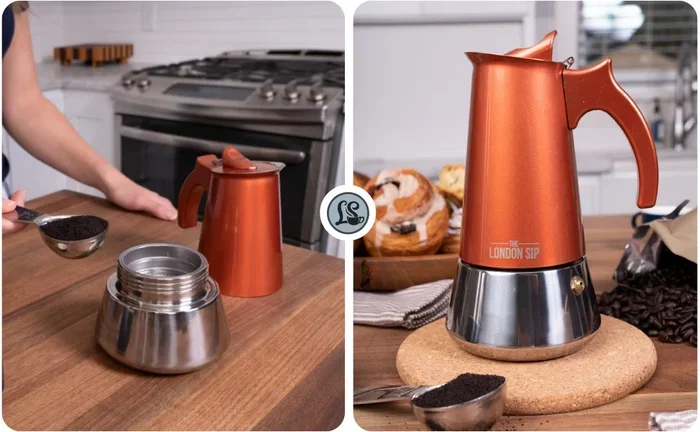
The moka pot is a stovetop coffee maker that produces a strong, espresso-style brew. It uses steam pressure to push water through a bed of coffee grounds. This method extracts a lot of flavor and creates a thick, concentrated cup that rivals espresso in intensity.
To brew with a moka pot, fill the bottom chamber with water and add finely ground coffee to the filter basket. Heat the pot on the stove and wait for the coffee to rise into the top chamber. The brewing process takes about five minutes. The resulting coffee is bold, intense, and much thicker than standard drip coffee. Many people love moka pot coffee because it has a rich, velvety texture that feels almost like a café espresso.
Moka pots are affordable and durable, making them a great option for anyone who wants to brew thick coffee without investing in an expensive espresso machine. Use a medium-fine grind for the best results. Too coarse and the water passes through too quickly. Too fine and the coffee can become clogged and bitter. Experiment with grind size to find the sweet spot for your moka pot.
Cold Brew Concentrate
Cold brew is another excellent method for making thick coffee. Instead of using hot water, cold brew uses room-temperature or cold water to extract flavor over a long period. This slow extraction process pulls out more of the coffee’s natural oils and sweetness, creating a smooth and rich concentrate.
To make cold brew concentrate, combine coarse coffee grounds with water in a jar or pitcher. Use a ratio of about 1:4 for a very thick concentrate. Let the mixture sit in the refrigerator for 12 to 24 hours. After steeping, strain the grounds out using a fine mesh filter or cheesecloth. The result is a concentrated coffee extract that is thick, smooth, and incredibly rich.
You can dilute the concentrate with water or milk to your preferred strength. Cold brew concentrate also keeps well in the fridge for up to two weeks, so you can make a batch and enjoy thick coffee all week long. Many people find that cold brew is naturally sweeter and less acidic than hot-brewed coffee, making it a great option for those who want a smooth, thick cup without bitterness.
Tips for the Perfect Thick Brew
Now that you know the methods, here are some practical tips that will help you brew the perfect thick coffee every time. These small adjustments can make a big difference in the taste and texture of your cup.
Use Freshly Ground Beans
Pre-ground coffee loses flavor quickly because the grounds are exposed to air. For the best thick coffee, grind your beans just before brewing. Freshly ground coffee has more aromatic oils and flavor compounds that contribute to a thicker, richer cup. The difference in taste between freshly ground and pre-ground coffee is remarkable.
Invest in a good burr grinder if you can. Burr grinders produce a more consistent grind size than blade grinders. Consistent grounds extract more evenly, which leads to a better-tasting brew. If you do not have a grinder, buy whole beans and ask your local coffee shop to grind them for you. Try to grind only what you need for each brew to get the freshest possible flavor.
Control Your Water Temperature
Water temperature has a huge impact on coffee extraction. The ideal temperature for brewing thick coffee is between 195 and 205 degrees Fahrenheit. Water that is too hot will over-extract the grounds, creating a bitter taste. Water that is too cool will under-extract, resulting in a thin, weak brew that lacks body and richness.
If you do not have a thermometer, bring your water to a boil and then let it sit for about 30 seconds. This brings it down to the ideal range for optimal extraction. Pour the water slowly and evenly over the grounds to ensure all the coffee is saturated. Uneven pouring leads to uneven extraction, which can make your coffee taste inconsistent from sip to sip.
Extend the Brewing Time
Longer brewing times extract more flavor compounds from the coffee grounds. This is exactly why methods like the French press and cold brew produce thicker coffee. If you are using a pour-over method, try slowing down your pour. Let the water and grounds interact for a longer period to maximize extraction.
For French press coffee, try steeping for five minutes instead of four. For moka pot coffee, use a lower heat setting to slow the extraction process. These small changes can make a noticeable difference in the thickness and flavor of your cup. Just be careful not to over-extract, which can introduce unpleasant bitter notes. Find the balance that works best for your taste preferences.
Try Adding a Pinch of Salt
This might sound strange, but a tiny pinch of salt can improve the flavor of thick coffee. Salt neutralizes bitterness and enhances the natural sweetness of the beans. Add just a pinch to your grounds before brewing. You will not taste the salt, but your coffee will taste smoother, richer, and more balanced.
This trick is especially helpful if you are using a darker roast that tends to be more bitter. The salt softens the harsh edges and brings out the deeper, sweeter notes in the coffee. It is a simple trick that many professional baristas use to perfect their brews. Give it a try and see if it makes a difference in your cup.
Common Mistakes to Avoid When Brewing Thick Coffee
Even with the best beans and the right method, mistakes can ruin your thick coffee. Here are the most common errors and how to avoid them.
Using Too Fine a Grind
A very fine grind can clog your filter and cause over-extraction. This makes the coffee taste bitter and harsh, which defeats the purpose of trying to make a rich, enjoyable cup. For thick coffee, use a medium to coarse grind size. This allows water to flow through the grounds at the right speed and extracts flavor without pulling out bitter compounds.
Different methods require different grind sizes. French press needs a coarse grind, moka pot needs a medium-fine grind, and cold brew needs a coarse grind. Using the wrong grind size for your method is one of the fastest ways to end up with a bad cup of coffee. Invest a few minutes in getting the grind right and your coffee will thank you.
Using Boiling Water
Many people assume that boiling water is best for brewing coffee. In reality, boiling water is too hot and can scorch the grounds. This creates a burnt, bitter taste that masks the natural flavors of the beans. Always let your water cool slightly before pouring it over the grounds. The extra 30 seconds of waiting can transform your coffee from harsh to smooth and rich.
Skipping the Clean Equipment
Old coffee oils and residue build up in your coffee maker, French press, and grinder over time. This stale oil can make your fresh coffee taste rancid or off. Clean your equipment regularly with warm water and mild soap. For a deep clean, run a mixture of vinegar and water through your coffee maker once a month. Clean equipment means better-tasting coffee every single time.
Using Stale Beans
Coffee beans start to lose their freshness within two to four weeks of roasting. Old beans produce flat, weak coffee that lacks the bold flavor and thick texture you are looking for. Always check the roast date on your bag of beans. Buy in small quantities and store them in an airtight container away from light and heat. Fresh beans are the foundation of a great cup of thick coffee.
Coffee Pairings and Recipes
Thick coffee pairs wonderfully with sweet treats and hearty breakfast dishes. The bold flavor of rich coffee complements desserts and savory foods alike. Here are some ideas for pairing your thick coffee with delicious recipes.
If you love coffee-flavored desserts, try pairing your thick morning brew with a slice of rich chocolate cake. Our How To Bake Cheesecake In The Oven guide offers a decadent dessert that pairs beautifully with a bold cup of thick coffee. The creamy texture of cheesecake balances the intensity of a strong brew perfectly.
For a fun weekend treat, thick coffee also makes a great companion for s’mores. Check out our How To Make Smores At Home Without Oven guide for a creative twist on a classic favorite. The sweetness of melted chocolate and marshmallow pairs wonderfully with the deep, bold flavor of a thick cup of coffee.
On busy weekday mornings, pair your thick brew with a hearty breakfast dish. A warm, cheesy pasta like How To Make Oven Baked Macaroni And Cheese makes a satisfying combo with a rich, bold cup of coffee. The creamy, savory flavors of the dish complement the intensity of thick coffee for a complete breakfast experience.
Conclusion
How To Brew Thick Coffee is a rewarding skill that anyone can learn with a little practice. The key is to start with quality beans, use the right coffee-to-water ratio, and choose a brewing method that extracts the most flavor and body. Whether you prefer the simplicity of a French press, the intensity of a moka pot, or the smoothness of cold brew concentrate, there is a method that will work for you.
Remember to experiment with different ratios, grind sizes, and brewing times until you find your perfect cup. Thick coffee is all about personal preference, so do not be afraid to try new things and adjust your process along the way. With a little patience and attention to detail, you will be making rich, bold, incredibly satisfying coffee at home every single morning. Your taste buds will thank you.
Frequently Asked Questions
Can I Use Instant Coffee to Make Thick Coffee?
Instant coffee can work in a pinch, but it will not produce the same thick, rich texture as freshly ground beans. Instant coffee has fewer extracted oils and solids, which means a thinner mouthfeel. If you want truly thick coffee, it is best to use whole beans and grind them yourself before brewing.
What Is the Best Grind Size for Thick Coffee?
A medium to coarse grind works best for most thick coffee methods. A coarse grind is ideal for French press brewing, while a medium-fine grind works well for moka pots. Avoid using a very fine grind, as it can cause over-extraction and make the coffee taste bitter. Consistent grind size is key to a balanced, thick brew.
How Long Should I Brew Thick Coffee?
Brewing time depends on the method you use. French press coffee should steep for about four to five minutes. Moka pot coffee takes roughly five minutes on the stove. Cold brew concentrate needs 12 to 24 hours of steeping. Longer brewing times generally extract more flavor, which contributes to a thicker cup.
Can I Make Thick Coffee Without a Special Brewer?
Yes, you can make thick coffee using a simple drip coffee maker by adjusting the ratio. Use more grounds than you normally would and reduce the amount of water. You can also steep ground coffee in hot water like a French press using just a mug and a strainer. The key is to use a higher coffee-to-water ratio for a thicker result.
Is Thick Coffee the Same as Espresso?
Thick coffee and espresso share some similarities, but they are not the same. Espresso is made under high pressure, which creates a very concentrated shot with crema on top. Thick coffee made with a French press or moka pot has a rich, heavy body but does not have the same pressure-driven extraction. Both are bold and satisfying in their own way.
How Should I Store My Coffee Beans?
Store your coffee beans in an airtight container at room temperature. Keep them away from direct sunlight, heat, and moisture. Do not store beans in the refrigerator, as they can absorb odors from other foods. For the freshest flavor and the best thick brew, buy beans in small quantities and use them within two to four weeks of the roast date.