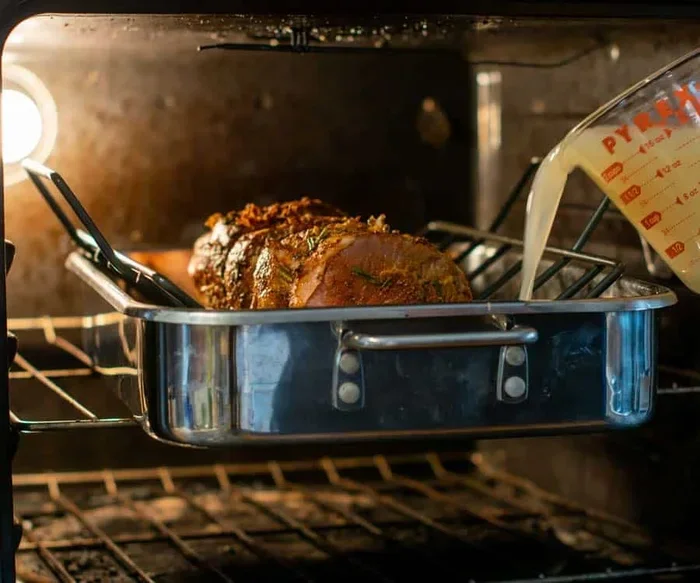
Can You Put A Roasting Pan In The Oven And Why It Matters
Yes, you can put a roasting pan in the oven, but it depends on the material and temperature limits. Most roasting pans made from stainless steel, cast iron, or ceramic are designed to handle high heat safely. However, using the wrong material or exceeding temperature limits can damage your pan or create safety risks in the kitchen.
So, you want to roast a chicken or bake a nice cut of roast beef, and you are standing in your kitchen staring at your roasting pan. The question is simple: can you put a roasting pan in the oven? The answer is yes, but there is a lot more to it than just a simple yes or no.
Can You Put A Roasting Pan In The Oven is a question many home cooks ask every day. It matters because using the wrong pan can ruin your food, damage your cookware, or even create a safety hazard in your kitchen. In this guide, we will walk you through everything you need to know. We will cover materials, temperatures, safety tips, and common mistakes. By the end, you will feel confident every time you preheat your oven and reach for your roasting pan.
A roasting pan is one of the most useful tools in any kitchen. Whether you are cooking for a holiday dinner or a simple weeknight meal, the right pan makes all the difference. But not all pans are created equal. Some are built to handle extreme heat, while others are not. Understanding the basics will save you time, money, and frustration in the long run.
Let us dive in and explore everything about using a roasting pan in the oven. We will keep it simple, practical, and easy to follow. No confusing jargon, no fluff. Just clear, helpful advice you can use right away.
Key Takeaways
- Most roasting pans are oven-safe: Stainless steel, cast iron, and ceramic pans handle typical oven temperatures with ease.
- Always check the manufacturer label: Look for oven-safe markings on the bottom of the pan before using it in a hot oven.
- Temperature limits vary by material: Stainless steel and cast iron handle up to 500°F, while glass dishes usually max out at 425-450°F.
- Avoid thermal shock at all costs: Never place a cold pan directly into a hot oven or run cold water over a hot pan.
- Use oven mitts for handle safety: Roasting pan handles get extremely hot and can cause serious burns if handled bare-handed.
- Line your pan for easy cleanup: A layer of aluminum foil or parchment paper catches drips and saves you scrubbing time.
- Grease management matters: Use a drip tray or foil lining to prevent grease fires and keep your oven clean.
📑 Table of Contents
- What Is a Roasting Pan and Why Do People Use One?
- Can You Put A Roasting Pan In The Oven?
- Types of Roasting Pans That Are Oven Safe
- Temperature Guidelines and Safety Rules
- Common Mistakes People Make With Roasting Pans
- Tips for Getting the Best Results Every Time
- Final Thoughts on Using a Roasting Pan in the Oven
What Is a Roasting Pan and Why Do People Use One?
A roasting pan is a deep, wide cooking vessel designed for oven use. It is usually made from metal, ceramic, or glass. People use roasting pans to cook large cuts of meat, whole poultry, and vegetables. The shape and depth allow hot air to circulate around the food evenly, which is the key to great cooking results.
Most roasting pans come with a rack. This rack lifts the food off the bottom of the pan, allowing grease and drippings to fall into the space below. This is especially helpful when you are cooking roast beef or working on a chicken roasting recipe. The rack promotes even browning and gives you crispier skin on poultry.
Some people also use roasting pans for baking. You can bake casseroles, lasagnas, and even large loaves of bread in a deep roasting pan. The versatility is one reason these pans are so popular in kitchens everywhere. They are not just for roasting meat anymore. A good roasting pan can handle many cooking tasks with ease.
The key thing to remember is that a roasting pan is built for oven use. But “oven use” does not mean every pan can handle every temperature. That is where material type and safety guidelines come into play. Knowing your pan is the first step to using it safely.
Can You Put A Roasting Pan In The Oven?
The Short Answer
Can You Put A Roasting Pan In The Oven and use it safely? Yes, in most cases. The vast majority of roasting pans are designed to go in the oven. They are made from oven-safe materials that can withstand high temperatures. However, the answer comes with an important caveat: it depends on the specific pan you own.
Not all roasting pans are the same. A cheap disposable pan from the dollar store may not handle high heat well. A heavy-duty stainless steel pan from a reputable brand will likely handle temperatures up to 500°F or more. Always check the bottom of your pan for markings or instructions before placing it in a hot oven.
If you bought your pan new, the box or manual should tell you the maximum safe temperature. If you inherited it or bought it secondhand, look for any stamps or engravings on the pan itself. These markings usually say something like “oven-safe up to 500°F” or “not for use under broiler.” Taking five seconds to check can save you from a lot of trouble later.
Why It Matters
Knowing whether your pan is oven-safe is not just about cooking success. It is about safety too. A pan that is not designed for oven use can warp, crack, or even release harmful chemicals when heated. This is especially true for pans with non-stick coatings that are not rated for high temperatures. Using the wrong pan can ruin your meal and your cookware at the same time.
Using an oven-safe roasting pan ensures your food cooks evenly and safely. It also prevents accidents in the kitchen. A warped pan can tip over on the oven rack, spilling hot grease and food. That is a mess nobody wants to clean up, and it can also cause burns or fires.
So before you place any pan in a hot oven, take five seconds to check. Look for the oven-safe symbol or label. This small habit can save you from big problems down the road. It is one of the simplest and smartest things you can do as a home cook.
Types of Roasting Pans That Are Oven Safe
Not all roasting pans are made the same. Different materials offer different benefits and drawbacks. Let us break down the most common types you will find in kitchens today so you can make the best choice for your cooking needs.
Stainless Steel Roasting Pans
Stainless steel is one of the most popular materials for roasting pans. It is durable, long-lasting, and naturally oven-safe. Most stainless steel pans can handle temperatures up to 500°F or higher. They do not warp easily and distribute heat well across the cooking surface.
One downside of stainless steel is that food can stick if you are not careful. But this is easy to manage with a little oil or cooking spray before you add your ingredients. Many stainless steel pans also come with a drip tray that slides underneath to catch grease and drippings. This makes cleanup much easier after a long cooking session.
If you are looking for a reliable everyday pan that handles roasting, baking, and even broiling in most cases, stainless steel is a great choice. It is a workhorse material that performs well in many different cooking situations.
Cast Iron Roasting Pans
Cast iron pans are legendary for their heat retention. They hold heat incredibly well, which makes them perfect for slow roasting at low cooking temperatures. A cast iron roasting pan can handle temperatures well above 500°F. Some people even use cast iron pans under the broiler without any issues.
The downside is weight. Cast iron pans are heavy. They can be tough to move in and out of the oven, especially when they are full of hot food. Always use thick oven mitts when handling a hot cast iron pan. The handles also get very hot, so keep that in mind every single time.
Cast iron requires a bit more care than other materials. You should avoid soaking it in water for long periods, as this can cause rust. But if you take care of it, a cast iron pan can last a lifetime and even be passed down to the next generation.
Glass and Ceramic Bakeware
Glass and ceramic dishes are also common choices for oven cooking. They heat up slowly and evenly, which is great for casseroles and baked dishes. Brands like Pyrex make heat resistant glass dishes that work well in the oven for many years.
However, glass and ceramic are more fragile than metal. They can crack or shatter if you expose them to sudden temperature changes. This is called thermal shock, and it is something you definitely want to avoid. We will talk more about thermal shock in the safety section below.
Most glass and ceramic dishes are safe up to about 425-450°F. Always check the manufacturer’s guidelines before using them at higher temperatures. When in doubt, stick to lower temperatures to protect your bakeware.
Disposable Aluminum Pans
Disposable aluminum pans are a convenient option for large gatherings and potlucks. They are lightweight, inexpensive, and easy to throw away after use. Most disposable pans are safe for oven use up to about 400-425°F, which covers most standard roasting recipes.
However, they are not as durable as stainless steel or cast iron. They can bend or warp under heavy food loads. They also do not conduct heat as evenly, which can lead to uneven cooking. For a special occasion roast, a reusable pan will give you much better results.
If you use a disposable pan, place it on a sturdy oven rack and avoid dragging it across a hot surface. The thin aluminum can tear easily, and a torn pan can spill hot grease and ruin your meal.
Temperature Guidelines and Safety Rules
Temperature is one of the most important factors when using a roasting pan in the oven. Going too high can damage your pan or even start a fire. Going too low might leave your food undercooked and unsafe to eat. Understanding temperature limits is essential for every home cook.
Maximum Safe Temperatures by Material
Here is a quick guide to the maximum safe temperatures for common pan materials. Keep this in mind every time you use your roasting pan in the oven:
- Stainless steel: Up to 500°F or higher, depending on the brand
- Cast iron: Up to 500°F or higher, very heat resistant
- Glass (Pyrex-style): Up to 425-450°F, check the label
- Ceramic: Up to 450-500°F, varies by manufacturer
- Disposable aluminum: Up to 400-425°F, handle with care
- Non-stick coated pans: Usually up to 450°F max, check the manual
Always stay within the recommended temperature range for your specific pan. Exceeding the limit can cause the pan to warp, crack, or release harmful fumes from coatings. When you are baking or broiling, knowing your pan’s limits keeps you safe.
Thermal Shock and Why It Happens
Thermal shock is one of the biggest enemies of oven-safe cookware. It happens when a pan is exposed to a sudden, extreme change in temperature. For example, taking a cold pan straight from the refrigerator and placing it in a hot oven. The rapid expansion and contraction of the material can cause cracks or warping that ruin the pan.
This applies to glass, ceramic, and even some metals. To avoid thermal shock, always let your pan come to room temperature before placing it in the oven. This is a simple step that makes a huge difference in the longevity of your cookware.
The same rule applies when you take the pan out. Never run a hot pan under cold water right away. Let it cool down naturally on a heat-resistant surface like a wooden cutting board or a silicone mat. This simple habit will extend the life of your roasting pan significantly and keep it looking great for years.
The Role of the Oven Rack
Where you place your pan on the oven rack matters more than you might think. For even cooking, the middle rack is usually the best position. It allows hot air to flow around the pan on all sides, which promotes consistent cooking temperature throughout the food.
If you are broiling, place the pan on the upper rack, but watch it closely. Broilers produce intense direct heat from above, and food can burn quickly if you are not paying attention. For low-and-slow roasting, the lower rack works well because it keeps the heat closer to the bottom of the pan, which helps render fat and crisp up the exterior of your meat.
Common Mistakes People Make With Roasting Pans
Even experienced cooks make mistakes from time to time. Here are the most common errors people make when using a roasting pan in the oven, along with simple ways to avoid them.
Using the Wrong Material
This is the number one mistake people make. Using a pan that is not oven-safe can lead to disaster. Plastic-handled pans will melt in a hot oven. Non-stick pans with coatings not rated for high heat can release toxic fumes that are dangerous to breathe. It is not worth the risk.
Always check the material of your pan before you put it in the oven. If you are unsure whether a pan is safe, do not risk it. Invest in a proper oven-safe roasting pan from a reputable brand. The peace of mind is well worth the investment. Your health and safety come first.
Ignoring Handle Safety
Many people forget that pan handles get hot in the oven. Even if the handle looks like it is made of a different material, it will become too hot to touch without protection. Always use oven mitts or thick towels when grabbing a hot pan straight from the oven.
Some pans have silicone-wrapped handles that stay cooler for longer. These are convenient and helpful. But even silicone can get warm after long cooking times. Never assume a handle is cool just because it feels different from the rest of the pan. Always use protection to avoid painful burns.
Overfilling the Pan
It is tempting to fill the pan to the brim, especially when you are cooking for a large family or hosting a holiday dinner. But overfilling can cause grease and juices to overflow. This creates a mess in your oven and can even cause smoke or grease fires in extreme cases.
Leave at least one to two inches of space at the top of the pan. This gives room for juices to bubble without spilling over onto the oven floor. If you are cooking a large roast, use a bigger pan or trim excess fat beforehand to reduce the amount of grease.
Skipping the Lining
Many people skip lining their roasting pan with aluminum foil or parchment paper. This is a missed opportunity for easy cleanup. A simple lining catches most of the grease and drippings, saving you from scrubbing baked-on residue later.
Just be careful when using foil. Do not let it touch the heating elements directly, as this can cause a fire. And never line the bottom of a gas oven with foil, as it can block heat distribution and create a safety hazard. A little care with your lining goes a long way.
Tips for Getting the Best Results Every Time
Now that you know the basics, here are some practical tips to help you get the best results from your roasting pan every time you use it in the oven. These tips come from experienced cooks who want to help you succeed.
Preheat Your Pan for a Better Sear
For a better sear on meats, try preheating your pan before adding the food. A hot pan creates a nice crust on the outside of the roast. This adds flavor and texture to your dish and makes your roast beef or chicken look and taste restaurant-quality.
To preheat safely, place the empty pan in the oven as it heats up. Never preheat an empty non-stick pan, as this can damage the coating. For stainless steel and cast iron, preheating is perfectly safe and highly recommended. The hot surface gives you an immediate sear when the meat hits the pan.
Manage Grease and Drippings Properly
Grease management is an important part of roasting. Use a drip tray or line the bottom of the pan with aluminum foil. This catches most of the fat and makes cleanup a breeze. After cooking, let the pan cool slightly before removing the foil or tray.
Hot grease can cause burns if you handle it carelessly. Once cooled, the grease solidifies and is easy to discard. If you want to save the drippings for gravy, pour them into a heat-safe container and let them settle. The fat rises to the top and can be skimmed off easily.
Rest Your Meat Before Slicing
One of the best tips for juicy roast beef and chicken is to let the meat rest after cooking. Take the pan out of the oven, transfer the meat to a cutting board, and let it sit for 10 to 15 minutes. This allows the juices to redistribute throughout the meat, giving you a tender, flavorful result every time.
While the meat rests, you can use the pan juices to make a quick gravy or sauce. Simply pour the drippings into a small saucepan, add a little broth or wine, and simmer until thickened. It is a simple step that elevates your whole meal and reduces waste.
Clean Your Pan the Right Way
Proper cleaning extends the life of your roasting pan significantly. For stainless steel and cast iron, avoid harsh abrasive cleaners that can scratch the surface. Use warm soapy water and a soft sponge for regular cleaning. For cast iron, never put it in the dishwasher, as this strips the seasoning and can cause rust.
If food is stuck, soak the pan in warm water for 15 to 20 minutes before scrubbing. A paste of baking soda and water works wonders on stubborn stains and baked-on residue. For glass pans, a soak in warm water usually loosens everything up and makes cleanup effortless.
Store Your Pan Correctly
Store your roasting pan in a dry place. Moisture can cause rust on metal pans, especially cast iron. If you stack pans, place a soft cloth or paper towel between them to prevent scratching and denting. Proper storage keeps your cookware in great condition for years.
For glass and ceramic pans, avoid stacking heavy items on top. These materials are prone to chipping and cracking under pressure. A dedicated shelf or cupboard works best. Taking care of how you store your pans is a small habit that pays off big time.
Final Thoughts on Using a Roasting Pan in the Oven
The answer to Can You Put A Roasting Pan In The Oven is a clear yes for most pans. But knowing how to do it safely and effectively makes all the difference in the world. Choose the right material for your cooking needs, respect the temperature limits, and follow basic safety rules every time you cook.
A roasting pan is an investment in your kitchen and your cooking skills. Take care of it, and it will serve you well for many years to come. Whether you are preparing a Sunday roast, a holiday turkey, or a simple weeknight dinner, the right pan and the right approach will deliver delicious results every single time.
Remember these key points: always check for oven-safe markings, avoid thermal shock, use oven mitts when handling hot pans, and manage your grease properly. These habits are small but powerful. They keep you safe, protect your cookware, and ensure your food tastes great. Now that you have all the information you need, it is time to get cooking. Preheat your oven, grab your favorite roasting pan, and create something delicious. Happy cooking!
Frequently Asked Questions
Can any roasting pan go in the oven?
No, not all roasting pans are oven-safe. Always check for oven-safe markings on the bottom of the pan. Pans with plastic handles, certain non-stick coatings, or thin disposable materials may not be safe for oven use. When in doubt, check the manufacturer’s guidelines before placing any pan in a hot oven.
What temperature can a roasting pan handle?
Most stainless steel and cast iron roasting pans can handle temperatures up to 500°F or higher. Glass dishes are usually safe up to 425-450°F. Disposable aluminum pans typically max out at 400-425°F. Always check the manufacturer’s label to know the exact limit for your specific pan.
Can I use a roasting pan under the broiler?
Some roasting pans are broiler-safe, but not all. Stainless steel and cast iron pans generally handle broiling well. However, pans with non-stick coatings or plastic handles should not be used under the broiler. Always check your pan’s specifications before exposing it to direct high heat from the broiler element.
How do I prevent my roasting pan from warping?
To prevent warping, avoid sudden temperature changes and never place a cold pan in a hot oven. Choose a thick, heavy pan made from quality materials like stainless steel or cast iron. Avoid overheating an empty pan, and always let your pan cool gradually after use.
Can I put a glass roasting pan in the oven?
Yes, most glass roasting pans are oven-safe, but they have temperature limits. Glass dishes like Pyrex are typically safe up to 425-450°F. Always check the manufacturer’s guidelines. Avoid thermal shock by never moving a cold glass pan directly into a hot oven or placing it on a cold surface when hot.
Is it safe to line a roasting pan with aluminum foil?
Yes, lining your roasting pan with aluminum foil is safe and makes cleanup much easier. However, do not let the foil touch the heating elements directly. Never line the bottom of a gas oven with foil, as it can block heat distribution and create a fire hazard. Use foil only as a pan liner, not as an oven liner.