Can You Make Espresso With Regular Coffee at Home Today
Yes, you can make espresso with regular coffee at home using simple methods like a stovetop moka pot or an espresso machine. The key is using a fine grind, the right coffee-to-water ratio, and proper brewing pressure. This guide walks you through every step so you can enjoy rich, bold espresso without buying specialty beans.
Have you ever stared at your bag of regular coffee grounds and wondered if you could make real espresso at home? The answer is a definite yes. You do not need fancy espresso beans or a high-end machine to pull a rich, creamy shot of espresso. All you need is regular coffee, the right grind, and the right method. In this guide, we will show you exactly how to make espresso with regular coffee at home today.
Making espresso at home has never been more accessible. Whether you have a stovetop moka pot, a drip coffee maker, or even just a French press, you can create espresso-style drinks that rival what you get at your favorite coffee shop. The secret lies in understanding how espresso brewing works and adapting your regular coffee to fit the process.
We will cover everything from choosing the right beans to dialing in your grind size. You will also learn common mistakes to avoid and expert tips that will level up your home brewing game. By the end of this article, you will feel confident enough to make your first espresso shot using nothing but the regular coffee already in your pantry.
Key Takeaways
- Regular coffee works for espresso: You do not need expensive espresso beans to make great espresso at home.
- Grind size matters enormously: A fine grind is essential for mimicking the pressure and extraction of true espresso.
- Multiple methods work: Moka pots, espresso machines, and even AeroPress can produce espresso-like results with regular coffee.
- Roast level plays a role: Dark and medium-dark roasts tend to produce the best espresso flavor from regular coffee.
- Practice makes perfect: Adjusting grind size, water temperature, and brew time will help you dial in your ideal shot.
- Clean your equipment regularly: Just like cleaning an oven with burnt food, keeping your espresso gear clean ensures the best taste every time.
📑 Table of Contents
- What Is Espresso and How Does It Differ from Regular Coffee?
- Can You Make Espresso With Regular Coffee?
- The Best Coffee Beans for Homemade Espresso
- Step-by-Step Guide to Making Espresso With Regular Coffee
- Common Mistakes to Avoid When Making Espresso With Regular Coffee
- Expert Tips for Better Espresso at Home
- Frequently Asked Questions
- Conclusion
What Is Espresso and How Does It Differ from Regular Coffee?
Before we dive into the how-to, let us clear up what espresso actually is. Many people think espresso is a special type of coffee bean. That is not true at all. Espresso is a brewing method, not a bean variety. You can make espresso from any coffee beans, including the regular coffee you already have at home.
The Science Behind Espresso
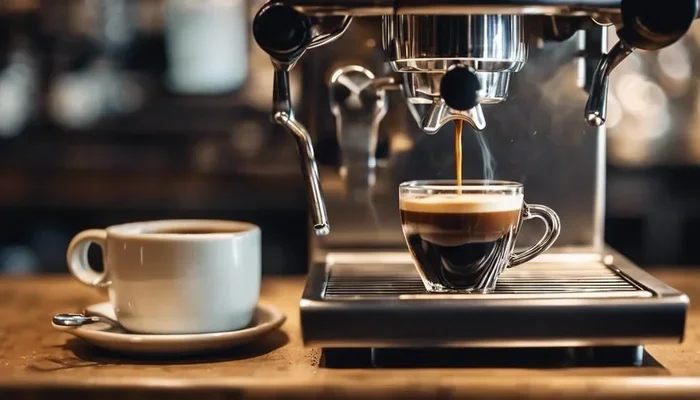
Espresso works by forcing hot water through finely ground coffee at high pressure. This process extracts flavors and oils much faster than regular drip brewing. The result is a concentrated, bold shot with a layer of creamy foam on top called crema.
Regular coffee, on the other hand, uses gravity and longer brew times. Water drips through coarser grounds over several minutes. The flavor is lighter and more diluted compared to espresso. Both use the same basic ingredient — coffee grounds — but the brewing method creates very different results.
The main differences come down to four factors:
- Grind size: Espresso needs a very fine grind. Regular coffee uses a medium to coarse grind.
- Brew time: Espresso takes about 25 to 30 seconds. Regular drip coffee takes 4 to 6 minutes.
- Pressure: Espresso uses 9 bars of pressure. Regular coffee relies on gravity alone.
- Concentration: Espresso is much more concentrated and intense in flavor.
Understanding these differences helps you see why regular coffee can work for espresso. You just need to adjust the grind and method to compensate for what regular coffee lacks.
Can You Make Espresso With Regular Coffee?
The short answer is absolutely yes. The longer answer is that the results depend on how you brew it. Regular coffee can produce a surprisingly close approximation of real espresso when you use the right technique. The flavor profile may not be identical to what you get from a café-grade machine with specialty beans, but it can be delicious and satisfying.
Here are the three most popular ways to make espresso with regular coffee at home:
Method 1: Using a Stovetop Moka Pot
A moka pot is the most popular tool for making espresso-like coffee at home. It uses steam pressure to push water through coffee grounds. While it does not produce the exact same pressure as a professional espresso machine, it comes close. Many coffee lovers consider moka pot coffee to be the best alternative to true espresso.
Here is how to use a moka pot with regular coffee:
- Fill the bottom chamber with water up to the valve.
- Fill the filter basket with finely ground regular coffee. Do not pack it too tightly.
- Screw the top chamber onto the base securely.
- Place the pot on the stove over medium heat.
- Wait for the coffee to gurgle and flow into the top chamber.
- Remove from heat immediately once you hear a hissing sound.
The result is a strong, concentrated brew that tastes very similar to espresso. You can use it to make lattes, cappuccinos, or drink it straight. One important tip is to use a fine grind for the best results. A medium grind will work but produces a weaker, more diluted cup.
Method 2: Using an Espresso Machine
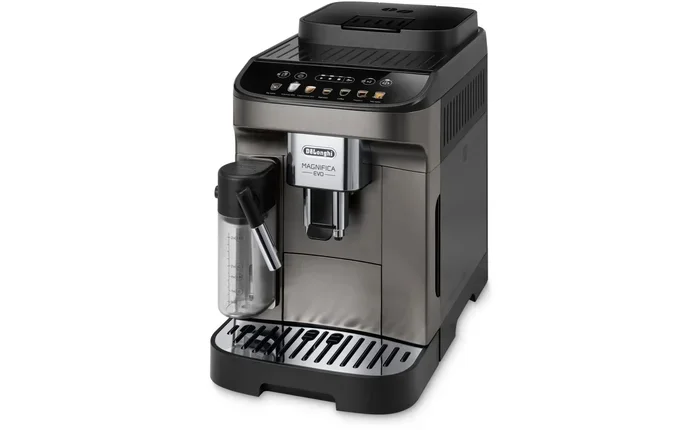
If you own an espresso machine, you can absolutely use regular coffee in it. Most machines do not care what type of bean the grounds came from. They only care about grind size, tamp pressure, and water temperature.
Follow these steps for the best results:
- Grind your regular coffee to a very fine consistency, almost like powdered sugar.
- Dose about 18 to 20 grams of coffee into the portafilter.
- Tamp the grounds down firmly and evenly.
- Lock the portafilter into the machine.
- Brew for 25 to 30 seconds, aiming for about 2 ounces of liquid.
You may notice that regular coffee produces less crema than specialty espresso beans. That is normal. Crema formation depends on the freshness of the beans and the roast level. Do not let that discourage you. The taste can still be rich and full-bodied.
Also, keep in mind that not all cookware is safe for all heat sources. Just as you would check whether you can put caraway cookware in the oven, always check your moka pot or espresso machine manual for heat compatibility and care instructions.
Method 3: Using an AeroPress
The AeroPress is a versatile and affordable brewing tool that can produce espresso-style coffee. It uses air pressure to push water through coffee grounds, creating a concentrated brew. While it is not a true espresso maker, the results are impressive for the price.
To use an AeroPress for espresso-like coffee:
- Use a very fine grind of regular coffee.
- Add the grounds to the chamber.
- Pour hot water (around 200°F) over the grounds.
- Stir for 10 seconds.
- Attach the plunger and press down slowly over 20 to 30 seconds.
The AeroPress gives you more control over brew time and pressure than a moka pot. It also cleans up easily, which makes it a favorite for beginners and busy coffee drinkers alike.
The Best Coffee Beans for Homemade Espresso
Not all regular coffee is created equal when it comes to making espresso. Some beans work better than others. Here is what you need to know about choosing the right beans for your homemade espresso shots.
Roast Level Matters
Dark roast and medium-dark roast beans tend to produce the best espresso from regular coffee. The longer roasting process brings out oils and flavors that hold up well under pressure. You get a richer, more complex cup with notes of chocolate, caramel, and toasted nuts.
Light roast coffee can work for espresso too, but the results are different. Light roasts tend to be more acidic and fruity. They can taste bright and interesting in an espresso shot, but they may lack the body and depth that many espresso drinkers love.
Here is a quick comparison of roast levels for espresso brewing:
| Roast Level | Flavor Profile | Best For | Crema Production |
|---|---|---|---|
| Light Roast | Fruity, acidic, bright | Black espresso lovers | Low |
| Medium Roast | Balanced, nutty, slightly sweet | Everyday drinking | Medium |
| Medium-Dark Roast | Chocolatey, smoky, full-bodied | Latte and cappuccino | High |
| Dark Roast | Bold, bitter, caramelized | Strong espresso shots | Very High |
Freshness Is Key
No matter what type of coffee you use, freshness matters. Beans that were roasted within the past two to four weeks give the best flavor. Stale coffee produces flat, lifeless espresso. If you buy regular coffee in bulk, store it in an airtight container away from light and heat.
Grinding your beans just before brewing also makes a huge difference. Pre-ground coffee loses its flavor quickly. A simple burr grinder at home can transform your coffee brewing experience overnight.
Step-by-Step Guide to Making Espresso With Regular Coffee
Now that you know the methods and the best beans, let us walk through a complete step-by-step process. This guide works for any of the three methods mentioned above.
Step 1: Choose Your Coffee. Pick any regular coffee you have on hand. Whole bean is best, but pre-ground works too in a pinch.
Step 2: Grind the Coffee. Set your grinder to the finest setting. Espresso requires a grind texture similar to table salt or even finer. If you do not have a grinder, ask your coffee store to grind it for espresso.
Step 3: Measure the Coffee. Use about 18 to 20 grams of coffee for a double shot. For a single shot, use 9 to 10 grams. Measuring ensures consistency every time.
Step 4: Tamp the Grounds. Press the coffee into the portafilter or filter basket with firm, even pressure. You want a flat, uniform surface. This helps the water flow through evenly during brewing.
Step 5: Brew. Start your brewing process. For a moka pot, use medium heat. For an espresso machine, start the extraction. For an AeroPress, press the plunger down slowly.
Step 6: Enjoy. Pour your espresso into a warm cup. Drink it right away for the best flavor. You can add hot water for an Americano, steamed milk for a latte, or enjoy it straight.
Keep in mind that cleaning your brewing equipment after every use is essential. Residue builds up over time and affects flavor. Just as you would not ignore burnt food in your oven, do not ignore coffee oil buildup in your moka pot or machine.
Common Mistakes to Avoid When Making Espresso With Regular Coffee
Even with the best beans, mistakes can ruin your espresso. Here are the most common errors home brewers make and how to fix them.
- Using too coarse a grind: This is the number one mistake. Coarse grounds let water pass through too quickly, producing weak, sour espresso. Always use a fine grind.
- Not tamping evenly: Uneven tamping causes channeling, where water finds weak spots and bypasses the coffee. This leads to uneven extraction and bad taste.
- Using boiling water: Water that is too hot scorches the coffee and brings out bitter flavors. Aim for 195°F to 205°F.
- Brewing for too long: Over-extraction makes espresso taste harsh and burnt. Stick to the recommended brew times for each method.
- Ignoring machine maintenance: Dirty equipment builds up old oils and residue. This taints the flavor of every new shot you make.
Avoiding these simple mistakes will dramatically improve the quality of your homemade espresso. You do not need expensive gear to get great results. You just need attention to detail and a willingness to experiment.
Expert Tips for Better Espresso at Home
Want to take your home espresso to the next level? These expert tips will help you get closer to café-quality results using nothing but regular coffee.
Tip 1: The Bloom Matters. Before you start brewing, wet the coffee grounds with a small amount of hot water and wait 30 seconds. This releases trapped carbon dioxide and helps the coffee extract more evenly. The bloom is a simple trick that professional baristas use every single day.
Tip 2: Preheat Everything. Warm your cup, your portafilter, and your machine before brewing. Cold equipment absorbs heat from the water, dropping the brew temperature. This leads to under-extraction and weak flavor.
Tip 3: Keep a Brewing Journal. Write down your grind size, dose, brew time, and taste notes for every shot. Over time, you will see patterns and learn what works best for your specific coffee. This is how serious home baristas fine-tune their craft.
Tip 4: Experiment with Ratios. The standard espresso ratio is 1:2 (coffee to water). Try a 1:1 ratio for a shorter, more intense ristretto. Try a 1:3 ratio for a longer, milder lungo. Each variation brings out different flavors from the same beans.
Tip 5: Store Beans Properly. Keep your regular coffee beans in a cool, dark, airtight container. Do not store them in the fridge, as moisture and odors can affect the flavor. A quality container makes a real difference in freshness.
Tip 6: Use Filtered Water. The water you use makes up over 98% of your espresso. Bad-tasting water produces bad-tasting coffee. Use filtered or bottled water for the cleanest, purest flavor possible.
These tips may seem small, but they add up to a big difference in your final cup. The more you practice, the better your espresso brewing skills become. Within a few weeks, you will notice a real improvement in taste and consistency.
Frequently Asked Questions
Can I use instant coffee to make espresso?
Yes, you can use instant coffee to make a quick espresso-like drink, but the results will be much weaker and less flavorful than using ground regular coffee. Instant coffee lacks the oils and compounds that create the rich, concentrated taste of true espresso. If you are in a pinch, dissolve one to two teaspoons of instant coffee in a small amount of hot water. It will give you a coffee concentrate, but it will not produce real crema or the full body of a proper espresso shot.
What is the difference between espresso beans and regular coffee beans?
There is no fundamental difference between espresso beans and regular coffee beans. The difference lies in how they are roasted, ground, and brewed. Espresso beans are typically roasted darker and ground finer. The term “espresso bean” is really just a marketing label for beans that roasters believe work well with the espresso brewing method. You can absolutely use any regular coffee beans for espresso if you adjust your grind size and brewing technique.
Do I need an expensive espresso machine to make good espresso at home?
No, you do not need an expensive machine. A stovetop moka pot costs under $30 and produces excellent espresso-style coffee. An AeroPress costs about $35 and gives you even more control. A basic electric espresso machine can be found for under $100. The quality of your espresso depends far more on your grind size, technique, and coffee freshness than on the price of your equipment. You can make amazing espresso at home with affordable tools and a little practice.
Why does my homemade espresso taste bitter?
Bitter espresso usually comes from over-extraction, which happens when the brew time is too long or the grind is too fine. Other causes include water that is too hot, too much coffee in the portafilter, or dirty equipment. Try adjusting your grind to a slightly coarser setting, shortening the brew time, or cleaning your machine thoroughly. If the bitterness persists, try using a slightly lighter roast bean, as dark roasts can sometimes taste overly bitter.
Can I make espresso with a regular coffee maker?
A standard drip coffee maker cannot produce true espresso because it does not generate enough pressure. However, you can make a strong, concentrated coffee that resembles espresso by using less water and a finer grind. Some people call this a “red eye” or “strong brew” method. For actual espresso, you need a moka pot, AeroPress, or a real espresso machine. These tools create the pressure needed to extract the bold, concentrated flavors that define real espresso.
How much caffeine is in espresso compared to regular coffee?
A single espresso shot contains about 63 milligrams of caffeine, while a standard cup of regular drip coffee contains about 95 milligrams. However, espresso is much more concentrated, so a small shot delivers a lot of caffeine in a small volume. If you drink a large latte made with two or three espresso shots, you may actually consume more caffeine than a standard cup of drip coffee. The caffeine content depends on the bean type, roast level, and serving size, so your mileage may vary.
Conclusion
Making espresso with regular coffee at home is easier than most people think. You do not need specialty beans, expensive equipment, or years of training. All you need is the right grind, the right method, and a willingness to experiment. Whether you use a moka pot, an espresso machine, or an AeroPress, you can create rich, bold espresso that rivals what you find at your local café.
Remember to start with fresh beans, grind them fine, and pay attention to your brew time and temperature. Avoid the common mistakes we covered, and follow the expert tips to keep improving. Within just a few attempts, you will notice a real difference in the quality of your espresso.
The beauty of making espresso at home is the freedom to customize every cup to your exact taste. Try different beans, adjust your ratios, and explore new brewing techniques. Once you make your first great shot of homemade espresso, you will never want to go back to the coffee shop again.
So go ahead, grab that bag of regular coffee from your pantry, and start brewing. Your perfect espresso shot is closer than you think.