The Best Baked Potato Oven Temp For Perfect Results
Learning the right baked potato oven temp is the single biggest secret to getting perfectly fluffy insides and crispy golden skin every single time. Most people either bake their potatoes too hot, too cool, or for the wrong amount of time, which leads to frustrating results. In this guide, we break down the ideal temperature, timing, and simple tricks that turn ordinary potatoes into restaurant-quality spuds. You will learn how to choose the right potato, prep it the smart way, and bake it like a pro using your home oven.
There is something deeply satisfying about a hot, freshly baked potato straight from the oven. The crispy golden skin gives way to a soft, fluffy interior that just melts in your mouth. Whether you are loading it up with butter and sour cream or keeping it simple with a sprinkle of salt, the baked potato is one of the most versatile comfort foods out there.
But here is the thing most people get wrong. The secret to a truly amazing baked potato starts long before it hits the table. It starts with the baked potato oven temp. Getting the temperature right changes everything. It turns a mediocre potato into something absolutely incredible. In this guide, we will walk you through exactly what temperature to use, why it matters, and how to nail perfect results every single time.
Key Takeaways
- 400°F is the gold standard baked potato oven temp for a perfect balance of crispy skin and fluffy interior.
- Russet potatoes bake the best because their thick skin and starchy interior create the ideal texture.
- Always pierce the potato several times with a fork before baking to release steam and prevent bursting.
- Baking time ranges from 45 to 60 minutes depending on potato size and oven accuracy.
- Skip the foil if you want crispy skin, but use it if you prefer a softer skin and faster cook time.
- Let the potato rest for 5 minutes after baking to make it easier to handle and cut.
- An internal temperature of 210°F means your potato is perfectly done and ready to enjoy.
📑 Table of Contents
- What Is the Best Baked Potato Oven Temp?
- How Long to Bake a Potato at the Right Temperature
- Foil vs. No Foil: The Great Baked Potato Debate
- Tips for the Crispiest Potato Skin Ever
- How to Know When Your Baked Potato Is Done
- Common Mistakes to Avoid When Baking Potatoes
- Seasoning Ideas to Elevate Your Baked Potato
- Conclusion
What Is the Best Baked Potato Oven Temp?
The short answer is 400°F (200°C). This is the widely recommended temperature for baking potatoes in the oven, and for good reason. At 400 degrees, the potato cooks evenly all the way through. The skin gets beautifully crispy while the inside turns soft and fluffy. It is the sweet spot between too hot and too cool.
Some recipes call for 375°F or 425°F, and both can work. But 400°F remains the go-to choice for most home cooks and professional chefs alike. Here is a quick look at how different temperatures affect your potato:
- 375°F: Slower cook time, slightly softer skin, very even cooking throughout.
- 400°F: The ideal balance of crispy skin and fluffy interior with a reliable cook time.
- 425°F: Faster cook time, extra crispy skin, but slightly higher risk of drying out the edges.
For most people, 400°F is the sweet spot. It gives you crispy skin without burning the outside, and it cooks the inside fully without drying it out. If your oven runs hot or cold, you may need to adjust slightly. But for a standard home oven, 400°F is the best baked potato oven temp to start with.
Why Temperature Matters So Much
Temperature is not just about cooking time. It directly affects the texture of your potato. Too low a temperature and the potato steams instead of baking. This means you get soggy skin and a dense, gummy interior. Too high and the outside burns before the inside is fully cooked.
The goal is to create a slow, even roast that allows the starches inside the potato to fully gelatinize. This is what gives you that signature fluffy, cloud-like texture. The baked potato oven temp of 400°F achieves this beautifully. The dry heat surrounds the potato and slowly draws out moisture from the skin, creating that satisfying crunch you love.
How Long to Bake a Potato at the Right Temperature
Now that you know the baked potato oven temp, the next question is how long to leave it in. The answer depends mainly on the size of your potato. A medium russet potato, about 6 to 8 ounces, will take roughly 45 to 55 minutes at 400°F. Larger potatoes, those over 10 ounces, may need 60 minutes or even a bit longer.
Here are some general guidelines to help you plan:
- Small potatoes (4-6 oz): 35 to 45 minutes at 400°F
- Medium potatoes (6-8 oz): 45 to 55 minutes at 400°F
- Large potatoes (10+ oz): 55 to 70 minutes at 400°F
These times are for a standard home oven preheated to 400°F. If you are baking multiple potatoes at once, add about 10 to 15 extra minutes. The potatoes need space for the hot air to circulate around them. Crowding them on the pan will slow down the cooking process.
The Finger Test for Doneness
One of the easiest ways to check if your potato is done is the finger test. Gently squeeze the sides of the potato with an oven mitt. If it feels soft and gives slightly under pressure, it is ready. If it still feels firm or hard in the center, it needs more time.
Another reliable method is to use a meat thermometer. Insert it into the center of the potato. When the internal temperature reaches 210°F, your potato is perfectly done. This is the most accurate way to know for sure. Once you get used to the finger test, you will not even need the thermometer anymore.
Foil vs. No Foil: The Great Baked Potato Debate
This is one of the most debated topics in home cooking. Some people swear by wrapping their potato in aluminum foil. Others say never to use foil. The truth is, both methods work, but they produce very different results. And the baked potato oven temp you use should match the method you choose.
When you wrap a potato in foil, the foil traps moisture. This creates a steaming effect. The result is a softer, more uniform skin that is not very crispy. The inside cooks a bit faster too because the foil holds in the heat. Some people prefer this method because the potato stays warm longer after it comes out of the oven.
When you bake a potato without foil, the dry heat from the oven directly contacts the skin. This is what creates that crispy, golden, delicious exterior. The inside still turns out fluffy and soft. Most chefs and food experts recommend skipping the foil for the best texture.
Which Method Should You Choose?
Here is a simple comparison to help you decide:
- No foil (recommended): Crispy skin, fluffy interior, slightly longer cook time, best overall texture.
- With foil: Softer skin, slightly faster cook time, potato stays warmer longer, good for meal prep.
If you want the classic baked potato experience with crispy skin, skip the foil. Place your prepared potato directly on the oven rack or on a parchment-lined baking sheet. If you are meal prepping or want the potato to stay warm for serving later, foil can be helpful. Just remember that it changes the texture of the skin.
Also keep in mind that wrapping a potato in foil at 400°F does not significantly change the baked potato oven temp inside the potato itself. The internal cooking temperature reaches the same level either way. The difference is purely in the texture of the skin and the cook time.
Tips for the Crispiest Potato Skin Ever
Let us talk about the skin. The skin is the best part of a baked potato for many people. It is crispy, salty, and satisfying. Getting that perfect crispy skin is easier than you think, and it all starts with a few simple prep steps before the potato ever goes in the oven.
1. Scrub and Dry Thoroughly
Start by washing your potato under cold water. Use a vegetable brush to scrub off any dirt. Then dry it completely with a clean towel. Moisture on the surface of the potato is the enemy of crispy skin. The drier the surface, the crispier it will get. You can even let the dried potato sit uncovered for 10 to 15 minutes before baking to let any remaining surface moisture evaporate.
2. Rub with Oil and Salt
Lightly coat the potato with olive oil or vegetable oil. Just a thin layer does the job. Then sprinkle coarse salt over the entire surface. The oil helps the salt stick to the skin and promotes even browning. The salt draws out a tiny bit of moisture during baking, which is exactly what creates that crispy, golden exterior.
3. Poke Holes Before Baking
This is a step many people skip, but it is really important. Use a fork and poke several holes all over the potato. This allows steam to escape during baking. Without these holes, steam builds up inside the potato and can cause it to burst in the oven. A few seconds of poking saves you a big mess later.
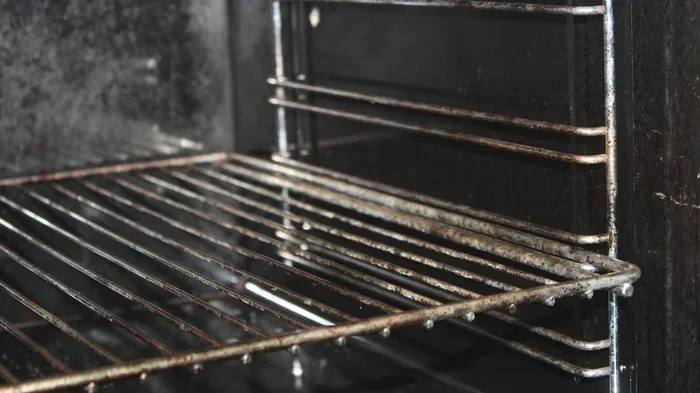
4. Place on the Oven Rack
For the crispiest skin possible, place the potato directly on the oven rack. This allows hot air to flow all around the potato. If you prefer to use a baking sheet, line it with parchment paper first. This prevents sticking while still allowing good air circulation.
How to Know When Your Baked Potato Is Done
Knowing when a baked potato is fully cooked is one of the most important skills in the kitchen. An undercooked potato is dense and unpleasant. An overcooked potato is dry and mealy. Getting the timing right makes all the difference.
The most reliable way to check is with a meat thermometer. Insert it into the thickest part of the center of the potato. When it reads 210°F, you are good to go. This is the ideal internal temperature for a fully baked potato with a fluffy texture.
If you do not have a thermometer, you can use the squeeze test. Put on an oven mitt and gently squeeze the potato from the ends. It should feel soft and give easily with no hard spots in the center. If you feel any resistance, it needs a few more minutes.
Another sign is the skin. When the potato is done, the skin will be deeply golden and slightly wrinkled. It will look dry and crispy rather than pale and smooth. If you tap the potato with a knife, it should sound hollow in the center.
What to Do If Your Potato Is Not Done
If you pull your potato out and realize it is not fully cooked, do not worry. Simply put it back in the oven for another 5 to 10 minutes. Check it again with the thermometer or squeeze test. You can also microwave the potato for 1 to 2 minutes to finish cooking the center, then return it to the oven for a few minutes to crisp the skin back up.
Common Mistakes to Avoid When Baking Potatoes
Even experienced cooks make mistakes when baking potatoes. Learning what not to do is just as important as knowing the right baked potato oven temp. Here are some common errors that can ruin your potato and how to avoid them.
Skipping the Preheat
Never put your potato in a cold oven. Always preheat the oven to 400°F before placing the potato inside. A cold start leads to uneven cooking. The outside will cook too slowly while the inside eventually catches up, resulting in a mushy texture.
Using the Wrong Potato
Not all potatoes are created equal when it comes to baking. Russet potatoes are the best choice because they have thick skin and a high starch content. This starch content is what gives you that fluffy, light interior. Waxy potatoes like red or Yukon gold are better for boiling or roasting. They have a denser, creamier texture that does not work as well for traditional baking.
Overcrowding the Pan
Give your potatoes space. If you bake too many potatoes too close together, the hot air cannot circulate properly. This leads to uneven cooking and soggy skin. Leave at least an inch of space between each potato on the baking sheet or rack.
Opening the Oven Too Often
Every time you open the oven door, you lose heat and temperature. This can significantly increase your bake time and lead to uneven cooking. Resist the urge to check on your potato every 10 minutes. Trust the process and check only at the minimum recommended time.
Cutting the Potato Too Early
It can be tempting to cut into a fresh potato right out of the oven, but wait at least 5 minutes. The potato needs a brief rest to finish cooking from residual heat. Cutting too early releases steam that should stay inside, which can make the interior soggy instead of fluffy.
Seasoning Ideas to Elevate Your Baked Potato
Once you master the baked potato oven temp and timing, it is time to talk about flavor. A plain baked potato is delicious on its own, but the right seasonings can take it to a whole new level. Here are some easy ideas to try.
- Classic Butter and Sour Cream: The timeless favorite. Add a pat of butter, a dollop of sour cream, and a sprinkle of chives.
- Cheese and Bacon: Shredded cheddar, crispy bacon bits, and a drizzle of ranch dressing. This is comfort food at its finest.
- Italian Style: Top with marinara sauce, mozzarella cheese, and fresh basil for a pizza-inspired twist.
- Spicy Kick: Add a drizzle of hot sauce, some jalapenos, and a sprinkle of smoked paprika.
- Simple and Healthy: Just olive oil, sea salt, cracked black pepper, and a squeeze of fresh lemon juice.
The beauty of a baked potato is that it pairs with almost anything. You can make it a full meal or a simple side dish. Once you get the baked potato oven temp and timing right, the only limit is your imagination.
Meal Prep and Storage Tips
Baking potatoes ahead of time is totally doable. If you are meal prepping for the week, bake your potatoes on Sunday and store them in the fridge. When you are ready to eat, reheat them in the oven at 350°F for about 10 to 15 minutes. This brings the skin back to a nice crispness while reheating the soft interior evenly.
You can also freeze baked potatoes. Wrap them tightly in plastic wrap and then foil. When you are ready to eat, thaw them in the fridge overnight and reheat in the oven. Avoid microwaving frozen potatoes if you want to keep the crispy skin intact.
Conclusion
Getting the perfect baked potato is simpler than most people think. The key is understanding and using the right baked potato oven temp. At 400°F, you get the ideal balance of crispy skin and fluffy interior that makes every bite satisfying. Pair that with the right potato size, proper prep, and a little patience, and you will have restaurant-quality results in your own kitchen.
Remember to choose russet potatoes, dry them thoroughly, rub them with oil and salt, and poke holes before baking. Skip the foil if you want crispy skin. Use a meat thermometer to check for doneness at 210°F. And give your potato a few minutes to rest before cutting into it.
Once you nail the baked potato oven temp and these simple techniques, you will never go back to soggy or unevenly cooked potatoes again. Try these tips next time you bake a potato and taste the difference. Your kitchen will smell amazing, and your potato will be absolutely perfect.
Frequently Asked Questions
Can I bake a potato at 350°F instead of 400°F?
Yes, you can bake a potato at 350°F, but it will take longer, usually around 60 to 75 minutes. The skin will not be as crispy, and the interior may be slightly denser. For the best results, stick with 400°F as your baked potato oven temp for that perfect crispy skin and fluffy center.
How do I know if my baked potato is done without a thermometer?
The easiest way is the squeeze test. Put on an oven mitt and gently squeeze the potato from both ends. If it feels soft and gives slightly with no hard spots in the center, it is done. You can also check if the skin looks golden and wrinkled, which is a good visual sign of a fully baked potato.
Is it better to bake a potato in foil or without foil?
Baking without foil gives you crispier skin, which most people prefer. Foil traps moisture and creates a steaming effect that softens the skin. If you want the classic crispy-skinned baked potato, skip the foil. If you are meal prepping and want the potato to stay warmer longer, foil can be useful.
What is the best type of potato for baking?
Russet potatoes are the best choice for baking. They have thick skin, high starch content, and a fluffy interior when baked. Their size and shape also make them ideal for even cooking at 400°F. Avoid waxy potatoes like red or Yukon gold for traditional baking, as they have a denser texture that does not turn out as fluffy.
Can I bake potatoes at a higher temperature for less time?
Yes, you can bake at 425°F or even 450°F for a faster cook time. This will give you extra crispy skin, but you need to watch the potatoes closely to prevent the edges from drying out or burning. Higher temperatures cook faster but require more attention. For most home bakers, 400°F is the safest and most reliable baked potato oven temp.
How long can I keep a baked potato warm after taking it out of the oven?
A baked potato will stay warm for about 30 to 45 minutes if you wrap it in foil or place it in a insulated bread basket. After that, it starts to lose heat and the skin softens. For the best experience, serve your potato within 30 minutes of taking it out of the oven at 400°F.