What Type Of System Is A Coffee Maker And Why It Matters
A coffee maker is a thermal and pump-based brewing system designed to heat water and push it through coffee grounds to extract flavor. Whether you use a drip machine, espresso maker, or single-serve pod system, each type relies on a specific mechanism to deliver the perfect cup. Understanding your coffee maker’s system helps you troubleshoot problems, choose the right machine, and brew better-tasting coffee at home.
You probably make coffee every morning without thinking much about how your machine actually works. But have you ever stopped to wonder, what type of system is a coffee maker? It is a fair question, especially when you consider how many different kinds of coffee machines exist on the market today.
The truth is, a coffee maker is more than just a box that heats water. It is a brewing system with specific components and mechanisms that work together to extract flavor from ground coffee. Each type of coffee maker uses a different approach, and knowing how your machine works can actually change the way you brew.
In this article, we will break down the different types of coffee maker systems, explain how each one works, and share why it matters to you as a coffee lover. Whether you drink drip coffee every morning or enjoy a shot of espresso, understanding your coffee maker system will help you get the most out of every cup.
Let us dive right in and explore the world of coffee brewing systems.
Key Takeaways
- Drip systems are the most common home coffee makers and use gravity and a heating element to brew coffee.
- Espresso machines use pump pressure to force hot water through finely ground coffee for a rich, concentrated shot.
- Single-serve systems like pod machines use pressurized water and capsules for quick, one-cup brewing.
- Thermal coffee makers keep water hot in a reservoir and use a carafe with no warming plate.
- Understanding your system helps you fix common issues, pick the right machine, and improve coffee quality.
- Different brewing methods affect flavor, speed, and caffeine content in your cup.
- Regular maintenance of your coffee maker system keeps it running smoothly and your coffee tasting fresh.
📑 Table of Contents
- What Type Of System Is A Coffee Maker
- Drip Coffee Maker System
- Espresso Machine System
- Single-Serve Coffee Maker System
- Thermal Coffee Maker System
- How Coffee Maker Systems Compare
- Why Understanding Your Coffee Maker System Matters
- Quick Tips For Getting The Most From Your Coffee Maker System
- Common Mistakes People Make With Their Coffee Maker System
- Expert Insight: The Evolution Of Coffee Maker Systems
- Final Thoughts
What Type Of System Is A Coffee Maker
At its core, a coffee maker is a thermal and fluid delivery system. It heats water, moves that water through or over coffee grounds, and captures the brewed liquid in a carafe or cup. The way it does this depends on the type of system the machine uses.
Think of it like this. A coffee maker is not just one thing. It is a category that includes several different brewing methods, each with its own design, mechanics, and results. Just like how a toaster and an air fryer toaster oven both cook food but use completely different heating systems, different coffee makers use different approaches to brew your morning cup.
The Basic Components Of Any Coffee Maker System
Almost every coffee maker shares a few core parts, no matter what type of system it uses:
- Water reservoir – This holds the water you add before brewing. It can be removable or built into the machine.
- Heating element – This heats the water to the right temperature for brewing. Most coffee makers heat water to between 195 and 205 degrees Fahrenheit.
- Filter basket – This holds the coffee grounds and lets the water flow through them. Paper or permanent metal filters go here.
- Brewing chamber – This is where the water meets the coffee grounds and extraction happens.
- Carafe or mug – This collects the finished brewed coffee.
These components work together as a coffee brewing system. The way each part functions determines what type of system your coffee maker belongs to.
Drip Coffee Maker System
The drip coffee maker is the most common type found in homes and offices. If you have a standard coffee machine on your countertop that makes a full pot, it is almost certainly a drip system.
How The Drip System Works
A drip coffee maker uses gravity and a heating element to brew coffee. Here is the simple process:
- You fill the water reservoir at the back of the machine.
- The heating element warms the water inside.
- Hot water rises through a tube and drips onto the coffee grounds in the filter basket.
- Water passes through the grounds, extracting flavor and oils.
- The brewed coffee drips down into the carafe below.
This is a slow, steady process that usually takes about five to ten minutes for a full pot. The drip brewing system produces a clean, balanced cup of coffee that most people enjoy every day.
Why The Drip System Matters
The drip system is popular because it is simple, reliable, and easy to use. You do not need any special skills to operate a drip coffee maker. Just add water, add grounds, and press a button.
However, the drip system also has limitations. Because the water temperature and flow rate are controlled by the machine, you have less control over the final brew. If your machine is old or not well maintained, the coffee can taste flat or weak.
For most households, the drip system gets the job done perfectly. It is the go-to choice for people who want a no-fuss morning routine.
Espresso Machine System
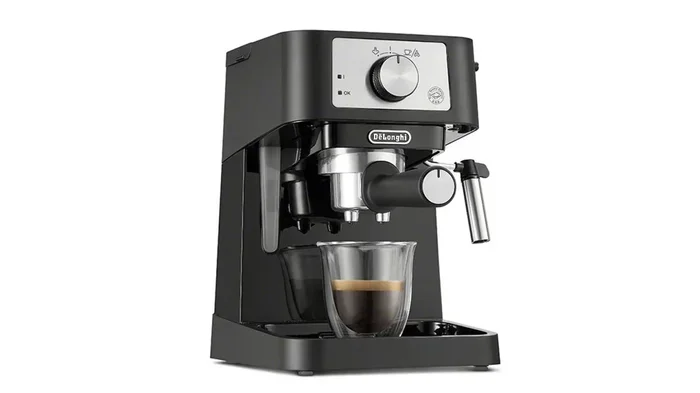
If you love strong, concentrated coffee, then an espresso machine is a completely different kind of system. Unlike drip machines, espresso machines use pump pressure to force hot water through very finely ground coffee.
How The Espresso System Works
An espresso machine operates using a high-pressure system. Here is what happens inside:
- Water is stored in a reservoir and heated to a precise temperature.
- A pump pushes the hot water through a portafilter packed with finely ground coffee.
- The pressure forces the water through the grounds at about nine bars of pressure.
- The extracted coffee, called a shot, pours into your cup below.
This process takes only about 25 to 30 seconds. The result is a rich, thick, and flavorful shot of espresso with a layer of crema on top.
Some espresso machines use a thermoblock heating system instead of a traditional boiler. This heats water faster and uses less energy. Others use a steam system, which gives you the ability to froth milk for lattes and cappuccinos.
Why The Espresso System Matters
The espresso system gives you far more control over your brew. You can adjust the grind size, water temperature, pressure, and extraction time. This level of control means you can fine-tune every shot to your exact preference.
Espresso machines also open the door to a wide range of coffee drinks. Latte, cappuccino, americano, macchiato, and flat white all start with a shot of espresso. Once you have the machine, the possibilities are endless.
Of course, espresso machines are more expensive and require more skill to operate than drip coffee makers. But for coffee enthusiasts, the extra effort is absolutely worth it.
Single-Serve Coffee Maker System
The single-serve coffee maker has exploded in popularity over the last decade. Machines like Keurig and Nespresso have made it incredibly easy to brew one perfect cup of coffee in under a minute.
How The Single-Serve System Works
A single-serve coffee maker uses a pressurized capsule or pod system. Here is how it works:
- You place a pre-filled coffee pod or capsule into the machine.
- You add water to the reservoir.
- The machine pierces the pod and forces hot water through it at high pressure.
- The brewed coffee flows directly into your cup.
The entire process takes about thirty to sixty seconds. There is no measuring grounds, no filters, and no cleanup. Just pop in a pod and enjoy.
Why The Single-Serve System Matters
The single-serve system is perfect for people who want convenience and speed. It is also great for households where different people like different types of coffee. You can brew a cup of regular, decaf, or flavored coffee without making a whole pot.
However, single-serve systems do come with drawbacks. The coffee pods create a lot of waste, and the flavor can be more limited compared to grinding your own beans. The capsule coffee system also locks you into a specific brand of pods, which can get expensive over time.
Still, for busy mornings and quick caffeine fixes, the single-serve system is hard to beat.
Thermal Coffee Maker System
A thermal coffee maker is a special type of drip machine that uses a different approach to keeping your coffee hot. Instead of a warming plate, it uses an insulated thermal carafe.
How The Thermal System Works
The thermal coffee maker operates like a standard drip system, but with one key difference:
- Water is heated in the reservoir and dripped through the coffee grounds as usual.
- The brewed coffee flows into a double-walled insulated carafe.
- The carafe keeps the coffee hot for hours without any external heat source.
This means your coffee stays fresh and hot without the burnt taste that often comes from warming plates. The thermal brewing system is a favorite among coffee lovers who want to preserve the natural flavor of their brew.
Why The Thermal System Matters
The thermal carafe eliminates the need for a hot plate, which means no more scorched or bitter coffee sitting on the warmer. It also uses less energy since there is no constant heating element running.
Thermal coffee makers are also generally more durable because they do not have a glass carafe that can break. They are a great choice for anyone who wants better-tasting coffee with less maintenance.
How Coffee Maker Systems Compare
Now that you know about the main types of coffee maker systems, let us compare them side by side. This will help you understand which system fits your needs best.
| Feature | Drip System | Espresso System | Single-Serve System | Thermal System |
|---|---|---|---|---|
| Brew Time | 5-10 minutes | 25-30 seconds | 30-60 seconds | 5-10 minutes |
| Coffee Strength | Medium | Strong and concentrated | Medium to strong | Medium |
| Control Over Brew | Low | High | Very low | Low |
| Ease of Use | Very easy | Moderate to hard | Very easy | Very easy |
| Cost | Low to moderate | Moderate to high | Low to moderate | Moderate |
| Waste Produced | Minimal | Minimal | High (pods) | Minimal |
| Best For | Everyday brewing | Coffee enthusiasts | Quick single cups | Fresh-tasting coffee |
Each system has its own strengths. The drip system is the workhorse of home coffee brewing. The espresso system gives you café-quality drinks at home. The single-serve system offers unmatched convenience. And the thermal system delivers the best flavor without burning your coffee.
Interestingly, some of the same principles that govern how these coffee machines work also apply to other kitchen appliances. For example, the heating element and temperature control in a coffee maker share similarities with how an oven operates. If you have ever noticed strange noises coming from your oven, it could be related to the heating system, which works on similar thermal principles as a coffee maker’s heating element.
Why Understanding Your Coffee Maker System Matters
You might be thinking, why does any of this matter? You just want good coffee, right? Well, understanding your coffee maker system actually makes a real difference in several ways.
It Helps You Troubleshoot Problems
When your coffee maker starts acting up, knowing the system helps you figure out what is wrong. Is the water not heating? Is the pressure too low? Is the filter clogged? Each system has its own common issues, and knowing the type of system you have makes it easier to diagnose and fix problems.
It Helps You Choose The Right Machine
If you are shopping for a new coffee maker, understanding the different systems helps you make a smart choice. You can compare options based on what matters most to you, whether that is speed, flavor, convenience, or cost.
It Improves Your Coffee Quality
Different systems produce different results. A pump pressure system extracts flavor differently than a gravity-based drip system. Once you understand this, you can adjust your coffee grind, water temperature, and brewing time to get the best possible cup from your specific machine.
Just as you would not use an oven the same way you use a stovetop, you should not treat all coffee makers the same. Each coffee brewing system has its own best practices, and following them leads to better coffee.
Quick Tips For Getting The Most From Your Coffee Maker System
Here are some practical tips to help you get the best performance from whatever type of coffee maker you own:
- Clean your machine regularly. Mineral buildup from hard water can clog your system and affect flavor. Run a vinegar and water solution through your machine once a month.
- Use fresh, cold water. The quality of the water you use directly affects the taste of your coffee. Filtered water works best.
- Grind your beans fresh. Pre-ground coffee loses flavor quickly. If you use a drip or espresso machine, grind your beans just before brewing.
- Check the water temperature. The ideal brewing temperature is between 195 and 205 degrees Fahrenheit. Too hot or too cold will hurt the flavor.
- Replace filters as needed. Paper filters should be replaced after every use. Reusable metal filters should be cleaned thoroughly and replaced every few months.
- Descale your machine. Limescale buildup is one of the most common issues with coffee makers. Descaling keeps your system running efficiently.
Following these simple steps will extend the life of your coffee maker and keep your coffee tasting its best every single morning.
Common Mistakes People Make With Their Coffee Maker System
Even the best coffee maker can produce bad coffee if you make these common mistakes:
- Using the wrong grind size. Espresso needs a very fine grind, while drip coffee works best with a medium grind. Using the wrong size will lead to over-extraction or under-extraction.
- Not preheating the machine. Starting with a cold machine means your first cup will brew at the wrong temperature. Run a cycle with just water before brewing your first cup of the day.
- Ignoring the water-to-coffee ratio. Too much coffee or too little water throws off the balance. A good rule of thumb is two tablespoons of grounds per six ounces of water.
- Skipping maintenance. A dirty coffee maker breeds bacteria and affects taste. Regular cleaning is not optional, it is essential.
- Using old coffee beans. Coffee beans go stale after about two to four weeks. Fresh beans make a noticeable difference in flavor.
Avoiding these mistakes will help you get the most out of your coffee maker system and enjoy a better cup every time.
Expert Insight: The Evolution Of Coffee Maker Systems
Coffee makers have come a long way since the first electric drip machines appeared in the 1950s. Early systems were basic, relying on simple heating elements and gravity to brew coffee. Over the decades, manufacturers introduced pump pressure systems, thermal carafes, and capsule technology.
Today, some coffee makers use smart technology that lets you control brewing through your phone. You can adjust temperature, strength, and brew time with a tap. The coffee maker technology landscape continues to evolve, making it easier than ever to get a perfect cup at home.
Some people even compare the variety of coffee maker systems to the variety of oven types available. Just as you can choose between a conventional oven and a convection oven depending on your cooking needs, you can choose between different coffee maker systems based on your brewing preferences. If you are curious about how ovens differ in their heating methods, check out our guide on how to tell if an oven is conventional or convection for a deeper look at appliance heating systems.
The bottom line is that coffee makers are sophisticated appliances with specific systems designed to extract the best flavor from your coffee beans. The more you understand about your machine, the better your coffee will be.
Final Thoughts
So, what type of system is a coffee maker? It depends on the machine, but at its heart, every coffee maker is a water heating and delivery system designed to extract flavor from coffee grounds. Whether you use a drip system, an espresso pump system, a single-serve capsule system, or a thermal system, each one has its own strengths and quirks.
Understanding your coffee maker system empowers you to brew better coffee, troubleshoot problems faster, and choose the right machine for your needs. It also helps you appreciate the technology and engineering that goes into every cup you make.
Next time you brew a pot of coffee or pull a shot of espresso, take a moment to think about the system at work inside your machine. It is a remarkable piece of kitchen technology that brings us the fuel we need to start every day.
Take care of your coffee maker, use good beans and fresh water, and it will reward you with great coffee for years to come. Happy brewing!
Frequently Asked Questions
What is the most common type of coffee maker system?
The drip coffee maker system is the most common type found in homes and offices. It uses gravity and a heating element to brew coffee, making it simple and affordable for everyday use.
Can I use a coffee maker without a filter?
Yes, you can use a permanent metal filter instead of paper filters. However, using no filter at all can result in sediment in your cup and may clog your coffee maker system over time.
How often should I clean my coffee maker?
You should clean your coffee maker after every use and deep clean it with a vinegar solution once a month. Regular maintenance keeps your brewing system working properly and your coffee tasting fresh.
Is an espresso machine the same as a coffee maker?
An espresso machine is a type of coffee maker, but it uses a pump pressure system instead of a drip system. It forces hot water through finely ground coffee at high pressure to produce a concentrated shot of espresso.
Why does my coffee taste bitter?
Bitter coffee is often caused by over-extraction, which happens when the water is too hot or the brew time is too long. It can also result from a dirty coffee maker system. Try adjusting your grind size and cleaning your machine regularly.
What is the best water temperature for brewing coffee?
The ideal brewing temperature is between 195 and 205 degrees Fahrenheit. Water that is too hot will over-extract the coffee, while water that is too cold will under-extract it, leading to a weak or sour taste.
=== CONCLUSION ===
A coffee maker is a thermal and fluid delivery system that heats water and passes it through coffee grounds to create your favorite brew. Whether you prefer the simplicity of a drip system, the power of an espresso pump, the speed of a single-serve pod machine, or the freshness of a thermal carafe, each system has its own unique way of delivering coffee to your cup.
Understanding what type of system your coffee maker uses helps you brew better coffee, troubleshoot issues, and make smarter purchasing decisions. It also deepens your appreciation for the technology behind every cup. Take the time to learn your machine, care for it properly, and enjoy the difference it makes in your daily coffee routine.