How To Cook Corvina In The Oven And Get Perfect Results
Learning how to cook corvina in the oven is easy and rewarding. This guide walks you through everything from selecting fresh corvina fillets to pulling a perfectly baked dish out of your oven. You will discover the best temperatures, seasonings, and cooking times for tender, flaky results. Whether you are a beginner or a seasoned home cook, these methods will elevate your corvina fish game. Follow along and get perfect oven-baked corvina every single time.
Few things feel as satisfying as how to cook corvina in the oven and pull a beautiful, golden fillet out of the heat. Corvina is a white fish that is mild, tender, and incredibly versatile. It has become a favorite among home cooks who want a healthy, delicious meal without spending hours in the kitchen.
Maybe you have never cooked corvina before, or perhaps you have tried it but struggled to get it right. Whatever your situation is, this guide is for you. I will walk you through every step, from picking the right fish at the store to serving a finished dish that will impress everyone at the table.
Oven-baked corvina is one of the simplest and most reliable ways to prepare this fish. Unlike stovetop cooking, where you need to watch the pan constantly, the oven does most of the work for you. You can prep a quick corvina fish recipe, set a timer, and focus on other parts of your meal while the oven works its magic.
The beauty of how to cook corvina in the oven lies in its simplicity. You do not need fancy equipment or advanced cooking skills. A basic oven, a few fresh ingredients, and about twenty minutes are all you need. Let us dive in and get you started.
Key Takeaways
- Choose fresh or high-quality frozen corvina: Look for firm, bright flesh with a mild sea smell for the best results.
- Preheat your oven to 400°F: This temperature cooks corvina evenly and helps develop a light, crispy exterior.
- Season simply but effectively: Olive oil, lemon, garlic, and fresh herbs bring out the natural flavor of corvina.
- Bake for 15 to 20 minutes: Cooking time depends on fillet thickness, but the fish is done when it flakes easily.
- Rest the fish before serving: Letting corvina sit for a few minutes keeps it juicy and flavorful.
- Pair with light sides: Roasted vegetables, rice, or a fresh salad complements oven-baked corvina perfectly.
- Avoid common mistakes: Overcooking, skipping the rest, and using too much liquid are the top errors to watch for.
📑 Table of Contents
- What Is Corvina Fish And Why Is It Perfect For The Oven
- How To Prepare Corvina For Oven Baking
- Best Seasoning And Marinade Options For Corvina
- Oven Temperature And Cooking Time Guide For Corvina
- Tips For Getting A Perfectly Crispy Finish On Oven-Baked Corvina
- Serving Suggestions And Side Dishes For Oven-Baked Corvina
- Common Mistakes To Avoid When Baking Corvina
- Health Benefits Of Corvina And Why It Is A Great Choice For Weekly Dinners
- Expert Insights: How Professional Chefs Bake Corvina
- Key Takeaways
- Conclusion
What Is Corvina Fish And Why Is It Perfect For The Oven
Before we get into the details of how to cook corvina in the oven, it helps to understand what makes this fish special. Corvina is a white fish found in the Pacific Ocean, especially along the coast of South America. It has a delicate, sweet flavor and a firm yet flaky texture that holds up beautifully in the oven.
Why Corvina Stands Out From Other White Fish
Many people compare corvina to halibut or sea bass because of its mild taste. However, corvina has a slightly sweeter flavor that pairs wonderfully with citrus and herbs. When you bake corvina fillets, the flesh stays moist and does not fall apart as easily as thinner fish varieties.
Here are some reasons why corvina is a top choice for oven cooking:
- Thick fillets hold their shape: Unlike tilapia or cod, corvina fillets are dense enough to bake without crumbling.
- Mild flavor absorbs seasonings well: Corvina takes on the taste of marinades and spice rubs beautifully.
- Healthy protein option: Corvina is low in fat and high in protein, making it a great choice for health-conscious eaters.
- Quick cooking time: Most corvina dishes are ready in under twenty minutes, which is perfect for busy weeknights.
- Works with many cooking styles: Mediterranean, Latin American, and Asian flavors all complement corvina wonderfully.
Where To Buy Quality Corvina
When you are ready to start how to cook corvina in the oven, your first step is finding good fish. Fresh corvina is ideal, but high-quality frozen fillets work just as well. Look for fillets with a clean, ocean-like smell and flesh that springs back when pressed. Avoid any fish with a strong fishy odor or discoloration.
If you buy frozen corvina, thaw it overnight in the refrigerator. Never use warm water to defrost fish, as this affects the texture and flavor. Once thawed, pat the fillets dry with paper towels before seasoning. Dry fish browns better and absorbs seasoning more evenly.
How To Prepare Corvina For Oven Baking
Preparing corvina properly makes a huge difference in the final result. The good news is that how to cook corvina in the oven starts long before the fish hits the heat. Proper prep ensures even cooking, better flavor, and a more appealing presentation.
Step One: Cleaning And Filleting
If you buy a whole corvina, you will need to clean and fillet it. Remove the scales by scraping them from tail to head with a knife. Then cut behind the gills and along the backbone to separate the fillets. Remove the skin if desired, though leaving the skin on can help the fillet hold its shape during baking.
For most people, buying pre-filleted corvina is the easiest route. Simply rinse the fillets under cold water and pat them completely dry. This step is essential because moisture on the surface creates steam, which prevents the fish from getting crispy.
Step Two: Cutting To Even Thickness
One of the most important tips for oven-baked corvina is making sure all fillets are the same thickness. Uneven pieces cook at different rates, so some parts will be overdone while others are still raw. If a fillet is too thick, slice it horizontally to create two thinner pieces. If it is too thin, overlap it with a thicker piece to create an even layer.
Aim for fillets that are about one inch thick. This thickness allows the inside to cook through without drying out the outside. If your fillets are much thinner, reduce the cooking time accordingly.
Step Three: Bringing Fish To Room Temperature
Take your prepared corvina out of the refrigerator about fifteen minutes before cooking. Letting the fish warm up slightly ensures more even cooking throughout the fillet. Cold fish placed directly into a hot oven can result in an overcooked exterior and a cold, undercooked center.
This small step is something many people overlook when learning how to cook corvina in the oven, but it makes a noticeable difference. The fish cooks more evenly and the texture is more consistent from edge to center.
Best Seasoning And Marinade Options For Corvina
Seasoning is where how to cook corvina in the oven becomes truly fun. Corvina has a mild flavor that welcomes a wide range of seasonings. You can keep it simple or get creative depending on your mood and what you have in the pantry.
The Classic Lemon Herb Seasoning
The simplest and most popular way to season corvina is with olive oil, lemon juice, garlic, and fresh herbs. This combination works because it enhances the natural sweetness of the fish without overpowering it. Here is what you need:
- Two tablespoons of extra virgin olive oil
- One tablespoon of fresh lemon juice
- Two cloves of garlic, minced
- One teaspoon of dried oregano
- Half a teaspoon of salt and black pepper
- Fresh parsley or cilantro for garnish
Mix the olive oil, lemon juice, and garlic in a small bowl. Brush the mixture generously over both sides of the corvina fillets. Sprinkle the oregano, salt, and pepper evenly. Let the fish marinate for at least ten minutes, or up to thirty minutes in the refrigerator.
Mediterranean Style With Tomatoes And Olives
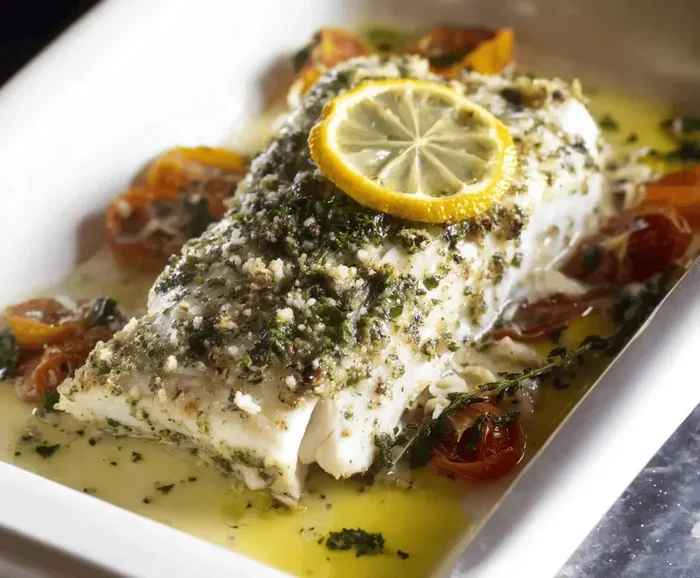
If you love Mediterranean flavors, try topping your corvina with diced tomatoes, Kalamata olives, capers, and a sprinkle of parmesan cheese. This style of corvina fish recipe is hearty and full of bold flavors. The tomatoes create a light sauce that steams the fish while the olives add a salty, briny kick.
Latin American Ceviche-Inspired Marinade
Corvina is a staple in Latin American cuisine, and you can bring that flavor to your oven. Use a marinade of lime juice, cumin, chili powder, and fresh cilantro. The acid from the lime slightly cures the surface of the fish, giving it a bright, zesty flavor that pairs perfectly with rice and beans on the side.
Asian-Inspired Ginger Soy Glaze
For something different, try a glaze made from soy sauce, sesame oil, fresh ginger, and a touch of honey. Brush this onto the corvina during the last five minutes of baking. The glaze caramelizes quickly and adds a beautiful sweet-savory crust to the fish.
Oven Temperature And Cooking Time Guide For Corvina
Getting the temperature and timing right is the key to how to cook corvina in the oven successfully. Too hot and the outside burns while the inside stays raw. Too cool and the fish dries out before it cooks through. The sweet spot is around 400°F for most fillets.
Recommended Oven Temperature
Set your oven to 400°F and let it preheat fully before placing the fish inside. Preheating is important because it ensures the oven is at the right temperature from the moment the fish goes in. A hot oven sears the surface of the fillet, locking in moisture and creating a light crust.
If you prefer a gentler cook, 375°F works well for thicker fillets. The lower temperature gives the heat more time to penetrate to the center without overcooking the outside. For thinner fillets, 425°F is a good option because the shorter cook time prevents the fish from drying out.
Cooking Time Based On Fillet Thickness
Cooking time varies depending on how thick your corvina fillets are. Here is a general guide to help you nail oven-baked corvina every time:
- Half-inch thick fillets: 10 to 12 minutes at 400°F
- Three-quarter-inch thick fillets: 12 to 15 minutes at 400°F
- One-inch thick fillets: 15 to 20 minutes at 400°F
- One and a half-inch thick fillets: 20 to 25 minutes at 375°F
These times are approximate. The most reliable way to check if your corvina is done is to use an instant-read thermometer. The internal temperature should reach 145°F at the thickest part of the fillet. Another test is to gently press the center of the fish with a fork. If it flakes easily and appears opaque throughout, it is ready.
Should You Cover Corvina While Baking
Covering corvina with aluminum foil during the first part of baking helps keep the fish moist. This technique is especially useful for thicker fillets. Remove the foil for the last five minutes to allow the top to brown and crisp up. If you prefer a fully crispy finish on all sides, bake the fish uncovered from start to finish.
Tips For Getting A Perfectly Crispy Finish On Oven-Baked Corvina
One of the best things about how to cook corvina in the oven is achieving that satisfying crispy exterior. A crispy top adds texture and visual appeal to the dish. Here are some proven tips to help you get there.
Use A Wire Rack Instead Of A Baking Sheet
Placing corvina on a wire rack set over a baking sheet allows hot air to circulate around the entire fillet. This means the bottom gets crispy too, not just the top. Without a rack, the bottom of the fish sits in its own juices and can become soggy.
Brush With Oil Before Baking
A thin layer of olive oil or avocado oil on the surface of the fillet promotes browning and crispiness. The oil helps transfer heat evenly and creates a barrier that prevents the fish from drying out. Use just enough to lightly coat the surface, not so much that the fish sits in a pool of oil.
Add A Crumb Topping For Extra Crunch
For an extra crispy finish, try a simple breadcrumb topping. Mix panko breadcrumbs with olive oil, grated parmesan, and a pinch of paprika. Sprinkle this over the corvina during the last five to seven minutes of baking. The result is a golden, crunchy crust that adds a wonderful contrast to the tender fish underneath.
Broil At The End For Color
After your corvina is fully cooked, switch your oven to the broil setting for one to two minutes. This gives the top of the fish a beautiful golden-brown color. Watch it closely during broiling, as fish can go from perfectly toasted to burnt very quickly.
Serving Suggestions And Side Dishes For Oven-Baked Corvina
The right sides can turn a simple corvina fish recipe into a memorable meal. Corvina is versatile enough to pair with a wide variety of accompaniments. Here are some serving ideas that work beautifully with oven-baked corvina.
Best Side Dishes
- Rice: A fluffy bowl of white or brown rice soaks up any juices from the fish.
- Roasted vegetables: Asparagus, zucchini, and bell peppers roasted in the oven complement corvina perfectly.
- Quinoa salad: A light quinoa salad with cucumber, tomato, and lemon dressing adds a fresh, healthy element.
- Mashed potatoes: Creamy mashed potatoes are a comforting pairing for baked fish.
- Fresh salad: A simple green salad with a light vinaigrette balances the richness of the fish.
- Grilled corn: Grilled corn on the cob with a squeeze of lime and chili powder adds a fun, festive touch.
Sauces That Pair Well With Corvina
A good sauce can elevate oven-baked corvina to restaurant quality. Here are a few easy options:
- Garlic butter sauce: Melt butter with minced garlic and a squeeze of lemon for a rich, savory drizzle.
- Crema or aioli: A dollop of garlic aioli adds creaminess and a tangy kick.
- Mango salsa: Diced mango, red onion, jalapeno, and cilantro make a vibrant tropical topping.
- Chimichurri: This Argentine herb sauce made with parsley, oregano, garlic, and red wine vinegar is a classic pairing for corvina.
Common Mistakes To Avoid When Baking Corvina
Even experienced cooks make mistakes when preparing how to cook corvina in the oven. Knowing what to avoid saves you from dry, overcooked, or bland fish. Here are the most common errors and how to prevent them.
Overcooking The Fish
Overcooking is the number one mistake people make with corvina. White fish dries out quickly once it passes the ideal internal temperature. Always check the fish a few minutes before the recommended cooking time ends. Remember that the fish continues to cook slightly after you remove it from the oven due to residual heat.
Skipping The Resting Period
Let your corvina rest for three to five minutes after removing it from the oven. This allows the juices to redistribute throughout the fillet. If you cut into the fish immediately, the juices run out and the fish becomes dry and less flavorful.
Using Too Much Seasoning
Corvina has a delicate flavor that can be overwhelmed by heavy seasoning. Use a light hand with spices and let the natural taste of the fish shine through. A little salt, a squeeze of lemon, and fresh herbs are often all you need.
Not Preheating The Oven
Placing corvina in a cold oven leads to uneven cooking and a longer bake time. Always preheat your oven to the recommended temperature before the fish goes in. This ensures a consistent cook and helps develop that desirable crispy exterior.
Using A Wet Baking Dish
Make sure your baking dish or sheet pan is dry before placing the corvina on it. Excess moisture in the pan creates steam, which prevents the bottom of the fish from crisping up. If you are using a glass or ceramic dish, make sure it is completely dry before adding the fish.
Health Benefits Of Corvina And Why It Is A Great Choice For Weekly Dinners
How to cook corvina in the oven is not just about great taste, it is also about nutrition. Corvina is a healthy protein source that fits well into a balanced diet. Understanding the health benefits can motivate you to include this fish in your weekly meal rotation.
High In Protein, Low In Fat
A serving of corvina provides about twenty to twenty-five grams of protein with very little saturated fat. Protein is essential for building and repairing muscles, supporting immune function, and keeping you feeling full after meals. For anyone watching their calorie intake, corvina is an excellent choice.
Rich In Omega-3 Fatty Acids
Like most fish, corvina contains omega-3 fatty acids, which support heart health, brain function, and reduce inflammation. Eating fish regularly has been linked to lower risks of heart disease and improved cognitive function. Oven baking is one of the best cooking methods for preserving these beneficial fats.
Good Source Of Vitamins And Minerals
Corvina provides vitamin B12, selenium, phosphorus, and niacin. These nutrients play important roles in energy production, bone health, and nervous system function. Including corvina in your diet is an easy way to boost your intake of essential vitamins and minerals.
Expert Insights: How Professional Chefs Bake Corvina
Professional chefs who specialize in oven-baked corvina follow a few principles that set their results apart. You can apply these same techniques at home to elevate your fish dishes.
First, chefs always season the fish just before it goes into the oven. Salt draws moisture out of the fish over time, so adding it too early can make the surface wet. A light brush of oil right before baking ensures the seasoning adheres and the fish browns evenly.
Second, experienced cooks know that oven temperature matters more than cooking time. Every oven runs slightly differently, so rely on visual cues and internal temperature rather than the clock alone. When the fish is opaque and flakes with gentle pressure, it is done regardless of how many minutes it has been in the oven.
Third, top chefs finish oven-baked corvina with a splash of acid. A squeeze of fresh lemon or a drizzle of lime juice right before serving brightens the flavor and cuts through the richness of the fish. This small step makes a big difference in the overall taste of the dish.
Key Takeaways
- Fresh, quality corvina is the foundation of a great dish: Look for firm, bright fillets with a mild sea smell.
- Preheat your oven to 400°F for the best results: A hot oven ensures even cooking and a crispy exterior.
- Season simply with olive oil, lemon, garlic, and herbs: These classic flavors complement corvina without overpowering it.
- Bake for 15 to 20 minutes depending on thickness: Use a thermometer to check for an internal temperature of 145°F.
- Let the fish rest before serving: Resting keeps the fillet juicy and allows juices to redistribute.
- Use a wire rack for maximum crispiness: Air circulation around the fillet prevents a soggy bottom.
- Pair with light, fresh sides for a balanced meal: Rice, roasted vegetables, and citrus-based sauces are perfect companions.
Conclusion
How to cook corvina in the oven is one of the simplest and most rewarding skills you can add to your kitchen repertoire. With the right temperature, seasoning, and timing, you can turn a basic corvina fillet into a restaurant-quality meal. The fish cooks quickly, stays moist, and pairs beautifully with almost any side dish you can think of.
Remember the key points from this guide. Start with fresh or properly thawed corvina. Preheat your oven to 400°F. Season the fish simply but thoughtfully. Bake for the right amount of time based on fillet thickness. And always let the fish rest before serving. These steps are easy to follow, and once you make them a habit, oven-baked corvina will become a go-to dinner option.
Whether you are cooking for yourself, your family, or guests, corvina never disappoints. It is healthy, delicious, and incredibly forgiving for beginners. The next time you are at the fish market, grab some fresh corvina and give these methods a try. You will be surprised at how easy it is to get perfect results every single time.
So fire up your oven, gather your ingredients, and enjoy the process. Cooking corvina in the oven is more than just a recipe, it is a simple pleasure that brings good food and good vibes to your table.
Frequently Asked Questions
What temperature should I bake corvina at?
The best temperature to bake corvina is 400°F. This heat cooks the fish evenly and helps create a light, crispy exterior. For thicker fillets, you can lower the temperature to 375°F to prevent the outside from drying out before the inside is cooked through.
How long does it take to cook corvina in the oven?
Most corvina fillets take between 15 and 20 minutes at 400°F. The exact time depends on the thickness of the fillet. Thin fillets may be done in as little as 10 minutes, while thicker pieces may need up to 25 minutes. Always check that the internal temperature reaches 145°F.
Can I use frozen corvina for oven baking?
Yes, you can use frozen corvina, but it is best to thaw it first. Thaw the fish overnight in the refrigerator for the best texture and flavor. Never cook corvina from frozen in the oven, as this leads to uneven cooking and a mushy texture.
What is the best seasoning for oven-baked corvina?
A simple mixture of olive oil, lemon juice, minced garlic, and fresh herbs like oregano or parsley works wonderfully on corvina. You can also try a Mediterranean blend with tomatoes and olives, or an Asian-inspired ginger soy glaze. The mild flavor of corvina pairs well with many seasoning combinations.
How do I know when corvina is done baking?
Corvina is done when the flesh turns opaque and flakes easily when pressed with a fork. Use an instant-read thermometer to confirm the internal temperature has reached 145°F at the thickest part of the fillet. Avoid overcooking, as the fish will dry out quickly.
Can I bake corvina with the skin on?
Yes, baking corvina with the skin on helps hold the fillet together and adds a slight crispiness. Make sure to score the skin lightly with a knife before seasoning. Place the fish skin-side down on the baking sheet for the best results.