Is There A Special Light Bulb For Ovens Inside Your Kitchen
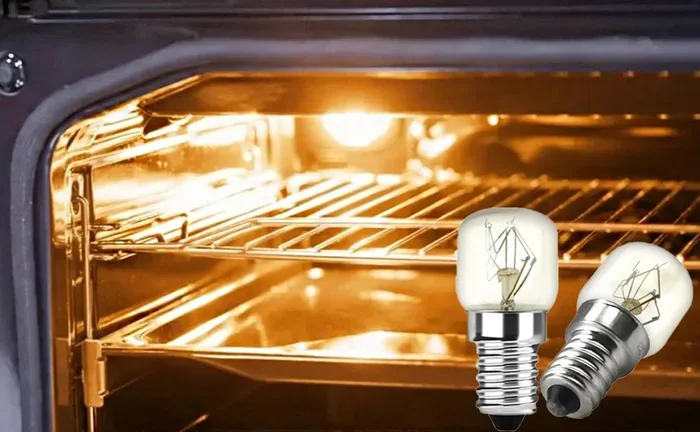
Yes, ovens do need a special light bulb designed to handle extreme heat. A regular bulb will burn out fast or even shatter inside a hot oven. The right oven light bulb is built with high-temperature glass and special filaments. Most ovens use a specialty appliance bulb rated for 300°F or higher. This guide covers every type, size, and brand you need to know.
Have you ever opened your oven door and noticed the interior light was dead? It is frustrating. You are trying to check on your roast or watch your cake bake, and suddenly you are guessing. The first thought that crosses most minds is, “Is there a special light bulb for ovens?” The short answer is yes. Ovens require a specialty appliance bulb built to withstand extreme heat. Using the wrong bulb can lead to a blown fuse, a cracked bulb, or even a dangerous situation inside your kitchen. Let us walk through everything you need to know about oven light bulbs and how to pick the right one.
Most people do not think about their oven light until it stops working. But the truth is, the bulb inside your oven works hard. It endures temperatures that can exceed 500°F when you are broiling. A standard household bulb simply cannot survive that. That is why appliance manufacturers designed a high heat oven bulb specifically for this job. Understanding what makes these bulbs different will help you make the right choice every time.
Key Takeaways
- Ovens need special bulbs: Regular bulbs can’t handle the extreme heat inside an oven.
- Appliance bulbs are the standard: These are rated for high temperatures and come in common sizes like A15 and G25.
- Halogen bulbs are popular: Many oven manufacturers use halogen appliance bulbs for bright, long-lasting light.
- Always check your oven manual: The right bulb type and wattage are listed in your owner’s manual.
- Replacement is easy: You can swap out an oven light bulb in minutes with basic tools.
- Never use a regular household bulb: It risks breaking, causing electrical issues, or even a fire hazard.
📑 Table of Contents
- Why Ovens Need a Special Light Bulb
- Types of Light Bulbs Used in Ovens
- Oven Light Bulb Sizes and Shapes
- How to Replace Your Oven Light Bulb
- Common Mistakes People Make With Oven Light Bulbs
- Where to Buy Oven Light Bulbs
- How Long Do Oven Light Bulbs Last
- Expert Tips for Maintaining Your Oven Light
- Frequently Asked Questions
- Conclusion
Why Ovens Need a Special Light Bulb
You might wonder why a normal light bulb will not work inside an oven. The answer comes down to heat resistance and safety. A regular incandescent bulb uses a filament that melts at relatively low temperatures. The glass envelope is not built to handle the sustained heat of an oven interior. Here is why a special oven light bulb makes all the difference.
Heat Resistance
A standard household bulb is rated for temperatures around 100°F to 150°F at most. That is fine for a living room lamp. But inside an oven, temperatures routinely reach 350°F to 500°F. A high temperature appliance bulb is constructed with reinforced glass and a filament that can handle this extreme environment. Without this heat resistance, the bulb will crack, shatter, or fail almost immediately.
Safety Concerns
Using the wrong bulb in your oven is a real safety risk. A regular bulb can explode from the heat. This sends glass fragments and hot gas inside your oven cavity. That is a hazard you do not want to deal with. A proper oven-rated appliance bulb is tested to prevent this. It is designed to stay intact even under extreme thermal stress.
Longevity and Performance
Even if a regular bulb somehow survives the heat, it will burn out very quickly. A specialty oven light bulb is built to last. These bulbs are engineered for continuous use in high-heat environments. You can expect a quality appliance bulb to last for years, not weeks.
Types of Light Bulbs Used in Ovens
Not all oven light bulbs are the same. There are a few different types you will encounter. Each has its own advantages. Let us break them down so you can find the best fit for your oven.
Halogen Appliance Bulbs
Halogen bulbs are the most common type found in modern ovens. They use a halogen gas inside a quartz or tempered glass envelope. This design produces a bright, white light that closely mimics natural daylight. Many homeowners prefer halogen oven lamps because they are energy efficient and long lasting. They also provide excellent visibility when checking on food.
Halogen bulbs typically come in two sizes for ovens: the A15 shape and the G25 shape. The A15 is the most widely used. It is a smaller, pear-shaped bulb that fits most standard oven sockets. The G25 is a globe-shaped bulb found in some larger or older oven models. Both are rated for high heat and work reliably inside an oven.
Incandescent Appliance Bulbs
Traditional incandescent appliance bulbs are still used in many ovens today. These bulbs use a tungsten filament inside a glass bulb. They produce a warm, soft light. While not as energy efficient as halogen, they are affordable and widely available. If your oven came with an incandescent bulb, you can easily find a replacement at most hardware stores.
Incandescent oven light bulbs are typically rated for 250°F to 300°F. They work well for standard baking and roasting temperatures. Just make sure you do not exceed the recommended wattage listed in your oven manual.
LED Bulbs for Ovens
LED bulbs are becoming more popular in home appliances. However, not all LED bulbs are safe for oven use. Standard LEDs are sensitive to heat and will fail quickly inside an oven. There are, however, high heat rated LED appliance bulbs designed specifically for ovens and ranges. These bulbs use heat-resistant materials and advanced thermal management. They are a great option if you want the energy savings of LED technology in your oven.
Keep in mind that LED oven bulbs can be more expensive than halogen or incandescent options. But they last significantly longer. If you are willing to invest, an LED oven light bulb can save you money over time.
Oven Light Bulb Sizes and Shapes
Choosing the right size is just as important as choosing the right type. Oven bulbs come in a few standard sizes. Using the wrong size means the bulb will not fit or will not make proper contact. Here is what you need to know.
Common Oven Bulb Sizes
- A15 Shape: This is the most common oven bulb size. It is a small, pear-shaped bulb with an E26 or E27 base. Most modern ovens use an A15 bulb.
- G25 Shape: This is a globe-shaped bulb that is slightly larger than the A15. Some older ovens and certain range models use a G25 bulb.
- T3 Shape: This is a tubular bulb found in some commercial and high-end residential ovens. It is less common but still worth knowing about.
Base Types
The base of the bulb is the part that screws into the socket. Most oven bulbs use an E26 medium base or an E27 European base. Some older ovens may use a different base type. Always check your oven manual or look at the old bulb before purchasing a replacement.
Wattage Ratings
Oven bulbs typically come in 25-watt, 40-watt, or 60-watt options. The right wattage depends on your oven model and how much light you need. Most ovens work fine with a 25-watt or 40-watt bulb. Using a higher wattage bulb than recommended can cause overheating and damage to the oven light fixture. Always stick to the wattage specified by the manufacturer.
| Bulb Type | Shape | Base | Common Wattage | Heat Rating |
|---|---|---|---|---|
| Halogen Appliance | A15 or G25 | E26 or E27 | 25W – 40W | Up to 500°F |
| Incandescent Appliance | A15 or G25 | E26 or E27 | 25W – 40W | Up to 300°F |
| High-Heat LED | A15 or G25 | E26 or E27 | 5W – 10W (equivalent) | Up to 400°F |
How to Replace Your Oven Light Bulb
Replacing an oven light bulb is one of the easiest home maintenance tasks. You do not need to be an electrician or a handyman. With a few simple steps, you can have your oven light working again in no time.
Step-by-Step Guide
- Turn off the oven: Make sure your oven is completely cool. Do not attempt to replace the bulb while the oven is hot.
- Locate the bulb cover: Most ovens have a small glass or metal cover on the back wall of the oven interior. This protects the bulb from food debris and grease.
- Remove the cover: Some covers twist off counterclockwise. Others may have a small screw. Check your oven manual if you are unsure.
- Remove the old bulb: Gently twist the old bulb counterclockwise to unscrew it from the socket. Be careful not to apply too much force.
- Insert the new bulb: Take your new oven light bulb and screw it into the socket clockwise. Do not overtighten.
- Replace the cover: Put the bulb cover back in place and secure it.
- Test the light: Turn on the oven light or close the door and turn on the oven to see if the bulb works.
Quick Tips for Bulb Replacement
- Always have a replacement bulb on hand. Keep a spare appliance bulb in your kitchen cabinet.
- Use a clean cloth when handling the bulb. Oils from your fingers can shorten the lifespan of halogen bulbs.
- If the bulb does not fit, double-check the size and base type before forcing it in.
- Never use a bulb with a higher wattage than recommended by your oven manufacturer.
Common Mistakes People Make With Oven Light Bulbs
Even though replacing an oven light bulb is simple, people still make mistakes. Here are the most common ones and how to avoid them.
Using a Regular Household Bulb
This is the number one mistake. A standard light bulb from the hardware store is not designed for oven use. It will fail quickly and may even break inside the oven. Always use a bulb specifically rated as an appliance bulb or oven light bulb.
Ignoring the Wattage Rating
Some people assume a higher wattage bulb means more light and better performance. That is not true inside an oven. Exceeding the recommended wattage can damage the oven light fixture and even pose a fire risk. Stick to the manufacturer’s specifications.
Forgetting to Replace the Bulb Cover
The bulb cover on your oven serves an important purpose. It protects the bulb from grease, food splatter, and moisture. Leaving the cover off can cause the bulb to fail prematurely. Always replace the cover after installing a new bulb.
Not Checking the Socket
If you have replaced the bulb and the light still does not work, the problem may not be the bulb. Inspect the socket for damage or corrosion. A damaged socket will prevent any bulb from working properly. In this case, you may need to call a technician.
Where to Buy Oven Light Bulbs
Oven light bulbs are easy to find. You do not need to visit a specialty store. Here are the best places to buy them.
Hardware Stores
Most local hardware stores carry a selection of appliance bulbs in the lighting aisle. Look for bulbs labeled as “appliance grade” or “high heat rated.” Brands like GE, Philips, and Westinghouse offer reliable options.
Online Retailers
Online shopping gives you access to a wider variety of oven light bulbs. You can compare prices, read reviews, and find specific models for your oven brand. Amazon, Home Depot, and Lowe’s websites are great places to search.
Appliance Parts Stores
If you have a specific oven model and cannot find the right bulb, an appliance parts store can help. They often carry OEM bulbs made for your exact oven brand. This is a good option for older or less common oven models.
Popular Brands for Oven Light Bulbs
- GE Appliance Bulbs: Known for durability and consistent performance.
- Philips Appliance Bulbs: Offer excellent brightness and long lifespan.
- Westinghouse Oven Bulbs: A budget-friendly option that works well for most ovens.
- TCP High Heat LED Bulbs: Great for those looking to upgrade to LED technology.
How Long Do Oven Light Bulbs Last
The lifespan of an oven light bulb depends on the type and how often you use your oven. On average, a quality halogen appliance bulb can last anywhere from 1,000 to 3,000 hours. That translates to about one to three years of normal use. Incandescent bulbs tend to last a bit less, while high-quality LED appliance bulbs can last even longer.
Factors that affect bulb life include how frequently you use your oven, the wattage of the bulb, and the ventilation inside the oven cavity. If you notice your oven light flickering or dimming, it is probably time for a replacement. Catching a failing bulb early can prevent it from breaking inside the oven.
Expert Tips for Maintaining Your Oven Light
Taking care of your oven light bulb can extend its life and keep your oven working at its best. Here are a few expert tips from appliance professionals.
- Clean the bulb regularly: Grease and food splatter can build up on the bulb and reduce light output. Wipe it down gently with a damp cloth when the oven is cool.
- Use the right bulb every time: Do not mix bulb types or sizes. Always replace with the same type and wattage recommended by the manufacturer.
- Keep spare bulbs handy: Having a replacement oven light bulb in your kitchen means you are never stuck in the dark when cooking.
- Check the bulb cover seal: A damaged or loose bulb cover can let heat and moisture reach the bulb faster. Make sure the seal is intact.
Frequently Asked Questions
Can I Use a Regular Light Bulb in My Oven?
No, you should never use a regular household bulb in your oven. Standard bulbs are not designed to handle the extreme heat inside an oven cavity. They can crack, shatter, or fail almost immediately. Always use a bulb specifically rated as an appliance bulb or oven light bulb that is designed for high-temperature environments.
What Size Light Bulb Goes in an Oven?
The most common oven bulb size is the A15 shape with an E26 or E27 base. Some older or larger ovens may use a G25 globe-shaped bulb. Always check your oven’s user manual or look at the old bulb before purchasing a replacement to ensure you get the correct size.
Can I Use an LED Bulb in My Oven?
Standard LED bulbs are not safe for oven use because they cannot handle high heat. However, there are high heat rated LED appliance bulbs specifically designed for ovens. These bulbs use heat-resistant materials and can withstand temperatures up to 400°F or more. Check the product specifications carefully before buying an LED bulb for your oven.
How Do I Know What Wattage Bulb to Use in My Oven?
The correct wattage is listed in your oven’s user manual. Most ovens work with a 25-watt or 40-watt appliance bulb. Never exceed the recommended wattage, as using a higher wattage bulb can cause overheating, damage the oven light fixture, or create a fire hazard.
How Often Should I Replace My Oven Light Bulb?
A quality halogen appliance bulb typically lasts one to three years with normal use. Incandescent bulbs may need replacement more frequently. If you notice the light flickering, dimming, or not turning on at all, it is time to replace the bulb. Keeping a spare bulb in your kitchen makes this quick and easy.
Why Does My Oven Light Keep Burning Out?
If your oven light bulb keeps burning out, there could be a few reasons. A loose socket can cause intermittent contact and shorten bulb life. Excessive moisture or grease buildup can also damage the bulb. In some cases, the bulb cover may be missing or damaged, exposing the bulb to more heat than it can handle. Check all of these factors before replacing the bulb again.
Conclusion
The answer to the question “Is there a special light bulb for ovens” is a clear and definitive yes. Your oven needs a specialty appliance bulb built to handle extreme heat. Whether you choose a halogen, incandescent, or high-heat LED bulb, the key is to match the right type, size, and wattage to your oven model. Using the wrong bulb is a simple mistake that can lead to safety hazards and unnecessary frustration.
Replacing an oven light bulb is quick, affordable, and something every homeowner can do. Keep a spare bulb in your kitchen, follow the manufacturer’s recommendations, and your oven will stay bright and functional for years to come. Take a few minutes today to check your oven light. It is one of those small things that makes a big difference in your daily cooking experience.