What Temperature To Bake Sourdough Bread Without Dutch Oven
Baking sourdough bread without a Dutch oven is completely doable and yields fantastic results. The ideal temperature to bake sourdough bread without a Dutch oven is 450°F to 500°F, depending on your method. You can achieve a crispy crust and open crumb using a baking stone, steam pan, or simple oven tray. This guide covers every temperature, technique, and tip you need. Whether you are a beginner or a seasoned baker, you will find practical advice here.
Baking sourdough bread without a Dutch oven might sound tricky. Many bakers believe you need that heavy pot to get a great loaf. But the truth is, you can bake amazing sourdough at home with just your regular oven. The key lies in understanding the right sourdough baking temperature, how to create steam, and what tools to use. This article walks you through everything step by step.
If you have been wondering what temperature to bake sourdough bread without Dutch oven, you are in the right place. We will cover exact temperatures, timing, tools, and common mistakes. By the end, you will feel confident baking sourdough bread in oven setups that do not include a Dutch oven. Let us dive in.
Key Takeaways
- Bake at 450°F to 500°F: This range delivers the best crust and crumb for sourdough without a Dutch oven.
- Use a baking stone or steel: These tools mimic the bottom heat of a Dutch oven and improve oven spring.
- Add steam to your oven: Steam keeps the crust soft early in baking, allowing maximum rise.
- Preheat for at least 45 minutes: A fully preheated oven is essential for great sourdough results.
- Score your dough properly: Scoring controls where the bread expands and gives it a beautiful look.
- Internal temperature matters too: Aim for 205°F to 210°F for a fully baked loaf.
- Adjust based on your oven: Every oven runs hot or cold, so use an oven thermometer.
📑 Table of Contents
- Why Bake Sourdough Without a Dutch Oven?
- The Best Temperature to Bake Sourdough Bread Without Dutch Oven
- Tools You Need for Baking Without a Dutch Oven
- Step-by-Step Baking Process Without a Dutch Oven
- Comparison: Dutch Oven vs. No Dutch Oven
- Common Mistakes to Avoid
- Expert Tips for Perfect Sourdough Without a Dutch Oven
- Quick Tips Summary
- Frequently Asked Questions
- Final Thoughts
Why Bake Sourdough Without a Dutch Oven?
A Dutch oven works beautifully for sourdough. It traps steam and surrounds the loaf with even heat. But not everyone owns one. Some Dutch ovens are too small for larger loaves. Others are simply heavy and hard to handle. Baking without one gives you more flexibility and freedom.
Here are some reasons bakers choose to skip the Dutch oven:
- Cost savings: A good Dutch oven can be expensive. Baking without one saves money.
- Larger loaves: You are not limited by the size of a pot.
- Lighter cleanup: No heavy pot to scrub after baking.
- More control: You can adjust heat and steam more freely.
- Less risk of burning: Dutch ovens can over-brown the bottom if not monitored.
The good news is that baking sourdough without a Dutch oven can produce results that rival or even beat pot-baked loaves. You just need the right temperature and a few simple tools.
The Best Temperature to Bake Sourdough Bread Without Dutch Oven
The short answer is 450°F to 500°F. But the full answer depends on a few factors. Let us break it down clearly.
Standard Baking Temperature: 450°F
Most sourdough experts recommend baking at 450°F when using a baking stone or steel. This temperature works well for loaves of all sizes. It gives you a golden brown sourdough bread crust without burning the bottom. At 450°F, the bread gets enough heat to develop a crispy exterior while the inside bakes through evenly.
Here is what happens at 450°F:
- The oven spring happens quickly in the first 15 minutes.
- The crust sets and turns golden brown.
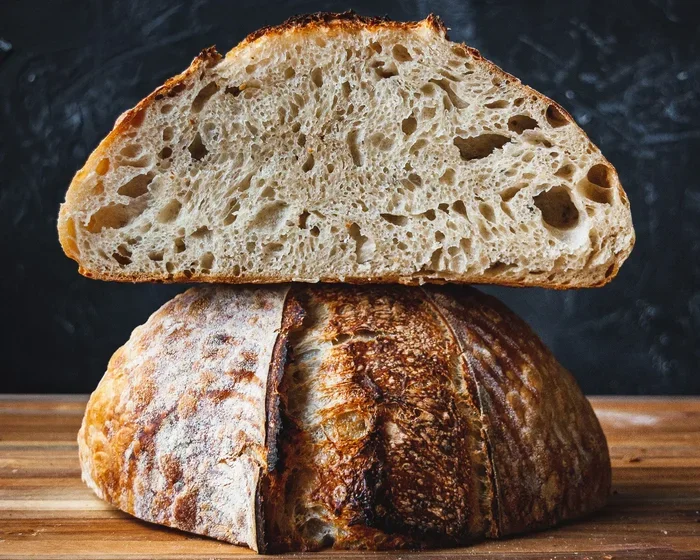
- The sourdough crumb opens up with nice air pockets.
- The internal temperature reaches 205°F to 210°F by the end.
Higher Temperature: 475°F to 500°F
Some bakers prefer a hotter oven. Baking at 475°F or 500°F can give you an even crispier crust. This works especially well if you are using a baking steel, which holds more heat than a stone. Higher temperatures also speed up Maillard reaction, which is the chemical process that creates that deep brown color and complex flavor.
However, higher heat comes with risks:
- The bottom can burn if you do not use a barrier.
- The top may not brown evenly without steam.
- You need to watch the bread more carefully.
If you want to try baking sourdough at 500°F, reduce the time slightly and keep a close eye on the loaf. A baking stone placed on the lowest rack helps protect the bottom from direct heat.
Lower Temperature: 425°F
Not every situation calls for high heat. Baking at 425°F works well for thinner loaves or when your oven runs hot. A lower temperature gives you more control and reduces the risk of burning. The trade-off is a slightly less crispy crust, but the sourdough bread bake time is longer, which can develop more flavor.
Tools You Need for Baking Without a Dutch Oven
You do not need much to bake sourdough without a Dutch oven. A few affordable tools make a huge difference. Here is what we recommend.
Baking Stone or Baking Steel
A baking stone is the single best investment for sourdough baking without a Dutch oven. It absorbs heat and releases it evenly into the bread. This mimics the intense bottom heat that a Dutch oven provides. A baking steel works even better because it holds more heat and transfers it faster.
Place your stone or steel on the middle or lower rack. Preheat it for at least 45 minutes. This ensures it is fully saturated with heat before the bread goes in.
Steam Pan or Ice Cubes
Steam is essential for great sourdough. In a Dutch oven, the dough’s own moisture creates steam. Without a pot, you need to add steam manually. A simple steam pan filled with water works perfectly. Place it on the bottom rack of your oven while preheating.
Another easy method is to toss ice cubes into a hot pan when you load the bread. The steam burst helps the crust stay soft during the first part of baking. This allows maximum oven spring before the crust hardens.
Baking Sheet and Parchment Paper
A baking sheet with parchment paper is a simple but effective option. It works great for freeform loaves or batards. The parchment prevents sticking and makes cleanup easy. You can also place a second baking sheet underneath your stone for extra insulation.
Oven Thermometer
This is a small but critical tool. Many home ovens lie about their temperature. An oven thermometer tells you the real heat inside. If your oven runs 25 degrees hot, your bread will burn on the outside and stay raw on the inside. Adjusting baking temperature based on actual oven heat is one of the biggest secrets to great bread.
Step-by-Step Baking Process Without a Dutch Oven
Now that you know the temperature and tools, let us walk through the actual process. Follow these steps for consistent results every time.
Step 1: Preheat Your Oven and Baking Stone
Place your baking stone or steel on the middle rack. Set your oven to 450°F to 500°F. Let it preheat for at least 45 minutes. A fully preheated oven and stone are non-negotiable for great sourdough bread baking. If you skip this step, the bread will not get the burst of heat it needs for oven spring.
Step 2: Prepare the Dough
While the oven preheats, shape your sourdough dough into a round or oval. Make sure the surface is taut and smooth. This tension helps the loaf hold its shape during baking. Let the dough rest at room temperature while you prepare the oven.
Step 3: Score the Dough
Scoring means cutting shallow slashes into the top of the loaf. Use a sharp blade or a lame (a special scoring tool). Score about half an inch deep. Scoring gives the bread a controlled place to expand. Without it, the loaf may burst unpredictably. A beautiful score pattern also makes your bread look professional.
Step 4: Add Steam
Before loading the bread, add steam to your oven. Place a steam pan on the bottom rack. Or, have a handful of ice cubes ready in a metal pan. When you slide the bread onto the stone, quickly toss the ice cubes into the hot pan and close the door fast. This creates a burst of steam that keeps the crust soft.
Step 5: Bake at the Right Temperature
Load the bread onto your preheated baking stone using a peel or a flat baking sheet. Close the oven door gently. Bake for the first 20 minutes with steam. Then, remove the steam pan and reduce the temperature to 425°F to 450°F. Continue baking for another 20 to 25 minutes until the crust is deep golden brown.
Step 6: Check the Internal Temperature
Use a digital thermometer to check the internal temperature. Insert it into the center of the loaf. You want 205°F to 210°F. This ensures the inside is fully baked and the crumb is open and fluffy. If the inside seems underdone, return the bread to the oven for a few more minutes.
Step 7: Cool Completely
Remove the bread from the oven and place it on a wire rack. Let it cool for at least one hour before cutting. This is hard to do, but it is important. The inside continues to set as it cools. Cutting too early results in a gummy crumb. Patience pays off here.
Comparison: Dutch Oven vs. No Dutch Oven
How does baking without a Dutch oven compare to baking with one? Let us look at the differences side by side.
| Factor | With Dutch Oven | Without Dutch Oven |
|---|---|---|
| Best Temperature | 450°F to 500°F | 450°F to 500°F |
| Steam Source | Trapped moisture from dough | Added manually with ice or pan |
| Bottom Heat | Intense, even from all sides | Requires baking stone or steel |
| Oven Spring | Excellent | Very good with proper steam |
| Crumb | Open and airy | Open and airy |
| Crust | Thick and crispy | Crispy, slightly thinner |
| Ease of Use | Simple, one-pot method | Requires more attention |
| Cleanup | Heavier, more involved | Lighter, easier cleanup |
| Cost | Requires Dutch oven | Only needs a baking stone |
| Loaf Size | Limited by pot size | Any size |
As you can see, the baking temperature is the same in both methods. The real difference is how you manage steam and bottom heat. With the right tools, baking sourdough without a Dutch oven produces nearly identical results.
Common Mistakes to Avoid
Even experienced bakers make mistakes. Here are the most common ones when baking sourdough without a Dutch oven, and how to fix them.
Not Preheating Long Enough
This is the number one mistake. A baking stone needs at least 45 minutes to fully absorb heat. If you put bread on a lukewarm stone, the loaf will not get the intense bottom heat it needs. The result is a flat loaf with no oven spring. Always wait for the full preheat time.
Skipping Steam
Without a Dutch oven, your bread loses steam fast. If you do not add steam manually, the crust hardens too early. This prevents the loaf from expanding fully. Always use a steam pan or ice cubes for the first 20 minutes of baking.
Baking at Too Low a Temperature
Some bakers lower the temperature to 400°F and bake longer. This can result in a dense loaf with a pale crust. Sourdough bread needs high heat to develop flavor and color. Stick with 450°F or higher for the best results.
Opening the Oven Door Too Often
Every time you open the oven, heat and steam escape. This can cause the loaf to collapse. Resist the urge to peek. Trust the process and only open the door when you need to add steam or check the color near the end.
Using a Thin Baking Sheet Instead of a Stone
A thin baking sheet does not hold enough heat. The bottom of the bread will not get the intense heat needed for a crispy crust. Invest in a baking stone or steel. It makes a world of difference.
Expert Tips for Perfect Sourdough Without a Dutch Oven
Here are some insider tips from experienced bakers that will elevate your loaves.
Use a Baking Steel for Faster Heat Transfer
A baking steel conducts heat faster than a stone. This means your bread gets a stronger burst of bottom heat the moment it hits the surface. The result is better oven spring and a crispier bottom crust. Many professional bakers prefer steel over stone.
Bake on the Lowest Rack
Placing your baking stone on the lowest rack puts the bread closer to the heat source. This mimics the intense bottom heat of a Dutch oven. It also reduces the risk of the top burning before the bottom is done.
Try the “Cold Start” Method
Some bakers place their shaped dough on a cold baking stone and then set the oven to 475°F. The stone heats up slowly with the bread inside. This gives a gentler, more even bake. The crust may be slightly less crispy, but the crumb is often more open. This method works well for beginners who want more forgiveness.
Brush the Top with Water
A quick spritz or brush of water on the top of the loaf before baking adds surface moisture. This helps the crust stay soft longer, allowing for more oven spring. It is a simple trick that makes a noticeable difference.
Let the Bread Rest on the Stone
After baking, leave the bread on the baking stone for 5 to 10 minutes. The stone continues to conduct heat upward, helping the bottom crust set. Then transfer to a wire rack to cool completely.
Quick Tips Summary
- Bake at 450°F to 500°F for the best results without a Dutch oven.
- Preheat your baking stone for at least 45 minutes.
- Add steam using a pan of water or ice cubes.
- Score your dough about half an inch deep before baking.
- Use an oven thermometer to verify actual temperature.
- Check internal temperature at 205°F to 210°F for doneness.
- Cool for at least one hour before slicing.
Frequently Asked Questions
Can I bake sourdough at 400°F without a Dutch oven?
Yes, you can bake sourdough at 400°F, but the results will differ. The crust will be less crispy and the oven spring may be reduced. A lower temperature also means a longer bake time, which can dry out the loaf. If you must bake at 400°F, add extra steam and extend the bake time slightly. However, 450°F to 500°F is the recommended range for the best sourdough bread without a Dutch oven.
How long should I bake sourdough without a Dutch oven?
Most loaves bake for 40 to 50 minutes total. Bake with steam for the first 20 minutes at 450°F to 500°F, then reduce to 425°F to 450°F for the remaining 20 to 30 minutes. The exact time depends on loaf size and your oven. Always check the internal temperature, which should reach 205°F to 210°F when fully baked.
What can I use instead of a Dutch oven for sourdough?
You have several great alternatives. A baking stone or baking steel is the most popular substitute. A heavy baking sheet with parchment paper works for freeform loaves. You can also use a ceramic baking dish or a simple oven-safe pan with a lid to trap some steam. The key is to replicate the intense bottom heat and steam that a Dutch oven provides naturally.
Do I need steam if I bake sourdough without a Dutch oven?
Yes, steam is essential. In a Dutch oven, the dough’s own moisture creates a steamy environment. Without the pot, that steam escapes quickly. You must add steam manually using a steam pan, ice cubes, or a spray bottle. Steam keeps the crust soft during the first 20 minutes of baking, allowing the bread to expand fully and develop maximum oven spring.
Why is my sourdough bread flat without a Dutch oven?
A flat loaf usually means poor oven spring. This happens when the oven is not hot enough, the stone is not fully preheated, or steam is missing. Make sure your oven reaches 450°F to 500°F before loading the bread. Preheat the baking stone for at least 45 minutes. Add steam immediately when the bread goes in. Also, check that your sourdough starter is active and strong, as weak fermentation can also cause a flat loaf.
Can I use a regular baking sheet instead of a baking stone?
You can, but the results will not be as good. A thin baking sheet does not hold much heat and cannot deliver the intense bottom heat needed for a crispy crust and good oven spring. If you must use a baking sheet, double it up for extra insulation and preheat it in the oven for a full 30 minutes. For significantly better results, invest in an affordable baking stone or steel.
Final Thoughts
Baking sourdough bread without a Dutch oven is easier than most people think. The key is getting the baking temperature right, which means 450°F to 500°F for the best results. Pair that with a preheated baking stone or steel, added steam, and proper scoring, and you will bake loaves that rival any professional bakery. The tools are simple, the process is straightforward, and the results are rewarding.
Do not let the lack of a Dutch oven hold you back. With the right sourdough baking temperature and a little practice, you can create golden brown, crispy-crusted sourdough in your own kitchen. Start with the tips in this guide, adjust based on your oven, and enjoy the process. Happy baking!