How Long To Reheat A Brisket In The Oven Perfectly
Reheating brisket in the oven is the best way to keep it moist and tender. Most whole briskets need about 1 to 2 hours at a low temperature. Always use aluminum foil and check the internal temperature to avoid drying out your meat.
How Long To Reheat A Brisket In The Oven is one of the most common questions barbecue fans ask after a big cook. Whether you have leftover brisket from a weekend smoke or meal prep, reheating it the right way makes all the difference. This guide gives you exact times, temperatures, and simple tips to get juicy brisket and tender brisket every time. You will learn how to protect the bark, keep the moisture locked in, and serve slices that taste almost as good as fresh off the smoker. Follow these steps and your next oven reheating session will be a hit.
Reheating a whole beef brisket is not the same as warming up a frozen dinner. The meat has a complex structure of fat, connective tissue, and bark that needs gentle treatment. Reheating brisket in the oven works because it provides even, controllable heat that warms the meat slowly without breaking it down. Many people wonder about reheating meat after a big gathering or holiday meal. The good news is that your oven can deliver restaurant-quality results at home. All you need is a little time, the right oven temperature, and a few simple tools. Let us walk through the full process so you can enjoy every last bite of your brisket leftovers.
In this article, we cover the full process step by step. You will find the best settings, timing charts, and simple tips that prevent dried-out meat. We also share common mistakes to avoid and storage advice that keeps your brisket leftovers safe and flavorful. By the end, you will feel confident reheating any size brisket in your oven. Whether you are a beginner or a seasoned griller, this guide has practical advice you can use right away.
Key Takeaways
- Low and slow is the way: Reheat at 225°F to 250°F for tender results that preserve the bark and moisture.
- Timing matters: A whole brisket takes 1 to 2 hours; sliced brisket reheats in 20 to 30 minutes.
- Wrap it up: Using aluminum foil or oven-safe wrapping locks in steam and keeps the meat juicy.
- Check the temperature: Always use a meat thermometer to ensure your internal temperature reaches 165°F for food safety.
- Rest before serving: Let your reheated brisket rest for 10 to 15 minutes so the juices redistribute evenly.
- Store properly: Refrigerate leftovers within 2 hours and use within 3 to 4 days for best flavor and food safety.
- Add moisture when needed: A splash of brisket pan juices or broth can revive dry slices and bring back the bark.
📑 Table of Contents
- Why Reheating Brisket In The Oven Is The Best Method
- How Long To Reheat A Brisket In The Oven (Step-By-Step Guide)
- The Right Oven Temperature And Settings For Reheating
- Tips For Keeping Your Brisket Moist And Tender
- Common Mistakes To Avoid When Reheating Brisket
- How To Store Brisket Leftovers For The Best Reheating Results
- Conclusion
Why Reheating Brisket In The Oven Is The Best Method
Not all reheating methods are created equal. When it comes to reheating brisket, the oven stands out for several important reasons. It gives you full control over heat and timing. You can monitor the process closely and adjust as needed. This level of control is hard to find with other methods like microwaves or stovetops.
The Benefits Of Oven Reheating
Oven reheating uses dry, ambient heat that warms the meat evenly from all sides. This is very different from a microwave, which creates hot spots and can turn your bark tough and chewy. With an oven, the brisket fat slowly renders and keeps the meat moist. The gentle heat also helps the bark stay crispy while the inner meat warms through.
Another big benefit is that you can add moisture easily. A splash of brisket pan juices or a light spritz of broth helps create steam inside the wrapping. This steam keeps the reheating meat from drying out. The oven also allows you to reheat a large beef brisket without crowding or overlapping slices, which is a common problem with other methods.
Oven Reheating vs Other Methods
Let us compare the main reheating methods so you can see why the oven wins. Each method has its place, but for a whole or large piece of brisket leftovers, the oven is hard to beat.
| Method | Time | Moisture Level | Bark Quality | Best For |
|---|---|---|---|---|
| Oven Reheating | 1 to 2 hours | High (with wrapping) | Excellent | Whole brisket or large portions |
| Microwave | 5 to 10 minutes | Low to medium | Poor | Quick single slices |
| Stovetop Steaming | 15 to 25 minutes | Medium | Good | Sliced brisket only |
| Sous Vide | 2 to 3 hours | Very high | Good | Precision reheating |
| Grill or Smoker | 30 to 60 minutes | High | Excellent | Outdoor reheating with smoke |
As you can see, the oven strikes the best balance between time, quality, and ease. It is the go-to method for most pitmasters and home cooks who want tender brisket without spending hours on the grill.
How Long To Reheat A Brisket In The Oven (Step-By-Step Guide)
The exact time depends on the size of your brisket and whether it is whole or sliced. Here is a detailed breakdown of the full oven reheating process.
Preparing Your Leftover Brisket
Start by taking your leftover brisket out of the fridge about 20 to 30 minutes before reheating. Letting it come closer to room temperature helps it heat more evenly. This small step reduces the risk of uneven cooking and keeps your food safety on track.
Next, gather your supplies. You will need an oven-safe dish, aluminum foil, and a meat thermometer. If you saved the brisket pan juices, have those ready too. They are liquid gold for adding moisture back into the meat. Place the brisket in the dish and pour any saved juices over the top.
If your brisket slices are separated from the point and flat, you can reheat them in a single layer. If you have a whole piece, keep it intact to preserve the bark and moisture. A light drizzle of broth or apple cider vinegar over the surface adds extra steam during reheating.
The Reheating Process
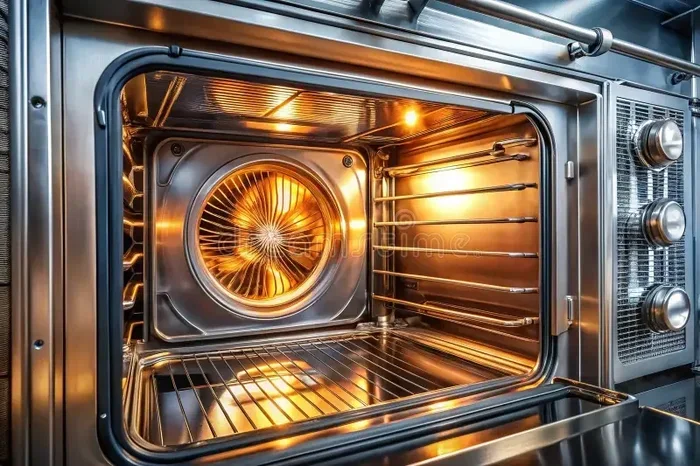
Preheat your oven to the right temperature. For most briskets, 225°F to 250°F is the sweet spot. This low and slow approach warms the meat gently without shocking the fibers. Place the wrapped dish in the oven and set a timer.
For a whole brisket, plan on about 1 to 2 hours. For sliced brisket, 20 to 30 minutes is usually enough. The key is to check the internal temperature often. You want the thickest part to reach 165°F. Use a digital meat thermometer inserted into the center of the meat for the most accurate reading.
Every 30 minutes, open the foil briefly to check the moisture level. If the meat looks dry, add a small splash of broth or pan juices. Then re-wrap and continue heating. This simple habit keeps your reheating brisket from drying out.
Checking For Doneness
When the internal temperature hits 165°F, your brisket is ready to come out. But do not rush to slice it right away. The carryover heat will continue to warm the meat for a few more minutes. This resting period is essential for juicy results.
Check the bark by touching it lightly. It should feel firm but not rock hard. The meat should feel warm throughout when you press on it. If it still feels cool in the center, give it another 10 to 15 minutes wrapped in foil. Patience here pays off with juicy brisket every time.
The Right Oven Temperature And Settings For Reheating
Getting the oven temperature right is the single most important factor in reheating brisket. Too hot and you dry out the meat. Too low and it takes forever. Here is everything you need to know about setting your oven for the best results.
Best Temperature For Reheating Brisket
The ideal range is 225°F to 250°F. This mimics the low heat of a smoker and warms the meat gently. At this temperature, the brisket fat has time to render and baste the meat from the inside. The collagen in the connective tissue softens without turning the bark into a hard shell.
If you are in a real hurry, you can go up to 275°F. But keep a close eye on the meat. Higher temperatures reduce the window for moisture retention. For the best tender brisket, stick with the lower end of the range. The extra time is worth it for the flavor and texture.
How Long At Each Temperature
Here is a quick reference guide for reheating times based on temperature and brisket size:
| Brisket Size | 225°F | 250°F | 275°F |
|---|---|---|---|
| Whole brisket (5-7 lbs) | 1.5 to 2 hours | 1 to 1.5 hours | 45 min to 1 hour |
| Whole brisket (8-12 lbs) | 2 to 3 hours | 1.5 to 2 hours | 1 to 1.5 hours |
| Sliced brisket (1-2 lbs) | 20 to 30 min | 15 to 25 min | 10 to 15 min |
| Point or flat only | 25 to 35 min | 20 to 30 min | 15 to 20 min |
These times are guidelines. Always rely on your internal temperature reading rather than the clock alone. Every oven runs slightly differently, and the starting temperature of your brisket leftovers also plays a role.
Tips For Keeping Your Brisket Moist And Tender
Dry brisket is the number one complaint when reheating. But with a few simple techniques, you can avoid this problem entirely. These tips will help you serve juicy brisket that tastes just as good as the day you cooked it.
The Role Of Brisket Fat And Juices
The fat cap and natural juices in a beef brisket are your best friends during reheating. As the meat warms up, the fat melts and coats the muscle fibers from within. This keeps the meat tender and adds rich flavor. Never discard the juices you saved from the original cook. They contain concentrated flavor and natural gelatin that helps bind moisture into the meat.
If you did not save pan juices, use beef broth or a mix of broth and apple cider vinegar. A small amount added to the oven-safe dish creates steam that keeps the surface of the meat from drying out. Just do not add too much liquid or you will end up with boiled brisket instead of steamed and reheated meat.
Wrapping Techniques That Work
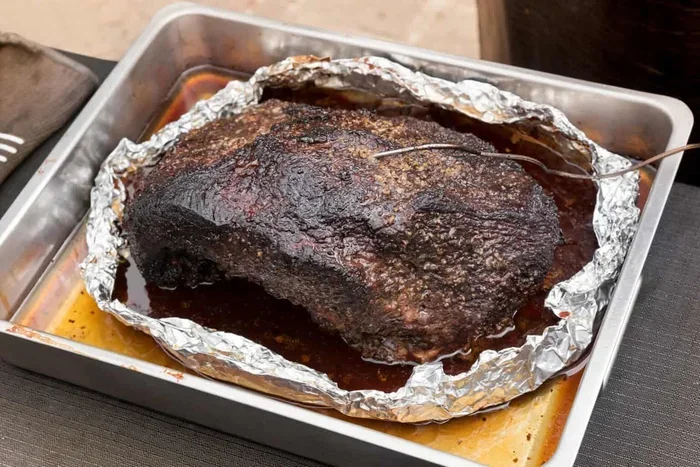
Brisket wrapping is the secret weapon for moisture retention. Double-layer aluminum foil creates a tight seal that traps steam around the meat. This steam gently heats the brisket and keeps the bark from getting soggy. For extra protection, place a layer of parchment paper under the foil. This prevents the foil from sticking to the bark if juices bubble up during reheating.
If you prefer a crispier bark, you can unwrap the brisket for the last 10 to 15 minutes of reheating. This exposes the surface to direct oven heat and restores some crunch. Just watch it closely so it does not dry out or burn.
Quick Tips For Perfect Results
- Always preheat your oven before placing the brisket inside. A cold start leads to uneven heating.
- Use a digital meat thermometer. Guessing leads to overcooking or undercooking.
- Do not skip the rest period. Let the brisket sit wrapped for 10 minutes after removing it from the oven.
- Slice against the grain when serving. This makes each bite easier to chew and more tender.
- Add a light spritz of apple cider vinegar or broth every 30 minutes if the meat looks dry.
- Use an oven-safe dish with a lid if you have one. It works just as well as foil wrapping.
Common Mistakes To Avoid When Reheating Brisket
Even experienced cooks make mistakes when reheating brisket. Knowing what to avoid saves you from a disappointing meal. Here are the most common errors and how to fix them.
Overheating And Drying Out
The biggest mistake people make is using too high a temperature. Cranking the oven to 350°F or higher might seem faster, but it dries out the meat quickly. The high heat evaporates moisture before the center has time to warm through. This leaves you with a tough outer layer and a dry interior.
Another mistake is reheating for too long. Just because the brisket fits in the oven does not mean it needs hours of heating. Follow the timing guidelines and check the internal temperature regularly. Once it hits 165°F in the thickest part, it is done. Pulling it out on time preserves the moisture and keeps your reheating meat tasting great.
Skipping The Rest Period
Some people slice into the brisket the moment it comes out of the oven. This releases all the juices onto the cutting board instead of keeping them in the meat. A 10 to 15 minute rest period lets the juices redistribute throughout the fibers. When you finally slice, each piece is moist and flavorful.
During the rest, keep the brisket wrapped in foil. The trapped heat continues to warm the center gently. This carryover cooking is an important part of the process and should never be skipped if you want tender brisket results.
Reheating Without Any Liquid
Reheating a dry brisket with no added moisture is a recipe for disaster. The meat has already lost a significant amount of juice during the original cook and storage. Without adding liquid back in, the reheating process pulls out even more moisture. Always add a small amount of broth, pan juices, or vinegar to the dish before reheating.
How To Store Brisket Leftovers For The Best Reheating Results
Proper storage is just as important as proper reheating. How you store your brisket leftovers directly affects how well they reheat later. Follow these guidelines to keep your meat safe and delicious for days after the original cook.
Refrigeration Tips
Cool your brisket to room temperature within 2 hours of cooking. This is a food safety rule that prevents bacterial growth. Once cooled, wrap the brisket tightly in aluminum foil or place it in an airtight container. Store it in the coldest part of your refrigerator, which is usually the back of the bottom shelf.
Properly stored leftover brisket keeps well for 3 to 4 days in the fridge. After that, the quality drops and the risk of spoilage increases. If you know you will not eat it within that window, freeze it instead. Label the wrapping with the date so you can track how long it has been stored.
Freezing And Reheating Later
Freezing is a great option if you want to enjoy your brisket leftovers weeks after the original cook. Wrap the brisket tightly in a double layer of aluminum foil followed by a layer of plastic wrap or a freezer bag. This prevents freezer burn and preserves the flavor.
When you are ready to eat, thaw the brisket in the refrigerator overnight. Then follow the same reheating process described earlier. Frozen brisket may need an extra 15 to 20 minutes of reheating time compared to refrigerated meat. The low and slow approach works just as well for frozen brisket as it does for fresh leftovers.
Pro tip: consider slicing the brisket before freezing. Individual slices reheat much faster than a whole piece. This saves time when you are ready to enjoy your oven reheating session and makes it easy to take out only what you need.
Conclusion
How Long To Reheat A Brisket In The Oven is really about patience and technique. The answer is usually 1 to 2 hours for a whole brisket and 20 to 30 minutes for sliced pieces. But the real secret is doing it at the right oven temperature with the right wrapping and moisture. Follow the steps in this guide and you will never serve dry, disappointing brisket again.
Remember to use a meat thermometer, rest your meat before slicing, and always add a little moisture when reheating. These small habits make a huge difference in the final result. Your brisket leftovers deserve the same care and attention as your first cook. With the right approach, every slice will be juicy brisket that tastes incredible. So next time you pull out those brisket leftovers, you will know exactly what to do. Enjoy the process and savor every bite.
Frequently Asked Questions
Can I reheat sliced brisket in the oven?
Yes, sliced brisket reheats much faster than a whole piece. Place the slices in a single layer in an oven-safe dish, add a splash of broth or pan juices, cover with aluminum foil, and heat at 250°F for 15 to 25 minutes. Check the internal temperature to make sure it reaches 165°F before serving.
What is the best temperature to reheat brisket in the oven?
The best oven temperature for reheating brisket is 225°F to 250°F. This low and slow approach warms the meat gently, preserves the bark, and keeps the brisket fat from drying out. Higher temperatures can cause the outer layers to overcook before the center is warm.
How do I keep the bark crispy when reheating brisket?
To keep the bark crispy, wrap the brisket in foil for most of the reheating process. Then remove the foil for the last 10 to 15 minutes to let the surface crisp up under direct heat. This technique gives you the best of both worlds: moist meat inside and a crunchy bark on the outside.
Can I reheat brisket more than once?
It is not recommended to reheat brisket more than once. Each reheating cycle increases the risk of bacterial growth and degrades the texture and flavor. Store only what you plan to eat in one sitting, and reheat only the portion you will consume right away for the best food safety and taste.
How long can I store reheated brisket leftovers in the fridge?
Once reheated, brisket should be eaten within 3 to 4 days if stored in the refrigerator. Make sure it reaches an internal temperature of 165°F when reheating. If you have a large amount of brisket leftovers, consider portioning them out and freezing what you will not eat within a day or two.
Do I need to add liquid when reheating brisket in the oven?
Yes, adding a small amount of liquid helps create steam that keeps the meat moist. Use brisket pan juices, beef broth, or a mix of broth and apple cider vinegar. Just a splash is enough. Too much liquid can make the meat soggy, so add it sparingly and adjust based on how dry your leftover brisket looks.