How Long To Warm Up Brisket In The Oven Step By Step
Wondering how long to warm up brisket in oven? This step-by-step guide shows you the exact time, temperature, and method to reheat leftover brisket perfectly. You’ll learn how to keep the meat juicy, tender, and full of flavor every time.
Leftover brisket is a treasure. You worked hard to smoke that beautiful beef brisket, and now you want to enjoy it again without drying it out. The question everyone asks is simple: how long to warm up brisket in oven? The answer depends on a few factors, but I will walk you through every detail. This guide gives you a clear, foolproof method that works every time. You will learn the right temperature, timing, and tricks to keep your reheated brisket juicy and tender. Whether you have whole slices or pulled meat, these steps will bring back that smoky, melt-in-your-mouth goodness.
Reheating brisket is not just about heating it up. It is about preserving the texture and flavor you worked so hard to create. A rushed warm-up can turn a prized piece of meat into dry, tough strips. I have tested many methods over the years. The low-and-slow oven method consistently wins. It gently brings the meat back to a safe temperature without shocking the fibers. You will see why this approach is the best for leftover smoked brisket, BBQ brisket, or any beef brisket you have stored in the fridge or freezer.
In this article, I break down the process into easy steps. You will find time estimates, temperature guides, and pro tips. I will also share common mistakes to avoid. By the end, you will feel confident warming any brisket leftover. Let us dive into the details of how long to warm up brisket in oven and get your meal ready.
Key Takeaways
- Low and slow is key: Reheat at 250°F to keep brisket moist.
- Wrap it up: Use foil or butcher paper to trap steam.
- Use a meat thermometer: Target 165°F internal temperature.
- Rest before slicing: Let it rest 10-15 minutes for juicy slices.
- Add liquid for moisture: Beef broth or apple cider vinegar prevents drying.
- Slice against the grain: Ensures tender, easy-to-chew brisket.
📑 Table of Contents
- Why Properly Warming Brisket Matters
- How Long To Warm Up Brisket In Oven: The Basic Method
- Step-by-Step Instructions for Warming Brisket
- Tips for Juicy, Tender Reheated Brisket
- Common Mistakes That Ruin Reheated Brisket
- Expert Insights: How to Store and Reheat Brisket Like a Pro
- Frequently Asked Questions About Warming Brisket
- Conclusion
Why Properly Warming Brisket Matters
You might think reheating meat is just about getting it hot. But brisket is a special cut. It has a lot of connective tissue and fat that need gentle treatment. When you warm brisket too fast, the proteins seize up and squeeze out moisture. The result is a dry, chewy texture that nobody wants. Proper warming preserves the juiciness and keeps the bark from turning rock-hard.
The Science Behind Reheating Meat
Brisket is a tough cut that becomes tender through slow cooking. The collagen in the meat breaks down into gelatin during the smoke or braise. When you reheat it, you want to melt that gelatin again without forcing the muscle fibers to contract too quickly. Low heat does this job. It gently warms the fat and juices throughout the meat. This is why a low and slow approach is essential for oven reheating of brisket.
Another key factor is steam. When you wrap the brisket, you create a humid environment. The steam keeps the surface from drying out. It also helps redistribute the rendered fat. This is a simple trick that makes a huge difference in the final bite. Think of it as giving your leftover brisket a second chance to stay moist.
How Long To Warm Up Brisket In Oven: The Basic Method
The core method for warming brisket in the oven is straightforward. You set the oven to a low temperature, wrap the meat, and let it heat slowly. The general rule is about 250°F for most briskets. This temperature is low enough to avoid drying out the meat but hot enough to bring it up to a safe serving temperature. I will give you exact times based on the size of your brisket.
Ideal Oven Temperature
Always preheat your oven to 250°F. This is the sweet spot for reheating brisket. Some people go as low as 225°F, which works great if you have more time. Higher temperatures like 300°F can work for smaller portions, but they increase the risk of drying out the outer layers. Stick to 250°F for the best balance of speed and moisture.
Remember that every oven runs a little hot or cold. Use an oven thermometer if you are unsure. An accurate temperature ensures your beef brisket warms evenly. This is a small step that pays off big in the final texture.
Time Estimates for Different Brisket Sizes
The time it takes to warm brisket depends on how much meat you have. A whole packer brisket takes longer than a few slices. Here is a simple breakdown based on common sizes. These times assume you start with refrigerated brisket, not frozen. If your brisket is frozen, you must thaw it first in the fridge.
| Brisket Size | Approximate Weight | Warming Time at 250°F |
|---|---|---|
| Whole Packer Brisket | 8-12 lbs | 3-4 hours |
| Half Brisket (Flat or Point) | 4-6 lbs | 2-2.5 hours |
| Small Sliced Portion (2-3 servings) | 1-1.5 lbs | 45-60 minutes |
| Pulled Brisket (leftover meat) | 1-2 lbs | 30-45 minutes |
These times are guidelines. The real indicator is the internal temperature. Use a meat thermometer to check the thickest part of the meat. You want the brisket to reach 165°F throughout. This ensures it is safe to eat and properly warmed.
Step-by-Step Instructions for Warming Brisket
Now that you know the basics, let us walk through the exact process. Follow these steps for perfect warm brisket every time. I will include tips for both sliced brisket and pulled brisket.
- Preheat the oven to 250°F. Give the oven time to reach the target temperature before the meat goes in.
- Remove the brisket from the fridge. Let it sit at room temperature for 15-20 minutes. This reduces the temperature gap and helps it warm more evenly.
- Prepare your wrapping. Use heavy-duty aluminum foil or butcher paper. If you have leftover juices or broth, add a splash to the meat before wrapping.
- Place the brisket in an oven-safe dish. A deep baking dish or a roasting pan works well. If you are reheating sliced brisket, lay the slices flat and add a little beef broth to the bottom of the dish.
- Wrap tightly. Seal the foil or paper completely. This traps steam and creates a moist environment. For extra moisture, you can add a tablespoon of apple cider vinegar or beef broth inside the wrap.
- Place the wrapped brisket in the oven. Put it on the middle rack for even heat circulation.
- Heat until the internal temperature reaches 165°F. Use a meat thermometer inserted into the thickest part. This is the most important step to ensure food safety and perfect texture.
- Remove and let it rest. Take the brisket out of the oven and keep it wrapped. Let it rest for 10-15 minutes. This allows the juices to redistribute throughout the meat.
- Unwrap, slice, and serve. Slice against the grain for the most tender bite. If you have pulled brisket, you can shred it further at this stage.
This method works beautifully for smoked brisket and any type of oven-reheated beef brisket. The key is patience. Do not rush the process by turning up the heat. Low and slow is the secret to moist, flavorful brisket warming.
Tips for Juicy, Tender Reheated Brisket
Even with the basic method down, a few extra tips can elevate your reheated brisket from good to great. These are the tricks pitmasters use to keep their leftover BBQ brisket tasting amazing.
Use the Liquid Method for Moisture
Adding a small amount of liquid inside the wrap or dish is a game-changer. Beef broth is my top choice. It adds depth of flavor and creates steam that keeps the meat moist. You can also use the juices that came off the brisket during its original cook. If you have those saved, drizzle a tablespoon or two over the meat before wrapping. For a tangy kick, add a splash of apple cider vinegar. The acid helps tenderize the meat slightly and brightens the flavor.
Do Not Skip the Rest Time
Resting is not just for a freshly cooked brisket. When you remove the warm brisket from the oven, let it sit wrapped for 10-15 minutes. During this time, the temperature equalizes throughout the meat. The juices relax and get reabsorbed. If you slice immediately, those juices will run out onto the cutting board instead of staying in the meat. A proper rest ensures every slice is succulent.
Keep an Eye on the Internal Temperature
A meat thermometer is your best friend. Do not rely on time alone. Ovens vary, and the thickness of the meat affects how fast it heats. Check the temperature in the center of the thickest part. Once it hits 165°F, the brisket is ready. If you prefer a slightly higher temperature for food safety, aim for 170°F. Just do not let it go above 180°F, or the meat will start to dry out.
Slice Against the Grain for Tenderness
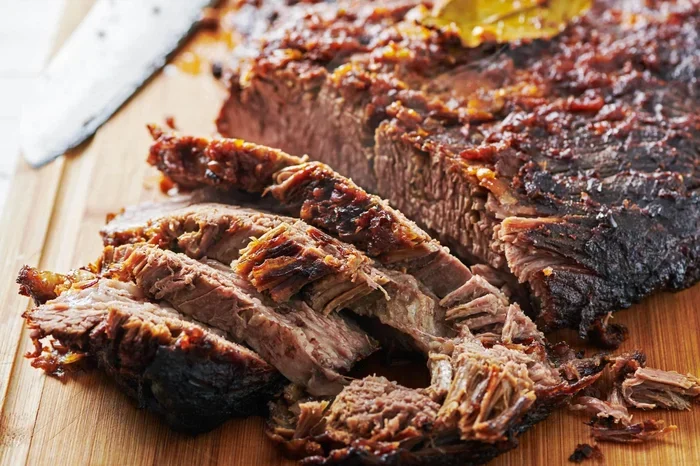
Brisket has two main muscles: the flat and the point. Each has a different grain direction. Look at the muscle fibers and cut perpendicular to them. This shortens the fibers and makes the meat much easier to chew. For sliced brisket, aim for pieces about pencil-width thick. For pulled brisket, use two forks to shred the meat along the grain. Proper slicing makes a big difference in the eating experience.
Common Mistakes That Ruin Reheated Brisket
Knowing what not to do is just as important as knowing the right steps. Avoid these pitfalls to keep your reheated brisket from becoming a disappointment.
Using Too High a Temperature
The biggest mistake is cranking the oven up to 350°F or higher to save time. This is a trap. High heat cooks the outside of the brisket quickly while the inside stays cold. By the time the center is warm, the outer layers are dry and tough. The bark can become hard and chewy instead of crispy and flavorful. Stick to 250°F and give the meat enough time. The slow warm-up preserves the moisture and keeps the texture tender.
Forgetting to Wrap the Meat
Leaving the brisket unwrapped in the oven is another common error. Without a cover, the steam escapes. The surface dries out fast, especially on the leaner flat section. Always wrap the brisket tightly in foil or butcher paper. This simple step locks in moisture and helps the fat render evenly. If you forget to wrap, you can cover the dish with a loose tent of foil, but a tight wrap is far more effective.
Reheating from Frozen Without Proper Thawing
If you froze your brisket, do not put it straight into the oven. Thawing in the fridge overnight is the safest method. Reheating a frozen block of meat leads to uneven warming. The outside can overcook while the center is still frozen. Once thawed, follow the same step-by-step instructions above. If you are in a hurry, you can thaw the brisket in cold water, but cook it immediately after.
Overheating the Brisket
It is easy to go too far. You might think “a little extra time won’t hurt,” but it does. Overheated brisket loses its juiciness and becomes stringy. Always pull the meat when it reaches 165°F at the center. Carryover cooking will raise the temperature another 5-10 degrees as it rests. This gentle carryover is perfect for reaching a safe serving temperature without drying out the meat.
Expert Insights: How to Store and Reheat Brisket Like a Pro
Proper storage sets you up for success when you are ready to reheat. If you store your brisket correctly, the warming process becomes much easier. Here are a few storage tips from my experience.
Cool the brisket completely before storing it. Do not put a hot brisket directly in the fridge. The heat can raise the temperature inside the refrigerator and affect other foods. Once cooled, slice the brisket if you plan to eat it within 3 days. Sliced brisket reheats faster and more evenly than a whole chunk. Store the slices in an airtight container with a little bit of the cooking juices. If you have a whole brisket, wrap it tightly in plastic wrap and then in foil. This prevents freezer burn if you are storing it for longer than 3 days.
When you are ready to reheat, take the brisket out of the fridge 20 minutes before it goes in the oven. This small step helps the meat warm more uniformly. If you have pulled beef brisket from the freezer, thaw it in the fridge for 24 hours first. Then follow the low-and-slow method I described earlier. The result will be just as delicious as the day you first cooked it.
Many people ask if they can use a microwave to warm brisket faster. While a microwave works in a pinch, it is not ideal. Microwaves heat unevenly and can turn the edges rubbery while the center stays cold. If you must use a microwave, do so in short bursts and cover the meat with a damp paper towel. But for the best results, the oven method is unbeatable. It gives you control over temperature and moisture, which is exactly what brisket warming needs.
I also recommend keeping a spray bottle with beef broth handy. If you notice the meat looks dry during reheating, a light spritz can add moisture back in. This is a quick fix that saves a lot of wasted effort. With these storage and reheating tips, you can enjoy your smoked brisket for days after the original cook.
Frequently Asked Questions About Warming Brisket
Here are answers to common questions people ask when they are learning how to reheat brisket. These quick tips can help you troubleshoot and perfect your method.
Can I warm brisket in the oven at 300°F?
Yes, you can warm brisket at 300°F, but it will take less time and requires more attention. The higher temperature speeds up the process, but it also increases the risk of drying out the outer layers. If you use 300°F, check the internal temperature more frequently. This method works best for smaller portions or when you are short on time. Wrap the meat well and add extra liquid to compensate for the faster cooking.
How do I know if the brisket is fully warmed through?
The only reliable way is to use a meat thermometer. Insert it into the thickest part of the brisket, avoiding any bone if present. The internal temperature should read 165°F throughout. If you have a large whole brisket, check in multiple spots. The center is the last area to heat up. Once it reaches 165°F, let it rest for 10 minutes and check again. The carryover heat will bring it to a perfect serving temperature.
Can I reheat brisket with the sauce on it?
It is better to add sauce after reheating. Sauce contains sugar and tomatoes that can burn or become sticky when heated for a long time. Warm the plain brisket first, then brush on your favorite BBQ sauce in the last 10-15 minutes of reheating. This keeps the sauce fresh and flavorful without scorching it. If you must reheat with sauce, cover the meat tightly and check it more often to prevent burning.
What is the best way to reheat sliced brisket?
Lay the slices flat in an oven-safe dish. Add a splash of beef broth or the original cooking juices to the bottom. Cover tightly with foil and warm at 250°F for 45-60 minutes, depending on the thickness of the slices. The broth creates steam that keeps the slices moist. Check the temperature with a thermometer to ensure they are heated through without overcooking.
Can I warm brisket in a slow cooker instead of the oven?
Yes, a slow cooker is a good alternative for reheating brisket. Place the brisket in the slow cooker with a little beef broth. Set it on low for 2-3 hours. The slow cooker traps moisture well and is very hands-off. However, it does not crisp up the bark. If you want a crispy exterior, finish the brisket under a broiler for 2-3 minutes after warming it in the slow cooker.
How long can I keep reheated brisket in the fridge?
Once you have reheated the brisket, eat it within 3-4 days. Store any leftovers in an airtight container in the refrigerator. Reheating brisket more than once is not recommended, as it increases the risk of bacterial growth and further dries out the meat. Plan your portions wisely so you only reheat what you plan to eat in one sitting.
Conclusion
Warming brisket in the oven does not have to be complicated. The secret is simple: low heat, proper wrapping, and patience. By following the steps in this guide, you can reheat any leftover brisket and enjoy it almost as much as the day you first cooked it. Remember that how long to warm up brisket in oven depends on the size and starting temperature, but the 250°F method gives you a reliable, foolproof result every time.
Use a meat thermometer to check for doneness. Add a little broth or juice for moisture. Let the meat rest before you slice it. These small efforts make a big difference in the final texture and flavor. Whether you are reheating a whole packer, a few slices, or some pulled brisket, the low-and-slow approach works beautifully.
Now you have all the tools you need to warm brisket like a pro. Do not let those delicious leftovers go to waste. Fire up your oven, wrap that brisket, and enjoy a meal that tastes almost as good as fresh off the smoker. With practice, you will know exactly how long to warm up brisket in oven for your specific setup. Happy reheating!