How To Reheat Brats In Oven For Juicy Delicious Results
Reheating brats in the oven is the easiest and most reliable way to keep them juicy and flavorful. This guide shows you exactly how to reheat brats in oven with the right temperature, timing, and simple prep steps. You will learn pro tips that turn leftover brats into a meal that tastes just as good as fresh off the grill.
There is nothing quite like a good bratwurst. Whether you grilled them at a summer barbecue or picked up a pack from your favorite butcher, brats are a favorite for many people. But what happens when you have leftovers? You could toss them in the microwave, but that often leads to dry, rubbery sausage that nobody wants to eat. The better option is to reheat brats in oven. This method keeps the juices locked in, the casing crispy, and the flavor rich. In this guide, we will walk you through every step so your reheated brats taste just as amazing as the first time around.
Reheating bratwurst might seem simple, but there is a real difference between just warming them up and doing it the right way. The oven gives you control over heat and moisture. You can add liquid, wrap them in foil, and watch the temperature closely. These small steps make a huge difference. Whether you are reheating a single brat or a whole batch, this article has everything you need to know. Let us get into it and make sure your next plate of brats is nothing short of perfect.
Key Takeaways
- Oven reheating preserves moisture: The even heat of an oven keeps brats juicy, unlike microwaving which dries them out fast.
- 350°F is the sweet spot: Reheat brats in oven at 350°F for 10-15 minutes for perfect results every time.
- Always use a meat thermometer: An internal temp of 165°F ensures your brats are safe and fully heated through.
- Add liquid for extra juiciness: A splash of beer or broth in the pan prevents drying and adds amazing flavor.
- Avoid common mistakes: Skipping the foil cover and overheating are the top reasons brats turn out dry and tough.
- Fresh brats vs. pre-cooked brats: Know the difference so you reheat them correctly and safely.
- Oven beats other methods: Oven reheating gives you crispy outsides and tender insides that microwaves and skillets can’t match.
📑 Table of Contents
Why Reheating Brats In The Oven Is The Best Method
When you have leftover brats, your first thought might be to zap them in the microwave. It is fast, and we have all been there. But microwave reheating has a big downside. It heats food unevenly, which means some bites are scalding hot while others are still cold. The microwave also strips moisture from the sausage, leaving you with tough, chewy brats that lack any real flavor.
The oven works completely differently. It surrounds the food with gentle, even heat. This means the brats warm up from all sides at the same pace. The casing gets a chance to crisp up slightly, which adds a nice texture contrast. Inside, the meat stays moist and tender. If you have ever eaten a microwaved brat and thought it tasted off, the method was probably the problem, not the brat itself.
The Science Behind Oven Reheating
Oven reheating uses convection heat. Hot air circulates around the food, warming it gradually. This slow process allows the fat inside the brat to render gently. Rendering fat is important because it keeps the sausage juicy and adds flavor. When you microwave a brat, the fat does not get the chance to do its job. It just gets zapped away along with the moisture.
Another big factor is the Maillard reaction. This is the chemical process that creates browning and crispy textures on food. When you reheat brats in oven, the dry heat encourages this reaction on the outside of the sausage. That gives you a slightly golden, crisp casing that a microwave simply cannot achieve. The inside stays warm and juicy because the oven does not blast the heat directly onto the meat.
Oven Reheating vs. Other Methods
Let us compare the main ways people reheat their brats. Each method has its pros and cons, but the oven clearly wins for quality.
- Oven: Even heating, crispy casing, juicy interior. Takes 10-15 minutes. Best overall results.
- Microwave: Very fast, but dries out brats and heats unevenly. Not recommended for quality.
- Skillet: Good for a quick reheat and adds a nice sear. Requires more attention and can dry out brats if you are not careful.
- Boiling: Adds moisture but makes the casing soggy. Best for cooking raw brats, not reheating.
- Grill: Great flavor but easy to overcook. Only works well if you have a grill ready and know how to manage heat.
As you can see, the oven strikes the best balance between convenience and quality. It is hands-off, consistent, and delivers results that rival freshly cooked brats every single time.
What You Need Before You Start
Before you start reheating, gather a few simple items. You do not need anything fancy or expensive. Most of what you need is probably already in your kitchen. Having everything ready before you begin makes the whole process smoother and faster.
Essential Tools
- Oven-safe baking sheet or pan: A rimmed sheet pan works great. It catches any drips and makes cleanup easy.
- Aluminum foil: This is your best friend for keeping moisture locked in during reheating.
- Meat thermometer: This is the single most important tool. It tells you exactly when your brats are safely heated through.
- Oven mitts: You will be handling a hot pan, so protect your hands.
- A small saucepan or cup: For heating up beer, broth, or water to add to the pan.
Ingredients That Make a Difference
The brats themselves are obviously the star of the show. But a few extra ingredients can take your reheated brats from good to outstanding. Here are some simple additions that work wonders:
- A splash of beer: Adds a rich, savory depth of flavor. Any beer you enjoy drinking works perfectly.
- Beef or chicken broth: Creates steam inside the pan that keeps brats moist.
- A pat of butter: Helps crisp up the casing and adds a buttery richness.
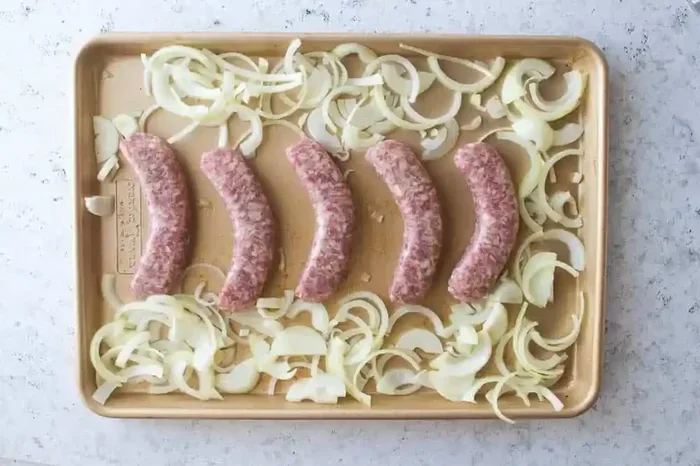
- Sliced onions: Cook alongside the brats for extra flavor and a nice sweet aroma.
- Mustard or grilling sauce: Brush on the brats near the end for a tangy, savory finish.
You do not need all of these. Even just the brats, a sheet pan, foil, and a thermometer will give you excellent results. The extras are just for those who want to go the extra mile.
Step-by-Step Guide to Reheat Brats In Oven
Now for the part you have been waiting for. Here is the complete process for reheating brats in oven. Follow these steps closely, and you will get perfectly warm, juicy brats every single time.
Step 1: Preheat Your Oven to 350°F
Start by preheating your oven to 350°F. This temperature is the sweet spot for reheating brats. It is hot enough to warm the sausage through in a reasonable time, but not so hot that it dries them out or bursts the casing. If your oven runs hot, you can drop it down to 325°F. If it runs cool, 375°F will work too. But 350°F is the standard that works for most ovens.
While the oven is warming up, take your brats out of the refrigerator. Let them sit at room temperature for about 5 to 10 minutes. This small step helps the brats heat more evenly. Cold brats straight from the fridge can cook unevenly in the oven, with the outside getting hot before the center is warm.
Step 2: Prepare Your Baking Sheet
Line a sheet pan with aluminum foil. This makes cleanup a breeze and helps trap moisture around the brats. If you want to add flavor, place a few slices of onion or a pat of butter on the pan now. You can also pour a small splash of beer or broth into the bottom of the pan. About a quarter cup is plenty. This liquid will create steam as it heats, which keeps your brats from drying out.
If you are reheating brats that already have a nice sear or grill marks, you can place them directly on the pan. If they are plain, consider giving them a light brush of oil. This helps the casing crisp up just a bit during reheating.
Step 3: Arrange the Brats on the Pan
Lay the brats out on the sheet pan. Give each one some space. Do not stack them or crowd them together. When brats are too close together, the steam gets trapped and the casing turns soggy instead of crispy. Leave at least half an inch between each brat.
If you are reheating a large batch, use two sheet pans or reheat in two rounds. It is tempting to squeeze everything onto one pan to save time, but this is a mistake that leads to uneven heating. Patience here pays off with better results.
Step 4: Cover with Foil and Place in the Oven
Tent the pan with aluminum foil. Do not seal it tightly. A loose tent allows some steam to escape, which helps the casing stay crispy. If you seal the foil completely, the brats will steam and the outside will get soft and chewy.
Place the pan on the middle rack of your oven. The middle rack gives the most even heat distribution. If you place the pan too high, the tops of the brats might overcook. Too low, and the bottoms might burn before the centers are warm.
Step 5: Reheat for 10-15 Minutes
Set a timer for 10 minutes. This is the starting point for most brats. The exact time depends on how many brats you are reheating and how cold they were to start. After 10 minutes, check the internal temperature with your meat thermometer.
The target internal temperature is 165°F. This is the safe temperature for reheated pork sausage. Insert the thermometer into the thickest part of the brat, avoiding touching the pan or the foil. If the temperature is below 165°F, keep reheating in 2-minute intervals. Check again each time until you hit the target.
For a single brat, 8-10 minutes is usually enough. For a full pack of 6-8 brats, plan on 12-15 minutes. If you added liquid to the pan, it might take a minute or two longer because the steam needs time to do its work.
Step 6: Remove the Foil and Crisp Up (Optional)
Once your brats reach 165°F, carefully remove the foil tent. Be careful of the steam that will escape. Now is the time to give the brats a quick blast of direct heat if you want a crispy casing. Remove the foil and leave the brats in the oven for an additional 2-3 minutes. Watch them closely so they do not burn.
This step is optional but highly recommended. The extra few minutes of uncovered heat give the outside of the brat a nice golden-brown finish. It adds a satisfying crunch that makes reheated brats taste almost as good as fresh-off-the-grill brats.
Step 7: Rest and Serve
Take the pan out of the oven and let the brats rest for 2-3 minutes. Resting allows the juices to redistribute throughout the meat. If you cut into a brat immediately after reheating, some of the juices will run out onto the plate instead of staying in the sausage.
Serve your reheated brats the way you like them. Classic options include a warm bun, sauerkraut, mustard, and grilled onions. You can also slice them and serve them over sauerkraut or alongside mashed potatoes. The possibilities are endless, and reheated brats work just as well in recipes as they do on their own.
Pro Tips for Juicy, Flavorful Brats
Getting the basics right is important, but these pro tips will take your reheated brats to the next level. These are the tricks that experienced cooks use to make their leftover brats taste incredible.
Add Beer or Broth for Extra Moisture
One of the easiest ways to keep reheated brats juicy is to add liquid to the pan. A splash of beer works wonderfully because it adds flavor while creating steam. Chicken broth is another great option. It is lighter than beer and adds a savory depth that pairs well with pork sausage.
You only need a small amount. About a quarter cup is plenty for a standard sheet pan. Pour it in before you add the brats, and let it simmer as the brats reheat. The liquid will create a gentle steam environment that keeps the meat from drying out. This is especially helpful if you are reheating brats that have been in the fridge for a few days and have lost some of their natural moisture.
Use a Low and Slow Approach for Best Results
Patience is key when reheating brats in oven. It can be tempting to crank up the heat to speed things along, but this is a recipe for disaster. High heat will cook the outside of the brat too fast while leaving the center cold. It can also burst the casing, causing the juices to escape and the brat to dry out.
Stick with 350°F and give the brats the time they need. If you are in a hurry, you can slightly increase the temperature to 375°F, but reduce the time and check the temperature more frequently. The low and slow approach always wins when it comes to moisture retention.
Reheat Brats with the Onion and Beer Method
This is a classic technique that adds incredible flavor. Slice a couple of onions and lay them in the bottom of the pan. Add a half cup of beer. Place the brats on top, cover with foil, and reheat as usual. The onions caramelize slightly in the beer, creating a natural sauce that coats the brats as they warm up. This method turns leftover brats into something that tastes like you cooked them from scratch.
The beer also helps to tenderize the meat slightly, making each bite more succulent. If you do not drink beer, chicken broth with a squeeze of lemon juice works as a great non-alcoholic alternative. It provides similar moisture and a bright, fresh flavor.
Common Mistakes to Avoid When Reheating Brats
Even with the best intentions, it is easy to make mistakes when reheating brats. Knowing what to avoid saves you from ending up with dry, overcooked sausage. Here are the most common errors and how to steer clear of them.
Skipping the Meat Thermometer
This is the single biggest mistake people make. Without a thermometer, you are guessing when the brats are done. Some parts might be piping hot while others are still lukewarm. Uneven heating is not just a quality issue. It is also a food safety concern. Pork sausage needs to reach an internal temperature of 165°F to be safe to eat.
A good instant-read thermometer costs just a few dollars and takes the guesswork out of reheating. Get one if you do not already have it. Your taste buds and your stomach will thank you.
Overheating the Brats
It is easy to leave brats in the oven too long, especially if you get distracted. Overheated brats lose their juices, and the casing becomes tough and chewy. The meat turns crumbly and dry, and no amount of sauce or toppings can fix that.
Set a timer and check the temperature regularly. If you are reheating a small batch, start checking at the 8-minute mark. Do not just set a timer and walk away. Stay nearby and be ready to pull them out the moment they hit 165°F.
Crowding the Pan
We touched on this earlier, but it deserves repeating. Overcrowding the pan traps steam and prevents the casing from crisping up. The brats end up steaming instead of reheating, which makes them soggy and bland. Give each brat its own space on the pan. If you need to cook more, use a second pan or do two batches.
Forgetting to Let Brats Rest
Resting is just as important for reheated brats as it is for freshly cooked ones. When you take the brats out of the oven, the internal temperature continues to rise slightly. This carryover cooking helps the heat distribute more evenly throughout the meat. Cutting into a brat right away releases all those precious juices onto the plate instead of keeping them inside the sausage.
Give your brats 2-3 minutes to rest after pulling them from the oven. This small wait makes a noticeable difference in juiciness and texture.
How to Tell When Your Brats Are Perfectly Reheated
Knowing when your brats are done is one of the most important skills in this entire process. Fortunately, there are clear signs you can look for. You do not have to guess or hope for the best.
Internal Temperature Check
The most reliable way to know your brats are ready is to check the internal temperature. Insert a meat thermometer into the center of the thickest brat. You are aiming for 165°F. This is the USDA-recommended safe temperature for reheated pork sausage. If the temperature reads 160°F, give it another minute or two and check again.
Take the temperature in at least two different brats, especially if you are reheating a large batch. The brats on the edges of the pan might be hotter than the ones in the center. Checking multiple brats gives you a more accurate picture of the overall doneness.
Visual and Texture Cues
Beyond the thermometer, there are visual signs that tell you your brats are done. The casing should look slightly puffed and have a light golden-brown color. If you press the brat gently with tongs, it should feel firm but springy. A brat that feels soft and squishy needs more time. One that feels rock hard has been overheated.
You might also notice small bubbles forming in any liquid you added to the pan. This is a good sign that the steam is doing its job and the brats are heating through evenly. If the liquid has completely evaporated and the brats still look pale, they need more time in the oven.
Frequently Asked Questions
Can You Reheat Brats in the Oven Without Foil?
Yes, you can, but the results will not be as juicy. Foil helps trap moisture and creates a gentle steam environment that keeps the brats from drying out. If you skip the foil, reduce the reheating time slightly and keep a close eye on the brats. You may also want to add more liquid to the pan to compensate for the lost moisture.
How Long Can You Keep Reheated Brats in the Fridge?
Reheated brats that have been stored properly in the fridge can last for 3 to 4 days. Make sure they are stored in an airtight container. If you need to keep them longer, freezing is a better option. Reheated brats can be frozen for up to 3 months. Just thaw them in the refrigerator overnight before reheating in the oven.
What Is the Best Way to Reheat Multiple Brats at Once?
The best way is to use two sheet pans or a large roasting pan with enough space between each brat. Reheating brats in oven works great for batches as long as you do not overcrowd the pan. Use a meat thermometer to check multiple brats, since the ones on the edges may heat faster than the ones in the middle.
Can You Reheat Brats That Were Already Grilled?
Absolutely. Pre-grilled brats reheat beautifully in the oven because the casing has already been seared. You simply need to warm them through without overcooking. Follow the same 350°F temperature and 10-15 minute timeframe. The grilled flavor actually intensifies slightly during oven reheating, which is a nice bonus.
Do You Need to Add Liquid When Reheating Brats in the Oven?
Adding liquid is not strictly necessary, but it is highly recommended. A splash of beer, broth, or even water creates steam that keeps the brats moist. Without any liquid, the brats rely solely on their own fat and juices to stay moist, which can be less reliable, especially if the brats have been refrigerated for a day or two.
Can You Reheat Brats in Oven with the Bun?
It is best to reheat the brats separately from the bun. Buns can become soggy and stale when exposed to the steam and heat of the oven. Reheat the brats on their own, then place them in a warm bun just before serving. This gives you a fresh, soft bun paired with a perfectly heated brat every time.
Final Thoughts
Reheating brats in oven is one of the simplest and most satisfying ways to enjoy leftover bratwurst. It takes just a few minutes of prep, a little bit of patience, and the right temperature to turn yesterday’s leftovers into today’s delicious meal. The oven gives you even heat, crispy casings, and juicy meat that no microwave can match.
Remember the key steps: preheat to 350°F, use foil to trap moisture, add a splash of beer or broth for extra juiciness, and always check the internal temperature with a meat thermometer. Avoid the common pitfalls like overcrowding the pan or overheating the brats. Follow these guidelines, and you will never have a dry, disappointing reheated brat again.
Whether you are feeding a crowd at a game day gathering or just treating yourself to a quiet weeknight meal, reheated brats done the oven way are always a winner. The process is easy to learn, and once you get the hang of it, you will never go back to microwaving again. So preheat that oven, grab your favorite brats, and get ready for a meal that tastes just as good as the first time around. Your leftover brats deserve better than the trash can, and now you know exactly how to give them a second life that is every bit as delicious as the first.