How To Slide Pizza Into Oven With A Seasoned Pro Chef
Sliding pizza into the oven the right way makes all the difference between a crispy, golden crust and a soggy mess. This guide breaks down the exact techniques seasoned pro chefs use to transfer pizza safely and efficiently. You will learn the best tools, common mistakes to avoid, and pro tips that elevate your homemade pizza game.
There is something deeply satisfying about sliding a freshly topped pizza into a hot oven. The smell of dough, sauce, and melting cheese fills the kitchen. But here is the thing many home cooks miss. The way you get that pizza into the oven can make or break the final result.
If you have ever had a pizza fold in half, stick to the peel, or land crooked on the oven floor, you know the frustration. How to slide pizza into oven like a seasoned pro is a skill anyone can learn. It just takes the right tools, a little practice, and a few insider tips. This guide walks you through everything you need to know.
Whether you bake pizza once a week or are just starting your homemade pizza journey, this article has you covered. We will go over the best tools, the step-by-step transfer method, common mistakes, and expert techniques that make the process feel effortless. Let us dive in.
Key Takeaways
- Use a pizza peel: A wooden or metal peel is the #1 tool for smooth pizza transfers into the oven.
- Preheat your pizza stone: A properly preheated stone ensures your crust gets that perfect crispy bottom.
- Dust with cornmeal or flour: This simple step prevents sticking and lets your pizza glide effortlessly.
- Move fast and confident: Hesitation is the enemy. A quick, smooth motion keeps your pizza intact.
- Avoid common mistakes: Using a wet dough, skipping the preheat, or overloading toppings causes problems.
- Parchment paper helps beginners: It offers a safety net while you build confidence in your sliding technique.
- Oven temperature matters: The hotter your oven, the faster and better your pizza bakes.
📑 Table of Contents
- Why Sliding Pizza Into the Oven Matters
- Choosing the Right Tools for Pizza Transfer
- Step-by-Step Guide to Sliding Pizza Into the Oven
- Common Mistakes People Make When Sliding Pizza
- Pro Chef Tips for Perfect Pizza Every Time
- Troubleshooting: When Pizza Sticks and Won’t Slide
- How Oven Type Affects Your Pizza Slide
- Quick Tips for Sliding Pizza Like a Pro
- Final Thoughts on Sliding Pizza Into the Oven
Why Sliding Pizza Into the Oven Matters
You might wonder why the sliding part is such a big deal. Can you not just carry the pizza to the oven on a plate? Technically, yes. But the results will not be the same. A smooth pizza slide keeps your crust intact, preserves your toppings, and ensures even baking.
When you slide pizza into oven on a preheated pizza stone, the bottom crust starts cooking immediately. This creates that desirable crispy texture everyone loves. If you drop or drag the pizza, you risk tearing the dough, scattering toppings, or ending up with a flat mess on the oven floor.
The transfer is the first real step in the pizza baking process. Think of it as the launch. A good launch sets you up for a perfect bake. A bad one means starting over or settling for a less-than-ideal result.
The Role of Your Pizza Peel
A pizza peel is a flat, paddle-shaped tool used to slide pizza in and out of the oven. It is the most important tool in your pizza-making toolkit. Pro chefs rely on peels for every single pizza they bake. There are two main types you should know about.
A wooden peel is great for loading pizza because the flour or cornmeal grips it just enough. A metal peel works better for removing pizza from the oven because its thin edge slides under the crust easily. Many home bakers keep both on hand for the best of both worlds.
Choosing the Right Tools for Pizza Transfer
Before you start sliding pizza into the oven, you need the right equipment. Using the wrong tool leads to sticking, tearing, and frustration. Let us look at your options.
Pizza Peels vs. Baking Sheets
A pizza peel is purpose-built for this job. It is thin, flat, and lightweight. A baking sheet works in a pinch, but it is thicker and harder to maneuver. The extra thickness can cause the pizza to catch on the oven rim.
That said, a rimless baking sheet can work if you do not have a peel. The key is to make sure it is small enough to fit through your oven door without bumping the sides. A standard sheet pan often is too wide for home ovens.
Using Parchment Paper for Easy Slides
If you are new to pizza making, parchment paper is your best friend. Place your shaped dough on a piece of parchment, add your toppings, then slide the whole thing onto the hot stone or baking surface. The parchment burns away in the oven, leaving your pizza to bake freely.
This method removes the fear of sticking completely. You can practice your sliding motion without worrying about ruining the pizza. Many beginners start with parchment and slowly transition to the bare peel as their confidence grows.
Cornmeal and Flour for Non-Stick Performance
Dusting your pizza peel with cornmeal or flour is a game-changer. The coarse texture of cornmeal creates a slippery layer between the dough and the wood. This lets the pizza glide smoothly when you give it a gentle shake or push.
Some people use regular flour, but cornmeal works better for most. It is coarser, which means less sticking. You can also use a mix of both for the best results. Just a light dusting is all you need. Too much makes a mess and can affect the crust texture.
Step-by-Step Guide to Sliding Pizza Into the Oven
Now that you have your tools ready, let us walk through the actual process. Follow these steps carefully, and your pizza transfers will improve dramatically.
Preparing Your Pizza Dough
Start with well-rested pizza dough. Cold dough is stiff and tears easily. Let it come to room temperature before you shape it. This makes the dough more flexible and easier to handle on the peel.
Shape your pizza on a lightly floured surface. Keep it thin but not paper-like. A uniform thickness helps the pizza cook evenly. Once shaped, gently lift it and place it on your prepared peel. Give the peel a little shake to make sure the pizza can move freely.
Add your sauce, cheese, and toppings quickly. Overloading the pizza makes it heavy and harder to slide. Less is more when it comes to toppings, especially for beginners.
The Actual Sliding Technique
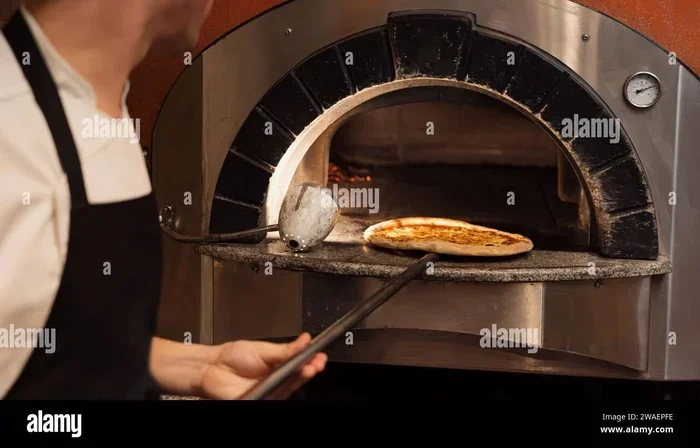
Here is where the magic happens. Grab the handle of your pizza peel with one hand. Position it near the back of your oven, facing the hot surface inside. Take a deep breath and stay calm.
Give the back of the peel a quick, confident jerk toward you. The pizza should glide forward onto the preheated stone or baking surface. Do not hesitate mid-motion. A slow push causes the pizza to catch and stick.
Quick tip: practice the motion without pizza first. Slide an empty peel back and forth on your counter to get a feel for the movement. This muscle memory will help when it is time for the real thing.
Positioning the Pizza Correctly
Once the pizza is inside, use a quick back-and-forth wiggling motion with the peel to adjust its position. You want it centered on the stone or baking surface. This ensures even heat distribution and a balanced bake.
If your oven has a visible door, you can watch the pizza land. If not, trust your instincts. Most people can feel when the pizza is centered by the resistance or lack thereof on the peel.
Common Mistakes People Make When Sliding Pizza
Even experienced home bakers make slip-ups. Here are the most common mistakes and how to avoid them.
Using a Wet or Sticky Dough
Wet dough sticks to everything. If your dough feels tacky, add a bit more flour to the surface and the peel. The dough should feel smooth and slightly tacky but not sticky. A well-floured surface is your first line of defense against sticking.
Skipping the Preheat
A cold pizza stone or baking surface is a sticking nightmare. Always preheat your oven with the stone inside for at least 30 to 45 minutes. The stone needs to be screaming hot before the pizza touches it. This also kickstarts the oven spring, giving your crust that beautiful puffy lift.
Overloading the Peel
Too many toppings make the pizza heavy and unwieldy. It also makes it harder to slide. Keep your toppings light and evenly distributed. Less weight means a smoother, cleaner transfer every time.
Moving Too Slowly
Speed and confidence are everything. If you hesitate, the pizza stops and sticks. Commit to the motion. A fast, smooth slide is all it takes. Remember, the pizza is already on its way to becoming delicious.
Pro Chef Tips for Perfect Pizza Every Time
Seasoned pro chefs use a few tricks that take pizza transfers from awkward to effortless. Here are the tips that make the biggest difference.
Preheating Your Pizza Stone the Right Way
Place your pizza stone on the middle oven rack. Turn the oven to its highest setting, usually between 475 and 550 degrees Fahrenheit. Let it heat for a full 45 minutes to an hour. The stone needs to absorb enough heat to cook the crust instantly.
If you have a pizza steel instead of a stone, the process is the same. Steel heats faster and retains heat better, which is why many pros prefer it. Either way, patience with the preheat pays off in spades.
Mastering the Oven Spring
Oven spring is the rapid rise of the crust in the first few minutes of baking. It happens when the hot stone or steel hits the moist dough. The steam inside the dough expands quickly, creating those beautiful airy bubbles.
To maximize oven spring, make sure your dough is at room temperature and your stone is fully preheated. The hotter the surface, the more dramatic the spring. A well-loaded peel and a confident slide give the dough the best chance to puff up beautifully.
Keeping the Peel Clean and Floured
After every use, clean your peel and re-dust it with fresh cornmeal or flour. Old stuck-on dough creates rough spots that grab the new pizza. A smooth, clean surface on the peel makes every transfer feel like butter.
Some pro chefs season their wooden peels with food-safe mineral oil. This prevents the wood from drying out and cracking. It also creates a smoother surface for loading. A well-maintained peel lasts for years and performs better with time.
Using a Two-Person Team
If you are baking with a partner, divide the work. One person loads the pizza on the peel while the other preheats the oven and prepares the stone. This teamwork approach reduces stress and makes the whole process faster and more enjoyable.
Troubleshooting: When Pizza Sticks and Won’t Slide
Even with the best preparation, pizza can sometimes stick. Here is how to handle it when things go wrong.
The Pizza Stuck on the Peel
If your pizza refuses to budge, do not force it. Forcing tears the dough and ruins the shape. Instead, gently lift the edges and add a little more cornmeal or flour underneath. Wait a few seconds and try again with a quick shake.
If you are using parchment paper, the stuck pizza lifts right off with the paper. This is one of the biggest advantages of the parchment method. It is a simple safety net that saves many pizzas from disaster.
The Pizza Sticks to the Stone
A pizza that sticks to the stone usually means the stone was not hot enough or was not properly prepared. A well-preheated stone actually releases pizza more easily because the crust sets instantly on contact.
If your stone is new, season it before the first use. Rub a thin layer of oil on the surface and heat it in the oven. This creates a natural non-stick layer that improves with each use over time.
Salvaging a Dropped Pizza
Sometimes the pizza drops onto the oven floor. It happens to everyone. Do not panic. Use a long-handled spatula or pizza wheel to scrape it back onto the stone. If the damage is minor, the pizza will still bake just fine.
Pro tip: keep a small brush or broom near the oven for quick clean-ups. A clean oven floor makes it easier to rescue a dropped pizza and keeps your baking area tidy.
How Oven Type Affects Your Pizza Slide
Different ovens behave differently when you slide pizza into them. Understanding your oven type helps you adjust your technique.
A standard home oven works well with a pizza stone or steel placed on the middle rack. The key is to preheat thoroughly and use a peel that fits through the door. Most home ovens have a door that opens wide enough for a standard-sized peel.
A pizza oven or outdoor oven operates at much higher temperatures. The slide needs to be faster because the intense heat cooks the crust almost instantly. Pro chefs working in wood-fired pizza ovens can slide a pizza in and out in under 10 seconds. At home, you do not need to be that fast, but speed and confidence still matter.
A convection oven circulates hot air, which can dry out the edges of your pizza faster. To counter this, use a lower temperature and check the pizza a few minutes earlier than you normally would. The sliding technique remains the same regardless of oven type.
Quick Tips for Sliding Pizza Like a Pro
- Always preheat your stone or steel for at least 30 minutes. A hot surface releases pizza instantly.
- Dust the peel generously with cornmeal. This is your best insurance against sticking.
- Work quickly once the pizza is assembled. Toppings can make the dough soggy and sticky over time.
- Keep your peel at a slight angle. A gentle tilt helps the pizza glide forward when you shake it.
- Practice with an empty peel first. Build muscle memory before loading a real pizza.
- Use parchment paper if you are nervous. There is no shame in using a beginner-friendly method.
- Clean your peel after every use. A smooth surface ensures smooth transfers every time.
Final Thoughts on Sliding Pizza Into the Oven
How to slide pizza into oven is a skill that transforms your homemade pizza from good to great. It is not about fancy equipment or years of experience. It is about using the right tools, following a simple process, and building confidence with practice.
Start with the basics. A good pizza peel, a preheated stone, and a generous dusting of cornmeal. Master the quick, confident slide. Avoid the common mistakes that trip up beginners. And remember, every pro chef started exactly where you are now.
The beauty of homemade pizza is that every bake is a chance to improve. Your first pizza might not be perfect, and that is perfectly fine. With each attempt, your technique gets smoother and your results get better. Soon, sliding pizza into the oven will feel as natural as breathing.
So go ahead. Fire up your oven, shape your dough, and give it a try. The perfect pizza is waiting on the other side of that peel. Trust the process, enjoy the journey, and most importantly, have fun with it. Your kitchen is your pizzeria now.
Frequently Asked Questions
What is the best tool for sliding pizza into the oven?
A wooden pizza peel is the best tool for loading pizza into the oven. It provides enough friction to hold the pizza while you position it, then releases smoothly when you shake it. Metal peels work better for removing pizza from the oven because of their thin edges. Many home bakers keep both types for the best results.
Can I use parchment paper to slide pizza into the oven?
Yes, parchment paper is an excellent option, especially for beginners. Simply assemble your pizza on a piece of parchment, then slide the whole thing onto the hot stone. The parchment will burn away during baking and does not affect the taste or texture of your pizza. It is a safe and easy way to avoid sticking.
Why does my pizza stick to the pizza peel?
Pizza sticks to the peel when there is not enough flour or cornmeal on the surface. Wet dough is also a major culprit. Make sure your dough is properly floured and your peel is clean before each use. Also, make sure your dough has rested and come to room temperature for the best results.
How long should I preheat my pizza stone before sliding pizza in?
Preheat your pizza stone for at least 30 to 45 minutes at your oven’s highest setting. A fully preheated stone cooks the crust instantly and releases the pizza easily. If you have a pizza steel, it may need slightly less time because steel heats up faster than stone.
What temperature should my oven be for baking pizza?
The ideal temperature for homemade pizza is between 475 and 550 degrees Fahrenheit. Higher temperatures create better oven spring and a crispier crust. If your oven has a pizza or broil setting, use it to maximize the heat. Always preheat with the stone or steel inside the oven.
How do I fix a pizza that tears when I try to slide it?
A torn pizza usually means the dough was too cold or too thin. Let your dough rest at room temperature before shaping, and keep the thickness uniform. If a tear happens during transfer, you can patch it with a small piece of spare dough. The pizza will still bake beautifully, even if it is not picture-perfect.
=== CONCLUSION ===
How to slide pizza into oven like a pro is simpler than you think. With the right tools, a little preparation, and a confident motion, you can transfer pizza into your oven smoothly every single time. The key takeaways are clear. Use a pizza peel dusted with cornmeal. Preheat your stone thoroughly. Move quickly and without hesitation. And never be afraid to use parchment paper as a beginner-friendly shortcut.
The difference between a good pizza and a great pizza often comes down to the transfer. It is that small moment where everything comes together. The dough hits the hot stone, the toppings settle, and the baking begins. Get that moment right, and everything else falls into place.
Now it is your turn. Head to your kitchen, gather your tools, and put these techniques to work. Each pizza you bake will sharpen your skills and build your confidence. Before long, sliding pizza into the oven will feel second nature. Enjoy the process, savor the results, and share your delicious homemade creations with the people you love.