How To Operate Your Coffee Maker Machine Like a Pro
Operating your coffee maker machine like a pro is easier than you think. This guide walks you through every step of brewing great coffee, from setup to cleaning, so you can enjoy barista-quality drinks at home. You will learn the right techniques, avoid common mistakes, and keep your machine running smoothly for years.
Key Takeaways
- Know Your Machine: Understanding the basic parts of your coffee maker machine makes operation simple and intuitive.
- Use Fresh, Quality Beans: Grinding your own beans right before brewing dramatically improves flavor and aroma.
- Master the Water-to-Coffee Ratio: The right ratio is the single biggest factor in brewing a balanced, delicious cup.
- Clean Regularly: Routine maintenance prevents buildup, keeps your coffee tasting fresh, and extends the life of your machine.
- Avoid Common Pitfalls: Skipping the pre-wet step, using stale grounds, and ignoring scale buildup are the top mistakes home brewers make.
- Experiment to Find Your Perfect Cup: Adjusting grind size, brew time, and water temperature lets you customize coffee strength and flavor to your exact taste.
📑 Table of Contents
- Understanding Your Coffee Maker Machine
- Step-by-Step Guide to Operating Your Coffee Maker Machine
- Tips for Brewing the Perfect Cup Every Time
- Common Mistakes People Make When Operating a Coffee Maker Machine
- Cleaning and Maintenance for Long-Lasting Performance
- Choosing the Right Coffee Maker Machine for Your Needs
- The Science Behind Great Coffee Brewing
- Final Thoughts on Mastering Your Coffee Maker Machine
Understanding Your Coffee Maker Machine
Before you start brewing, it helps to know what is inside your coffee maker machine. Most drip machines share the same core parts. The water reservoir holds the fresh water you will use. The heating element brings that water to the right temperature. The filter basket holds your coffee grounds during the brewing cycle. And the carafe (or pot) catches the finished coffee as it drips through.
Understanding these basic coffee maker parts gives you control. When you know what each component does, troubleshooting becomes easy. You will also notice when something is not working the way it should. This knowledge forms the foundation for every great cup you brew at home.
Different machines have different features. Some coffee makers include programmable timers, strength settings, or built-in grinders. A drip coffee maker is the most common type found in homes. But you might also own a single-serve pod machine or a pour-over setup. Each style operates a little differently, but the core principles stay the same.
Step-by-Step Guide to Operating Your Coffee Maker Machine
Now let us walk through the actual process. Follow these steps every time you want to brew a fresh pot. Once you do this a few times, it becomes second nature.
Step 1: Start with Clean Water
Fill the water reservoir with fresh, cold water. Always use filtered water when possible. Tap water with heavy chlorine taste can ruin the flavor of your brew. The amount of water you add determines how many cups you will get. Check the markings on the side of the carafe to measure correctly.
Step 2: Insert a Filter
Place a paper or reusable filter into the filter basket. Paper filters remove oils and fine particles, giving you a cleaner cup. Reusable metal filters let more oils through, which some coffee lovers prefer. Make sure the filter sits snugly in place before adding grounds.
Step 3: Add Your Coffee Grounds
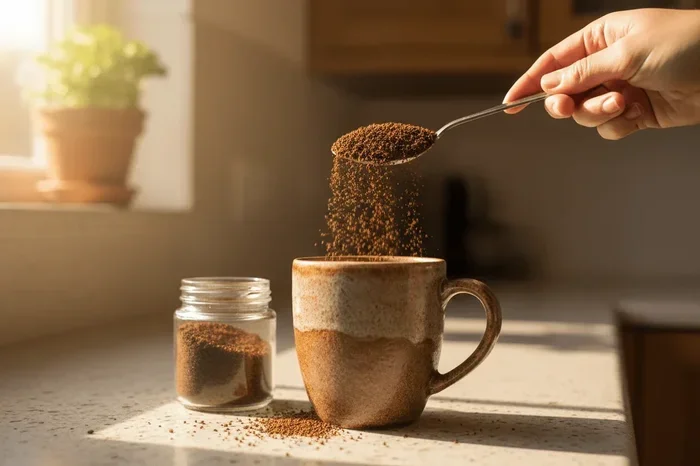
Measure your coffee grounds carefully. The standard ratio is about two tablespoons of grounds per six ounces of water. Adjust this based on how strong you like your coffee. Use freshly ground beans whenever possible. Pre-ground coffee loses flavor fast, sometimes within hours of opening the bag.
Step 4: Start the Brew Cycle
Place the carafe on the warming plate. Make sure the lid is closed securely. Press the start button or turn the dial. Your machine will begin heating the water and dripping it through the grounds. A full brew cycle usually takes between five and ten minutes. Do not rush this process. The water needs time to extract the best flavors from the grounds.
Step 5: Serve and Enjoy
Once the brewing is complete, pour yourself a cup right away. Fresh coffee tastes best when served hot. If you are not drinking it immediately, keep the carafe on the warming plate for no more than twenty minutes. After that, the coffee starts to taste bitter and burnt.
Tips for Brewing the Perfect Cup Every Time
Getting great coffee from your coffee maker machine is about more than just pressing a button. Small details make a big difference in taste and quality.
Use the Right Water Temperature
The ideal brewing temperature ranges between 195 and 205 degrees Fahrenheit. Most quality coffee makers heat water to this range automatically. If your machine runs too hot or too cold, the flavor suffers. Too hot water pulls out bitter compounds. Too cool water under-extracts the grounds, leaving your coffee weak and sour.
Grind Size Matters
For drip coffee makers, use a medium grind. It looks similar to coarse sand. Too fine a grind can clog the filter and cause over-extraction. Too coarse a grind lets water pass through too quickly, resulting in weak coffee. If you buy whole beans, invest in a simple burr grinder. Grinding beans just before brewing locks in the aroma and flavor.
Preheat Your Machine
Run a cycle of plain water through the machine before adding grounds. This warms up the internal parts and the carafe. Preheating helps the water maintain the right temperature during brewing. It is a small step that professional baristas always follow.
Store Your Beans Properly
Keep your coffee beans in an airtight container at room temperature. Avoid storing them in the fridge or freezer, where moisture can damage the flavor. Buy beans in small quantities so you always use fresh roast coffee. Beans taste best within two to four weeks of roasting.
Common Mistakes People Make When Operating a Coffee Maker Machine
Even experienced coffee drinkers sometimes make avoidable errors. Knowing what to watch out for saves you from disappointing cups.
Using Stale Coffee Grounds
Old, stale grounds produce flat, lifeless coffee. Always check the roast date on your bag. Coffee starts losing its peak flavor within two weeks of grinding. If you buy pre-ground, store it in a sealed container away from light and heat.
Skipping the Cleaning Routine
Coffee oils build up inside the machine over time. This residue turns rancid and affects the taste of every new brew. Just like you would clean burnt food from your oven regularly, you need to clean your coffee maker on a regular schedule. Run a vinegar and water solution through a brewing cycle once a month. This removes mineral deposits and built-up oils.
Ignoring the Water Filter
Many coffee makers include a small charcoal water filter. Replace this filter every two months or as the manufacturer recommends. A clogged or old filter does not purify water effectively. Clean water directly impacts the taste of your final cup.
Overfilling the Grounds Basket
Packing too many grounds into the filter basket blocks water flow. The result is uneven extraction and a messy overflow. Stick to the recommended amount and level the grounds gently with a spoon.
Leaving Coffee on the Warming Plate Too Long
The warming plate keeps coffee hot, but it also causes it to cook. Coffee left on the plate for more than twenty minutes develops a harsh, bitter taste. Transfer leftover coffee to a thermal carafe if you want it to stay warm without ruining the flavor.
Cleaning and Maintenance for Long-Lasting Performance
A clean coffee maker machine brews better coffee and lasts longer. Maintenance does not need to be complicated. A few simple habits keep everything running smoothly.
Daily Cleaning Routine
After each use, discard the used grounds and rinse the filter basket. Wash the carafe with warm soapy water. Wipe down the exterior and the warming plate. These quick tasks take less than two minutes and prevent buildup from starting.
Monthly Deep Clean
Once a month, run a descaling cycle. Mix equal parts white vinegar and water and pour it into the reservoir. Brew a full cycle without coffee grounds. Then run two to three cycles with plain water to rinse out any vinegar taste. This removes calcium and mineral scale that accumulates inside the heating element and water lines.
Replacing Parts
Check your machine regularly for worn parts. Filters, carafe lids, and water level indicators all have a lifespan. Replacing them when needed keeps your coffee tasting fresh. Most replacement parts are inexpensive and easy to find online or at kitchen supply stores.
Proper maintenance also connects to overall kitchen hygiene. Just as you might warm tortilla chips in the oven for a snack, keeping your kitchen appliances clean ensures everything works at its best. The same care you give your oven should extend to every appliance in your kitchen, including your coffee maker.
Choosing the Right Coffee Maker Machine for Your Needs
Not all coffee makers are created equal. The best machine for you depends on your lifestyle, budget, and coffee preferences.
Drip Coffee Makers
Drip machines are the workhorses of home brewing. They are affordable, easy to use, and brew multiple cups at once. Look for models with a programmable timer so you can wake up to fresh coffee. A quality drip machine should have a removable water reservoir and a dishwasher-safe carafe.
Single-Serve Machines
Single-serve pod machines like Keurig or Nespresso offer convenience and variety. You can brew one cup at a time with different flavors and strengths. These machines are perfect for households where people prefer different types of coffee. The trade-off is the cost of individual pods over time.
Espresso Machines
For lovers of espresso drinks, a dedicated espresso machine gives you full control. You can pull shots, steam milk, and create latte art at home. These machines require more learning and maintenance. But the payoff is café-quality drinks in your own kitchen.
Pour-Over and French Press Options
Some coffee drinkers prefer manual brewing methods. A pour-over setup gives you complete control over water temperature and flow rate. A French press produces a rich, full-bodied cup with a heavier mouthfeel. These methods require more hands-on effort but reward you with exceptional flavor.
When you are not busy experimenting with your morning brew, you might enjoy exploring other kitchen techniques. For instance, reheating brats in the oven is another great way to elevate your home cooking game. The attention to detail in warming food properly mirrors the care you should put into your coffee brewing process.
The Science Behind Great Coffee Brewing
Understanding the science behind your coffee maker machine helps you make better decisions. Brewing coffee is really a extraction process. Hot water dissolves flavor compounds from the coffee grounds. Different compounds extract at different rates. The goal is to capture the sweet spot where sweet, balanced flavors come through without pulling out too much bitterness.
Brewing time, grind size, water temperature, and coffee-to-water ratio all interact. If you change one variable, it affects the others. This is why professional baristas adjust all of these factors together. At home, you can start with the standard ratio and then tweak one thing at a time until you find your perfect cup.
The coffee brewing time for a drip machine should be between four and eight minutes total. If your machine finishes much faster, the grind might be too coarse. If it takes longer, the grind might be too fine. Small adjustments lead to noticeable improvements in taste.
Water quality also plays a huge role. Hard water with high mineral content can cause scale buildup and alter flavor. Soft water can over-extract grounds quickly. Filtered water strikes the best balance for most coffee makers. Your coffee maker maintenance routine should always include checking your water source quality.
Final Thoughts on Mastering Your Coffee Maker Machine
Operating your coffee maker machine like a pro comes down to three things: knowledge, consistency, and care. Know how your machine works. Be consistent with your ratios and grind size. Care for your machine through regular cleaning and maintenance. Follow these principles and every cup will taste better than the last.
Great coffee does not require expensive equipment or years of experience. It requires attention to the basics. Start with fresh beans, clean water, and the right ratio. Brew with patience. Clean your machine regularly. These simple habits transform an ordinary morning routine into a ritual you genuinely enjoy.
Remember, every expert barista started exactly where you are now. The difference is they practiced and paid attention to the details. You can do the same. Your coffee maker machine is a powerful tool in your kitchen. Use it well, and it will reward you with perfect cups of coffee day after day.
And while you are perfecting your coffee routine, you might also enjoy exploring other kitchen skills. For example, reheating chicken wings in a toaster oven is a fantastic way to get crispy leftovers without drying them out. Just like brewing great coffee, reheating food properly is all about technique and a little bit of know-how.
Frequently Asked Questions
How long does it take to brew coffee in a coffee maker machine?
A standard drip coffee maker takes between five and ten minutes to complete a full brew cycle. The exact time depends on the machine model, water volume, and number of cups you are brewing. Single-serve machines are faster, often brewing a single cup in under two minutes.
What is the best water temperature for brewing coffee?
The ideal temperature is between 195 and 205 degrees Fahrenheit. Most modern coffee makers heat water to this range automatically. If your machine does not have temperature control, using filtered hot water from a kettle can help you achieve better results.
How often should I clean my coffee maker machine?
You should do a quick daily rinse after each use. A deeper cleaning with a vinegar and water solution should happen once a month. If you live in an area with hard water, you may need to descale more frequently, every two to three weeks.
Can I use regular ground coffee in any coffee maker machine?
Yes, most drip coffee makers work with standard ground coffee. Just make sure you use the right grind size, which is medium for drip machines. Avoid using espresso grind or French press grind in a standard drip coffee maker, as the particle size will cause uneven extraction and clogging.
Why does my coffee taste bitter or sour?
Bitter coffee usually means over-extraction, which happens when the grind is too fine or the water is too hot. Sour coffee usually means under-extraction, caused by a grind that is too coarse or water that is not hot enough. Adjusting the grind size and water ratio typically fixes both problems.
Should I buy whole beans or pre-ground coffee for my coffee maker machine?
Whole beans are always the better choice. They stay fresh longer and retain more flavor and aroma. Grind them just before brewing for the best results. If you buy pre-ground coffee, store it in an airtight container and use it within two weeks of opening for optimal taste.