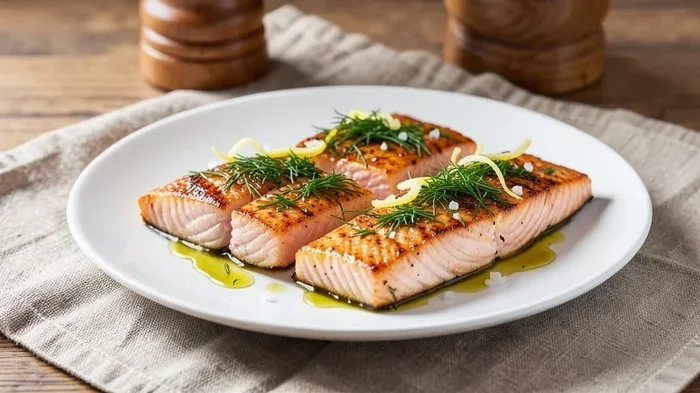
How Long Do You Cook Salmon In Oven Without Drying It Out
Want to know how long do you cook salmon in oven without drying it out? This guide reveals the exact time, temperature, and tips for juicy, perfectly baked salmon every time. You will learn the ideal internal temperature, how to avoid overcooking, and simple seasoning ideas that make salmon a weeknight favorite.
There is nothing better than a perfectly baked salmon fillet. The outside turns lightly golden while the inside stays soft, buttery, and full of flavor. Yet so many home cooks end up with dry, chalky fish. The secret is not complicated. It is all about how long do you cook salmon in oven and a few simple techniques. In this guide, I will walk you through every step to get restaurant-quality results at home.
Whether you are a beginner or a seasoned cook, this article will answer your biggest questions. You will learn the exact oven temperature, timing for different cuts, and easy ways to keep salmon moist. We will cover seasoning ideas, common mistakes, and expert tips that make a huge difference. By the end, you will never overcook salmon again.
Key Takeaways
- 400°F is the magic number: Baking salmon at 400°F gives you a crispy skin and tender, juicy flesh without drying it out.
- Timing depends on thickness: A 1-inch fillet takes about 12-15 minutes, while thicker cuts need up to 20 minutes.
- Use a meat thermometer: The internal temperature should reach 145°F for food safety and perfect doneness.
- Brining prevents dryness: A quick saltwater soak keeps salmon moist even if you accidentally cook it a little longer.
- Rest the fish before serving: Letting salmon rest for 5 minutes redistributes juices and improves texture.
- Skin-on fillets stay juicier: The skin acts as a natural protective layer during baking.
- Simple seasoning is best: Olive oil, lemon, and herbs let the salmon flavor shine without overpowering it.
📑 Table of Contents
The Perfect Oven Temperature for Salmon
Temperature is the foundation of great baked salmon. Too high and the edges dry out before the center is done. Too low and the fish takes forever to cook, losing moisture along the way. The sweet spot for most salmon fillets is 400°F. At this heat, the outside develops a gentle crispness while the inside stays tender and juicy.
Why 400°F Works So Well
Baking at 400°F creates a beautiful sear on the skin without burning it. The high heat quickly sets the exterior, locking in juices. This temperature also cooks the fish through evenly, reducing the risk of a raw center. Most oven-baked salmon recipes rely on this range because it balances speed and flavor perfectly.
Adjusting for Different Salmon Cuts
Not all salmon pieces are the same. A thin salmon fillet might cook faster than a thick salmon breast. If you are baking a whole side of salmon, you may need to drop the temperature slightly to 375°F to allow the heat to penetrate without drying the outer layers. Skin-on cuts benefit from the higher heat because the skin crisps up and protects the flesh underneath.
How Long Do You Cook Salmon In Oven: Time Guide
The most common question is how long do you cook salmon in oven. The answer depends on thickness, starting temperature, and whether the skin is on or off. As a general rule, a standard 1-inch thick fillet bakes in about 12 to 15 minutes at 400°F. Thicker pieces up to 1.5 inches may need 18 to 20 minutes.
Cooking Times by Thickness
Thickness is the biggest factor. Here is a quick reference for salmon cooking time at 400°F:
- 1/2-inch fillet: 8 to 10 minutes
- 1-inch fillet: 12 to 15 minutes
- 1.5-inch fillet: 18 to 20 minutes
- 2-inch thick steak: 22 to 25 minutes
These times assume the salmon is taken straight from the refrigerator. If you let it come to room temperature first, shave 2 to 3 minutes off the cook time. Room-temperature fish cooks more evenly and reduces the chance of a cold center.
Skin-On vs. Skinless Salmon
Skin-on fillets are more forgiving. The skin acts as a barrier, trapping moisture inside. You can bake skin-on salmon for the full recommended time without worrying too much. Skinless fillets dry out faster, so check them a minute or two early. If you prefer crispy skin, start with the skin side down for most of the bake, then flip for the last 2 minutes if you want the flesh side slightly crisped too.
How to Prevent Dry Salmon
Dry salmon is a tragedy. The good news is that preventing it is simple. A few small steps before and during baking make a world of difference. The goal is to keep as much moisture in the fish as possible while still cooking it to a safe internal temperature.
The Brine Method
Brining is a game-changer. A quick 10-minute soak in a saltwater solution helps the salmon absorb water, which it holds onto during baking. Mix 1 tablespoon of salt into 4 cups of cold water. Submerge the fillet for 10 minutes, then pat it dry before seasoning. This simple step makes even a slightly overcooked piece taste much juicier. It is one of the best salmon cooking tips I know.
Internal Temperature Check
The most reliable way to avoid dryness is to use an instant-read meat thermometer. Insert it into the thickest part of the fillet. The internal temperature should read 145°F for food safety. However, many chefs prefer to pull the salmon at 135°F to 140°F because the fish will continue to cook from residual heat. This method gives you a slightly translucent center that is incredibly moist and tender. It is the difference between dry salmon and juicy salmon every single time.
Seasoning and Flavor Ideas
Salmon has a rich, natural flavor that pairs beautifully with simple ingredients. You do not need a complicated salmon recipe to make it delicious. A little olive oil, salt, pepper, and lemon juice can elevate the fish to something special. If you want to get creative, here are a few tried-and-true combinations.
Simple Lemon Butter
Melt a tablespoon of butter and mix it with fresh lemon juice and a pinch of garlic powder. Brush this over the salmon during the last 5 minutes of baking. The butter basts the fish, keeping it moist while the lemon adds brightness. This is a classic lemon butter salmon preparation that never fails.
Herb Crusts and Glazes
For a more dramatic flavor, make a quick herb crust. Combine chopped fresh dill, parsley, and thyme with a little olive oil and breadcrumbs. Press it gently onto the top of the fillet. Bake as usual and you will have a fragrant, textured top that contrasts with the soft fish underneath. Maple-Dijon glazes also work wonderfully. Mix maple syrup, Dijon mustard, and a splash of soy sauce, then brush it on for the last 10 minutes. The glaze caramelizes and creates a sweet-savory crust.
Common Mistakes That Ruin Salmon
Even experienced cooks make mistakes with oven-baked salmon. Knowing what to avoid is just as important as knowing the right technique. Here are the most common pitfalls and how to fix them.
Overcooking and Undercooking
Overcooking is the number one sin. Salmon goes from perfectly done to dry and chalky in a matter of minutes. The best defense is a timer and a thermometer. Set a timer for 10 minutes and start checking early. Undercooking is less common but happens when the fish is too cold in the center. Always check the thickest part with a thermometer to be sure.
Skipping the Rest
Once your salmon doneness is reached, take the pan out and let the fish rest for 5 minutes. This allows the juices to redistribute throughout the fillet. If you cut into it immediately, the juices run out onto the plate and the fish tastes drier. A short rest makes a noticeable difference in texture and flavor.
Using a Cold Pan
Some people place salmon directly into a cold oven on a cold baking sheet. This delays the start of cooking and can lead to uneven results. Preheat your oven fully and use a hot baking sheet if you want a crispier skin. The sizzle when the fish hits the hot pan helps seal in moisture.
Expert Tips for Restaurant-Quality Salmon
Taking your baked salmon from good to great is easier than you think. A few professional tricks can elevate the dish significantly. These tips come from years of cooking fish and understanding how heat affects protein.
Resting and Serving
After resting, serve the salmon skin-side down if you want to keep the flesh moist. The skin holds heat and acts as a buffer. If you prefer crispy skin, serve it skin-side up after a quick broil at the end. Always use a thin, flexible spatula to lift the fillet gently. A dull knife or heavy spoon can break the delicate flesh and release valuable juices.
Storing Leftovers
Leftover salmon stays good for 2 to 3 days in the refrigerator. Store it in an airtight container. Reheat gently in a low oven or microwave, but be careful not to overcook it again. A quick 30-second reheat in a skillet with a little oil can also refresh the texture. Cold salmon flaked over a salad is delicious the next day too.
Buying the Best Salmon
Start with quality fish. Look for bright, vibrant color and a fresh ocean smell. Wild-caught salmon tends to have a richer flavor than farmed, but both work well for baking. If you buy frozen salmon, thaw it slowly in the refrigerator overnight. Never thaw it at room temperature because it can affect the texture and safety.
Once you master these basics, how long do you cook salmon in oven becomes second nature. You will instinctively know when the fish is ready by its color and firmness. The key is to trust the process, use a thermometer, and resist the urge to open the oven door too often. Every time you bake salmon, you will get a little better at reading the fish.
Remember that salmon cooking tips are not about rigid rules. They are about understanding how heat, time, and moisture interact. Once you grasp that, you can experiment with different temperatures, times, and flavors confidently. The perfect oven-baked salmon is within your reach every time you turn on the stove.
So next time you plan a meal, reach for that beautiful salmon fillet. Follow the times and temperatures in this guide, and you will pull out a moist, flavorful, and stunning dish. Your family and dinner guests will be impressed. And you will have a reliable salmon recipe that works every single time. Enjoy the process, and savor every bite of that perfectly baked fish.
Frequently Asked Questions
Can you cook salmon at 350°F instead of 400°F?
Yes, you can bake salmon at 350°F, but it will take longer, usually 20 to 25 minutes for a 1-inch fillet. The lower temperature cooks the fish more gently and can result in a softer texture. It is a good option if you prefer a more delicate finish, but you will need to check for doneness a few minutes earlier than the standard time.
How do you know when salmon is done without a thermometer?
You can check for doneness by gently pressing the top of the fillet with your finger. A properly cooked salmon will feel firm but still yield slightly. The flesh should also be opaque and flake easily with a fork. If the center still looks translucent or feels very soft, give it another 2 to 3 minutes in the oven.
Is it better to bake salmon covered or uncovered?
Baking salmon uncovered is generally better because it allows the skin to crisp up and the top to develop a light golden color. If you find that your salmon dries out quickly, you can loosely tent it with aluminum foil for the first half of the bake, then remove the foil to finish cooking uncovered. This method traps some steam and keeps the fish moist.
Can you bake salmon with the skin on?
Absolutely. Baking salmon skin side down is highly recommended. The skin protects the delicate flesh from direct heat and helps retain moisture. It also becomes crispy and delicious, adding a nice textural contrast to the soft fish inside. Just make sure to pat the skin dry before seasoning for the best crispiness.
What is the best way to reheat leftover salmon?
The best way to reheat leftover salmon is in a low oven set to 275°F for about 10 to 15 minutes. This gentle heat warms the fish without drying it out. You can also reheat it in a skillet over medium-low heat with a little oil. Avoid using the microwave on high power because it can make the salmon rubbery and tough.
How long can you keep baked salmon in the fridge?
Cooked salmon stays fresh in the refrigerator for 2 to 3 days when stored in an airtight container. Make sure it has cooled down before putting it in the fridge. If you need to store it longer, you can freeze baked salmon for up to 2 to 3 months, though the texture may be slightly softer when thawed.
=== CONCLUSION ===
Baking salmon in the oven is simple once you know the right how long do you cook salmon in oven times and temperatures. Keep the heat at 400°F, watch the thickness of your fillet, and use a thermometer to pull the fish at 145°F or slightly below for maximum juiciness. With a little brining, smart seasoning, and a short rest, you will always get tender, flavorful salmon that everyone loves. Practice these steps and you will never serve dry salmon again.