Does Self Clean Damage Your Oven And How To Protect It
Does self clean damage oven? The short answer is yes, it can cause wear over time, but the risks are manageable with the right approach. Self-cleaning ovens use extreme heat to burn off grease and food residue, which puts thermal stress on internal components. Understanding how the self-clean cycle works and taking simple protective steps can significantly extend your oven’s lifespan. This guide covers everything you need to know about oven self-clean damage and how to prevent it.
This is a comprehensive guide about Does Self Clean Damage Oven.
Key Takeaways
- Self clean uses extreme heat: The pyrolytic process reaches temperatures above 900°F, which can stress oven components over repeated cycles.
- Damage is possible but preventable: Issues like enamel degradation, door lock failure, and odor buildup can be minimized with proper care.
- Protect oven racks first: Always remove racks before starting the self-clean cycle to avoid warping and discoloration.
- Ventilation matters: Proper airflow reduces fumes and prevents smoke damage inside and outside the oven.
- Manual cleaning complements self clean: A quick wipe-down between cycles reduces the workload on your oven’s self-clean feature.
- Know when to call a pro: Persistent error codes, door lock issues, or unusual noises after self-cleaning warrant professional inspection.
[FEATURED_IMAGE_PLACEHOLDER]
Most modern ovens come with a self-clean feature that promises to do the hard work for you. You press a button, walk away, and let the oven handle the mess. It sounds convenient, but many homeowners wonder whether this feature actually harms their appliance over time. The question of does self clean damage oven comes up constantly in kitchens across the country.
The truth is that self-cleaning ovens use a process called pyrolysis, which involves heating the interior to extremely high temperatures. While this effectively turns grease and food scraps into ash, the intense heat can also take a toll on certain parts of your oven. The good news is that understanding how this process works puts you in control. With a few smart habits, you can enjoy the convenience of self-cleaning without putting your appliance at risk.
What Is Self Clean and How Does It Work?
Before you can answer the question of does self clean damage oven, it helps to understand what happens inside during a cleaning cycle. Most modern ovens use one of two methods to clean themselves. The most common is called pyrolytic cleaning, which relies on extreme heat. The other method is steam cleaning, which uses lower temperatures and moisture.
The Pyrolytic Self-Clean Process
During a pyrolytic self-clean cycle, the oven raises its internal temperature to around 800 to 900 degrees Fahrenheit. At this heat, organic matter like food spills and grease essentially combusts. What remains is a fine ash that you can easily wipe away once the oven cools. The entire process typically takes between two and four hours.
This method is effective because it eliminates the need for chemical cleaners or vigorous scrubbing. However, the extreme temperatures involved place significant demands on the oven’s thermal components. The door lock mechanism engages automatically to prevent you from opening the oven while it is at peak heat. This safety feature is essential, but it also adds stress to the locking system over time.
How Steam Cleaning Differs
Some newer ovens offer a steam clean option instead of or alongside pyrolytic cleaning. This method heats a small pool of water at the bottom of the oven cavity. The steam softens light grease and food residue, making it easier to wipe away. Steam cleaning runs at much lower temperatures, usually around 250 degrees Fahrenheit.
Because steam cleaning involves gentler heat, it places far less stress on oven components. It is ideal for quick maintenance between deeper cleanings. However, it does not handle heavy buildup as effectively as pyrolytic cleaning. Many homeowners use both methods together for the best results.
Does Self Clean Actually Damage Your Oven?
So, does self clean damage oven interiors and parts? The honest answer is that it can, but the degree of damage depends on several factors. These include how often you use the feature, the age of your oven, and whether you follow proper precautions. Most ovens are designed to handle repeated self-clean cycles, but nothing withstands extreme heat forever.
Thermal Stress on Oven Components
The biggest concern with self-cleaning ovens is thermal stress. Repeated exposure to temperatures above 900 degrees Fahrenheit can weaken internal parts over time. The oven heating elements bear the brunt of this stress. After many cycles, you may notice that the elements glow unevenly or take longer to reach target temperatures.
The door glass and seals are also vulnerable. The intense heat can cause the rubber gaskets around the door to degrade or lose their flexibility. Once the seal weakens, heat escapes during cooking, which reduces efficiency and increases your energy bills. In rare cases, the door glass itself can develop micro-cracks from repeated thermal expansion and contraction.
Impact on the Oven Enamel and Interior Coating
Most ovens feature a special porcelain or enamel coating on the interior walls. This coating is designed to withstand high temperatures, but it is not indestructible. Over time, the self-clean cycle can cause the enamel to become discolored or develop a chalky texture. In some cases, the coating may crack or peel, especially if the oven is older or has already sustained wear.
Once the interior coating is compromised, food debris is more likely to stick to the bare metal underneath. This creates a cycle where you rely more heavily on the self-clean feature, which causes further damage. It is a tricky loop to break, which is why prevention matters so much.
Effects on the Door Lock Mechanism
The door lock assembly is one of the most stressed parts during a self-clean cycle. It must engage securely at extreme temperatures and release once the oven cools. Over months and years of use, the lock mechanism can become stiff, misaligned, or fail entirely. A malfunctioning door lock will prevent the oven from operating normally, including the regular cooking modes.
Replacing a door lock mechanism can be costly, often requiring a professional technician. This is one of the main reasons why oven experts recommend limiting how often you use the self-clean feature. A well-maintained oven should not need more than a few self-clean cycles per year.
Common Problems Caused by Self Clean
If you use the self-clean function regularly, it is important to know what warning signs to watch for. Catching problems early can save you from expensive oven repairs down the road. Here are the most common issues associated with self-cleaning.
Unusual Odors and Smoke
During a pyrolytic cleaning cycle, it is normal to see smoke and smell a burnt odor. This happens as the oven burns off food residue and grease. However, excessive smoke or a persistent chemical smell is not normal. It usually means there is too much buildup inside the oven or that the oven ventilation is blocked.
Heavy smoke can also set off your smoke detectors, which is a common household frustration. To minimize this, always clean up large spills by hand before starting the self-clean cycle. Running the exhaust fan and opening windows also helps manage fumes.
Rack Warping and Discoloration
One of the most frequent problems is warped oven racks. If you leave racks inside during the self-clean cycle, the extreme heat causes the metal to expand unevenly. Over time, this leads to permanent warping. Warped racks do not slide in and out smoothly, and they may not sit level when you are cooking.
Discoloration is another issue. Racks exposed to pyrolytic temperatures often develop dark spots or a rough, pitted surface. While this does not affect cooking performance immediately, it does make the racks harder to clean manually in the future. Always remove racks before running a self-clean cycle.
Increased Energy Consumption
A self-clean cycle uses a significant amount of energy because it sustains extremely high temperatures for several hours. If you run the cycle frequently, you may notice a gradual increase in your energy bills. The oven also retains heat long after the cycle ends, which can affect your kitchen temperature during warmer months.
Control Panel and Sensor Issues
In some cases, the intense heat from a self-clean cycle can affect the oven’s control panel or temperature sensors. You might notice that the display flickers or that the oven does not maintain the correct temperature after cleaning. These issues are less common but become more likely with older ovens that have not been well maintained.
How To Protect Your Oven During Self Clean
The good news is that you do not have to choose between convenience and appliance longevity. With a few smart practices, you can use the self-clean feature safely and minimize damage to your oven. These protective steps are simple and take very little extra effort.
Remove Racks and Accessories Before Cleaning
This is the single most important step. Always pull out the oven racks, baking stones, and any other accessories before starting the self-clean cycle. Doing so prevents warping, discoloration, and unnecessary stress on these components. Clean racks separately by soaking them in warm soapy water or using the dishwasher.
Wipe Down Large Spills First
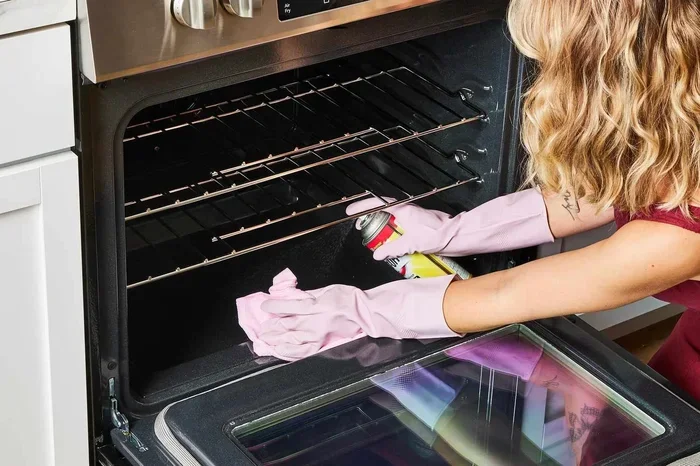
Do not let large food spills sit for days before a self-clean cycle. The bigger the mess, the more smoke and odor the oven produces during pyrolysis. A quick wipe with a damp cloth before starting the cycle reduces the workload on your oven and limits the amount of residue that needs to be burned off.
Ensure Proper Ventilation
Before you start the self-clean cycle, turn on the kitchen exhaust fan and open nearby windows. This helps vent smoke and odors outside rather than letting them settle into your kitchen surfaces. Proper ventilation also reduces the risk of smoke detector false alarms.
Limit Self-Clean Cycles to Two or Three Per Year
Most manufacturers recommend running the self-clean cycle no more than a few times per year. Between cycles, do light cleaning after each use. Wipe up spills promptly and keep the interior tidy. This way, when you do run a self-clean cycle, it handles only light residue rather than heavy buildup.
Let the Oven Cool Completely Before Opening
Never try to open the oven door during or immediately after a self-clean cycle. The door lock mechanism needs time to release. Forcing the door open can damage the lock assembly. Wait until the oven has cooled to room temperature, which typically takes one to two hours after the cycle ends.
Use Oven Liners for Extra Protection
Placing a oven liner on the bottom of the oven can catch drips and spills before they bake onto the floor. This simple accessory reduces the amount of residue that the self-clean cycle needs to process. Just make sure the liner is rated for high temperatures and does not block the oven’s ventilation openings.
- Always remove racks and trays before starting the cycle
- Wipe up fresh spills after every cooking session
- Run the exhaust fan and open windows for ventilation
- Never use chemical cleaners inside the oven before a self-clean cycle
- Limit self-clean cycles to two or three times per year
- Wait for the oven to fully cool before opening the door
- Inspect door seals and gaskets regularly for wear
Self Clean vs Manual Cleaning: Which Is Better?
Many homeowners debate whether to rely on the self-clean feature or stick with traditional manual cleaning. Both methods have pros and cons, and the best choice depends on your cooking habits, your oven’s age, and how much time you want to spend on maintenance.
Benefits of Self Cleaning
The biggest advantage of pyrolytic cleaning is convenience. You do not need to scrub or use chemical products. The oven does all the work at extreme heat. This is especially helpful for baked-on grease and carbonized food that would be difficult to remove by hand.
Self-cleaning also reaches areas inside the oven that are hard to access with a cloth or sponge. The high-temperature burn-off cleans the corners, crevices, and back wall thoroughly. For people with busy schedules, this hands-off approach is very appealing.
Benefits of Manual Cleaning
Manual cleaning gives you complete control over what products you use and how much pressure you apply. You can spot-clean small messes as soon as they happen, which prevents heavy buildup. Gentle manual cleaning is far less stressful on oven components than the extreme heat of a pyrolytic cycle.
Using mild, non-abrasive cleaners for regular maintenance helps preserve the oven’s interior enamel. It also avoids the smoke and odors that come with self-cleaning. For most households, a combination approach works best: light manual cleaning between deeper self-clean cycles.
A Balanced Cleaning Routine
The ideal approach is to combine both methods. Wipe down the oven interior after heavy cooking sessions. Use a damp cloth with a small amount of mild dish soap for routine cleaning. Reserve the self-clean cycle for deep cleaning every few months or when you notice stubborn buildup that hand scrubbing cannot remove.
This balanced routine keeps your oven fresh and functional while minimizing the wear caused by repeated high-heat cycles. Over time, this simple habit can add years to the life of your appliance.
When To Call a Professional Instead
Sometimes the self-clean feature is not enough, or it may have caused a problem that needs professional attention. Knowing when to call an expert can prevent minor issues from becoming major repairs.
Warning Signs That Require Professional Help
Watch for these warning signs after a self-clean cycle:
- The door lock will not engage or release properly
- The oven displays error codes that were not present before
- Unusual noises come from the oven during or after cleaning
- The oven does not heat evenly after the cleaning cycle
- You notice a persistent burning smell even after the oven has cooled
- The interior light does not turn on or the control panel becomes unresponsive
If you experience any of these issues, stop using the self-clean feature and contact a qualified appliance technician. Continuing to run the cycle with a malfunctioning component can cause further damage and may void your warranty.
Regular Maintenance Checks
Even if your oven seems to be working fine, scheduling a professional maintenance check once a year is a smart move. A technician can inspect the door seal integrity, test the heating elements, and verify that the temperature sensor is calibrated correctly. These small investments in maintenance help your oven run efficiently and safely for many years.
How Often Should You Use Self Clean?
The frequency of your self-clean cycles should depend on how often you cook and what types of food you prepare. If you bake frequently or cook dishes that tend to splatter, you might feel tempted to run the cycle every month. However, most oven manufacturers and repair professionals recommend keeping it to two or three times per year at most.
Between self-clean cycles, develop a habit of quick wipe-downs. Spend two minutes after each cooking session removing spills and splatters from the oven floor and walls. This simple routine dramatically reduces the need for intensive cleaning and protects your oven from the cumulative effects of repeated high-heat cycles.
If you find yourself needing to self-clean more than three times a year, it may be a sign that your cooking habits or oven type require a closer look. Consider using oven-safe cooking bags and roasting pans with lids to contain splatters. These small changes can significantly reduce mess and keep your oven in better shape between deep cleanings.
Key Takeaways
- Self clean uses extreme heat: The pyrolytic process reaches temperatures above 900°F, which can stress oven components over repeated cycles.
- Damage is possible but preventable: Issues like enamel degradation, door lock failure, and odor buildup can be minimized with proper care.
- Protect oven racks first: Always remove racks before starting the self-clean cycle to avoid warping and discoloration.
- Ventilation matters: Proper airflow reduces fumes and prevents smoke damage inside and outside the oven.
- Manual cleaning complements self clean: A quick wipe-down between cycles reduces the workload on your oven’s self-clean feature.
- Know when to call a pro: Persistent error codes, door lock issues, or unusual noises after self-cleaning warrant professional inspection.
Conclusion
So, does self clean damage oven? The answer is nuanced. Yes, repeated self-clean cycles can cause wear on internal components, enamel, and door mechanisms over time. But this does not mean you should avoid the feature altogether. With the right precautions, you can enjoy the convenience of self-cleaning while keeping your oven in excellent condition for years to come.
The key is balance. Use the self-clean function sparingly, remove racks beforehand, wipe up spills promptly, and ensure proper ventilation during every cycle. Pair these habits with regular manual cleaning, and your oven will stay in great shape without relying too heavily on extreme heat. Taking these simple steps today saves you from costly oven repairs tomorrow and keeps your kitchen running smoothly.
Remember, your oven is an investment. Treating it well with smart cleaning habits pays off in performance, energy efficiency, and longevity. Start applying these tips with your next self-clean cycle and feel confident that you are protecting your appliance the right way.
Does Self Clean Damage Your Oven?
Yes, repeated self-clean cycles can cause wear on oven components due to the extreme heat involved. However, the damage is largely preventable with proper precautions and limited use.
How Many Times a Year Should You Use Self Clean?
Most experts recommend no more than two to three self-clean cycles per year. Between cycles, light manual cleaning keeps the oven in good condition and reduces the need for intensive pyrolytic cleaning.
Can You Leave Oven Racks Inside During Self Clean?
No, you should always remove oven racks before starting a self-clean cycle. The extreme heat can warp and discolor metal racks, leading to permanent damage and uneven cooking performance.
Is It Normal for the Oven to Smoke During Self Clean?
Some smoke and odor are normal during pyrolytic cleaning because the oven is burning off food residue. However, excessive smoke or a persistent chemical smell may indicate too much buildup or a ventilation problem.
Does Self Clean Use a Lot of Electricity?
Yes, a self-clean cycle uses more energy than a typical cooking session because it maintains very high temperatures for several hours. Limiting cycles to a few times per year helps manage energy costs.
What Should You Do If the Oven Door Will Not Open After Self Clean?
Wait for the oven to cool completely before attempting to open the door. The lock mechanism will not release until the interior temperature drops to a safe level. If the door still will not open after cooling, contact a professional technician.
Frequently Asked Questions
What is Does Self Clean Damage Oven?
Does Self Clean Damage Oven is an important topic with many practical applications.