Can Pyrex Tupperware Go In The Oven Without Melting
Can Pyrex Tupperware go in the oven without melting? The short answer is yes, but only under specific conditions. Pyrex Tupperware can handle moderate oven temperatures, typically up to 400°F, but exceeding that limit can cause warping or cracking. Glass bakeware like Pyrex needs careful handling to avoid thermal shock, which happens when you move it from cold to hot too fast. Understanding your Pyrex temperature range will keep your kitchen safe and your dishes perfect every time.
You just pulled out your favorite Pyrex Tupperware from the fridge and suddenly remembered it is going in the oven. Sound familiar? Many home cooks face this exact moment every week. The question is simple but important: can Pyrex Tupperware go in the oven without melting?
The answer might surprise you. Pyrex Tupperware is more heat-resistant than most plastic containers, but it is not indestructible. There are real temperature limits, real risks, and real tips you need to know before you pop that dish into your oven safe setup. This guide covers everything you need to use your Pyrex storage containers in the oven the right way.
Whether you are reheating leftovers or baking a casserole, knowing your Pyrex temperature range makes all the difference. Let us walk through the facts so you can cook with confidence and keep your kitchen safe.
Key Takeaways
- Pyrex Tupperware can go in the oven: But only up to certain temperature limits, usually around 400°F.
- Thermal shock is the biggest danger: Sudden temperature changes can cause glass to crack or shatter.
- Not all Pyrex lids are oven safe: Many plastic lids should be removed before placing the container in the oven.
- Always preheat the oven: Putting cold Pyrex into a hot oven increases the risk of damage.
- Check for cracks before use: Even small cracks can worsen under heat and cause breakage.
- Let Pyrex cool naturally: Avoid placing hot Pyrex on cold surfaces to prevent thermal shock.
- Use oven mitts: Pyrex gets very hot and can burn you if handled bare-handed.
📑 Table of Contents
- What Is Pyrex Tupperware and Why Does It Matter?
- Can Pyrex Tupperware Go In The Oven? The Short Answer
- Understanding Pyrex Temperature Limits
- What Happens When Pyrex Tupperware Gets Too Hot?
- How to Safely Use Pyrex Tupperware in the Oven
- Pyrex Tupperware vs Other Oven-Safe Containers
- Common Mistakes to Avoid
- Expert Tips for Long-Lasting Pyrex Tupperware
What Is Pyrex Tupperware and Why Does It Matter?
Pyrex Tupperware is a term many people use loosely. In reality, Pyrex and Tupperware are two different brands, but they overlap in the kitchen storage world. Pyrex makes glass bakeware and storage containers. Tupperware makes plastic containers. When people say “Pyrex Tupperware,” they usually mean a glass or plastic container that looks like a Tupperware-style storage bowl but may be made by Pyrex or another brand.
This matters because the material determines whether it can go in the oven. Glass containers behave very differently from plastic ones. Tempered glass can handle higher heat, while plastic will melt or release harmful chemicals. Understanding what your container is made of is the first step to using it safely.
Glass vs Plastic: The Core Difference
Heat resistant glass like Pyrex is made through a tempering process. This makes it strong and able to handle oven heat up to a point. Plastic, on the other hand, has a much lower melting point. Most plastic containers will warp or melt at temperatures above 200°F to 250°F. So if your container is plastic, it should never go in the oven.
Here is a quick way to tell the difference:
- Glass containers: Heavy, transparent, often have a “pyrex” or “oven safe” label on the bottom.
- Plastic containers: Lighter, often colorful, usually labeled as “microwave safe” but not “oven safe.”
- Lids: Most Pyrex glass lids are oven safe up to a certain temperature, but plastic lids are not.
Can Pyrex Tupperware Go In The Oven? The Short Answer
So, can Pyrex Tupperware go in the oven? Yes, but with important conditions. Pyrex glass bakeware is generally oven safe up to 425°F to 450°F. However, many Pyrex storage containers and lids have lower limits. The key is checking the label on your specific product.
Not every Pyrex item is the same. Some pieces are designed for baking. Others are meant for storage and fridge use only. Always look for the “oven safe” symbol or text on the bottom of the container. If it does not say oven safe, do not put it in the oven.
What the Labels Mean
Manufacturers put symbols and text on their products for a reason. Here is what to look for:
- Oven safe symbol: A picture of an oven or flames. This means the container can handle oven heat.
- Microwave safe symbol: Wavy lines. This does not mean oven safe. Microwaves and ovens work differently.
- Freezer safe symbol: A snowflake. This means it can handle cold but not necessarily heat.
- Temperature limit text: Some Pyrex products list the exact temperature limit right on the bottom.
Taking a few seconds to check the label can save you from a messy oven fire or a ruined container.
Understanding Pyrex Temperature Limits
Every piece of Pyrex glass bakeware has a temperature limit. Going beyond that limit is what causes melting, warping, and cracking. The standard Pyrex temperature range for oven use is between 350°F and 425°F. Some older Pyrex products can handle up to 450°F, but newer lines may have slightly lower limits.
The melting point of Pyrex glass is extremely high, around 1,500°F or more. That is far beyond any home oven can reach. So technically, your Pyrex Tupperware will not melt in a normal oven. What can happen is thermal stress, which leads to cracking or shattering.
What Is Thermal Shock?
Thermal shock is the sudden change in temperature that causes glass to crack. This happens when you take a cold Pyrex dish straight from the fridge and put it into a hot oven. The cold glass expands rapidly on the hot side while the cold side stays contracted. That uneven expansion creates stress, and the glass breaks.
Thermal shock is the number one reason people damage their Pyrex storage containers. It is also the reason many people ask, “Can Pyrex Tupperware go in the oven?” The answer is yes, but you need to manage temperature changes carefully.
Pyrex Temperature Guide at a Glance
| Pyrex Product Type | Safe Oven Temp | Not Safe For |
|---|---|---|
| Pyrex Glass Baking Dish | Up to 425°F – 450°F | Broiler, direct flame |
| Pyrex Glass Storage Bowl | Up to 400°F | Broiler, stovetop |
| Pyrex Glass Lid | Up to 400°F | Direct flame, broiler |
| Pyrex Plastic Lid | Not oven safe | Oven, stovetop, broiler |
| Pyrex Plastic Container | Not oven safe | Oven, stovetop, broiler |
Always check the specific product guidelines. This table is a general reference, and individual products may vary.
What Happens When Pyrex Tupperware Gets Too Hot?
When Pyrex Tupperware exceeds its temperature limit, several things can go wrong. Some are minor, and others are dangerous. Understanding these risks helps you avoid accidents in the kitchen.
Cracking and Shattering
The most common problem is cracking. A Pyrex dish that has been overheated or subjected to thermal shock can develop hairline cracks. These cracks may not be visible at first, but they weaken the structure. Over time, the dish can shatter completely, especially when heated again.
A shattered Pyrex dish inside a hot oven is a serious mess. Glass shards can contaminate food, damage the oven, and even cause injury. This is why it is so important to follow the temperature limit every single time.
Warping and Discoloration
Even if your Pyrex does not crack, it can still warp. A warped dish will not sit flat on the oven rack, which can cause spills and uneven cooking. Discoloration is another sign of overheating. If your clear Pyrex glass turns cloudy or develops rainbow streaks, it has been exposed to too much heat.
Lid Damage
Many people make the mistake of putting the lid on their Pyrex Tupperware before it goes in the oven. If the lid is plastic, it will melt. Even glass lids can crack if they are not rated for oven use. Always remove the lid before baking, unless the lid is specifically labeled as oven safe.
How to Safely Use Pyrex Tupperware in the Oven
Using Pyrex Tupperware in the oven is perfectly safe when you follow the right steps. Here is a simple guide to make sure you are doing it correctly every time.
Step-by-Step Guide
- Check the label: Confirm your Pyrex dish is oven safe. Look for the “oven safe” symbol or text on the bottom.
- Remove the lid: Take off any plastic lid before placing the dish in the oven. Glass lids should only stay on if they are rated for oven use.
- Preheat the oven: Always preheat your oven before placing the Pyrex dish inside. Putting cold glass into a hot oven increases the risk of thermal shock.
- Place on a dry surface: Set the Pyrex dish on a dry oven rack or baking sheet. Never place it on a wet or cold surface while hot.
- Use a moderate temperature: Keep the oven temperature at or below 425°F for most Pyrex products.
- Use oven mitts: Pyrex gets very hot. Always use oven mitts or thick towels when handling it.
- Cool gradually: Let the Pyrex dish cool on a dry towel or wire rack. Do not place it on a cold countertop or run it under cold water.
Quick Tips for Oven Safety
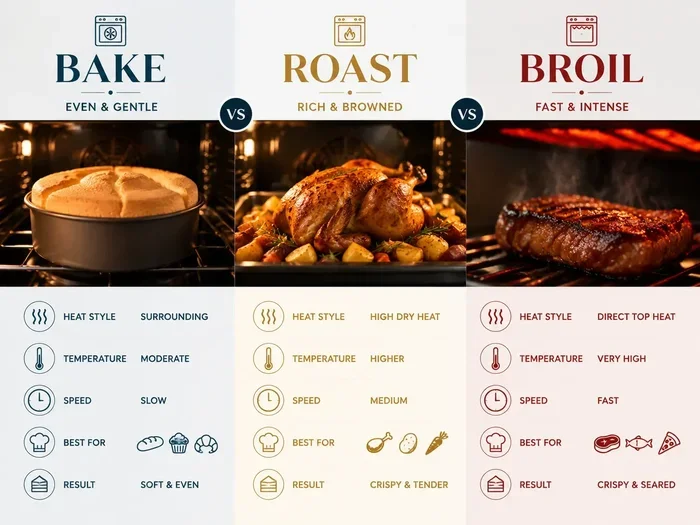
- Never put Pyrex under the broiler: The direct flame or intense top heat can cause instant cracking.
- Do not move Pyrex from freezer to oven: Let it come to room temperature first, at least 30 minutes.
- Add liquid before heating: If you are baking something dry, add a small amount of liquid to the bottom of the dish. This helps distribute heat evenly.
- Avoid sudden temperature swings: Do not take a hot Pyrex dish and place it near a cold draft or surface.
- Inspect before every use: Look for cracks, chips, or scratches before putting Pyrex in the oven.
Expert Insight: Why Preheating Matters
Many cooking experts agree that preheating the oven is the single most important step when using Pyrex Tupperware. A preheated oven ensures the temperature rises evenly, which reduces the stress on the glass. Skipping this step and placing cold Pyrex into a cold oven that then heats up quickly can still cause thermal shock.
Professional bakers recommend placing the Pyrex dish in the oven before turning it on, then letting both the dish and oven heat up together. This is the gentlest method and greatly reduces the risk of cracking.
Pyrex Tupperware vs Other Oven-Safe Containers
Not all oven safe containers are created equal. When you are deciding what to use for baking or reheating, it helps to compare your options. Here is how Pyrex Tupperware stacks up against other common kitchen containers.
| Container Type | Oven Safe? | Max Temp | Pros | Cons |
|---|---|---|---|---|
| Pyrex Glass Tupperware | Yes | Up to 425°F | Durable, non-reactive, easy to clean | Heavy, can crack if mishandled |
| Ceramic Baking Dish | Yes | Up to 450°F+ | Great heat retention, attractive for serving | Heavy, can chip, not stackable |
| Aluminum Foil Pan | Yes | Up to 450°F | Lightweight, disposable, affordable | Not reusable, can react with acidic foods |
| Plastic Tupperware | No | Not oven safe | Lightweight, stackable, affordable | Melts in oven, releases chemicals when heated |
| Stainless Steel | Yes | Up to 500°F+ | Very durable, no chemical reactions | Not transparent, hard to see food while cooking |
As you can see, Pyrex Tupperware is a great middle-ground option. It is more durable than plastic and lighter than ceramic. It is also transparent, so you can watch your food cook without opening the oven door.
However, if you need very high heat resistance, stainless steel or ceramic may be better choices. And if you need something lightweight for a potluck, an aluminum foil pan works well. Each option has its place in the kitchen.
Common Mistakes to Avoid
Even experienced cooks make mistakes with Pyrex Tupperware. Here are the most common errors and how to avoid them.
Mistake 1: Putting Cold Pyrex Straight Into a Hot Oven
This is the fastest way to crack your Pyrex dish. The sudden temperature change causes thermal shock, and the glass breaks. Always let your Pyrex come to room temperature before placing it in a hot oven.
Mistake 2: Leaving the Plastic Lid On
Plastic lids melt at relatively low temperatures. They can also release harmful fumes when heated. Always remove plastic lids before putting any container in the oven, even if the glass part is oven safe.
Mistake 3: Using Pyrex on the Stovetop
Pyrex Tupperware is designed for ovens and microwaves, not stovetops. Direct heat from a burner can cause the glass to crack or shatter instantly. Never place Pyrex on a gas burner, electric coil, or hot plate.
Mistake 4: Ignoring Cracks and Chips
A small crack might seem harmless, but it weakens the entire structure of the glass. When heated, that crack can spread quickly and cause the dish to break apart. If your Pyrex is damaged, replace it immediately.
Mistake 5: Overfilling the Container
When food expands during cooking, it needs room. Overfilling a Pyrex storage container can cause spills in the oven, and the extra weight can stress the glass. Leave at least one inch of space at the top.
Expert Tips for Long-Lasting Pyrex Tupperware
Your Pyrex Tupperware can last for years if you take care of it properly. Here are some expert tips to extend the life of your glass containers.
- Hand wash when possible: While Pyrex is dishwasher safe, hand washing with warm water and mild soap helps preserve the glass over time.
- Store with the lid off: Keeping the lid off prevents moisture buildup and odors from getting trapped.
- Stack carefully: If you stack Pyrex dishes, place a soft cloth or paper towel between them to prevent scratching.
- Replace worn lids: If a lid is warped or cracked, replace it. A loose lid can cause spills and uneven cooking in the oven.
- Use baking strips: When baking with Pyrex, consider using oven-safe silicone strips around the edges. This helps distribute heat more evenly.
- Follow the warranty: Pyrex offers a limited warranty on their products. If your dish breaks under normal use, check if it is covered.
The Bottom Line on Pyrex Tupperware and Oven Use
So, can Pyrex Tupperware go in the oven without melting? Yes, it absolutely can, as long as you follow the basic rules. Check the label, remove plastic lids, stay within the temperature limit, and avoid sudden temperature changes. Treat your Pyrex glass bakeware with respect, and it will serve you well for years of cooking and baking.
The beauty of Pyrex Tupperware is that it works in the oven, microwave, fridge, and freezer. It is one of the most versatile tools in any kitchen. Just remember that versatility comes with responsibility. Handle it with care, respect its limits, and you will enjoy safe, delicious meals every time you use it.
Next time you reach for your Pyrex storage container to reheat last night’s dinner, you will know exactly what to do. Preheat the oven, remove the lid, and place that dish in with confidence. Your Pyrex Tupperware was built to handle the heat, and now you know how to use it the right way.
Frequently Asked Questions
Can I put Pyrex Tupperware with a plastic lid in the oven?
No. Plastic lids are not oven safe and will melt at high temperatures. Always remove plastic lids before placing any container in the oven. Only use glass lids that are specifically labeled as oven safe.
What temperature does Pyrex Tupperware melt at?
Pyrex glass does not melt at normal oven temperatures. Its melting point is around 1,500°F, which is far beyond any home oven can reach. However, Pyrex can crack or warp if exposed to temperatures above its recommended limit, usually around 425°F to 450°F.
Can I put frozen Pyrex Tupperware directly in the oven?
It is not recommended. Going from frozen to hot oven temperatures causes thermal shock, which can crack or shatter the glass. Let your Pyrex Tupperware thaw to room temperature first, or place it in the oven while it is still cold but with a preheated oven set to a moderate temperature.
Is all Pyrex Tupperware oven safe?
No. Not all Pyrex products are oven safe. Some are designed for storage or microwave use only. Always check the bottom of the container for the oven safe symbol or text before placing it in the oven.
Can Pyrex Tupperware go from the oven to the stovetop?
No. Pyrex glass is not designed for direct stovetop heat. Moving a hot Pyrex dish to a cold or stovetop surface can cause thermal shock and cracking. Always place hot Pyrex on a dry, heat-resistant surface like a wooden board or trivet.
How long can Pyrex Tupperware stay in the oven?
Pyrex Tupperware can stay in the oven for the duration of your recipe, typically 30 to 60 minutes. As long as the oven temperature stays within the safe range (usually under 425°F) and you avoid sudden temperature changes, your Pyrex dish will be perfectly fine.
=== CONCLUSION ===
Can Pyrex Tupperware go in the oven without melting? The answer is a confident yes, provided you use it correctly. Understanding your Pyrex temperature range, avoiding thermal shock, and following simple safety steps will keep your kitchen safe and your food cooking perfectly. Pyrex Tupperware is a trusted kitchen companion that can handle oven duty with ease, but it needs respect and care to last.
Remember the key rules: check the label, remove plastic lids, preheat the oven, and never expose cold Pyrex to sudden heat. These small habits make a big difference. With the right approach, your Pyrex storage containers will serve you well for years of baking, reheating, and cooking.
Now you have the knowledge to use your Pyrex Tupperware in the oven with full confidence. Share this guide with a friend who might need it, and happy cooking!