How To Make The Perfect Black Coffee Like A Barista
Making the perfect black coffee is simpler than you think. This guide walks you through every step, from choosing the right beans to mastering your brewing technique. You will learn barista-approved methods that bring out the best flavor in every cup.
There is something magical about a perfect cup of black coffee. No milk. No sugar. Just pure, bold flavor that wakes you up and sharpens your mind. Whether you are a morning coffee lover or someone who drinks black coffee throughout the day, getting the brew just right changes everything.
Baristas spend years perfecting their craft, but you do not need years of training to make excellent black coffee at home. With the right beans, the proper technique, and a little patience, you can brew a cup that rivals your favorite coffee shop. This guide breaks down every step in simple, easy-to-follow language.
By the time you finish reading, you will understand how to select beans, adjust your grind, control water temperature, and choose the best brewing method for your taste. We will also cover common mistakes and share pro tips that make a real difference. Let us dive in and start brewing the perfect cup of black coffee.
Key Takeaways
- Start with fresh, quality beans: The foundation of great black coffee begins with selecting the right coffee beans from a reputable roaster.
- Grind size matters: Matching your grind to the brewing method ensures proper extraction and balanced flavor in every cup.
- Water temperature is critical: The ideal range between 195°F and 205°F unlocks the full coffee flavor profile without bitterness.
- Master the coffee-to-water ratio: A 1:16 ratio is the sweet spot for a clean, strong, and satisfying cup of black coffee.
- Avoid common mistakes: Stale beans, wrong water quality, dirty equipment, and rushing the process can all ruin your brew.
- Clean equipment makes better coffee: Regular maintenance keeps your coffee equipment performing at its best and prevents off-flavors.
- Practice makes perfect: Keep experimenting with variables, track your results, and enjoy the journey of mastering black coffee at home.
📑 Table of Contents
Choosing the Right Coffee Beans
The journey to a perfect cup of black coffee starts long before you brew. It starts with the beans. Not all coffee beans are created equal, and choosing the right ones is the single most important decision you will make. Fresh, quality beans transform an ordinary cup into something extraordinary.
Whole Beans vs. Pre-Ground
Always buy whole beans when possible. Pre-ground coffee loses its freshness fast. Within minutes of grinding, the coffee aroma starts to fade. Whole beans stay fresh longer and give you control over the grind size. This control directly affects how your black coffee tastes.
Store your whole beans in an airtight container away from light and heat. A cool, dark pantry works perfectly. Avoid storing beans in the fridge, as moisture can damage the flavor. Good coffee equipment like a burr grinder makes a huge difference in the final cup.
Light, Medium, or Dark Roast?
Roast level changes everything about your coffee taste. Light roasts preserve the original flavors of the bean. You will notice fruity, floral, or citrusy notes. Medium roasts offer a balanced profile with nutty and chocolatey undertones. Dark roasts bring bold, smoky, and slightly bitter flavors.
For black coffee, many people prefer medium or medium-dark roasts. These roasts bring out a rich, full body without excessive bitterness. However, the best roast is the one you enjoy most. Experiment with different roasts to find your personal preference.
Single-Origin vs. Blends
Single-origin beans come from one specific region or farm. They showcase unique coffee flavor characteristics tied to their origin. Ethiopian beans might have berry notes, while Colombian beans often taste caramel and nutty. Blends mix beans from multiple sources to create a consistent, balanced taste.
Single-origin black coffee is excellent for tasting the distinct character of a region. Blends work well if you prefer a reliable, consistent cup every morning. Both options are valid, so explore both to discover what suits your palate.
Grinding Your Beans for Optimal Flavor
Grinding is where many people go wrong. The grind size you choose affects extraction, which determines whether your coffee tastes balanced or harsh. Getting this step right makes a noticeable difference in every sip.
Understanding Grind Sizes
Different brewing methods require different grind sizes. Here is a simple breakdown:
- Extra coarse: Best for cold brew. Large particles slow down extraction over long steeping times.
- Coarse: Ideal for French press. The mesh filter needs larger particles to avoid sludge in your cup.
- Medium-coarse: Works well for pour over and drip coffee makers. Balanced extraction with good clarity.
- Medium: Great for standard drip machines. The most versatile grind size for everyday black coffee.
- Fine: Perfect for espresso. Small particles create the pressure needed for a concentrated shot.
- Extra fine: Used for Turkish coffee. Powdery consistency delivers intense, full-bodied flavor.
Why Burr Grinders Are Worth It
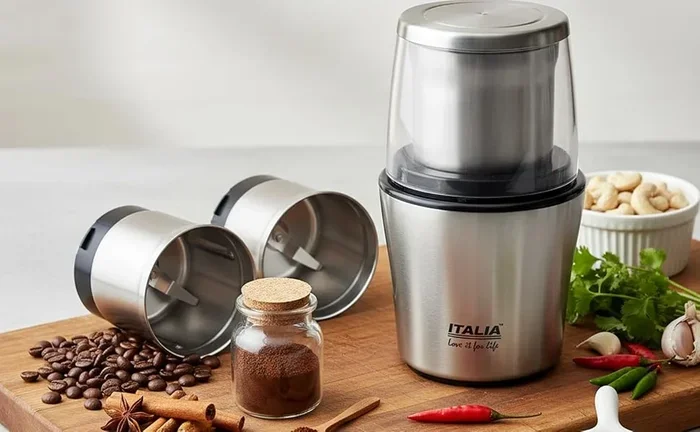
A burr grinder crushes beans evenly, creating consistent particle sizes. Blade grinders chop beans randomly, which leads to uneven extraction. Some particles will be over-extracted while others are under-extracted. This inconsistency ruins the coffee flavor of your black coffee.
Investing in a quality burr grinder is one of the best decisions you can make. Even an affordable model produces far better results than a blade grinder. Consistent grounds mean consistent, delicious coffee every single morning.
Mastering Water Temperature and Ratio
Water makes up over 98 percent of your cup of black coffee. Yet most people overlook its importance. The water temperature and coffee-to-water ratio are two factors that can make or break your brew.
The Ideal Water Temperature
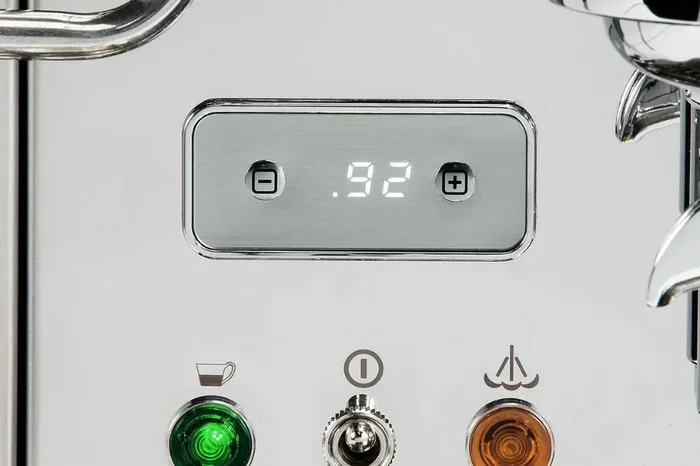
The sweet spot for brewing black coffee is between 195°F and 205°F. Water that is too hot over-extracts the grounds, pulling out bitter compounds. Water that is too cool under-extracts, resulting in weak, sour coffee.
If you do not have a thermometer, bring water to a boil and then let it rest for 30 to 45 seconds. This simple trick gets you close to the ideal temperature. Using filtered water also improves taste by removing chlorine and other impurities that affect coffee aroma.
Getting the Ratio Right
The standard coffee-to-water ratio for black coffee is 1:16. That means one gram of coffee for every 16 grams of water. For a typical 12-ounce cup, use about 21 grams of coffee with 340 grams of water.
You can adjust this ratio to match your taste. Prefer a stronger cup? Try 1:15. Want something lighter? Go to 1:17. The ratio gives you a starting point, and then you can fine-tune based on your personal preference for coffee strength.
Brewing Methods for Perfect Black Coffee
Different brewing methods highlight different qualities in your beans. Each method brings out unique aspects of the coffee flavor profile. Here are the most popular methods for making excellent black coffee at home.
Pour Over Coffee
Pour over brewing is a favorite among barista tips enthusiasts. It gives you complete control over the brewing process. You pour hot water over coffee grounds in a slow, circular motion, allowing the water to extract flavors evenly.
This method produces a clean, bright cup that highlights the subtle notes in your beans. It requires a pour-over dripper, a paper filter, and a gooseneck kettle. The brewing time typically runs between 3 and 4 minutes. Pour over coffee is ideal for medium and medium-fine grinds.
If you enjoy the ritual of slow, hands-on coffee making, pour over is worth mastering. The result is a refined cup of black coffee that showcases the bean’s full character.
French Press Coffee
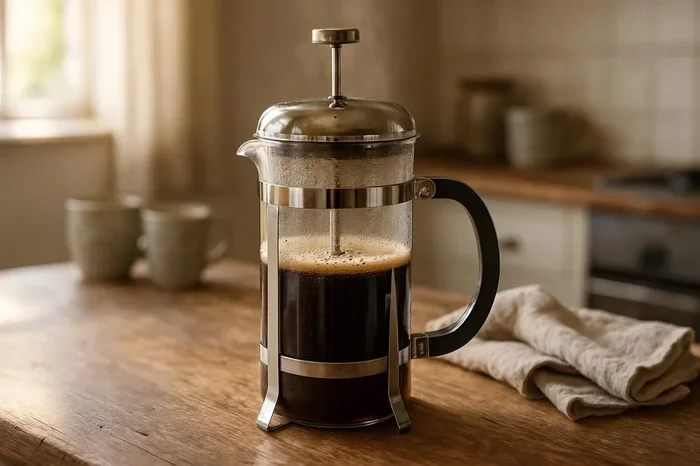
The French press is one of the simplest and most rewarding ways to brew black coffee. You add coarse grounds to the press, pour hot water over them, let it steep for four minutes, and then press the plunger down.
Because the metal filter allows natural oils through, French press coffee has a rich, full body. The coffee aroma is intense and inviting. This method works best with a coarse grind size and a 1:15 to 1:17 ratio.
Clean your French press thoroughly after each use. Residual oils can go rancid and affect the taste of your next cup. A well-maintained French press delivers consistently excellent coffee for years.
AeroPress Coffee
The AeroPress is a versatile and portable brewing device that has gained a huge following. It uses air pressure to force water through coffee grounds, producing a clean, concentrated cup. The brewing time is short, usually around one to two minutes.
AeroPress coffee is smooth and low in bitterness because of the short extraction time and paper filter. You can experiment with different grind sizes, ratios, and techniques. Some people even invert the AeroPress for longer steeping. It is a fantastic option for making great black coffee anywhere, anytime.
Drip Coffee Maker
The drip coffee maker is the workhorse of many kitchens. It is convenient, easy to use, and perfect for brewing multiple cups at once. Modern drip machines heat water to the correct temperature, making them a reliable choice for everyday black coffee.
For the best results with a drip machine, use medium grounds and a quality paper filter. Paper filters remove excess oils, producing a cleaner cup. Pre-wet the filter before brewing to eliminate any papery taste. A good drip machine paired with fresh beans and proper ratio delivers satisfying coffee with minimal effort.
Common Mistakes That Ruin Your Black Coffee
Even with great beans and the right method, small mistakes can ruin your cup of black coffee. Here are the most common errors and how to avoid them.
Using Stale Beans
Stale beans are the number one enemy of great coffee. Coffee beans peak in freshness within two to four weeks of roasting. After that, the coffee flavor deteriorates rapidly. Check the roast date on the bag before you buy. If there is no roast date, the beans are likely old.
Buy beans in smaller quantities more frequently. A bag that lasts two to three weeks is ideal. Store them properly in an airtight container at room temperature. Fresh beans make noticeably better black coffee compared to beans that have been sitting on the shelf for months.
Using the Wrong Water
Water quality has a massive impact on coffee taste. Tap water with heavy chlorine or mineral content can make your black coffee taste off. Use filtered water for the cleanest, most accurate flavor extraction.
Avoid distilled water as well. It lacks minerals that help extract coffee flavor compounds. The best water for coffee brewing is filtered water with a balanced mineral content. It may seem like a small detail, but it makes a real difference in the final cup.
Ignoring Your Equipment
Dirty equipment builds up oils and residue that turn rancid over time. These off-flavors transfer directly into your black coffee. Clean your grinder, brew basket, and carafe regularly with warm water and mild soap.
For tough buildup, run a solution of white vinegar and water through your machine. Keeping your coffee equipment clean ensures that every cup tastes fresh and pure. Think of it like maintaining any other kitchen tool — regular care pays off in better results.
Rushing the Process
Great coffee takes time. Rushing the grind, the bloom, or the steeping phase leads to uneven extraction. When you pour hot water over grounds for pour over, let them bloom for 30 seconds first. This releases carbon dioxide and prepares the grounds for even extraction.
For French press, do not skip the four-minute steep. For AeroPress, follow the recommended timing. Patience is a key ingredient in making the perfect cup of black coffee. Give each step the attention it deserves.
Pro Tips From Real Baristas
Professional baristas use techniques that take your home brewing to the next level. These barista tips are simple but powerful.
Bloom Your Grounds
When you first add hot water to coffee grounds, they release gas. This is called blooming. Let the grounds sit for 30 to 45 seconds before continuing to pour. Blooming ensures even extraction and brings out the full coffee aroma of your beans.
This step is especially important for pour over and drip methods. For French press, give the grounds a gentle stir after pouring all the water. Blooming is a small step that makes a big impact on the quality of your black coffee.
Preheat Your Equipment
Cold equipment drops the temperature of your water too quickly. Before you brew, rinse your dripper, carafe, or press with hot water. This preheats the equipment and keeps the water temperature stable during brewing.
Stable temperature means consistent extraction. Consistent extraction means better coffee taste in every cup. It is a simple habit that separates good home brewers from great ones.
Keep a Brewing Journal
Track your brewing variables in a simple notebook or phone note. Record the bean type, grind size, ratio, water temperature, and brewing time. Over time, you will see patterns and learn what works best for your taste.
This practice helps you replicate great cups consistently. It also helps you troubleshoot when a brew does not turn out right. Many home baristas credit journaling as the secret to their steady improvement in making black coffee.
Pair Your Coffee with the Right Food
The right food pairing elevates your coffee experience. A piece of dark chocolate alongside your black coffee enhances the chocolatey notes in medium roasts. For a weekend treat, try making s’mores at home without an oven as a fun coffee companion activity for family and friends.
On busy mornings, a quick dessert like a mug cake in the microwave pairs wonderfully with a hot cup of black coffee. For savory breakfast options, sausage and potatoes cooked in the oven make a hearty pairing that balances the boldness of black coffee beautifully.
Keeping your kitchen clean after these sessions matters too. Coffee spills and splatters happen, and if grease builds up in your oven over time, knowing how to clean oven with burnt food becomes an essential kitchen skill that keeps your cooking space fresh and ready for the next brew session.
Key Takeaways
- Start with fresh, quality beans: The foundation of great black coffee begins with selecting the right coffee beans from a reputable roaster.
- Grind size matters: Matching your grind to the brewing method ensures proper extraction and balanced flavor in every cup.
- Water temperature is critical: The ideal range between 195°F and 205°F unlocks the full coffee flavor profile without bitterness.
- Master the coffee-to-water ratio: A 1:16 ratio is the sweet spot for a clean, strong, and satisfying cup of black coffee.
- Avoid common mistakes: Stale beans, wrong water quality, dirty equipment, and rushing the process can all ruin your brew.
- Clean equipment makes better coffee: Regular maintenance keeps your coffee equipment performing at its best and prevents off-flavors.
- Practice makes perfect: Keep experimenting with variables, track your results, and enjoy the journey of mastering black coffee at home.
Frequently Asked Questions
What is the best coffee bean for black coffee?
Medium and medium-dark roasts work best for most people who drink black coffee. They offer a balanced flavor with rich body and minimal bitterness. However, the best bean is always the one you enjoy most, so try different origins and roasts to find your favorite.
How long should I let my coffee bloom?
Let your coffee grounds bloom for 30 to 45 seconds when you first add hot water. This releases trapped carbon dioxide and prepares the grounds for even extraction. Blooming improves the coffee aroma and overall taste of your black coffee.
Can I use tap water for brewing black coffee?
Filtered water is always better for brewing black coffee. Tap water can contain chlorine and minerals that affect coffee taste. If filtered water is not available, let your tap water sit in an open container for a few hours to allow chlorine to dissipate before brewing.
How do I know if my grind size is correct?
Your coffee taste is the best indicator. If it tastes bitter and harsh, your grind may be too fine. If it tastes weak and sour, it may be too coarse. Adjust the grind size incrementally until you achieve a balanced, smooth cup of black coffee.
What is the best coffee-to-water ratio for beginners?
Start with a 1:16 ratio, which means one part coffee to 16 parts water. This is the standard ratio recommended by coffee professionals for a clean, well-balanced cup. Once you are comfortable, adjust the ratio to suit your personal taste for coffee strength and flavor intensity.
How can I make my black coffee taste less bitter?
Reduce bitterness by using slightly cooler water, a coarser grind, or a shorter brewing time. Over-extraction causes bitterness, so check your water temperature and brewing time. Using fresh beans and filtered water also helps produce a smoother, more enjoyable cup of black coffee.
=== CONCLUSION ===
Making the perfect black coffee at home is an achievable goal for anyone willing to learn a few basics. From selecting fresh beans and grinding them correctly to controlling water temperature and mastering your preferred brewing method, every step matters. The difference between an ordinary cup and an exceptional one comes down to attention to detail and a little practice.
Remember that great coffee is personal. What works for one person may not work for another. Use the guidelines in this article as your starting point, then adjust and experiment until you find your perfect cup. Keep your equipment clean, use quality beans, and never rush the process.
With these barista tips and techniques, you are well on your way to brewing black coffee that rivals any cafe. The perfect cup is waiting for you — it is just a few steps away. Enjoy the process, savor the aroma, and take pride in every cup you brew at home.