What Coffee Should You Put in Your Home Coffee Maker
Choosing the right coffee for your coffee maker starts with understanding roast levels, grind size, and freshness. Whether you use a drip machine, pod system, or pour-over setup, the type of coffee you select directly impacts flavor, aroma, and brew strength. This guide covers everything from whole bean vs. pre-ground options to the ideal coffee-to-water ratio for a delicious cup every time.
Every morning, millions of people reach for their coffee maker and wonder if they are using the right coffee. The truth is that what coffee to put in coffee maker matters more than most people realize. The wrong beans, grind size, or roast level can turn a promising morning into a bitter, disappointing experience.
Whether you are new to brewing at home or have been making coffee for years, this guide will walk you through everything you need to know. We will cover the best types of coffee, the right grind sizes, and simple tips that will transform your daily cup. By the end, you will know exactly what to use in your machine for the best possible brew.
The good news is that you do not need expensive equipment or rare beans. A little knowledge goes a long way. Let us dive in and find out how to make the perfect cup of coffee at home.
Key Takeaways
- Freshly ground whole beans produce the best flavor and aroma for any coffee maker.
- Medium grind size works best for standard drip coffee makers.
- Medium roast offers the most balanced flavor for home brewing.
- The ideal ratio is two tablespoons of coffee per six ounces of water.
- Filtered water and proper machine maintenance make a huge difference in taste.
- Store coffee properly in an airtight container away from heat and light.
- Avoid using boiling water as it can burn the grounds and create bitterness.
📑 Table of Contents
- Understanding Coffee Types for Your Coffee Maker
- The Right Grind Size for Your Coffee Maker
- Getting the Coffee-to-Water Ratio Right
- Water Quality and Temperature
- Keeping Your Coffee Maker Clean and Maintained
- Common Mistakes People Make with Coffee Makers
- Best Coffee Brands for Home Coffee Makers
- Quick Tips for Better Coffee Every Morning
- Conclusion
Understanding Coffee Types for Your Coffee Maker
Not all coffee is created equal, and not all types work well in every machine. The coffee you choose depends on your brewer, your taste preferences, and how much effort you want to put in. Let us break down the main options so you can make an informed choice.
Whole Bean vs. Pre-Ground Coffee
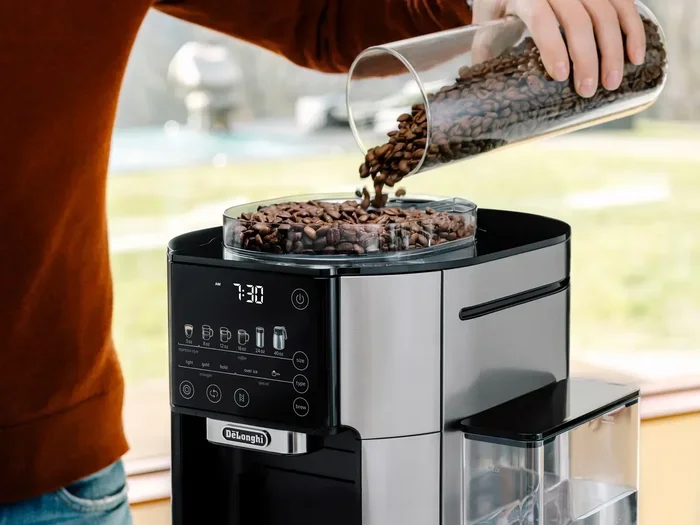
Whole bean coffee stays fresh longer and gives you more control over the grind. When you grind beans right before brewing, the flavors stay locked in. Pre-ground coffee is convenient, but it loses its freshness faster because the oils start to evaporate once the beans are crushed.
If you want the best possible taste, buy whole beans and grind them yourself. A simple burr grinder makes a big difference. However, pre-ground coffee still works well, especially if you use it within a few weeks of opening the bag.
For a quick and easy option, check out this guide on How To Make Cake In Microwave Oven if you also enjoy quick kitchen hacks for other treats alongside your coffee.
Dark Roast vs. Medium Roast vs. Light Roast
The roast level changes the flavor profile of your coffee dramatically. Here is a simple breakdown of each roast type:
- Light Roast: Light brown color, mild flavor, and higher acidity. Great for people who enjoy fruity or floral notes.
- Medium Roast: Balanced flavor with a slightly sweeter taste and medium acidity. This is the most popular choice for drip coffee makers.
- Dark Roast: Dark brown to black color, bold and smoky flavor, lower acidity. Best for those who like strong, rich coffee.
For most home coffee makers, medium roast is the safest bet. It balances flavor and strength without being too bitter or too mild. Dark roast works well if you prefer bold coffee, but it can sometimes taste burnt if the brew temperature is too high.
Single-Origin vs. Blends
Single-origin coffee comes from one specific region, like Colombia or Ethiopia. It has unique flavor notes tied to that area. Blends mix beans from multiple regions to create a consistent, balanced taste. For everyday coffee making, a good blend is often more forgiving and reliable.
If you want to explore single-origin beans, start with a medium roast from Central or South America. These tend to be smooth and easy to brew in standard coffee makers.
The Right Grind Size for Your Coffee Maker
Grind size is one of the most important factors in making great coffee. If the grounds are too fine, your coffee will be over-extracted and bitter. If they are too coarse, the brew will be weak and watery. Matching the grind to your machine is essential.
Grind Sizes by Coffee Maker Type
Different machines need different grind sizes. Here is a quick guide to help you match the right grind to your brewer:
- Drip Coffee Maker: Medium grind, similar to the texture of sand. This is the most common type of coffee maker found in homes.
- Pod Machines (Keurig, Nespresso): Use pre-ground pods designed for your specific machine. Do not try to refill pods with your own grounds unless the machine is designed for it.
- French Press: Coarse grind, like sea salt. The water sits with the grounds for several minutes, so a coarser texture prevents over-extraction.
- Pour-Over: Medium-fine grind, slightly finer than drip but not as fine as espresso.
- Espresso Machine: Very fine grind, almost like powdered sugar. This requires high pressure and is not suitable for standard drip coffee makers.
For most people asking what coffee to put in coffee maker, the answer is a medium grind designed for drip machines. This is the most versatile and forgiving option for home brewing.
Why Fresh Grinding Matters
When you grind coffee beans right before brewing, the aromatic oils are at their peak. These oils carry most of the flavor and fragrance. Once coffee is ground, it starts to lose its freshness within minutes. That is why coffee shops grind beans on demand.
At home, you do not need a fancy grinder. A basic blade grinder or burr grinder works well. Just grind only what you need for each brew, and you will notice a big improvement in taste.
Getting the Coffee-to-Water Ratio Right
The ratio of coffee to water is the secret to a perfect cup. Too much coffee makes the brew harsh and overpowering. Too little leaves it weak and watery. Getting this balance right is simple once you know the standard measurements.
The Golden Ratio
The Specialty Coffee Association recommends a ratio of 1:18, which means one part coffee to 18 parts water. For most home brewers, this translates to about two tablespoons of ground coffee for every six ounces of water. This is a great starting point that works for nearly all coffee makers.
Here are some easy measurements to remember:
- One cup (6 oz): Two tablespoons of ground coffee
- Four cups (24 oz): Eight tablespoons of ground coffee
- Full pot (12 cups): Twenty-four tablespoons or one and a half cups of ground coffee
Feel free to adjust based on your taste. If you like stronger coffee, add an extra half tablespoon per cup. If you prefer a milder brew, use a little less. The beauty of making coffee at home is that you control the strength.
Common Mistakes with Ratios
Many people scoop coffee using the tiny scoop that comes with the machine. These scoops are often too small and hold only about one tablespoon. Using two of these scoops per cup is a better approach. Also, never pack the grounds down tightly in the filter, as this restricts water flow and leads to uneven brewing.
Water Quality and Temperature
Water makes up more than 98 percent of your cup of coffee. If your water tastes bad, your coffee will taste bad too. Many people overlook this simple fact, but it is one of the biggest factors in coffee quality.
Use Filtered Water
Tap water contains chlorine, minerals, and other impurities that can affect the flavor of your coffee. Using filtered water removes these off-flavors and lets the natural taste of the beans shine through. A simple carbon filter pitcher works great for this purpose.
If you have ever noticed a funny taste in your coffee even though you used good beans, the water is likely the culprit. Switch to filtered water and you will immediately taste the difference.
The Right Brewing Temperature
Water temperature plays a huge role in extracting the right flavors from coffee grounds. The ideal brewing temperature is between 195 and 205 degrees Fahrenheit. Water that is too hot will over-extract the grounds and create bitterness. Water that is too cool will under-extract and leave the coffee flat and sour.
Most automatic coffee makers heat water to the correct range automatically. However, if you use a pour-over or French press, you should let boiling water cool for about 30 seconds before pouring it over the grounds.
Keeping Your Coffee Maker Clean and Maintained
A clean coffee maker brews better coffee. Over time, oils from the coffee build up inside the machine, and mineral deposits from water can clog the system. Regular cleaning keeps your coffee tasting fresh and your machine running smoothly.
Daily Cleaning Tips
After each brew, throw away the used grounds and rinse the filter basket with warm water. Wipe down the exterior and the carafe with warm soapy water. These simple habits take less than a minute and make a big difference over time.
For deeper cleaning, run a cycle with equal parts white vinegar and water once a month. This removes mineral buildup and eliminates stale oils. After the vinegar cycle, run two to three cycles with plain water to rinse out any remaining taste.
If you also deal with cleaning other kitchen appliances, the same principle applies. For instance, if you are cleaning oven racks, you might look up What To Soak Oven Racks In To Clean Them for a deep clean that works wonders on tough grime.
Replacing Filters and Parts
Most coffee makers use either paper or reusable metal filters. Paper filters should be replaced after each brew. Reusable filters should be rinsed thoroughly after every use and deep cleaned weekly. Check your machine’s manual for specific maintenance instructions, as replacing worn parts like gaskets and water lines will extend the life of your brewer.
Common Mistakes People Make with Coffee Makers
Even experienced coffee drinkers make mistakes that hurt the flavor of their brew. Here are the most common errors and how to avoid them.
Using Stale Coffee
Coffee starts to lose its freshness within two to four weeks of roasting. If your coffee has been sitting in the pantry for months, it will taste flat and dull. Always check the roast date on the bag and buy only what you can use within a few weeks.
Using the Wrong Grind Size
As mentioned earlier, grind size matters a lot. Using espresso grind in a drip coffee maker will result in a slow, bitter brew. Using a too-coarse grind in a pour-over will produce weak, watery coffee. Always match the grind to your specific brewer.
Skipping the Warm-Up
Many people skip warming up their coffee maker before brewing. Running a cycle with just hot water before adding the grounds preheats the machine and ensures a consistent brewing temperature. This small step takes seconds but improves the final cup significantly.
Not Measuring Properly
Scooping coffee by eye is one of the fastest ways to make inconsistent coffee. Invest in a simple kitchen scale or use measuring spoons to keep your ratios consistent. Once you find the perfect ratio for your taste, stick with it.
Best Coffee Brands for Home Coffee Makers
While personal preference plays a big role, some brands consistently deliver quality for home brewing. Here are a few reliable options across different roast levels and price points:
- Starbucks Breakfast Blend: A medium roast that works well in drip machines. Smooth and balanced with mild acidity.
- Folgers Classic Roast: An affordable option that delivers consistent flavor. Great for everyday drinking.
- Peet’s Coffee Major Dickason’s Blend: A dark roast with rich, bold flavor. Perfect for those who like strong coffee.
- Kirkland Signature Medium Roast: A great value option from Costco with smooth, clean flavor.
- Lavazza Super Crema: An Italian blend with a creamy, nutty flavor. Works well in most home machines.
These brands are widely available and offer consistent quality. However, the best coffee is the one you enjoy drinking. Do not be afraid to experiment with different brands and roast levels until you find your perfect match.
If you enjoy pairing your morning coffee with a warm snack, you might also enjoy How To Warm Tortilla Chips In Oven for a quick and easy breakfast treat that pairs perfectly with a fresh cup of coffee.
Quick Tips for Better Coffee Every Morning
Here are some fast, actionable tips that will immediately improve your coffee:
- Always use fresh, cold water. Hot water from the tap can contain stale minerals and off-flavors.
- Store coffee in an airtight container. Keep it at room temperature away from sunlight and heat sources.
- Clean your machine monthly. Vinegar and water cycles remove buildup and keep coffee tasting fresh.
- Grind just before brewing. This preserves the oils and aromas that make coffee taste great.
- Preheat your mug. Pour a little hot water into your cup before brewing. This keeps the coffee hot longer.
- Use filtered water. It removes chlorine and impurities that affect coffee flavor.
- Do not leave brewed coffee on the heat. Coffee tastes best within 20 to 30 minutes of brewing. After that, it starts to turn bitter.
Conclusion
Making great coffee at home is simpler than most people think. The key is choosing the right what coffee to put in coffee maker, using the proper grind size, and maintaining your machine regularly. Fresh beans, filtered water, and the correct ratio are the three pillars of a perfect cup.
Start with medium roast, medium ground coffee, and the two-tablespoons-per-six-ounces ratio. From there, adjust based on your personal taste. The beauty of home brewing is that you control every variable. Once you dial in your routine, you will never want to go back to stale, mediocre coffee.
Take the time to experiment, clean your machine, and enjoy the process. A great morning starts with a great cup of coffee, and now you have all the knowledge you need to make it happen every single day.
If you ever need help with other kitchen appliance questions, remember that proper care and the right ingredients make all the difference, whether you are brewing coffee or cooking a meal.
Frequently Asked Questions
Can I use instant coffee in a coffee maker?
No, instant coffee is not designed for drip coffee makers. It dissolves in hot water and does not need to be brewed through a filter. If you have a standard coffee maker, use ground coffee instead. Instant coffee works best when dissolved directly in hot water on its own.
How often should I clean my coffee maker?
You should do a quick rinse after every use and perform a deep clean with vinegar and water once a month. Regular cleaning removes mineral buildup and stale coffee oils that can affect the taste of your brew.
Does the type of coffee filter matter?
Yes, it does. Paper filters produce a cleaner, brighter cup by trapping more oils. Reusable metal or cloth filters let more oils through, resulting in a richer and fuller-bodied coffee. Choose based on your taste preference.
Can I use boiling water in my coffee maker?
Boiling water is too hot and can burn the coffee grounds, creating a bitter taste. The ideal brewing temperature is between 195 and 205 degrees Fahrenheit. Most coffee makers heat water to the correct range automatically.
How long does ground coffee stay fresh?
Ground coffee stays fresh for about two to four weeks after opening the bag. Whole beans last longer, up to a month or more. Store coffee in an airtight container at room temperature away from light and heat for the best results.
What is the best coffee for a Keurig machine?
Keurig machines work best with pre-ground coffee designed for single-serve pods. You can also use ground coffee in reusable K-Cup pods. Choose a medium roast for balanced flavor, and make sure the grind is fine enough to brew properly in the pod.


