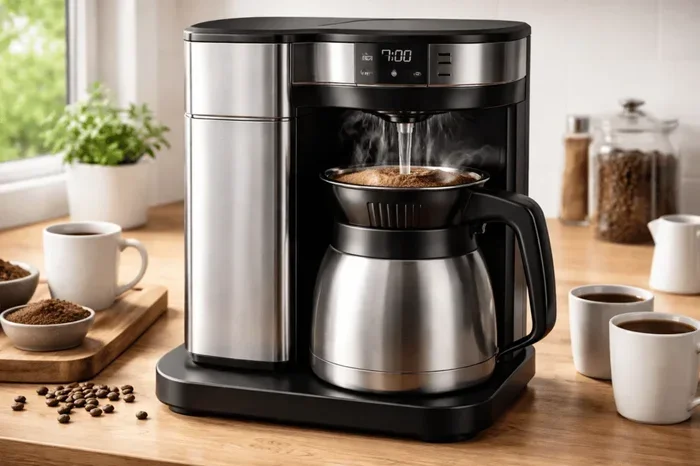
How To Make Coffee From Coffee Maker At Home Easily
Making coffee from a coffee maker at home is simple, fast, and rewarding. This guide walks you through every step, from choosing the right beans to brewing your first cup. You will learn proper ratios, brewing tips, and maintenance tricks that guarantee great taste every single time.
There is nothing quite like a fresh cup of morning coffee made right in your own kitchen. Whether you are a seasoned coffee lover or just starting your home brewing journey, learning how to make coffee from coffee maker is one of the easiest skills you can pick up. A coffee machine takes the guesswork out of brewing and delivers a consistent, delicious cup every single time.
This guide covers everything you need to know. We will walk through the types of coffee makers available, how to choose the best beans, the exact steps for brewing, and tips for keeping your machine in top shape. By the end, you will feel confident making drip coffee that tastes just right. Let us dive in and get you brewing.
Key Takeaways
- Choose the Right Coffee: Freshly ground beans and the correct coffee-to-water ratio are the foundation of great coffee.
- Follow the Steps: Adding water, placing the filter, adding grounds, and starting the brew cycle takes only minutes.
- Clean Regularly: Descaling and rinsing your machine keeps your coffee tasting fresh and extends the life of your device.
- Master the Details: Water temperature, grind size, and storage all impact your final cup.
- Troubleshoot Easily: Most common coffee maker problems have simple fixes you can do at home.
- Experiment and Enjoy: Once you master the basics, you can try flavored coffees and pairings to elevate your experience.
📑 Table of Contents
Understanding Your Coffee Maker
A coffee maker is one of the most used kitchen appliances in homes around the world. It is designed to heat water and pass it through coffee grounds to extract flavor. The result is a hot, aromatic cup of fresh coffee ready in minutes. Understanding how your machine works helps you get the best results every time.
How a Coffee Maker Works
Most standard coffee makers use a simple drip brewing process. Water sits in a reservoir at the bottom. A heating element warms the water, which then travels up a tube and drips over the coffee grounds. The brewed coffee flows through a coffee filter and into a glass or thermal carafe below. This process is reliable and straightforward, which is why so many people rely on it for their daily caffeine boost.
The key to great coffee lies in controlling three things: the quality of your ground coffee, the amount of water, and the brewing time. When these three factors are balanced, you get a rich, flavorful cup. When they are off, the coffee taste can suffer. That is why following proper coffee maker instructions matters so much.
Types of Coffee Makers You Can Use
Not all coffee makers are the same. Here are the most common types you will find in homes:
- Drip Coffee Maker: The most popular type. It heats water and drips it over grounds into a carafe. Great for making multiple cups at once.
- Single-Serve Pod Machine: Uses pods or capsules for quick, one-cup brews. Very convenient but can be more expensive per cup.
- French Press: Not technically a machine but a manual brewer. It steeps grounds in hot water and uses a plunger to filter them out.
- Percolator: An older style that cycles boiling water through grounds repeatedly. It makes strong coffee but can over-extract if not watched carefully.
- Espresso Machine: Uses pressure to force water through finely ground coffee. It makes concentrated shots and is great for milk-based drinks.
For this guide, we focus on the standard drip coffee maker since it is the most common and beginner-friendly option. Once you master this, you can explore other brewing methods with confidence.
Choosing the Right Coffee for Your Brew
The coffee you use matters a lot. Good beans and proper grinding make a huge difference in flavor. Here is what you need to know about selecting and preparing your coffee.
Whole Beans vs Ground Coffee
You can buy whole coffee beans and grind them yourself, or you can purchase pre-ground coffee. Both options work well, but fresh grinding gives you more control over the brew strength and aroma.
If you buy whole beans, look for a quality burr grinder. It crushes beans evenly, which leads to a more consistent extraction. Pre-ground coffee is convenient and works perfectly fine too. Just make sure the package is sealed tightly and check the roast date. Fresher coffee always tastes better.
The Perfect Coffee-to-Water Ratio
Getting the ratio right is one of the most important coffee maker instructions you will follow. Too much coffee makes your drink bitter and strong. Too little makes it weak and watery.
Here is a simple ratio to start with:
- Standard Ratio: Use about 2 tablespoons of ground coffee for every 6 ounces of water.
- Mild Coffee: Use 1.5 tablespoons per 6 ounces of water.
- Strong Coffee: Use 2.5 tablespoons per 6 ounces of water.
Most coffee makers come with a measuring scoop and a carafe with measurement markings. Use these as your guide. You can always adjust the ratio to match your personal preference. The goal is to find the coffee ratio that gives you the perfect cup every morning.
Step-by-Step Guide to Making Coffee From Your Coffee Maker
Now let us get into the heart of the process. Follow these steps carefully, and you will brew a wonderful cup of coffee every time. This is the core of how to make coffee from coffee maker at home.
Step 1: Gather Your Supplies
Before you start, make sure you have everything ready. You will need:
- Your coffee maker
- Fresh, cold filtered water
- Coffee grounds or beans (with a grinder if using whole beans)
- A clean coffee filter (paper or reusable mesh)
- A mug or carafe to serve
Using filtered water is important because it removes chlorine and other impurities that can affect the coffee taste. Cold, fresh water heats best in the machine and produces the cleanest flavor.
Step 2: Prepare the Coffee Maker
Start by placing a clean coffee filter in the filter basket. If you use a reusable mesh filter, make sure it is rinsed and free of old grounds. Next, fill the water reservoir with the amount of water you need for your cups. Most reservoirs have markings that show how many cups each level produces.
Place the carafe on the warming plate beneath the filter basket. This catches the brewed coffee as it drips through. Make sure the carafe is seated properly so nothing spills during the brew cycle.
Step 3: Add the Coffee Grounds
Open the filter basket and add your measured coffee grounds. Spread them evenly so the water passes through uniformly. If the grounds are packed too tightly on one side, the brew strength will be uneven.
For the best coffee flavor, use grounds that match the size recommended for drip brewing. Too fine and the coffee can become gritty and over-extracted. Too coarse and the water passes through too quickly, leaving the coffee weak.
Step 4: Start the Brew Cycle
Once everything is in place, close the filter basket and press the start button. Your machine will begin heating the water and dripping it over the grounds. The entire brewing time usually takes between 5 and 10 minutes depending on the model and the amount of coffee.
While the machine works, you can prepare your mug. Add cream, sugar, or any other extras you like. Some people enjoy their morning coffee black to fully appreciate the natural flavors. Others prefer a splash of milk or a sweetener. There is no wrong way to enjoy it.
Step 5: Serve and Enjoy
Once the brewing cycle finishes, carefully remove the carafe. The coffee will be hot, so use a towel or oven mitt if the carafe handle is warm. Pour into your favorite mug and enjoy your fresh coffee right away. Coffee tastes best when it is freshly brewed, so try to drink it within 20 to 30 minutes for the best coffee aroma and flavor.
If you are not ready to drink right away, you can keep the carafe on the warming plate for a short time. However, leaving coffee on heat for too long can make it taste bitter. For longer storage, pour leftover coffee into a thermal mug or insulated carafe.
Tips for Perfect Coffee Every Time
Making great coffee is about more than just following steps. Small details can make a big difference. Here are expert tips to help you brew the best cup possible from your machine.
Water Temperature Matters
The ideal water temperature for brewing coffee is between 195 and 205 degrees Fahrenheit. Most coffee makers heat water to this range automatically. If your machine does not reach the right temperature, the coffee can taste flat or under-extracted.
If you notice your coffee tastes weak or sour, the water may not be hot enough. Try running a cycle with just water first to warm up the machine before adding grounds. This simple trick can improve your coffee taste noticeably.
Clean Your Coffee Maker Regularly
Keeping your machine clean is one of the most important parts of coffee maker maintenance. Over time, mineral deposits, oils, and residue build up inside the machine. This can affect the coffee flavor and even slow down the brewing process.
Here is a simple cleaning routine:
- After Every Use: Throw away the used filter and grounds. Rinse the filter basket with warm water. Wipe down the exterior and the carafe.
- Once a Week: Wash the carafe and filter basket with warm soapy water. Dry them thoroughly before putting them back.
- Once a Month: Run a descaling cycle using white vinegar and water. Fill the reservoir with equal parts vinegar and water, run a full brew cycle, then rinse with plain water two or three times.
Just like you would clean an oven with burnt food to keep it working well, regular descaling keeps your coffee maker performing at its best. This simple habit removes buildup and ensures your home brewing results stay consistent and delicious.
Store Your Coffee Properly
How you store your coffee beans or grounds affects freshness. Keep beans in an airtight container in a cool, dark place. Avoid storing them in the fridge or freezer, as moisture can ruin the flavor. For pre-ground coffee, use it within a few weeks of opening the bag for the best taste.
Use the Right Grind Size
Grind size is often overlooked but plays a big role in extraction. For drip coffee makers, a medium grind works best. It is similar in texture to sea salt. If the grind is too fine, the coffee becomes muddy and bitter. If it is too coarse, the brew runs through too fast and tastes thin.
Most grocery stores sell pre-ground coffee labeled for drip machines. This is a great option if you do not own a grinder. But if you want to take your coffee brewing to the next level, invest in a simple burr grinder and grind your beans fresh each morning.
Common Coffee Maker Problems and How to Fix Them
Even the best machines can have occasional issues. Here are the most common problems and simple solutions.
Coffee Tastes Weak or Bitter
If your coffee tastes weak, you may not be using enough grounds. Try increasing the amount slightly or checking that your grind size is not too coarse. If it tastes bitter, you might be using too much coffee or letting the machine brew for too long. Adjust the ratio and check that your machine is not overheating the water.
Machine Is Slow or Not Brewing
A slow machine often has mineral buildup inside the tubes. Run a vinegar and water cycle to clear the clog. Also check that the water reservoir is filled to the correct level and that the carafe is properly seated on the warming plate. Sometimes a simple rinse of the filter basket removes debris that is blocking the flow.
Coffee Has a Funny Taste or Smell
If your coffee smells or tastes off, the machine probably needs a thorough cleaning. Run several cycles with plain water and a tablespoon of vinegar. Also check that the carafe is free of old coffee oils. A deep clean like this restores the natural flavor of your brew and keeps your coffee machine running smoothly.
Beyond the Basics: Elevate Your Home Brewing
Once you have mastered the basics of making coffee from your coffee maker, you can start experimenting. These tips help you take your home brewing to the next level.
Add Flavors to Your Coffee
Want to spice up your morning routine? Try adding a pinch of cinnamon, a splash of vanilla extract, or a few cocoa nibs to your coffee grounds before brewing. These additions infuse amazing flavors into the coffee as it brews. You can also try flavored creamers or a drizzle of caramel for a treat that feels like a coffee shop drink right at home.
Pair Coffee With Breakfast Treats
Coffee pairs wonderfully with a variety of breakfast foods. A warm muffin, a slice of toast with butter, or even a sweet pastry makes the morning feel special. If you enjoy baking, you can whip up a quick dessert to go with your cup. For a fun twist, try making a cake in a microwave oven for a fast and easy treat that pairs perfectly with your freshly brewed coffee. The combination of warm coffee and sweet cake creates a cozy breakfast experience right at your kitchen table.
Make Coffee Ice Cubes for Summer
When the weather gets warm, try freezing leftover coffee into ice cubes. Drop them into a cold glass of milk or a iced coffee for a refreshing drink. The coffee ice cubes keep your drink cold without diluting it. This is a great way to enjoy your morning coffee even on hot summer days.
Share the Joy of Home Brewing
Once you get good at making coffee from your coffee maker, share the skill with friends and family. Host a small breakfast gathering and show off your brewing technique. You can also gift a bag of freshly roasted beans or a new filter basket to a coffee-loving friend. Home brewing is not just about the drink, it is about creating a warm, comforting routine that starts your day on the right foot.
On a cozy weekend morning, you might even pair your coffee with a fun kitchen project. Just as making smores at home without an oven is a beloved kitchen activity, brewing a perfect cup of coffee is a simple pleasure that makes any morning feel special. The key is to enjoy the process and savor the results.
Conclusion
Learning how to make coffee from coffee maker at home is a skill that brings daily joy and convenience. With the right beans, the proper ratio, and a clean machine, you can brew a cup that rivals any coffee shop. Follow the steps outlined in this guide and you will enjoy fresh coffee every single morning without any hassle.
Remember to clean your machine regularly, store your coffee properly, and experiment with flavors and pairings to keep things interesting. Whether you drink it black, with cream, or over ice, your coffee maker is a reliable partner in your daily routine. Start your next morning right by making a perfect cup at home. You deserve it.
Frequently Asked Questions
What type of coffee is best for a drip coffee maker?
A medium grind with a medium roast works best for most drip coffee makers. It extracts evenly and produces a balanced cup. You can also use pre-ground coffee labeled for drip machines, which is convenient and easy to find at any grocery store.
How often should I clean my coffee maker?
You should rinse the filter basket and carafe after every use. Do a deeper clean with warm soapy water once a week. Run a vinegar and water descaling cycle once a month to remove mineral buildup and keep your machine running smoothly.
Can I use tap water in my coffee maker?
You can, but filtered water produces better tasting coffee. Tap water may contain chlorine or minerals that affect the coffee flavor. Filtered water also helps prevent mineral buildup inside the machine, which extends its lifespan.
Why does my coffee taste bitter?
Bitter coffee is usually caused by too much ground coffee, a grind that is too fine, or water that is too hot. Try reducing the amount of grounds slightly or checking your machine’s temperature settings. Cleaning the machine thoroughly can also remove old oils that cause bitter tastes.
How long does brewed coffee last in the carafe?
For the best taste, drink brewed coffee within 20 to 30 minutes. After that, the flavor starts to decline as the coffee oxidizes. If you need to keep it longer, pour it into a thermal carafe or insulated mug to maintain the heat without degrading the taste.
Can I reuse coffee grounds for a second brew?
Yes, you can, but the second brew will be much weaker and lighter in flavor. It works in a pinch but is not ideal for a full-flavored cup. For the best results, always use fresh grounds for each brew to get the full coffee aroma and strength you want.


